

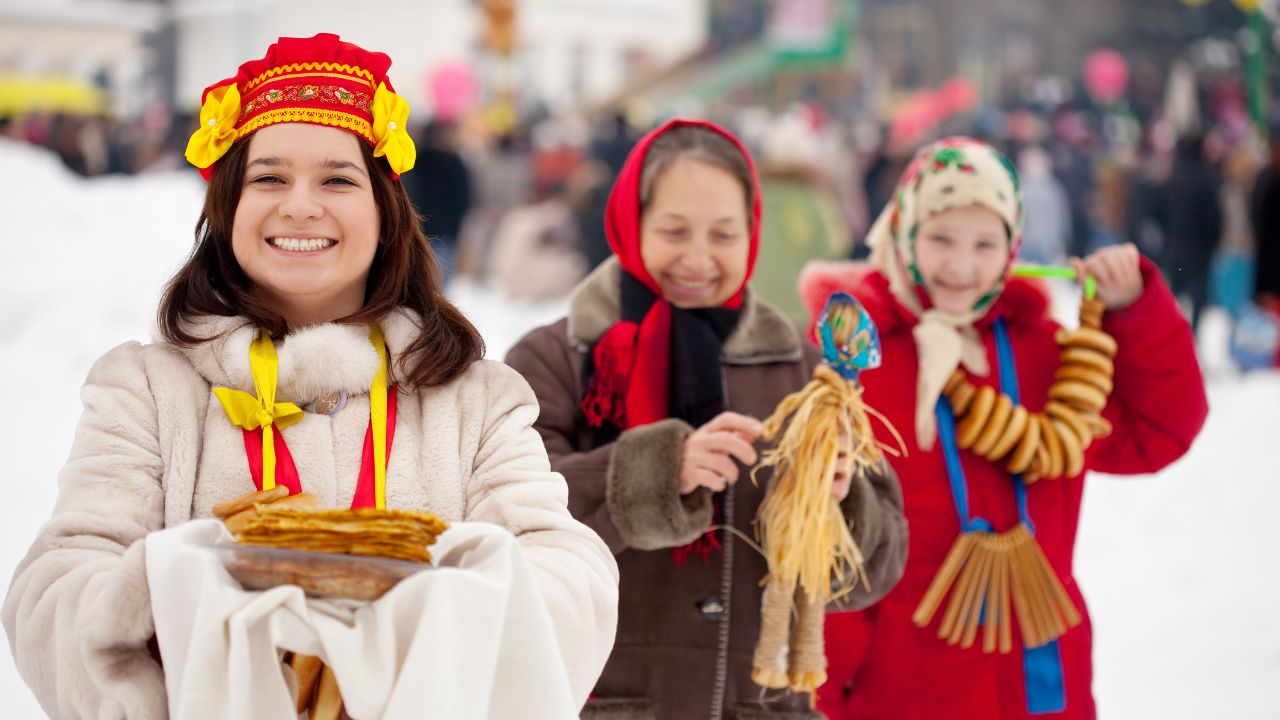
Russia is a land of immense scale and deep mystery that often leaves travelers speechless. If you are planning a trip or just curious about the largest country on earth, you need to act fast because the cultural landscape is shifting quickly. Understanding these fun facts about russia will give you a massive advantage in understanding how this massive nation functions. From hidden underground cities to peculiar social norms, the reality of life in the Federation is often stranger than fiction. This guide dives deep into the heart of Eurasia to bring you insights that go far beyond the standard tourist brochure.
What Are the Most Surprising Fun Facts About Russia?
When people think of Russia, they often picture snow and architecture. However, the sheer size of the country creates geographical anomalies that are hard to wrap your head around. Russia covers over 17 million square kilometers, making it larger than Pluto. This massive footprint means the country spans eleven different time zones. If you start your day with breakfast in Kaliningrad, your fellow citizens in Vladivostok are already heading to bed. This creates a unique challenge for national television and government administration.
Another interesting point involves the forest cover. Russia is home to about one-fifth of the entire world’s trees. The Siberian Taiga is so vast that it helps regulate the global climate. It is a massive carbon sink that rivals the Amazon rainforest in importance. For nature lovers, this means there are thousands of miles of untouched wilderness where humans rarely set foot. It is a place where nature still dictates the rules of survival.
The country also shares borders with 16 different nations. This makes it one of the most geopolitically diverse places on the planet. You can travel from the borders of Norway and the European Union all the way to North Korea without ever leaving Russian soil. This geographic diversity is reflected in the food, the local dialects, and the traditions found in various provinces.
The Cultural Impact of 10 Fun Facts About Russia
Culture in Russia is a blend of stoicism and deep warmth. One of the 10 fun facts about russia is that there are more women than men by a margin of about ten million. This demographic gap is a lingering result of historical conflicts and lower male life expectancy. This has shaped the social fabric of the country, influencing everything from the workforce to family dynamics and dating culture.
Russian hospitality is also legendary despite the common stereotype of the unsmiling Russian. In many households, it is considered rude to leave a guest with an empty plate. If you are invited to a home, expect a multi-course meal and plenty of tea. It is also a tradition to sit in silence for a few seconds before leaving for a long journey. This moment of reflection is believed to ensure a safe trip and a happy return.
Superstitions play a massive role in daily life here. You should never shake hands over a threshold as it is thought to bring bad luck. Similarly, whistling indoors is frowned upon because people believe it will cause you to lose all your money. These small cultural quirks are part of the charm that makes the country so fascinating for outsiders to explore.
Understanding the History Through 5 Fun Facts About Russia
History is visible on every corner of a Russian city. One of the 5 fun facts about russia involves the sheer depth of their literary history. Russia has produced some of the most influential writers in the world, including Tolstoy and Dostoevsky. Literacy rates in the country are nearly 100 percent, reflecting a deep respect for education and the arts that dates back centuries.
The country also boasts the longest railway in the world. The Trans-Siberian Railway stretches nearly 6,000 miles from Moscow to Vladivostok. Crossing the entire line takes about six or seven days of continuous travel. It is a feat of engineering that connects the European part of the country with the Pacific coast, passing through the Ural Mountains and across the vast Siberian plains.
Russia was also the first country to send a human into space. Yuri Gagarin made history in 1961, a moment that remains a point of immense national pride. This spirit of exploration and scientific achievement continues to define the nation’s identity. The space program remains one of the few areas where international cooperation persists regardless of political climates.
Unique Traditions and Fun Facts About Christmas in Russia
Holiday celebrations in this part of the world follow a different calendar than the West. One of the most interesting fun facts about christmas in russia is that it is celebrated on January 7th. This is because the Russian Orthodox Church still follows the Julian calendar. While the rest of the world finishes their festivities in December, the Russian season is just getting started.
Instead of Santa Claus, children wait for Ded Moroz, or Father Frost. He wears a long blue or red coat and is accompanied by his granddaughter, Snegurochka, the Snow Maiden. They deliver gifts on New Year’s Eve rather than Christmas Day. New Year is actually the biggest holiday of the year in Russia, featuring massive fireworks and family feasts.
The food during this season is quite specific. A traditional Christmas Eve dinner often includes a dish called Sochivo, which is a porridge made from wheat or rice with honey and poppy seeds. The meal is intended to be meatless until the first star appears in the sky. This blend of religious devotion and folk tradition makes the winter months in Russia truly magical for visitors.
Exploring the Capital With Fun Facts About Moscow Russia
Moscow is a city of superlatives and hidden wonders. Among the many fun facts about moscow russia is the reality of its metro system. The Moscow Metro is widely considered the most beautiful in the world. Many stations are designed like underground palaces, featuring marble walls, chandeliers, and intricate mosaics. During the Cold War, these stations were also designed to double as nuclear bunkers.
The city is also home to the Kremlin, which is the largest active fortress in Europe. It serves as the official residence of the President and is a massive complex of cathedrals and museums. Inside the Kremlin walls, you can find the Tsar Bell and the Tsar Cannon. Neither has ever been used for its intended purpose, but they remain massive symbols of Russian power and ambition.
Moscow has more billionaires per capita than almost any other city on earth. This leads to a striking contrast between historic architecture and ultra-modern luxury. The city never sleeps, and you can find 24-hour flower shops, pharmacies, and grocery stores on almost every block. It is a high-energy metropolis that rivals New York or London in its intensity.
Historical Turning Points and Fun Facts About the Russian Revolution
The events of 1917 changed the course of global history forever. A notable fun fact about the russian revolution is that it actually consisted of two distinct uprisings. The first happened in February, leading to the abdication of the Tsar, while the second occurred in October, bringing the Bolsheviks to power. These events ended centuries of imperial rule and began the Soviet era.
Another fascinating detail is that the Royal family, the Romanovs, were incredibly wealthy. Their private jewelry collection was among the most expensive ever assembled. After the revolution, much of this wealth was seized by the state or lost. The mystery of the “Lost Romanov Gold” still fascinates treasure hunters and historians today.
The revolution also led to a massive shift in social rights. Russia was one of the first major powers to grant women the right to vote and the right to legal divorce. The goal was to create a totally new type of society based on equality. While the reality of the Soviet Union was complex, these early legal changes were radical for their time and set a precedent for other nations.
Legacy of Change and Fun Facts About Russian Revolution
The impact of the uprising was felt in every home. One of the fun facts about russian revolution history is how it changed the language itself. The Bolsheviks simplified the Russian alphabet to make it easier for the working class to learn to read and write. They removed several letters and changed spelling rules to improve literacy across the massive peasant population.
The revolution also sparked a golden age of avant-garde art. Artists like Malevich and Kandinsky were initially supported by the new government to create art for the people. This led to incredible innovations in poster design, cinema, and architecture that still influence designers today. The “Constructivist” style seen in many old Russian buildings was born directly from this revolutionary spirit.
Even the way people lived was redesigned. The government experimented with communal housing where families shared kitchens and bathrooms to promote a sense of community. While these buildings are now often seen as cramped, at the time, they represented a futuristic vision of urban living. Walking through Saint Petersburg or Moscow today, you can still see these architectural experiments.
Lesser Known Insights and 3 Fun Facts About Russia
To wrap up our deep dive, let’s look at a few more specific details. One of the 3 fun facts about russia is that the country contains the world’s deepest lake. Lake Baikal holds about 20 percent of the world’s unfrozen freshwater. It is so deep that if all the other water sources in the world dried up, Baikal could keep the human population hydrated for decades.
Secondly, Russia has a secret city system. During the Soviet era, many cities were “closed” and did not appear on any maps because they housed sensitive military or scientific research. Even today, some of these cities remain restricted to foreigners and require special permits to enter. They are like time capsules of a bygone era.
Finally, the Hermitage Museum in Saint Petersburg is so large that it would take you years to see everything. If you spent just one minute looking at each exhibit, it would take about 11 years to finish your tour. The museum also employs a fleet of cats to protect the artwork from rodents, a tradition that has existed since the time of Empress Elizabeth.
Frequently Asked Questions
Is it true that Russia has a lot of cats?
Yes, Russia has one of the highest rates of cat ownership in the world. Cats are highly respected, especially in Saint Petersburg, where they are celebrated for their historical role in protecting the city’s food supplies and art.
What is the most popular food in Russia?
While many people think of Borscht, Pelmeni (meat dumplings) is often considered the national dish. It is a staple in almost every Russian household and is frequently served with sour cream.
How cold does it actually get in Russia?
It depends on the region. In Oymyakon, the coldest inhabited place on earth, temperatures can drop below -60 degrees Celsius. However, in southern cities like Sochi, the climate is subtropical and quite mild.
Do Russians really drink that much tea?
Absolutely. Tea culture is massive in Russia. It is usually served black with lemon or sugar, often accompanied by cookies or jam. It is the go-to drink for any social gathering.
Final Thoughts
Exploring the fun facts about russian culture reveals a nation that is far more diverse and complex than the headlines suggest. From the frozen wastes of Siberia to the gilded halls of the Hermitage, Russia is a place of dramatic contrasts. Whether you are interested in the fun fact about russia regarding its space achievements or the fun facts about russia involving its ancient superstitions, there is always something new to learn.
As you plan your next adventure or research project, remember that the best way to understand this country is to look past the surface. Every city has a story, and every tradition has a deep historical root. By keeping these facts in mind, you will have a much richer experience of one of the world’s most influential cultures.