

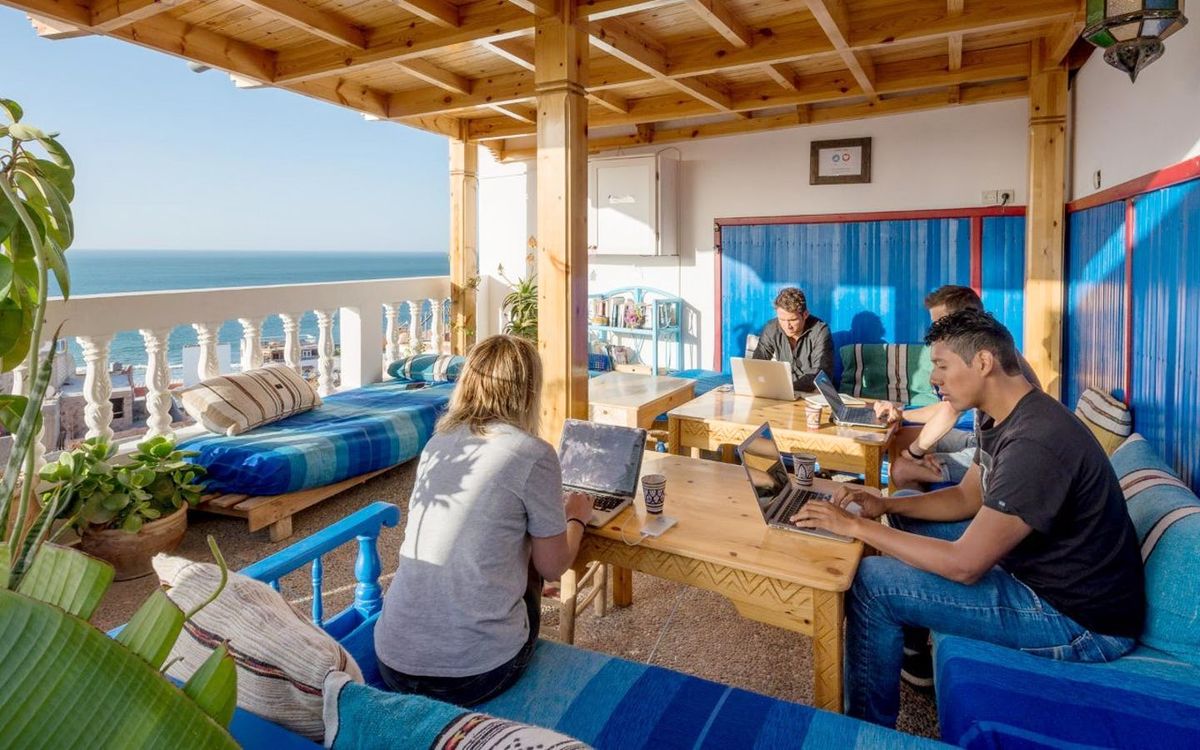
Introduction to Co-Working Spaces
Co-working spaces have emerged as a significant aspect of modern work culture, providing a shared environment where individuals can work independently yet collaboratively. These spaces cater primarily to freelancers, remote workers, startups, and even established companies seeking flexibility. The concept gained traction in the early 2000s, evolving from traditional office environments to facilitate a community-focused approach to work.
The rise of technology and the internet has catalyzed the growth of co-working spaces, allowing anyone with a laptop and an internet connection to work from anywhere in the world. This has made it particularly appealing for those who prefer not to be confined to a traditional office setting. Co-working spaces offer numerous amenities such as high-speed internet, meeting rooms, and social events, thereby enriching the productivity and networking potential of their users.
Furthermore, the increasing popularity of remote work and the gig economy has underscored the essential role that co-working spaces play in today’s work environment. Many professionals find isolated workspaces at home unmotivating and less conducive to creativity. Co-working spaces provide an alternative that fosters a more dynamic and interactive work atmosphere, allowing for seamless collaboration and the exchange of ideas.
As businesses recognize the benefits of agility, co-working spaces are becoming a viable option for companies seeking to reduce overhead costs associated with leasing traditional office buildings. This trend not only supports individual workers but also creates a thriving ecosystem that encourages entrepreneurship and innovation.
In light of these factors, it is evident that co-working spaces are not just a passing trend, but a fundamental shift in how work is conducted globally. This article will delve deeper into the world’s best co-working spaces, highlighting their characteristics and the unique experiences they offer to their users.
Benefits of Co-Working Spaces
Co-working spaces have gained significant popularity in recent years, offering a diverse array of advantages to professionals, freelancers, and entrepreneurs alike. One of the primary benefits of co-working spaces is the unique networking opportunities they provide. Being surrounded by like-minded individuals fosters collaboration and the exchange of ideas, which can lead to innovative projects and partnerships. The community aspect of these environments encourages interaction, allowing members to connect and leverage each other’s skills and expertise.
Additionally, flexibility is a crucial benefit of co-working spaces. Users can typically find various membership plans that suit their needs, ranging from daily passes to monthly subscriptions. This flexibility allows businesses to scale up or down based on their requirements without the burden of long-term leases or additional overhead costs. Consequently, co-working spaces present a cost-effective solution for many startups and independent professionals.
Furthermore, co-working spaces often come equipped with a wealth of amenities, such as conference rooms, high-speed internet, printers, and kitchens. Access to these facilities can save users both time and money by eliminating the need for separate office infrastructure. This availability of resources allows individuals to focus on their work without the distractions often encountered in traditional office settings.
Another noteworthy advantage is the enhanced work-life balance that co-working environments promote. The vibrant, community-driven atmosphere can help alleviate feelings of isolation that many remote workers experience. Engaging with others in a shared space fosters a sense of belonging and positively impacts mental wellbeing, leading to increased productivity overall. The combination of these benefits makes co-working spaces an attractive option for many individuals seeking an enriching workplace experience.
Key Features to Look For in a Co-Working Space
When selecting an ideal co-working space, several key features should be considered to ensure an optimal working environment. First and foremost, location plays a critical role. A co-working space should ideally be situated in an area that is both accessible and conducive to productivity. Being near public transportation and essential amenities can significantly enhance the daily experience of its members.
Equally important is the layout of the co-working space. The design should foster collaboration while also providing quiet areas for focused work. Open spaces may encourage networking and idea-sharing, whereas designated quiet zones can help minimize distractions. The variety of available workspaces, from hot desks to private offices, should cater to diverse working styles and individual needs.
Facilities within the co-working space are another critical factor. Reliable high-speed internet is non-negotiable, as it supports various online tasks and communication. Meeting rooms, equipped with audiovisual technology, are essential for team collaborations and client meetings. Additionally, having access to kitchen services, breakout areas, or fitness facilities can enhance the overall work-life balance for members.
Furthermore, community engagement is a vital aspect that contributes to the appeal of a co-working space. Many modern spaces offer community events, workshops, and networking opportunities that foster connections among members. This sense of community can greatly enhance the work experience, creating a supportive environment for entrepreneurs and freelancers alike.
Lastly, flexible membership options enable individuals to choose a plan that fits their lifestyle, whether it be daily passes, monthly subscriptions, or long-term agreements. These features collectively create a compelling co-working space that can cater to a variety of professional needs and preferences.
Top Co-Working Spaces in North America
North America boasts an impressive array of co-working spaces that cater to diverse professional needs and preferences. Among them, WeWork stands out with its innovative approach to shared work environments. Known for flexible membership options and locations in major cities such as New York, San Francisco, and Toronto, WeWork provides a vibrant atmosphere for networking and collaboration. Their expansive facilities include modern amenities, private offices, and communal areas that foster creativity and interaction among professionals from various fields.
Another notable co-working option is Regus, which offers a global presence with numerous locations throughout North America. Regus is celebrated for its professional and formal environment, making it an ideal choice for businesses seeking a more traditional co-working experience. Their spaces feature equipped meeting rooms and dedicated work areas, ensuring that professionals have access to all necessary resources to thrive.
The Spaces brand, a subsidiary of Regus, provides a unique blend of creativity and professionalism. With locations in artistic neighborhoods, Spaces emphasizes the significance of aesthetics and environment in the workplace. Their beautifully designed interiors are complemented by a strong sense of community, encouraging collaboration among members and making it a desirable option for freelancers and startups.
Furthermore, Impact Hub is prominent among social entrepreneurs and mission-driven enterprises. With locations across the continent, Impact Hub focuses on fostering social impact through collaboration. The co-working spaces here are designed to stimulate conversations around global challenges, providing resources for those dedicated to making a difference in their communities.
Collectively, these co-working spaces in North America exemplify the continent’s dynamic approach to collaborative working, catering to a wide range of professional needs while promoting innovation and connection.
Premier Co-Working Spaces in Europe
Europe boasts a thriving array of co-working spaces that reflect the continent’s diverse cultures and innovative spirit. From the historic streets of Paris to the tech hubs of Berlin, these premier co-working facilities provide an ideal environment for startups, freelancers, and remote workers seeking collaboration and inspiration.
In cities like London, co-working spaces such as WeWork and Techspace have become synonymous with modern entrepreneurship. Their designs encourage interaction and networking, which are vital for creative industries. These spaces often feature a blend of private offices and communal areas, catering to individuals seeking both privacy and collaboration.
Moving to the French capital, Paris offers unique co-working environments like Station F, which is a massive startup campus. This facility not only provides workspaces but also access to mentorship, events, and investment opportunities, positioning itself as a crucial hub for tomorrow’s entrepreneurs. The atmosphere is enriched by its focus on community-building, further emphasizing the importance of collaboration in fostering innovation.
In Berlin, spaces like Betahaus and Factory Berlin are emblematic of the city’s startup culture, showcasing innovative designs that encourage creativity. These spaces often embrace an open layout with artisanal coffee shops and relaxation areas, appealing to the modern worker’s need for both focus and leisure. Berlin’s vibrant atmosphere is instrumental in attracting international talent eager to tap into the city’s thriving market.
Across Europe, the cultural influences reflected in these co-working spaces create a unique blend of professional and social environments that cater to the dynamics of modern work. With the rise of the digital nomad lifestyle, co-working spaces provide the necessary resources and community to support freelancers and startups, making them indispensable in cities across the continent.
Popular Co-Working Spaces in Asia
Asia has become a hotspot for co-working spaces, driven by the rapid rise in freelance work, entrepreneurship, and the demand for flexible working arrangements. Major cities across the continent are witnessing a proliferation of diverse co-working environments designed to cater to a variety of professional needs and preferences.
One notable co-working space in Asia is WeWork, which has gained significant recognition for its collaborative atmosphere and globally recognized branding. With multiple locations in cities like Tokyo, Singapore, and Hong Kong, WeWork offers an array of amenities, including high-speed internet, conference rooms, and networking events, fostering a vibrant community for startups and freelancers alike.
Another prominent player in the Asian co-working scene is JustCo, which has established its presence in several key urban markets in Southeast Asia. Known for its spacious layouts and modern design, JustCo emphasizes collaboration and community through various events and workshops. This approach not only nurtures interaction among members but also promotes business growth.
In addition, Spaces, a brand under the Regus umbrella, offers creative co-working environments in bustling cities such as Bangkok and Manila. It combines aesthetic appeal with business functionality, providing a unique vibe that attracts professionals from various industries looking for inspiration in their workspaces.
Furthermore, local co-working spaces, like The Hive in Hong Kong, are gaining traction for their personalized services and cozy atmospheres. These spaces tend to reflect the local culture and community, offering unique perks that support the specific needs of their members.
The diverse range of co-working spaces in Asia not only highlights the evolving nature of work but also showcases the region’s commitment to fostering innovation and collaboration in an increasingly interconnected world.
Emerging Co-Working Spaces in South America
South America is experiencing a significant rise in co-working spaces, which are reshaping the regional business landscape. These emerging hubs are particularly focused on providing resources tailored to local entrepreneurs while fostering collaboration and community. Cities like Buenos Aires, São Paulo, and Santiago are at the forefront of this trend, attracting both local talent and international professionals with innovative designs and flexible work arrangements.
One of the remarkable aspects of these co-working spaces is their approach to community building. Many of these facilities offer unique networking events aimed at connecting entrepreneurs with like-minded individuals. This not only allows members to share knowledge and experiences but also encourages collaboration on projects that may span multiple industries. Furthermore, the integration of local culture into the design and offerings of these spaces enhances the sense of community and belonging amongst its members.
In addition to fostering collaboration, many South American co-working spaces focus on sustainability and social impact. Some locations incorporate eco-friendly designs and practices into their operations, appealing to socially conscious entrepreneurs. Moreover, these spaces have adapted to the unique needs of their communities by providing mentorship programs and workshops, which are essential for local entrepreneurs looking to develop their businesses in a competitive environment.
The emergence of co-working spaces across South America not only provides essential infrastructure for startups but also supports the growing gig economy and remote work culture in the region. As this trend continues to evolve, it will be interesting to observe how these spaces adapt and innovate to meet the diverse needs of entrepreneurs and freelancers in an ever-changing landscape.
The Future of Co-Working Spaces
In recent years, the co-working space landscape has evolved significantly, driven by various trends that are reshaping the way professionals and businesses utilize office environments. One of the primary factors influencing the future of co-working spaces is the integration of technology. As remote work gains popularity, co-working spaces are increasingly adopting advanced technologies such as high-speed internet, smart office solutions, and virtual reality tools. These innovations not only enhance user experience but also streamline operations, making them more attractive to both freelancers and established companies.
Moreover, the importance of sustainability is reshaping co-working strategies. Professionals are becoming more environmentally conscious, prompting co-working operators to implement sustainable practices. This includes using energy-efficient materials, reducing waste, and creating green spaces that promote well-being. By prioritizing eco-friendly initiatives, co-working spaces can appeal to environmentally-aware users and contribute positively to their communities.
The management of these spaces is also evolving. As the demand for flexible work environments rises, co-working operators are moving towards hybrid models, allowing for a blend of private offices and open-plan areas. This flexibility caters to varying needs, whether for solo entrepreneurs or larger teams requiring collaborative environments. Furthermore, data-driven insights are helping managers optimize space usage, ensuring that resources are allocated more efficiently, which ultimately benefits users.
Ultimately, the future of co-working spaces hinges on their ability to adapt and respond to changing market demands. By integrating technology, prioritizing sustainability, and embracing innovative management practices, these spaces can continue to flourish and attract a diverse range of professionals. The evolution of co-working will not only enhance the user experience but also redefine the very concept of what a workspace can be.
Conclusion and Recommendations
Co-working spaces have gained immense popularity as flexible work environments that cater to a diverse range of professionals. These spaces offer not only a place to work but also foster collaboration, creativity, and networking opportunities. Their ability to provide resources, amenities, and a sense of community makes them an appealing choice for freelancers, entrepreneurs, and remote employees alike. As we have explored, the best co-working spaces differentiate themselves through thoughtfully designed environments, vibrant atmospheres, and a robust support network for their members.
When choosing the right co-working space, it is crucial to evaluate your individual needs, preferences, and work style. Start by considering the location that best suits your lifestyle, taking into account proximity to home or clients. Next, assess the facilities available, such as high-speed internet, meeting rooms, and lounge areas, to ensure they align with your requirements. Additionally, price plays a significant role; many spaces offer various membership plans, so weigh the cost against the benefits provided.
Ultimately, the culture and community within a co-working space can greatly influence your experience. It may be beneficial to visit several spaces, engage with members, and attend events to get a feel for the atmosphere. Look for spaces that emphasize collaboration and knowledge-sharing, as these can enhance your productivity and lead to valuable connections.
In conclusion, exploring the world’s best co-working spaces presents an opportunity for individuals to discover environments that match their professional aspirations. By considering factors such as location, amenities, cost, and community culture, potential users can find a co-working space that not only meets their needs but also enriches their work experience. Whether you are a remote worker or a business owner, the right co-working space can significantly impact your productivity and satisfaction.