
Introduction to the Digital Nomad Lifestyle
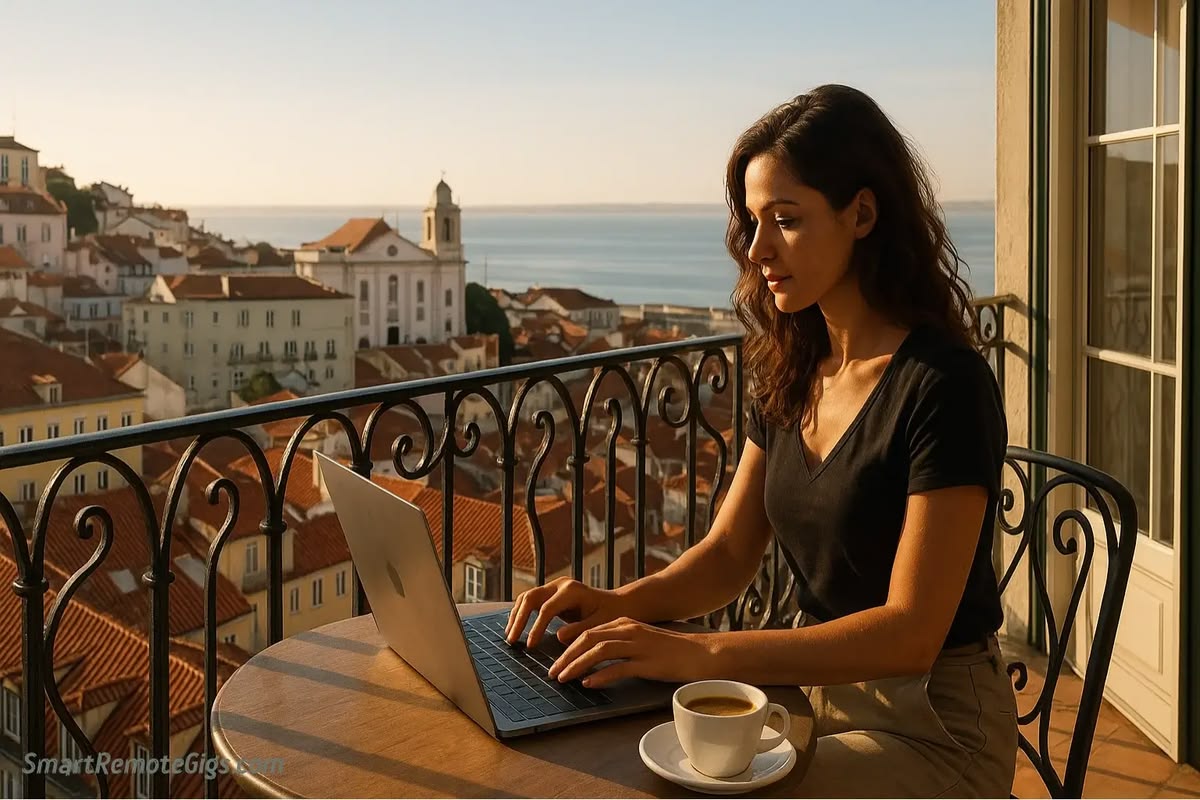
The concept of a digital nomad has gained significant traction in recent years, characterized by the ability to work remotely while traveling the world. This lifestyle allows individuals to break free from the traditional office environment and explore new cultures, all while maintaining their professional commitments. Digital nomads primarily rely on technology, enabling them to connect to the internet from virtually anywhere, making it possible to conduct business in diverse locations.
One of the primary benefits of this lifestyle is flexibility. Digital nomads have the autonomy to choose their work hours and locations, which can lead to a more satisfying work-life balance. This flexibility often results in increased productivity as individuals can work during their peak hours of focus and creativity, undoubtedly contributing to the overall well-being of the digital nomad.
Moreover, embracing a digital nomad lifestyle allows for the exploration of unique cultures. Travelers can immerse themselves in local traditions, cuisines, and experiences, promoting personal growth and global understanding. This exposure can also foster networking opportunities with like-minded individuals from around the world, building a sense of community among those sharing similar aspirations.
However, this lifestyle is not without its challenges. For many digital nomads, maintaining a work-life balance can be difficult, particularly when constant travel is involved. Distractions from new environments can affect productivity, making it essential for individuals to establish a routine that accommodates both work and exploration. Additionally, reliable internet connectivity can be a significant hurdle. Many remote workers find themselves in situations where they cannot access the web efficiently, raising concerns about their ability to meet work commitments.
In conclusion, the digital nomad lifestyle represents a compelling way to combine work with travel, offering invaluable experiences. Understanding the balance between the benefits and challenges can pave the way for a successful journey as a digital nomad, fostering not only professional growth but also enriching personal adventures.
Key Skills for Digital Nomads
In the ever-evolving landscape of work, digital nomads must equip themselves with a blend of technical and soft skills to navigate their unique lifestyles effectively. One of the most critical technical skills is proficiency in communication tools. Digital nomads often rely on platforms such as Slack, Zoom, and Microsoft Teams to maintain clear and consistent communication with colleagues and clients. Mastery of these tools not only facilitates effective interaction but also fosters collaboration across different time zones and locations.
Another essential technical skill is the ability to utilize project management software such as Asana, Trello, or Basecamp. These tools enable digital nomads to organize tasks, set deadlines, and track progress while working remotely. A robust understanding of these applications ensures that projects remain on schedule even when team members are dispersed across the globe. Additionally, time management techniques, such as the Pomodoro Technique or prioritizing tasks using the Eisenhower Matrix, are invaluable. These strategies help digital nomads optimize their productivity, making it easier to balance work responsibilities with travel adventures.
While technical capabilities are crucial, soft skills play an equally vital role in a digital nomad’s success. Adaptability is key, as nomads constantly face new environments and circumstances that require a flexible approach. Self-discipline is essential, particularly in avoiding distractions and maintaining focus in various settings, including cafes or co-working spaces. Lastly, effective communication skills are necessary not only for conveying ideas clearly but also for building relationships with clients and network connections. Establishing a rapport can lead to more opportunities, enhancing a digital nomad’s professional journey.
Finding Remote Work Opportunities
In the age of digital connectivity, finding remote work opportunities has become more accessible than ever, especially for individuals pursuing a digital nomad lifestyle. Various platforms serve as hunting grounds for remote job seekers, enabling them to align their professional aspirations with their travel goals. Notable among these platforms are freelance websites, remote job boards, and specialized company career pages. Each of these resources offers unique job listings catering specifically to remote work.
Freelance websites such as Upwork, Fiverr, and Freelancer have proved indispensable for digital nomads. These platforms not only facilitate project-based work but also let individuals showcase their skills and build a portfolio, which is crucial for attracting prospective clients. Moreover, remote job boards like We Work Remotely and Remote.co curate lists of legitimate remote positions across various industries, making it easier to find suitable employment without the need to navigate through numerous job postings.
To create a compelling resume and portfolio tailored for remote opportunities, applicants should emphasize their experience in managing remote work collaborations and highlight any past projects that demonstrate their adaptability and communication skills. Including metrics and outcomes in project descriptions can further underscore proficiency. Networking within the digital realm is also vital; joining online communities, participating in webinars, and engaging in forums can lead to connection with potential employers or peers who can provide valuable referrals.
Ultimately, the combination of utilizing the right job platforms, crafting a targeted resume, and engaging in networking can significantly enhance the chances of securing remote work that aligns with a digital nomad lifestyle. A strategic approach not only broadens job prospects but also helps in establishing a fulfilling career while traveling the globe.
Best Tools and Technologies for Digital Nomads
As digital nomads embrace the freedom of working while traveling, the selection of appropriate tools and technologies becomes crucial. The right resources not only enhance productivity but also foster effective collaboration, essential for remote work. Digital nomads often turn to various communication and project management tools to ensure seamless interaction with teams regardless of location.
Among the most popular communication tools, Slack stands out for its user-friendly interface and capability to integrate with numerous applications. This platform allows teams to communicate in real-time through channels, direct messages, and file sharing, making it ideal for remote workers spread across different time zones. Similarly, Zoom has gained significant traction as a robust video conferencing tool, essential for conducting meetings and webinars. Its ability to support large groups and record sessions adds versatility, catering to the dynamic needs of digital nomads.
For managing projects effectively, tools like Trello and Asana offer visual and structured approaches to task management. Trello employs a card-based layout that allows users to organize tasks within boards, making it easy to track progress. On the other hand, Asana provides a more comprehensive toolset for workflows, incorporating deadlines and task assignments, which is vital for team collaboration on diverse projects, no matter where in the world the team members are located.
Cloud storage options, such as Google Drive and Dropbox, are indispensable for storing and sharing files securely. Google Drive allows for real-time collaboration on documents, spreadsheets, and presentations, ensuring that all team members can contribute simultaneously. Dropbox stands out with its simple file-sharing capabilities and robust security features, appealing to digital nomads focused on data protection.
In addition to these tools, various mobile applications can enhance the experience of digital nomads while they travel. Tools like Todoist help manage personal tasks, while Travel Mapper assists in planning itineraries. The integration of these technologies into daily routines cultivates a more productive and organized lifestyle on the road.
Planning Your Travels as a Digital Nomad
Effective planning is paramount for digital nomads seeking to balance work and travel. One of the first considerations is selecting destinations that offer reliable internet connectivity. Many regions around the world cater to remote workers by establishing co-working spaces and cafes specifically designed for those who need a conducive environment for productivity. It is advisable to research potential destinations ahead of time, using tools and online resources to gauge the availability of high-speed internet and other essential amenities.
Another critical aspect of planning involves managing time zones. As a digital nomad, you may find yourself communicating with clients or colleagues across various time zones. To manage this effectively, create a schedule that accounts for different time zones, ensuring that meetings and deadlines are set at convenient times for all parties involved. Utilize digital tools such as world clocks and scheduling apps that facilitate coordination across time differences, allowing you to maintain professional commitments while enjoying your travels.
When setting up an itinerary, aim to strike a balance between work obligations and leisure activities. Identify blocks of time that can be dedicated to work during the day while reserving evenings or weekends for exploration and relaxation. This strategy not only optimizes productivity but also enhances the overall travel experience. Consider blending work and leisure by visiting destinations with numerous attractions or activities available close to workspaces, ensuring you maximize your time.Budgeting is also an essential component of your travel planning. Research the cost of living in your chosen destinations alongside potential travel expenses. Create a travel budget that accommodates both work-related costs, such as co-working memberships or office supplies, and personal leisure expenses, allowing for a balanced approach to managing finances while relishing in the nomadic lifestyle.
Finding Suitable Workspaces
For digital nomads, finding the right workspace is critical to maintaining productivity while traveling. There are several options available, each with unique advantages and disadvantages. One popular choice is coworking spaces, which provide a shared environment designed specifically for remote workers. These spaces typically offer high-speed internet, ergonomic furniture, and a community atmosphere, which can enhance networking opportunities. However, the cost of membership can vary significantly depending on location and available amenities, making it essential for nomads to evaluate their budgets before committing.
Cafes are another appealing option for digital nomads seeking a more relaxed atmosphere. They often provide comfortable seating and free Wi-Fi, making them accessible workspaces. The challenges with this choice may include noise levels and limited access to power outlets. Finding a cafe that strikes the right balance between ambience and productivity can require some trial and error.
Libraries are often overlooked yet serve as an excellent alternative for focused work. Most libraries offer quiet spaces, free internet access, and resources such as printing. However, the availability of seating and operating hours may not align with a digital nomad’s schedule, and it’s crucial to check for any local regulations regarding internet use.
Finally, working from accommodations can be a convenient choice, especially if offered comfortable desk facilities. This option allows for complete control over the working environment. On the downside, the potential for distractions can hinder productivity. When selecting a workspace, digital nomads should consider their personal preferences, the nature of their work, and the specific facilities available. Ultimately, the most suitable workspace is one that aligns with individual work requirements while accommodating lifestyle preferences.
Maintaining Work-Life Balance
For digital nomads, maintaining a healthy work-life balance is crucial in preventing burnout and enhancing overall well-being. The allure of working while traveling can sometimes blur the lines between work and leisure, making it essential to create a structured routine. Establishing clear boundaries is one of the most effective strategies for achieving this balance. By defining specific work hours, digital nomads can ensure they allocate adequate time for both professional responsibilities and personal enjoyment.
Additionally, scheduling regular breaks throughout the workday is vital. These breaks allow for mental rejuvenation and can significantly improve productivity. Whether it’s a short walk, a meditation session, or a casual meal, taking time away from screens can enhance focus and creativity upon returning to work. It is beneficial to treat these breaks as non-negotiable appointments, similar to important meetings, to cultivate a habit of stepping away from work.
Finding ways to disconnect from work is equally crucial for digital nomads. This can be challenging in environments where the allure of adventure is ever-present, but it is vital for mental health. Implementing nightly rituals, such as setting a specific hour to log off and engage in leisure activities, can help create a differentiation between work and play. Moreover, engaging in self-care practices—such as exercise, reading, or exploring new cultures—contributes positively to a nomad’s well-being and enriches their travel experience.
Ultimately, by prioritizing both work and personal time, digital nomads can create a sustainable lifestyle that promotes happiness and productivity. The implementation of these strategies not only fosters success in a professional context but also ensures that the joy of traveling is not overshadowed by the demands of work.
Navigating Legal and Visa Considerations
For aspiring digital nomads, understanding the legal aspects and visa requirements is crucial for a smooth transition into a life of work while traveling. Many countries have begun recognizing the rise of remote work and have introduced visa policies tailored specifically for digital nomads. These nomad visas allow individuals to work legally while enjoying a temporary residence in a foreign country.
When considering potential destinations, look for countries with favorable visa policies for remote workers. Nations such as Estonia, Portugal, and Croatia offer specialized visas that permit digital nomads to stay for extended periods without the need for traditional work permits. It is essential to research the specific requirements and limitations associated with each visa type, such as minimum income thresholds or health insurance requirements.
To apply for the appropriate visa, digital nomads typically need documentation such as a valid passport, proof of employment or income, and, in some cases, fingerprints or medical exams. The process can vary significantly between countries, so obtaining clarity on each step is vital. Consider consulting official government websites or utilizing services that specialize in assisting nomads with visa applications.
Furthermore, understanding the local laws regarding taxation and work permits is crucial to ensure compliance with both local regulations and any applicable home country laws. Many countries expect digital nomads to pay taxes on income earned while residing there, which can lead to complexity if you are working remotely for a company based elsewhere. Therefore, retaining a knowledge of dual taxation agreements can help mitigate potential financial obstacles.
In closing, navigating legal and visa considerations requires thorough research and attention to detail, ensuring that your work while traveling remains both enjoyable and legally compliant.
Stories and Tips from Experienced Digital Nomads
The journey of a digital nomad is filled with a plethora of experiences that vary widely from one individual to another. Many seasoned digital nomads share their stories, emphasizing the importance of adaptability and resilience in overcoming challenges while traveling. One common sentiment among these individuals is the realization that the key to a successful nomadic lifestyle lies in careful planning and a willingness to embrace uncertainty.
For instance, Sarah, a graphic designer, recalls her initial days of working in a bustling cafe in Bali, where the Wi-Fi was inconsistent at best. Frustrated yet determined, she learned to identify the co-working spaces that offered reliable connectivity. Today, she advises newcomers to scout both cafes and coworking spots before settling into a destination. This adaptability is often cited as a necessity in optimizing the digital nomad experience.
Similarly, John, a freelance writer, shared how he overcame bouts of loneliness during his travels. By proactively seeking out local meetups and connecting with fellow creatives, he not only formed friendships but also forged professional collaborations that enriched his career. He emphasizes the importance of community, suggesting that digital nomads should leverage platforms like Meetup or local Facebook groups to find like-minded individuals in their vicinity.
Moreover, seasoned nomads advocate for maintaining a balanced routine while on the road. For instance, Tarah, a software developer, emphasizes the value of setting work hours that mirror traditional office settings while saving weekends for exploration and leisure. This balance aids in sustaining productivity while also fostering a fulfilling travel experience. Ultimately, these narratives highlight that the journey of a digital nomad is shaped by flexibility and resourcefulness, which are paramount for anyone considering this lifestyle.