

Planning Your Itinerary: The Key to Efficiency
Embarking on a journey without a well-structured itinerary can lead to inefficiencies and missed opportunities. A thoughtfully planned itinerary serves as a roadmap, guiding travelers through their experiences and minimizing wasted time. This preparation is essential for ensuring that every aspect of your trip is enjoyable and productive.
When planning your itinerary, thorough research on your destinations is crucial. Familiarizing yourself with local attractions, cultural sites, and dining options can help prioritize activities that resonate with your interests. Additionally, utilizing travel blogs, reviews, and online resources can offer insights that enhance your understanding of what to expect, paving the way for an enriched experience.
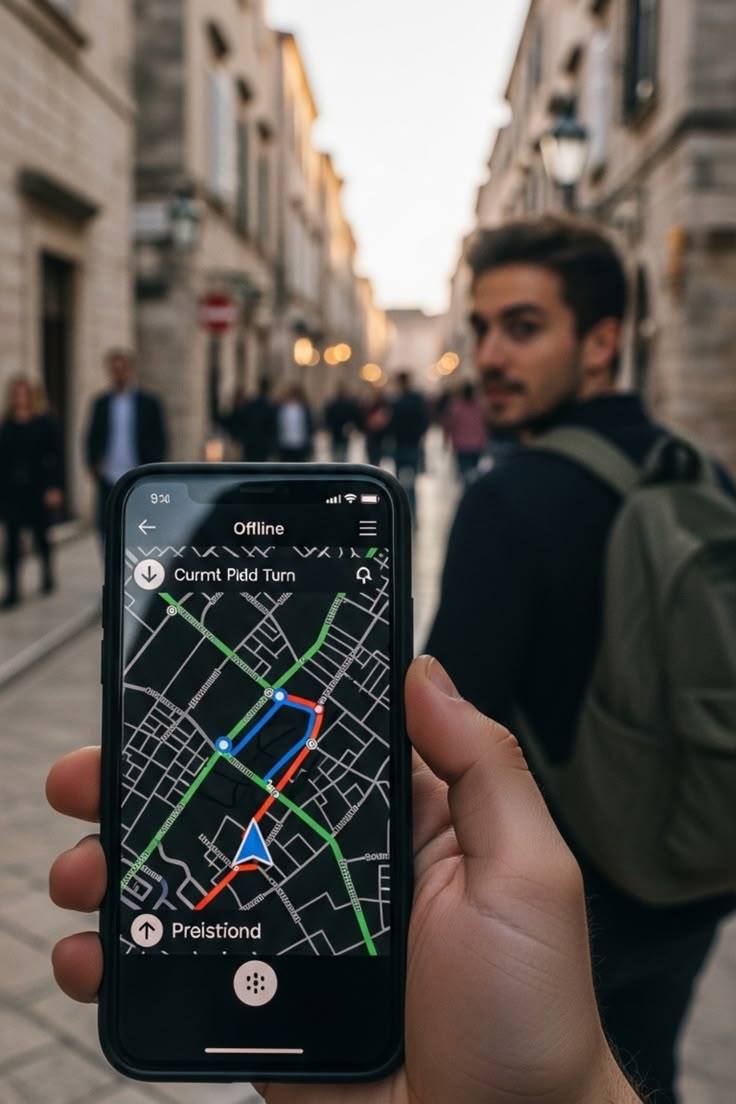
Mapping out your routes ahead of time can significantly streamline travel between sites. Whether using car navigation apps or public transport schedules, having a clear understanding of how to navigate your destination can save you valuable time. Moreover, it allows you to avoid the stress of last-minute decisions and possible delays. Consider integrating flexible time slots within your itinerary to accommodate unexpected events or the desire to explore spontaneous attractions.
Making reservations for popular attractions and dining spots in advance can greatly enhance your travel efficiency. By securing your spots ahead of time, you not only avoid long wait times but also ensure that you experience must-see venues without the hassle of uncertainty. Balancing your scheduled activities with adequate downtime is equally important; incorporating breaks into your itinerary results in a more relaxed travel pace, allowing you to fully appreciate each moment without feeling rushed.
Overall, a meticulously planned itinerary protects against the chaos often associated with travel. By adopting these strategies, you can maximize your time away from home, ensuring a memorable and fulfilling journey.
The Best Times to Travel: Timing is Everything
Understanding the optimal times to travel can significantly enhance your travel experience, reducing both stress and costs. Timing plays a critical role in determining travel expenses, the level of convenience, and the enjoyment of your journey. By identifying peak and off-peak travel periods, travelers can make more informed decisions that lead to smoother experiences.
Peak travel times typically coincide with school vacations, major holidays, and popular events, resulting in larger crowds and higher prices for flights and accommodation. During these periods, you can expect longer wait times at airports and tourist attractions, crowded public transport, and increased difficulty in securing reservations. Conversely, traveling during off-peak times often leads to lower costs and a more relaxed atmosphere. For example, mid-week flights are generally cheaper and less crowded than those on the weekends.
To effectively determine the best times to travel, it’s useful to monitor historical data on flight prices and tourism trends in your desired destination. Travel websites provide analytical tools that highlight high and low seasons. This allows you to balance cost against convenience, ensuring that you select a time that aligns with your personal preferences and budget constraints.
Moreover, being flexible with your travel dates can yield substantial savings. Tools like fare calendars and price alerts can help you identify the most economical days to fly. Additionally, opting to travel during shoulder seasons—a window just before or after peak times—can also strike a beneficial balance between cost and experience, offering the advantages of both pricing and relative tranquility.
In summary, by being mindful of timing and aware of peak and off-peak travel seasons, you can make choices that enhance your journey, allowing for a hassle-free and enjoyable travel experience, minimizing wait times, and avoiding the stress commonly associated with crowded travel periods.
Packing Smart: Essentials vs. Extras
Packing effectively is a crucial aspect of any travel plan. It not only ensures that travelers have all necessary items on hand but also significantly streamlines the experience once they arrive at their destination. A well-thought-out packing strategy can save considerable time and reduce stress. One of the most efficient ways to start is by creating a comprehensive packing checklist. This tool prevents the last-minute packing scramble, ensuring that essential items are not overlooked.
When preparing your travel wardrobe, selecting versatile clothing is paramount. Opt for pieces that can be mixed and matched, as this will allow for multiple outfit combinations without the need for excessive clothing. Items that can serve dual purposes—such as a dress that can also double as a beach cover-up—are particularly advantageous. As you curate your clothing options, consider the fabric; lightweight, quick-dry materials can save space and make laundry simple if needed.
The choice of luggage also plays a vital role in packing smartly. Choosing lightweight luggage ensures that travelers can maximize their carry-on or check-in baggage allowance without exceeding weight limits. This often translates to easier mobility through airports and quicker transitions upon arrival, as travelers will be less encumbered by heavy bags.
Another effective packing technique involves utilizing packing cubes or rolling clothes. Packing cubes allow travelers to organize their items into categories, making it simple to find what you need without unpacking everything. Alternatively, rolling clothes can minimize wrinkles and efficiently utilize space in your suitcase, making it easier to pack and unpack swiftly. Through these strategies, not only can travelers manage their belongings effectively, but they can also experience greater freedom and comfort during their journeys.
Technology Enhancements: Apps and Gadgets to Save Time
In today’s fast-paced world, leveraging technology can significantly enhance your travel experience by saving time and reducing stress. With a multitude of travel apps available, travelers can effortlessly navigate new cities, book accommodations, and manage itineraries. Applications such as Google Maps and Waze are indispensable for navigation, providing real-time traffic updates and the fastest routes to your destination. These apps eliminate the hassle of getting lost and ensure timely arrivals, enabling a more relaxed travel experience.
Accommodation booking has also been revolutionized by platforms like Airbnb and Booking.com, where travelers can secure lodging with just a few taps on their smartphones. These apps allow users to filter options based on preferences and budget, streamlining the process of finding the perfect stay without wasting valuable time. Additionally, they often feature user reviews and ratings, ensuring that travelers can make informed decisions.
Language barriers can pose significant challenges when traveling abroad. However, apps such as Google Translate and Duolingo equip travelers with essential tools for communication. Whether it’s translating menus or learning basic phrases, these applications make conversing in foreign languages easier, thus saving time and facilitating smoother interactions with locals.
Beyond mobile applications, several gadgets can enhance efficiency on the go. Portable chargers are essential for keeping devices powered throughout the day, eliminating concerns about battery life while navigating and accessing information. Travel Wi-Fi hotspots are another valuable gadget allowing travelers to stay connected without incurring hefty roaming charges. These devices provide instant access to the internet, facilitating easy navigation and real-time communication.
Overall, embracing these technology enhancements can lead to a more efficient and enjoyable travel experience, allowing travelers to focus on creating lasting memories instead of managing logistical challenges.
Navigating Airports: Tips for Hassle-Free Check-Ins and Security
Navigating airports can often be a daunting experience, but with some preparation and strategic planning, travelers can significantly reduce their stress levels. One crucial aspect of a smooth airport experience is successfully managing the check-in process. It is advisable to check in online before arriving at the airport, which not only saves time but also allows travelers to choose their preferred seats, reducing the likelihood of being separated from travelling companions.
Upon arrival, it is beneficial to familiarize oneself with the layout of the airport. Many airports provide interactive maps on their websites or apps, enabling travelers to locate check-in counters, security checkpoints, and boarding gates efficiently. Understanding the airport’s structure can save precious minutes, which are essential for a hassle-free journey.
Another vital tip is to strategically time your arrival at the airport. Generally, arriving two hours before a domestic flight or three hours for international flights is recommended. However, travelers should also consider peak travel times, which can vary based on the day of the week and season. Checking the airport’s congestion patterns can offer insights on when to plan your arrival.
Security lines can pose a common challenge at airports; thus, utilizing programs like TSA PreCheck or Global Entry can help avoid lengthy wait times. For those without these programs, wearing easily removable shoes and minimizing carry-on items can streamline the security screening process. Furthermore, keeping all electronics and liquids accessible will facilitate quicker transitions through security checks.
Lastly, boarding techniques can also influence the overall airport experience. Adhering to the boarding order announced by the airline, usually starting from the back of the plane to the front, can create a more organized boarding experience. By applying these tips and being mindful of pre-flight preparations, travelers can navigate airports with increased confidence and efficiency.
Efficient Transportation: Getting Around on a Budget
When traveling to a new destination, selecting the right mode of transportation can significantly impact both time and budget. Understanding the available options can lead to a more enjoyable travel experience. Public transportation is often the most economical choice in urban areas. Many cities boast extensive bus, tram, or subway systems, providing a cost-effective way to navigate various attractions. Purchasing a day pass or travel card can further reduce expenses, allowing unlimited travel over a specified time frame.
For those who prefer flexibility, rideshare services such as Uber or Lyft can offer an affordable alternative to traditional taxis. These platforms often provide fare estimates before booking, enabling travelers to budget accordingly. In addition, sharing a ride with fellow travelers can help minimize costs, making it a social and economical choice for groups.
Bicycle rentals have become increasingly popular in many destinations, promoting both eco-friendliness and physical activity. Numerous cities now offer bike-sharing programs, which allow tourists to rent bicycles for short trips. This option not only provides a unique way to explore but often allows travelers to avoid the time delays associated with traffic congestion.
When determining the best transportation options, it is essential to analyze the proximity of attractions and consider walking as a viable alternative. Walking not only saves money but also offers an authentic experience of the local environment. In summary, whether utilizing public transit, rideshare services, or bicycles, effective transportation planning can lead to substantial savings and a smoother travel adventure. By assessing both time and cost, individuals can optimize their travel itineraries, ensuring a memorable and stress-free journey.
Maximizing Sightseeing Opportunities
When traveling, one of the primary goals is to explore and absorb the sights and experiences a destination has to offer. However, with limited time available, effective planning becomes essential to make the most of your sightseeing endeavors. Prioritizing attractions based on personal interests and significance can significantly enhance your experience. Start by creating a list of must-see locations, which can include historical landmarks, museums, parks, or local markets. This prioritization allows you to focus your energy on the most important sites rather than attempting to visit everything at once.
Utilizing guided tours efficiently is another strategy for optimizing your sightseeing time. Guided tours can provide insight and context to attractions that may otherwise be overlooked. Not only do they often facilitate quicker entry into popular sites, but they also help in navigating around larger cities. Opt for skip-the-line tours or small group excursions to minimize waiting periods and maximize engagement with the attractions.
Managing the transition time between activities is equally crucial so as not to feel rushed or overwhelmed. Allocate sufficient time for travel between sights, factoring in potential delays due to crowds or transport schedules. A strategic approach to your itinerary can involve grouping nearby attractions together. This method not only reduces travel time but also enables a more relaxed pace, allowing for spontaneous exploration and minimizing the risk of sightseeing fatigue.
Finally, consider utilizing mobile applications that specialize in tourism or localized advice. These tools can provide real-time information on nearby attractions, ticket availability, and transport options, further streamlining your sightseeing experience. With thoughtful planning and strategic execution, you can capture the essence of your destination while enjoying a stress-free journey.
Dining Decisions: Eating Well and Saving Time
When traveling, meal times can often become a significant source of stress, especially if you are trying to maximize your itinerary. However, with the right dining decisions, you can enjoy delicious meals that will complement your travel experience while also saving you valuable time. One effective strategy involves booking ahead; many restaurants offer reservation options that allow you to secure a table without having to wait in long lines. This is particularly relevant during peak tourist seasons or at famous dining establishments.
Utilizing food apps for reservations can further streamline your dining experience. Numerous applications enable you to view menus, customer reviews, and availability in real-time, offering a proactive way to avoid crowded dining rooms. Some apps even allow you to pre-order your food, ensuring that your meal is ready upon arrival. By leveraging technology, you can bypass the sometimes tedious process of seated dining, thus freeing up time to explore more attractions.
It is also wise to be mindful of meal times to avoid peak hours. Dining during off-peak hours can not only enhance your dining experience with shorter wait times but often results in a quieter atmosphere that can be more enjoyable. For example, lunching earlier or later than typical noon hours often leads to a more pleasant encounter. Additionally, consider local food markets or food trucks, which typically feature quick options and can introduce you to regional specialties without the wait associated with traditional restaurants.
Overall, making conscious choices around dining can greatly enhance your travel experience, helping you to enjoy meals without sacrificing your time. By reserving ahead, employing food apps, and dining strategically, you can savor your culinary adventures while maintaining a stress-free journey.
Reflecting and Learning: Post-Trip Analysis for Future Improvements
Post-trip reflection plays a pivotal role in enhancing travel experiences and improving future journeys. Once the excitement of travel subsides, taking time to evaluate the trip allows travelers to identify both successful aspects and areas needing improvement. This introspective process not only promotes personal growth but also fosters greater efficiency in time management during subsequent trips.
When reviewing the travel experience, consider what aspects worked effectively. Did the itinerary maximize sightseeing opportunities without causing fatigue? Were the accommodations comfortable and conveniently located? Analyzing these elements can provide insights into what travel strategies were successful. Documenting these reflections in a travel journal enables easy reference for future planning, thus avoiding past pitfalls.
Conversely, it is equally important to assess what could have been improved. Were there delays that could have been minimized through advanced planning? Did unexpected circumstances arise that could have been foreseen? By recognizing these challenges, travelers can develop strategies to mitigate similar issues in the future. Emphasizing adaptability, understanding, and planning can transform setbacks into learning opportunities, thereby enhancing overall travel efficiency.
Incorporating feedback from travel companions can further enrich the reflection process. Engaging in discussions about the trip can unveil differing perspectives on what worked and what didn’t, allowing for a more comprehensive evaluation. Collaborative reflection can lead to innovative ideas for itinerary planning, accommodation selection, and activity scheduling.
Ultimately, the goal of post-trip analysis is to enhance future travel experiences. By diligently evaluating each journey and applying the lessons learned, travelers can cultivate a repertoire of strategies aimed at ensuring smoother, more enjoyable trips. Embracing this reflective practice not only facilitates more efficient travel planning but also contributes to a deeper appreciation of the journey itself.