

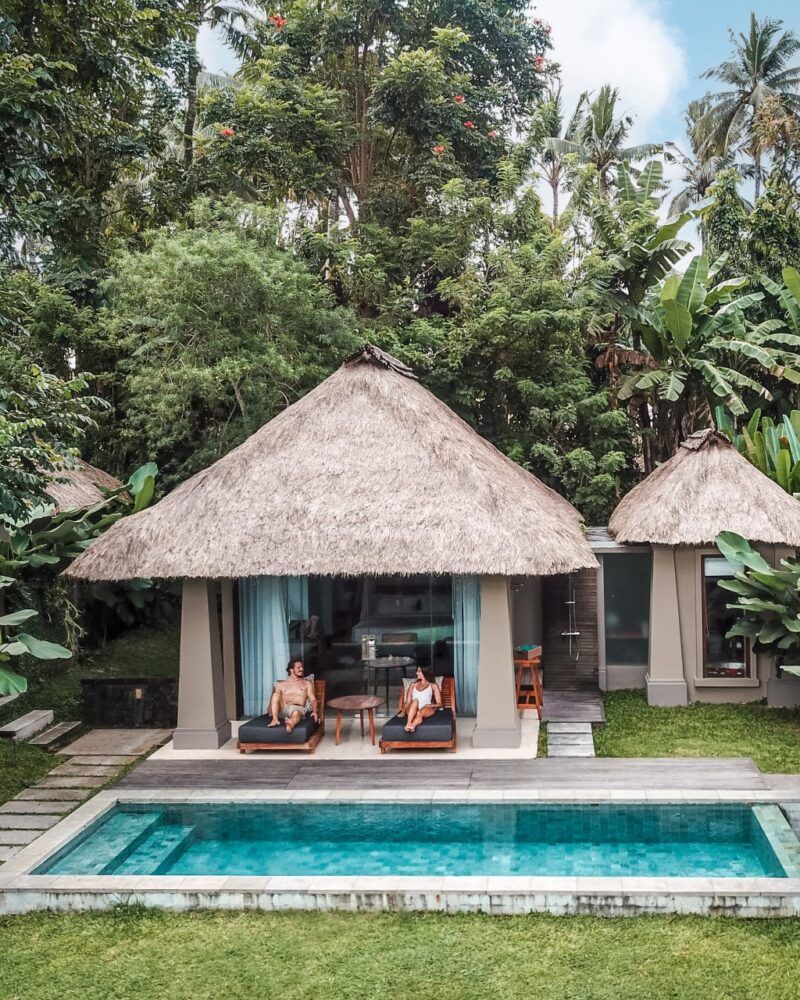
Introduction to Unique Accommodations
Traveling is not just about reaching a destination; it is also an exploration of new experiences, cultures, and lifestyles. One of the most effective ways to enrich a travel experience is by choosing unique accommodations. These distinctive places to stay can transform how travelers perceive their surroundings, providing cultural insights that traditional hotels often cannot offer.
The trend of seeking unconventional lodging options has gained popularity among modern-day adventurers eager for more than just a mediocre hotel room. Instead of standard amenities, travelers are increasingly opting for accommodations like treehouses, yurts, converted factories, or historic houses, which not only offer a roof over one’s head but also narrate stories of local life. Each unique accommodation type holds the potential to engage guests in the local culture and environment, fostering deeper connections to the places they visit.
Staying in these unusual lodgings often adds a sense of adventure and creativity to travel. Many places are creatively designed to enhance interaction between guests and the natural or urban landscapes surrounding them. For example, a stay in an eco-friendly lodge in the woods can provide intimate contact with nature, while a night in a boutique hotel in a bustling city can present opportunities for discovering local art and cuisine.
Ultimately, unique accommodations allow travelers to step outside of their comfort zones and experience destinations with fresh perspectives. As the marketplace evolves, the options for unique lodgings grow more diverse and accessible, catering to different tastes and preferences. This burgeoning trend not only aligns with the traveler’s desire for novelty but also emphasizes the importance of immersing oneself in the rich tapestry of local culture.
Treehouses: Embracing Nature
The allure of treehouse accommodations has captivated travelers seeking a unique lodging experience that immerses them in nature. These elevated hideaways, set high among the branches, offer not just stunning views but also a chance to reconnect with the natural world. From luxurious designs to rustic wooden structures, treehouses come in various styles, catering to diverse preferences and budgets.
Some treehouses are designed with luxury in mind, featuring modern amenities like hot tubs, air conditioning, and sophisticated décor, providing a glamorous way to enjoy a forest retreat. Others embrace minimalism and sustainability, allowing guests to fully appreciate their surroundings while living in harmony with nature. Whether a traveler longs for adventure or a peaceful escape, there is likely a treehouse that fits their desires.
When considering remarkable treehouse destinations, a few locations stand out. In Costa Rica, for instance, one can find the enchanting treehouse lodges of the Finca Rosa Blanca Coffee Plantation. Here, visitors can experience the beauty of tropical flora while enjoying coffee tours and bird-watching opportunities. In the United States, the Out ‘n’ About Treehouse Treesort in Oregon offers a whimsical collection of treetop accommodations designed with adventure seekers in mind, including zip lines and ropes courses.
Internationally, travelers can explore the enchanting treehouses of the Tsitsikamma National Park in South Africa, where vibrant wildlife and lush landscapes provide an unforgettable backdrop. Such diverse options around the globe allow travelers to choose their ideal treehouse experience, whether it is a secluded getaway or an adventurous family holiday.
Caves: Ancient Dwellings Reimagined
Cave hotels and lodges offer travelers a unique accommodation experience, blending the ancient charm of natural caves with modern comforts. The tradition of living in caves dates back thousands of years, providing people with natural protection from the elements. Today, these ancient dwellings have been reimagined into luxurious retreats that attract adventure seekers and history enthusiasts alike.
Staying in a cave hotel allows guests to appreciate a fascinating part of human history while enjoying contemporary conveniences. Many of these unique places combine original cave features, such as exposed rock walls and natural lighting, with modern furnishings and amenities. This fusion creates an environment that is both stimulating and relaxing, making the cave experience a perfect escape from the ordinary.
Across the globe, numerous cave accommodations cater to various tastes and budgets. For instance, the stunning cave hotels of Cappadocia in Turkey, such as the renowned Museum Hotel, transport visitors to a world of whimsical landscapes. Guests can immerse themselves in the region’s rich history while enjoying picturesque views from their cave suites. Similarly, the caves of Matera in Italy have been transformed into boutique hotels, allowing visitors to sleep within ancient stone dwellings that UNESCO recognizes as a World Heritage site.
In addition to being a novel lodging option, cave hotels often provide access to various activities that highlight the surrounding natural beauty, such as hiking, rock climbing, and guided cave explorations. From the breath-taking scenery to the unique architecture, these cave lodges promise an unforgettable travel experience.
Converted Churches: A Spiritual Experience
Converted churches offer a unique lodging experience that beautifully intertwines history, architecture, and spirituality. These remarkable structures serve as a testament to how spaces can be repurposed while preserving their inherent charm and significance. Resting within the walls of a former place of worship, guests are often enveloped in a serene atmosphere that invites reflection and relaxation.
The architectural beauty of these transformed churches is often both captivating and awe-inspiring. Guests may find themselves staying in properties adorned with intricate stained glass windows, high vaulted ceilings, and robust wooden beams, all of which showcase the artistry of a bygone era. For instance, the Church of the Holy Ghost in Portugal has been thoughtfully renovated into a chic boutique hotel that retains its stunning ecclesiastical features, allowing visitors to appreciate the blend of old and new.
Historically significant, many of these accommodations are linked to cultural narratives that enhance the travel experience. Staying in a previously active church allows guests to connect with the local heritage and history of the area. Take, for example, the St. James Church in Ireland, which now functions as a guesthouse. This unique lodging not only offers comfortable accommodation but also serves as a reminder of the community’s spiritual past.
Additionally, the unique spiritual ambiance of converted churches provides an unparalleled experience, fostering a sense of peace and tranquility. Travelers often describe their stays as rejuvenating, as the sacredness of the space radiates through the air, making for an unforgettable retreat. Whether seeking solitude or inspiration, staying in these magnificent venues invites guests to reflect and reconnect, enhancing their travels in an extraordinary way.
Floating Hotels: A Different Kind of Sea View
Floating hotels offer a unique and enchanting way to experience the beauty of water landscapes. Accommodations such as houseboats and overwater bungalows allow travelers to drift gently atop stunning oceans, lakes, or rivers, providing an uncommonly serene backdrop for relaxation and exploration.
Staying in a floating hotel offers guests unparalleled perspectives of their surroundings. Instead of being confined to the shore, these accommodations enable direct access to aquatic activities, making them ideal for those who enjoy snorkeling, diving, or simply lounging on a deck while watching the waves. The rhythmic sound of water lapping against the hull or the gentle sway of a houseboat can create an atmosphere of tranquility, which is often hard to find in traditional land-based hotels.
Several floating hotels around the world have gained acclaim for their exquisite designs and remarkable locations. For example, the famous Likuliku Lagoon Resort in Fiji features luxurious overwater bungalows nestled amidst vibrant coral reefs. Guests can enjoy breathtaking sunsets from their private terraces while soaking in the vibrant blue waters of the South Pacific. Similarly, the Jumeirah Maldives Olhahali Island offers luxury overwater villas that stand out with their contemporary style and eco-friendly practices.
In the United States, the Houseboat Hotel in Nashville provides a unique experience for those looking to combine urban culture with waterfront living. This floating hotel grants an opportunity to explore both the music city and the calming nature surrounding it. Each of these floating accommodations encapsulates the idea of living luxuriously while being one with nature, making them extraordinary choices for discerning travelers.
Lighthouses: Unique Buffers Against the Sea
Lighthouses are fascinating structures that serve as navigational aids for marine vessels. Dating back to ancient times, these towering beacons have not only illuminated dangerous coastal waters but have also become symbols of adventure, romance, and solitude. For travelers seeking a unique experience, staying in a lighthouse offers a memorable getaway that intertwines history and breathtaking coastal vistas.
When considering a lighthouse stay, expect a mix of historic charm and modern amenities. Many lighthouses have been restored to accommodate guests, providing rooms with panoramic views of the ocean. The experience often includes private beach access, opportunities for light house tours, and unique local insights from lighthouse keepers or staff who share stories of maritime history and the operational intricacies of these iconic structures.
Within the realm of lighthouse accommodations, several noteworthy destinations stand out. For instance, the Gillette’s Lighthouse in Maine offers stunning views of rugged cliffs while providing both rustic and modern lodging options. Likewise, the Cape Hatteras Lighthouse in North Carolina not only boasts the tallest brick lighthouse in the United States but also features charming nearby cottages, perfect for a relaxing retreat after a day of exploration.
Another remarkable location is the Point Reyes Lighthouse in California, which presents visitors with not only captivating landscapes but also opportunities to witness local wildlife, such as whales during migration seasons. Lastly, the Pigeon Point Lighthouse in San Mateo County offers a unique blend of historical value and natural beauty, complete with comfortable accommodations that ensure an enjoyable stay.
Staying in a lighthouse presents an enchanting experience for travelers. Whether drawn by the storied history, the romantic ambiance, or the adventure of isolation, these unique accommodations provide a distinct way to connect with nature and the rich maritime traditions of coastal regions.
Eco-Lodges: Sustainable Living in Nature
Eco-lodges have emerged as a significant aspect of the sustainable travel movement, providing environmentally conscious accommodations that harmoniously blend with their natural surroundings. These unique places to stay not only cater to travelers seeking adventure but also prioritize conservation and sustainability. Visitors can expect a variety of experiences that emphasize eco-friendly practices, such as renewable energy usage, waste reduction, and habitat preservation. Eco-lodges often use local materials in their construction and offer locally sourced meals, promoting cultural immersion and supporting regional economies.
One of the core contributions of eco-lodges to conservation is their commitment to protecting biodiversity and natural habitats. Many of these establishments are located in pristine environments, such as rainforests, deserts, or coastal areas, where they play a pivotal role in conservation efforts. By operating in a responsible manner, they minimize environmental impact while simultaneously providing guests with educational experiences about local ecosystems. Staying at an eco-lodge often comes with opportunities to participate in conservation programs, wildlife monitoring, and community projects, allowing visitors to engage actively in preserving the environment during their travels.
Around the world, various eco-lodges offer exceptional experiences for nature lovers. For instance, the Inkaterra Ecolodge in Peru presents a chance to explore the Amazon rainforest while staying in beautifully designed accommodations. Another noteworthy example is the EcoCamp Patagonia in Chile, which boasts sustainable geodesic domes close to the Torres del Paine National Park. Each of these places promises not just luxury amidst nature but also a chance to contribute positively to the planet. By choosing eco-lodges, travelers support a more sustainable form of tourism that protects what makes these natural destinations so special.
Farms and Ranches: Rustic Getaways
Farm and ranch stays provide a unique lodging experience that immerses travelers in the heart of agriculture. These rustic getaways allow visitors to not only enjoy comfortable accommodations but to also gain insight into the daily workings of a farm or ranch. Typically located in serene countryside settings, these lodgings offer an escape from the hustle and bustle of urban life, making them ideal for those seeking tranquility and a connection to nature.
Guests at these establishments can partake in a variety of activities that enhance their agricultural experience. Common offerings include guided farm tours, where guests can learn about sustainable farming practices and the types of crops being grown. Many farms also offer animal interactions, allowing visitors to feed, groom, and even milk goats or visit with cows and horses. Such hands-on experiences not only educate guests about rural life but also foster a sense of responsibility towards animals and the environment.
For those interested in a working farm experience, locations such as the Country Inn & Cattle Co. in Texas and Red Rock Ranch in Wyoming stand out. The Country Inn & Cattle Co. offers activities such as horseback riding and cattle driving, while Red Rock Ranch provides opportunities for fly-fishing and guided nature hikes. Both places exemplify the charm of rural life, attracting those who long for a peaceful retreat infused with simple yet satisfying farm activities.
Additionally, these accommodations often emphasize farm-to-table dining, where guests enjoy meals prepared from fresh, locally-sourced ingredients. Such an approach not only supports the local economy but also allows visitors to experience the true flavors of the region. Thus, staying at a farm or ranch not only serves as a unique lodging option but also supports sustainable tourism practices.
Conclusion: Finding Your Unique Stay
As travelers, discovering unique places to stay can transform an ordinary trip into an unforgettable adventure. The accommodations we choose significantly impact our experiences, providing not just a roof over our heads, but a richer connection to the local culture and environment. From charming bed and breakfasts to eco-friendly treehouses, each unique stay offers its own charm and story.
When planning your next journey, consider stepping outside the boundaries of traditional hotel stays. Unique accommodations allow for immersive experiences that reflect the character of a destination. Imagine waking up in a converted lighthouse overlooking the ocean or in a cozy yurt nestled within a picturesque landscape. These options not only provide comfort but also inspire curiosity and exploration.
Moreover, engaging with unusual lodging can facilitate meaningful interactions with locals and fellow travelers. Whether sharing stories over breakfast in a homestay or discovering local tips from a boutique innkeeper, the relationships fostered through these unique accommodations can greatly enhance your travel experience. Taking the plunge into alternative lodging choices often leads to unforgettable moments that conventional hotels may not offer.
In conclusion, embracing the idea of unique places to stay during your travels allows you to uncover hidden gems and create memories that linger long after your journey ends. By choosing to embrace the unconventional, you not only enrich your own travel narrative but also contribute to a more diverse and authentic travel community. So, whether it’s a quirky tiny house or a historical castle, step out of your comfort zone and seize the opportunity to make your travels truly remarkable.