

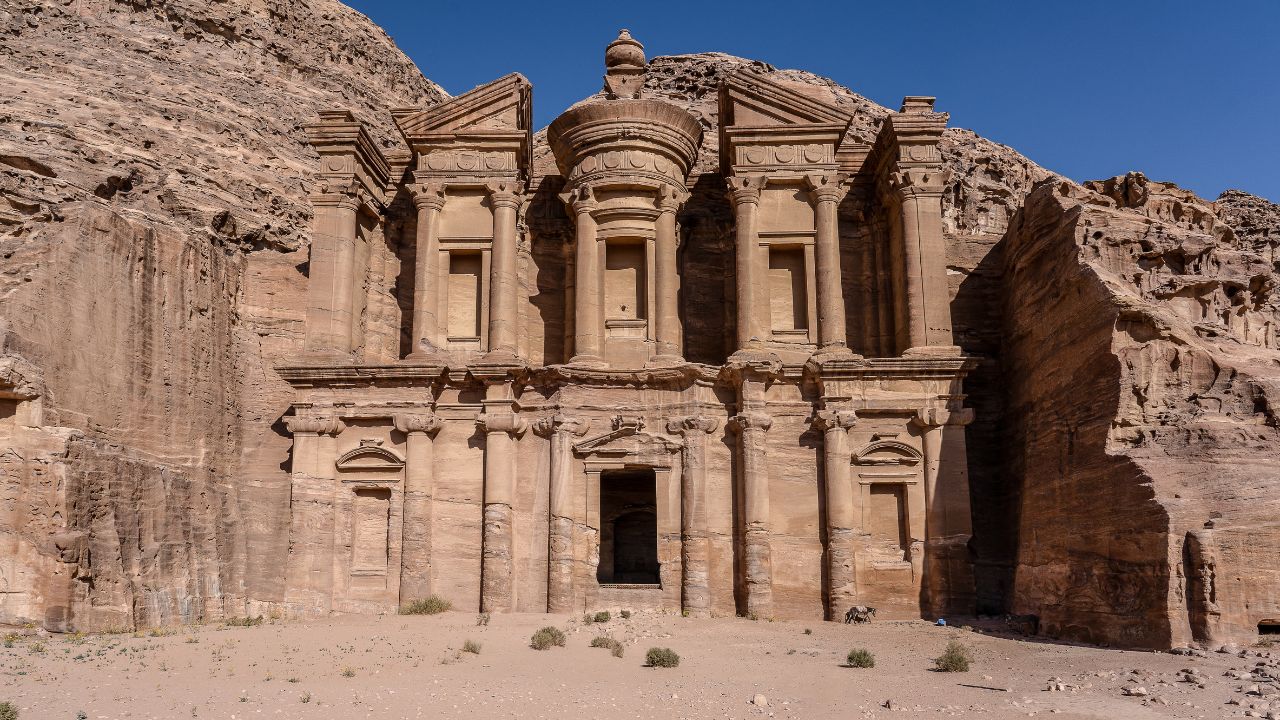
Finding the ancient city of the Nabataeans is a dream for many travelers and history buffs. If you are asking where is petra located, you are likely looking for the exact coordinates of this sandstone wonder. This UNESCO World Heritage site is a massive archaeological treasure that requires a bit of a journey to reach. Understanding the logistics and geography of the area is essential for anyone planning a trip to the Middle East. In this guide, we will explore the specific geographic details, historical background, and practical travel tips to help you find this desert jewel. We will cover everything from the surrounding town of Wadi Musa to the rugged mountain terrain that kept this city hidden from the western world for centuries.
Where is Petra Jordan Located?
When you begin your research on where is petra jordan located, you will find that it sits in the southern part of the Hashemite Kingdom of Jordan. Specifically, it is nestled within the Ma’an Governorate. The site is situated about 240 kilometers south of the capital city, Amman, and roughly 120 kilometers north of the Red Sea port city of Aqaba. It occupies a unique spot between the Dead Sea and the Gulf of Aqaba, surrounded by high mountains and deep canyons.
The immediate gateway to the ruins is a town called Wadi Musa, which translates to the Valley of Moses. Most tourists stay here because the entrance to the archaeological park is right at the edge of the town. Knowing where is petra jordan located helps travelers plan their route across the country. Many choose to drive down the Desert Highway, which is the fastest path from the north. Others prefer the more scenic King Highway, which offers incredible views of the landscape even if it takes a bit longer.
Geographically, the site is carved into the slopes of Mount Hor. The city was built on a terrace that is pierced from east to west by the valley. This location was not chosen by accident. The Nabataeans picked this spot because the natural cliffs provided a formidable defense against invaders. If you are still wondering where is petra jordan located, just look for the rugged sandstone mountains in the southwestern desert of Jordan. It is a place where the desert heat meets cool mountain shadows.
Where is the City of Petra Located in History?
To truly appreciate the site, you have to look at where is the city of petra located in terms of ancient trade. In its prime, this city was the capital of the Nabataean Kingdom starting around the 4th century BC. It was a vital crossroads for caravans carrying incense from Arabia, silks from China, and spices from India. The city was a hub that connected Egypt, Syria, and the Mediterranean.
Because of where is the city of petra located, the inhabitants became incredibly wealthy by taxing the merchants who passed through. They used this wealth to create one of the most advanced water management systems of the ancient world. They built dams, cisterns, and ceramic pipes to capture every drop of rainfall in the arid desert. This allowed a population of up to 30,000 people to thrive in a place where water was scarce.
Historians often discuss where is the city of petra located when explaining why it was finally abandoned. While an earthquake in 363 AD destroyed many buildings, it was actually the shift in trade routes that led to its decline. Once sea routes became more popular for moving goods, the land based caravans stopped visiting. By the 7th century, the city was mostly forgotten by the outside world. It remained a secret kept by local Bedouin tribes until a Swiss explorer found it in 1812.
Where is the Petra Located for Modern Travelers?
If you are looking at a map and wondering where is the petra located in relation to other landmarks, you should know it is quite remote. Most visitors arrive at Queen Alia International Airport in Amman. From there, it is a three hour drive south. If you are coming from the south, you would likely fly into King Hussein International Airport in Aqaba. From there, the drive is much shorter, taking about two hours to reach the site.
When people ask where is the petra located, they are often surprised to learn that you cannot just drive up to the Treasury. You have to leave your vehicle at the visitor center in Wadi Musa and walk through a narrow canyon called the Siq. This gorge is over a kilometer long and features walls that reach up to 80 meters high. This dramatic entrance is part of what makes the experience so memorable. It builds a sense of anticipation as the canyon walls start to reveal the famous carved facades.
Knowing where is the petra located also means understanding the physical demands of the visit. The archaeological site covers over 260 square kilometers. You will be walking on uneven ground, sand, and stone steps all day. It is a rugged environment that requires sturdy shoes and plenty of water. Even though it is a world famous tourist destination, it still feels like a true wilderness once you get past the main monuments.
Key Landmarks Inside the Ancient City
Once you have figured out where is petra located, the next step is deciding what to see. The most famous structure is Al Khazneh, or the Treasury. This is the massive facade you see in all the photos. It was carved directly into the pink sandstone and stands almost 40 meters tall. Despite its name, it was actually a royal tomb for a Nabataean king.
Moving further into the city, you will encounter the Street of Facades, which is lined with smaller tombs and houses. There is also a massive theater that was carved into the rock by the Nabataeans and later expanded by the Romans. It could hold thousands of spectators and is a testament to the engineering skills of the ancient inhabitants.
Another highlight is the Monastery, or Ad Deir. This is located high up in the mountains and requires a climb of over 800 stone steps. It is much larger than the Treasury and offers incredible views over the surrounding desert valleys. Because of where is petra located, you can see all the way to the Wadi Araba desert from the top of the Monastery trail. It is a view that makes the long hike completely worthwhile.
Planning Your Journey to the Rose Red City
Successfully reaching the site depends on your timing. The best months to visit are from March to May or from September to November. During these times, the weather is mild enough for long walks. If you visit in the summer, the heat can be intense, reaching over 40 degrees Celsius. In the winter, it can actually get quite cold, and rain can cause flash floods in the narrow canyons.
Travelers should also consider the Jordan Pass. This is a digital ticket that covers the cost of your visa and entry into over 40 sites, including Petra. It is much cheaper than buying everything separately. Since you already know where is petra located, you can easily add it to a broader itinerary that includes the Dead Sea and the Wadi Rum desert. These sites are all relatively close to each other in the southern half of the country.
When you arrive at the visitor center, you will need to present your passport to buy a ticket. You can choose from a one day, two day, or three day pass. Most people find that two days is the perfect amount of time to see the main sites without feeling rushed. It allows you to explore the hidden trails and smaller tombs that most day trippers miss.
Transportation Options for Reaching Petra
There are several ways to get to the site depending on your budget. Renting a car is a popular choice for those who want flexibility. The roads in Jordan are generally in good condition, and the drive from Amman is straightforward. You just follow the signs for the Desert Highway. Having your own car also allows you to visit Little Petra, which is a smaller site located about 15 minutes away from the main entrance.
For those who do not want to drive, the JETT bus is a reliable option. It leaves Amman early in the morning and returns in the late afternoon. It is an affordable way to reach the site, though it does limit your time there. Private taxis are also available, but you should agree on a price before you start the journey. Most hotels in Amman can help you arrange a private driver for the day.
If you are coming from Israel, there are organized tours that cross the border at Eilat. These are often day trips, which can be very long and tiring. If possible, it is better to spend at least one night in Wadi Musa to fully appreciate the scale of the ruins. Staying overnight also gives you the chance to experience Petra by Night, where the path to the Treasury is lit by thousands of candles.
Historical Significance and Global Recognition
The reason so many people ask where is the city of petra located is because of its immense cultural value. It was named a UNESCO World Heritage site in 1985 and was later voted one of the New Seven Wonders of the World. These titles reflect the city’s unique blend of Eastern traditions and Hellenistic architecture. The way the buildings are integrated into the natural landscape is unlike anything else on earth.
The city also has a strong connection to religious history. The valley is named after Moses, and a nearby spring is said to be the place where he struck a rock to provide water for the Israelites. This makes the area a significant pilgrimage site for many people. The layers of history here are deep, with evidence of human habitation going back thousands of years before the Nabataeans even arrived.
Today, the site is protected by the Jordanian government and international organizations. They work to preserve the soft sandstone from erosion and the impact of millions of visitors. When you visit, you are participating in the ongoing story of a place that was lost and found again. It is a reminder of the power of human ingenuity and the endurance of ancient cultures.
Tips for a Better Visitor Experience
To make the most of your trip, start your day as early as possible. The site opens at 6:00 AM, and arriving early allows you to beat the crowds and the heat. You will have the Treasury almost to yourself for a brief moment, which is a magical experience. It is also a good idea to hire a local guide at the visitor center. They can tell you stories about the Bedouin tribes and the hidden details of the carvings that you might otherwise miss.
Wear comfortable, breathable clothing and a hat to protect yourself from the sun. There is very little shade once you leave the Siq, so sunscreen is a must. You should also carry a reusable water bottle. There are small cafes and shops throughout the site where you can buy snacks and drinks, but they can be expensive. Bringing your own supplies will save you money and keep you hydrated.
Finally, respect the local rules and the environment. Do not climb on the monuments or take pieces of stone as souvenirs. The preservation of the site depends on the behavior of every visitor. If you are offered a ride on a camel, donkey, or horse, be aware of the animal welfare standards. Many travelers prefer to walk to ensure they are not contributing to any negative practices.
Frequently Asked Questions
Is Petra safe to visit?
Yes, Jordan is known for being a very safe and welcoming country for tourists. The government places a high priority on the safety of visitors, especially at major sites like Petra. You will find police checkpoints and tourist police throughout the park.
How much does it cost to enter?
As of late 2025, a one day ticket for international visitors is 50 JOD. If you stay overnight in Jordan, the price is lower than if you are just visiting for the day from another country. The Jordan Pass is often the most cost effective way to pay for entry.
Can you enter the Treasury building?
No, you cannot go inside the Treasury. The facade is the main attraction, and the interior is just a small, empty chamber. This rule is in place to protect the structure from damage.
How much walking is involved?
A lot. Most people walk between 10 and 15 kilometers during a full day visit. If you plan to hike to the Monastery or the High Place of Sacrifice, be prepared for significant elevation changes.
Final Thoughts on Where is Petra Located
Understanding where is petra located is the first step in planning a trip to one of the most incredible places on the planet. Whether you are interested in the engineering marvels of the Nabataeans or the sheer beauty of the rose red cliffs, this site never fails to impress. From the moment you enter the Siq to the final climb up to the Monastery, every step is a journey through time.
The city is more than just a tourist attraction; it is a symbol of Jordan’s rich heritage and a bridge between ancient and modern worlds. By preparing for the physical demands and the logistics of the trip, you can ensure a smooth and rewarding experience. There is a reason this place has captured the imagination of travelers for centuries. Now that you know exactly where is petra located, it is time to start your own adventure in the desert.