

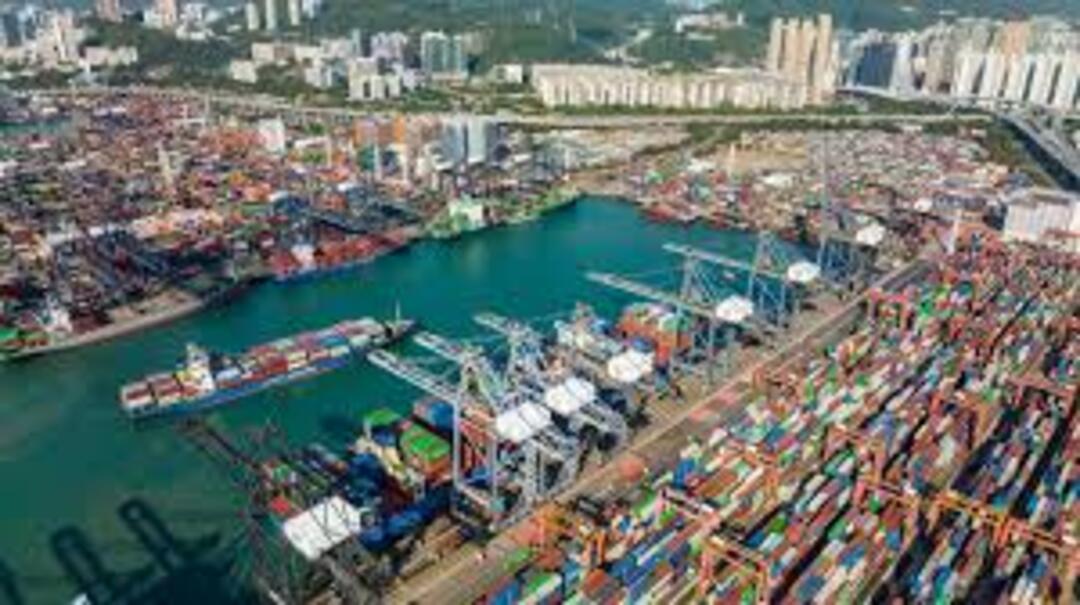
Port congestion has become one of the most significant challenges facing global trade in recent years. As international supply chains grow increasingly complex and interconnected, even minor disruptions at key ports can create ripple effects across continents. From delayed shipments and rising costs to inventory shortages and strained business relationships, congestion at ports is no longer a localised issue. It is a global concern that affects manufacturers, retailers, logistics providers, and consumers alike.
The COVID-19 pandemic, geopolitical tensions, labour shortages, and surging demand for goods have all contributed to unprecedented pressure on port infrastructure. While ports have always experienced fluctuations in activity, the scale and frequency of congestion today highlight deeper systemic issues within global shipping networks. Understanding these challenges and how they impact supply chains is critical for businesses that rely on efficient international trade.
Understanding Port Congestion and Its Causes
Port congestion occurs when cargo accumulates at a port faster than it can be processed and moved onward. This results in vessels waiting offshore, containers piling up in terminals, and delays in cargo handling operations.
Several key factors contribute to port congestion:
- Surging Global Trade Volumes
The growth of e-commerce and globalisation has significantly increased shipping volumes. Ports that were designed decades ago often struggle to keep up with modern demand.
- Labour Shortages and Industrial Action
Ports rely heavily on skilled labour. Workforce shortages or strikes can slow operations dramatically, causing backlogs that take weeks to clear.
- Infrastructure Limitations
Many ports lack the capacity, equipment, or storage space needed to handle large volumes efficiently. Limited rail and road connectivity can further bottleneck cargo movement.
- Vessel Size Increases
Modern container ships carry significantly more cargo than older vessels. While this improves efficiency at sea, it places immense pressure on port infrastructure during unloading.
- External Disruptions
Events such as extreme weather, geopolitical conflicts, or pandemics can disrupt port operations and create cascading delays across global networks.
According to insights from the UNCTAD transport and trade logistics research, structural inefficiencies in port operations remain a key barrier to smooth global trade flows, particularly in developing regions.
How Port Congestion Disrupts International Supply Chains
When ports become congested, the effects extend far beyond the immediate vicinity. International supply chains depend on precise timing and coordination, and congestion disrupts this balance.
Delayed Shipments
Ships waiting to berth can experience delays ranging from days to weeks. This disrupts delivery schedules and creates uncertainty for businesses relying on just-in-time inventory systems.
Inventory Shortages
Retailers and manufacturers may face stock shortages when goods are delayed at ports. This can lead to lost sales, production stoppages, and dissatisfied customers.
Increased Lead Times
Congestion forces companies to extend lead times and adjust planning strategies. This reduces agility and makes it harder to respond to changing market conditions.
Supply Chain Bottlenecks
When one port experiences congestion, it can create a domino effect. Ships reroute to alternative ports, which then become overwhelmed, spreading disruption across regions.
Reduced Reliability
Perhaps the most significant impact is the loss of reliability in shipping schedules. Businesses can no longer depend on predictable transit times, which complicates logistics planning.
For businesses exploring ways to adapt, resources like shipping solutions for new and growing businesses provide practical guidance on building more resilient logistics strategies.
Economic Impacts of Delayed Cargo
Port congestion has direct and indirect economic consequences that affect businesses, industries, and entire economies.
Rising Shipping Costs
Delays increase operational costs for shipping companies, including fuel consumption, crew wages, and port fees. These costs are often passed on to customers through higher freight rates.
Increased Inventory Holding Costs
Businesses may need to hold additional stock to buffer against delays. This ties up capital and increases warehousing expenses.
Production Disruptions
Manufacturers relying on imported components may face production delays if shipments do not arrive on time. This can lead to missed deadlines and reduced output.
Inflationary Pressure
When supply chains are disrupted, the cost of goods often rises. Consumers ultimately bear the burden through higher prices.
Contractual Penalties
Delayed deliveries can result in penalties or strained relationships between suppliers and customers, particularly in industries with strict timelines.
The World Bank Port Reform Toolkit highlights how inefficiencies in port operations can significantly increase trade costs and reduce economic competitiveness, particularly for export-driven economies.
Technological Solutions to Mitigate Port Congestion
Technology is playing an increasingly important role in addressing port congestion and improving supply chain efficiency.
Port Automation
Automated cranes, guided vehicles, and robotics can significantly increase the speed and accuracy of cargo handling. This reduces turnaround times and improves throughput.
Real-Time Data and Analytics
Advanced data systems allow ports and shipping companies to monitor congestion levels, predict delays, and optimise operations. Real-time visibility helps stakeholders make informed decisions.
Digital Port Community Systems
These platforms connect all stakeholders in the supply chain, including shipping lines, terminal operators, customs authorities, and transport providers. Improved communication reduces inefficiencies and delays.
Artificial Intelligence and Predictive Modelling
AI can forecast congestion patterns and recommend optimal routing strategies. This allows shipping companies to avoid heavily congested ports.
Smart Navigation and Routing Tools
Modern navigation systems help vessels adjust routes based on real-time conditions. Regular updates are essential for accuracy, as highlighted in the importance of regular updates in marine navigation apps, which explains how up-to-date data enhances maritime safety and efficiency.
Strategies for Shipping Companies to Navigate Congested Ports
While technological advancements are helping, shipping companies must also adopt proactive strategies to manage congestion risks.
Diversifying Port Options
Relying on a single port increases vulnerability. Companies should consider alternative ports to spread risk and maintain flexibility.
Building Buffer Time into Schedules
Adding contingency time to shipping schedules can help absorb delays without severely impacting downstream operations.
Strengthening Supply Chain Partnerships
Close collaboration with port authorities, logistics providers, and customers improves communication and enables faster problem-solving.
Investing in Visibility Tools
End-to-end tracking systems provide real-time insights into cargo movement, helping companies respond quickly to disruptions.
Adopting Flexible Inventory Strategies
Holding strategic inventory reserves can reduce the impact of delayed shipments and maintain business continuity.
Scenario Planning and Risk Management
Companies should regularly assess potential disruption scenarios and develop contingency plans to minimise impact.
Conclusion
Port congestion is a complex and evolving challenge that continues to shape the global shipping landscape. As trade volumes increase and supply chains become more interconnected, the risks associated with congestion are likely to persist.
However, with the right combination of technology, strategic planning, and collaboration, businesses can mitigate these challenges and build more resilient supply chains. Investing in digital tools, diversifying logistics networks, and maintaining flexibility are no longer optional. They are essential for navigating the uncertainties of modern global trade.
Ultimately, addressing port congestion requires a coordinated effort across the entire supply chain ecosystem. Governments, port authorities, shipping companies, and businesses must work together to improve infrastructure, streamline operations, and embrace innovation. Those who adapt effectively will be better positioned to thrive in an increasingly dynamic global market.
Frequently Asked Questions
How does port congestion affect international supply chains?
Port congestion disrupts supply chains by delaying shipments, increasing costs, and reducing reliability. It can lead to inventory shortages, production delays, and higher prices for consumers.
How can technology help reduce port congestion?
Technology improves efficiency through automation, real-time data tracking, predictive analytics, and digital communication platforms. These tools help optimise operations and reduce delays.
Which ports are most affected by congestion globally?
Major global trade hubs such as Los Angeles, Long Beach, Shanghai, Singapore, and Rotterdam frequently experience congestion due to high cargo volumes and strategic importance in international shipping networks.