

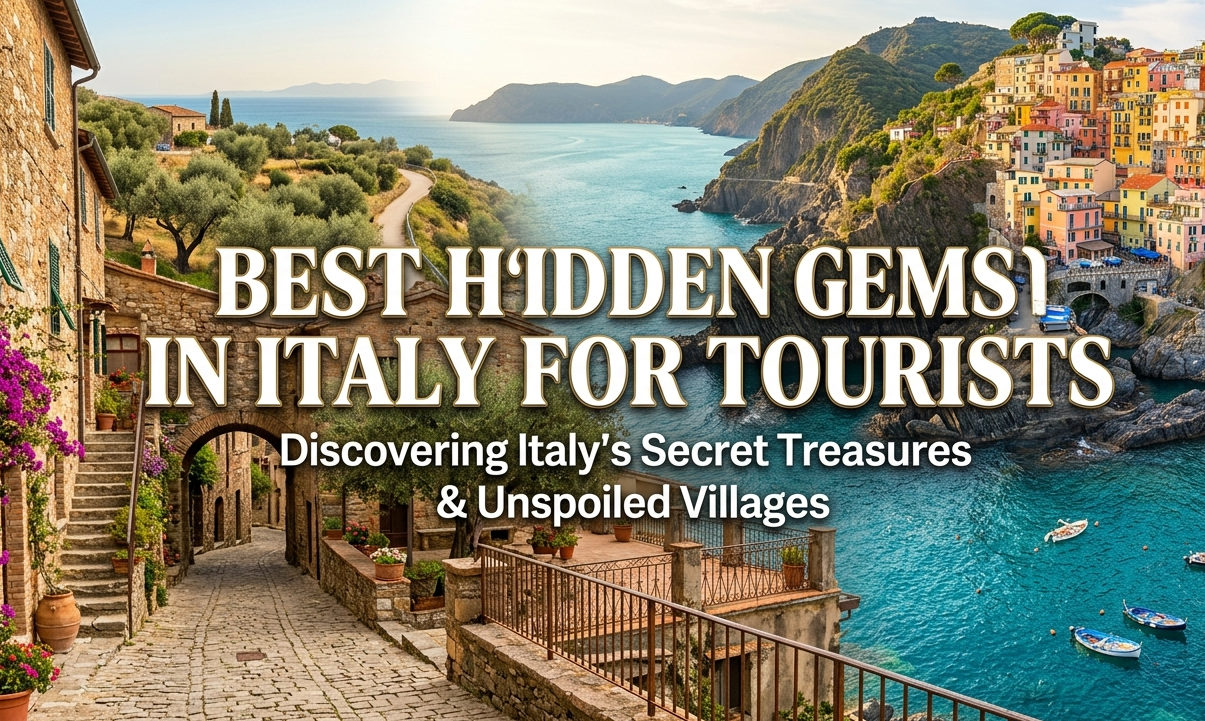
Introduction to Italy’s Hidden Gems
Italy is a country renowned for its art, architecture, history, and exquisite cuisine. While popular destinations like Rome, Venice, and Florence attract millions of tourists each year, the allure of exploring Italy’s hidden gems can provide a more intimate and authentic experience of the Italian lifestyle. These lesser-known locations often showcase the country’s rich cultural heritage and breathtaking natural beauty, far away from the bustling crowds that characterize the main tourist traps.
The concept of hidden gems in Italy extends beyond merely avoiding tourist hotspots. It involves discovering charming villages, stunning landscapes, and unique historic sites that may not appear in traditional travel guides. Visitors are often delighted to find that these secret spots are steeped in local folklore and history, offering insights into Italy’s diverse regional identities.
From picturesque coastal towns to serene mountain villages, the hidden gems of Italy stand out for their distinctive character and warmth. These destinations frequently feature authentic regional cuisines, time-honored customs, and unspoiled natural environments, all of which contribute to their unique appeal. The chance to interact with locals and engage in cultural experiences further enriches one’s journey through these off-the-beaten-path locations.
As travelers increasingly seek unique and enriching experiences, the hidden gems of Italy offer a contrasting perspective to the typical tourist experience. By venturing into these lesser-known areas, individuals not only enjoy extraordinary landscapes and rich gastronomy but also play a role in promoting sustainable tourism by supporting local economies. Exploring these treasures is an invitation to delve deeper into the heart and soul of Italy, discovering its essence beyond the well-trodden roads.
Exploring Matera: The City of Stone
Matera, a captivating city located in the Basilicata region of Italy, is renowned for its ancient cave dwellings, known as the sassi. This UNESCO World Heritage site has a long history, tracing back to the Paleolithic period, making it one of the world’s oldest continuously inhabited cities. The sassi of Matera, carved into limestone cliffs, exhibit a unique architectural style that harmoniously integrates natural and man-made elements, offering visitors a glimpse into the past while revealing the evolution of human settlement.
The historic center of Matera comprises narrow winding streets and fascinating stone structures, providing an unparalleled atmosphere that draws tourists seeking authenticity. As you traverse through these ancient neighborhoods, you will encounter cave churches adorned with striking frescoes and rock-hewn homes, dramatically perched against the rugged hillside. The architecture not only showcases remarkable craftsmanship but also reflects the local culture and history, epitomizing the resilience and adaptability of its inhabitants through centuries of challenges.
At present, Matera is gaining recognition as a compelling destination for travelers. Its stunning landscapes, coupled with the unique ambiance of the sassi, make it an ideal spot for photographers and history enthusiasts alike. Festivals, locally crafted cuisine, and vibrant markets further enhance the visitor experience, presenting opportunities to engage with the local community and traditions. With every corner revealing a story and every vista offering breathtaking views, exploring Matera promises an enriching journey into Italy’s hidden gems.
In conclusion, Matera stands out not only for its historical significance but also for its architectural marvels and striking natural beauty. Visitors to this remarkable city will find a destination that transcends time, inviting them to explore a world steeped in history, culture, and authenticity.
The Enchanting Village of Civita di Bagnoregio
Civita di Bagnoregio, often referred to as “the dying town,” is a beautiful hilltop village that captivates visitors with its breathtaking views and rich historical significance. Nestled in the Italian region of Lazio, this medieval marvel is perched on a hill made of tuff, a type of volcanic rock, which contributes to its striking appearance. The village is famous for its precarious position atop a hill, creating a picturesque setting that has earned it recognition as one of Italy’s hidden gems.
Access to Civita di Bagnoregio is unique, as the village is only reachable via a long footbridge, which adds an element of exclusivity and adventure to the visit. Once visitors traverse the bridge, they are greeted by ancient stone pathways lined with charming shops, homes, and historical landmarks that exude an undeniable sense of tranquility. The absence of motorized vehicles within the village enhances this serene atmosphere, allowing tourists to fully immerse themselves in the site’s beauty.
The charm of Civita di Bagnoregio is further amplified by its stunning medieval architecture. From the impressive San Donato Church to the array of weathered stone houses, every corner of this village reflects its rich heritage. Visitors can stroll through the narrow streets, absorbing the sights and sounds of this enchanting settlement. The village’s captivating landscape, with rolling hills and lush greenery all around, also provides ample opportunities for photography or simply enjoying the scenery.
Civita di Bagnoregio’s historical significance dates back to Etruscan times, and it has been a focal point of cultural exchange throughout the centuries. Today, it serves as a reminder of Italy’s storied past, attracting tourists who seek a peaceful escape from the hustle and bustle of modern life. Those who venture to this enchanting village are often left with lasting memories and a newfound appreciation for Italy’s hidden treasures.
Visiting Procida: Italy’s Colorful Island Jewel
Procida, a lesser-known but breathtaking island in the Bay of Naples, embodies the quintessential charm of Italy’s coastal retreats. Unlike its more famous neighbors, such as Capri and Ischia, Procida offers a serene escape characterized by its vibrant, multicolored houses and a pace of life that allows visitors to savour each moment without the hustle and bustle often associated with popular tourist destinations.
The island is adorned with picturesque streets where pastel-colored buildings sit side by side, creating an enchanting backdrop for leisurely strolls. Procida’s local traditions are deeply rooted in its maritime culture, with fishing still playing a vital role in the island’s economy and day-to-day life. This connection to the sea is evident in the numerous seafood dishes served in local eateries, showcasing fresh catches that highlight the island’s culinary heritage.
One cannot visit Procida without indulging in its culinary delights. The island is renowned for its traditional dish, “linguine alla Procidana,” a flavorful pasta prepared with fresh seafood and local herbs. Dining here is not just about the food; it is an experience enhanced by the hospitality of the local residents, who take pride in their heritage and love to share their stories with visitors.
Moreover, Procida’s slower pace allows tourists to unwind. As people immerse themselves in the island’s culture, they can partake in local festivities or simply enjoy the tranquil beaches, such as Chiaia and Pozzo Vecchio, where the soft sound of waves creates a soothing atmosphere. Whether you are exploring its colorful streets or relaxing by the sea, Procida offers a unique opportunity to experience Italy from a different perspective, making it a remarkable hidden gem for those ready to explore beyond the typical itineraries.
Exploring the Coast of Cilento
The Cilento Coast, located in the Campania region of Southern Italy, offers breathtaking views, pristine beaches, and a rich cultural experience that often goes unnoticed in favor of the more famous Amalfi Coast. This hidden gem is characterized by its charming coastal towns, hidden coves, and crystal-clear waters, making it a prime destination for those looking to experience a quieter, yet equally beautiful, Italian coastline.
One of the key attractions of the Cilento Coast is its numerous outdoor activities. The region is home to the Cilento and Vallo di Diano National Park, a UNESCO World Heritage site, which boasts a variety of hiking trails that offer stunning vistas of the coastline and surrounding inland hills. From leisurely strolls along the beach to strenuous hikes on rugged terrains, there are options for all skill levels. Hiking enthusiasts can explore trails that wind through steep cliffs, ancient ruins, and lush olive groves, all while enjoying the spectacular scenery.
Another highlight of this region is its culinary offerings. Local cuisine emphasizes fresh, organic ingredients that reflect the agricultural heritage of the area. Visitors can indulge in seafood delicacies, homemade pasta, and traditional dishes such as “Cilento’s bean soup” or “mozzarella di bufala,” which is a cheese made from the milk of water buffaloes that graze in the surrounding pastures. The connection to local farms and artisanal production methods enhances the experience of dining here, providing a taste that is both authentic and reflective of the Cilento’s traditions.
In addition to natural beauty and gastronomy, the cultural heritage of the Cilento Coast is worth exploring. Historic towns such as Castellabate and Agropoli offer a glimpse into the region’s past, with their medieval architecture, narrow streets, and ancient castles, set against a stunning coastal backdrop. Engaging with the local community can provide deeper insights into the customs and traditions that define this beautiful area, making it a perfect destination for travelers seeking both relaxation and a cultural experience.
The Charming Town of Ortigia
Ortigia, the historical heart of Syracuse, is a fascinating blend of ancient history and vibrant modern culture, making it a must-visit destination for tourists exploring Italy’s hidden gems. This small island, connected to the city of Syracuse by a bridge, boasts an array of stunning baroque architecture that narrates the stories of its rich past. Among the most notable sites are the stunning Cathedral of Syracuse, built atop a Greek temple, and the Palazzo Vermexio, which showcases the grandeur of 18th-century Sicilian architecture.
The charm of Ortigia extends beyond its visual appeal; it thrives with life through its bustling markets. The vibrant Ortigia Market, established in the 19th century, is the perfect opportunity for visitors to immerse themselves in local culture. Here, one can find an array of fresh produce, local cheeses, olives, and traditional Sicilian treats. The market is not just a place to shop; it serves as a social hub where locals gather, offering tourists a glimpse into everyday life in this remarkable town.
One of the distinct characteristics of Ortigia is its ability to blend ancient and modern cultures seamlessly. Visitors are often enchanted by the vibrant street life, dotted with trendy cafés and artisanal boutiques. Strolling through the narrow, winding streets, one can admire intricate carvings and architectural details that speak to Ortigia’s storied history while also encountering contemporary art installations. This dynamic atmosphere makes it an excellent spot for those looking to experience both the past and present of Italian culture.
Must-visit sites on the island include the Fountain of Arethusa, a natural spring surrounded by lush greenery, and the beautiful Maniace Castle, which offers breathtaking views of the sea and a sense of the island’s defensive history. Thus, Ortigia stands as not only a historical treasure but also a lively community, ensuring that visitors leave with a deep appreciation for this captivating gem of Italy.
Bologna’s Culinary Delights
Bologna, the capital of Italy’s Emilia-Romagna region, stands out as a hidden gem for food lovers seeking an authentic culinary experience. Renowned for its rich gastronomic heritage, this charming city offers a unique opportunity to indulge in traditional Italian cuisine that delights the palate.
The heart of Bologna’s culinary scene lies in its iconic dishes, among which ragù alla Bolognese holds a prominent place. This savory meat sauce, which is traditionally served with tagliatelle pasta, is made using a variety of ingredients, including ground beef, pancetta, and a mix of vegetables. It exemplifies the layered flavors that are characteristic of the region’s cooking style. Another local favorite is lasagna alla Bolognese, a hearty dish that showcases the city’s dedication to creating comforting and satisfying meals.
For those intrigued by the art of Italian cooking, Bologna offers a plethora of cooking classes where visitors can learn how to prepare these famed dishes themselves. Many culinary schools and local chefs welcome tourists with open arms, guiding them through the process of making pasta from scratch or preparing traditional sauces, ensuring that participants leave with not only a fuller stomach but also newfound skills.
Exploring Bologna’s vibrant food markets, particularly Mercato di Mezzo and Quadrilatero, presents an immersive experience into the city’s culinary culture. Here, visitors can sample local delicacies, purchase artisanal products, and engage with passionate vendors who take pride in sharing their knowledge of regional ingredients.
Overall, Bologna’s culinary offerings, rooted in tradition and enhanced by passionate chefs, make it a must-visit destination for food enthusiasts and culinary travelers aiming to savor the true essence of Italian cuisine.
Discovering the Tranquility of Val d’Orcia
Val d’Orcia, a UNESCO World Heritage site, is a region that encapsulates the essence of Tuscany’s beauty, characterized by its sweeping landscapes, gentle rolling hills, and picturesque vineyards. Nestled in the Italian countryside, this area offers visitors a sense of peace and tranquility that is hard to find elsewhere. The stunning vistas unfold like a painting, with the soft green of the hills interspersed with the golden hues of ripening wheat, making it an ideal destination for nature lovers and those seeking a serene escape.
The charm of Val d’Orcia is also evident in its quaint villages, the most notable being Pienza and Montalcino. Pienza, often referred to as the “ideal city of the Renaissance,” boasts harmonious architecture and a rich cultural heritage. The town’s narrow streets are lined with local artisan shops and cafes, making it a perfect stop for tourists to sample the region’s renowned Pecorino cheese. Montalcino, on the other hand, is celebrated for its Brunello wine, inviting visitors to savor exquisite wine-tasting experiences in its many wineries situated among the scenic vineyards.
Exploring Val d’Orcia allows tourists to engage with the local culture through activities such as biking along the scenic paths, hiking the rolling hills, or simply enjoying leisurely drives through the breathtaking landscape. Each bend in the road reveals another stunning vista or historical landmark, encouraging travelers to revel in the tranquility and beauty that this region has to offer. With its blend of natural beauty and cultural richness, Val d’Orcia stands out as one of Italy’s best-kept secrets, promising an unforgettable travel experience for those who venture into its embrace.
Conclusion: Embracing the Unseen Italy
As we conclude our exploration of Italy’s hidden gems, it is essential to reflect on the unique experiences that these lesser-known destinations can offer to tourists. While cities like Rome, Florence, and Venice possess timeless beauty, the charm of clandestine locales such as Civita di Bagnoregio, Matera, and the enchanting villages of the Cinque Terre unfold stories that are equally captivating, yet often overlooked.
Travelers have the opportunity to immerse themselves in the rich tapestry of Italian culture by venturing outside of the conventional tourist paths. The secluded hills of Umbria present breathtaking landscapes coupled with authentic culinary delights, while the coastal villages of Puglia offer tranquil retreats and pristine beaches away from the bustling crowds. Each hidden gem possesses its individual character that contributes to the broader narrative of Italy’s historical and artistic heritage.
Moreover, engaging with local communities in these smaller towns allows visitors to forge deeper connections and gain insights into the daily lives of Italians. This kind of tourism encourages sustainable travel practices that not only benefit the economy of these areas but also foster a more enriching experience for the traveler. By discovering places that are off the beaten track, one can uncover the true essence of Italy—a blend of tradition, hospitality, and breathtaking scenery.
In light of this, we encourage adventurers and wanderers alike to embrace the unseen Italy. To truly appreciate the allure of this enchanting country, one must look beyond its iconic sites and continue the journey of exploration into its hidden treasures. The allure of Italy lies not only in its famous landmarks but also in those remarkable places waiting to be discovered, enhancing the overall experience of a trip to this beautiful nation.