

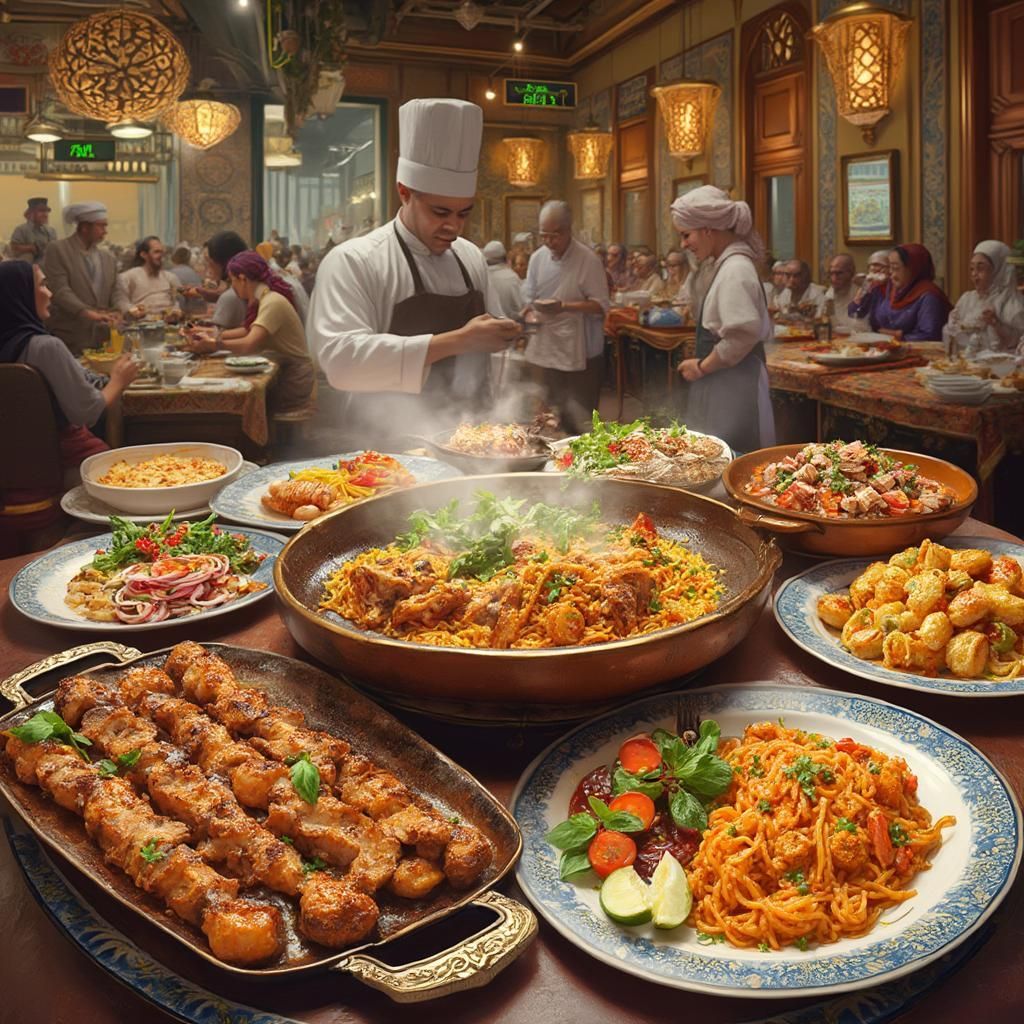
Introduction to Halal Cuisine
Halal cuisine refers to food that is permissible for consumption according to Islamic law. The term “halal” is derived from Arabic, meaning “lawful” or “permissible,” and it is a guiding principle for Muslims in making dietary choices. Understanding halal is essential for anyone engaging with Muslim cultures, as it plays a significant role in their everyday lives and communal practices. Halal dietary laws are primarily based on the Quran, the holy book of Islam, and the teachings of the Prophet Muhammad, establishing a comprehensive framework for what food is acceptable.
Central to halal cuisine is the adherence to several dietary regulations. For instance, the consumption of pork and its by-products is strictly forbidden, as is alcohol. Additionally, animals must be slaughtered in a specific manner that ensures humane treatment, often referred to as “Zabiha”. This method also includes reciting the name of Allah at the time of slaughter, reinforcing the spiritual aspect of halal eating. These principles not only reflect adherence to religious obligations but also promote ethical considerations in sourcing and preparing food.
Moreover, halal certification has become increasingly significant in various countries, allowing both Muslim and non-Muslim consumers to easily identify halal food options. Food producers and retailers often seek halal certification to meet the demands of the growing Muslim population worldwide. This process involves inspections and approvals by relevant authorities, ensuring compliance with halal standards. As global awareness of diverse dietary practices increases, halal cuisine is becoming integrated into mainstream dining, presenting an opportunity for cultural exchange and understanding.
Top Destinations for Halal Food Lovers
For halal food enthusiasts, the world offers a plethora of destinations where culinary delights meet cultural diversity. Each city showcases its unique approach to halal cuisine, rooted in local traditions and flavors. Here are some of the standout locations celebrated for their impressive halal dining options.
First on the list is Kuala Lumpur, Malaysia. This vibrant city is known for its fusion of traditional Malay, Indian, and Chinese cuisines. The bustling street food scene presents a myriad of halal options, from nasi lemak to satay, sure to satisfy any palate. Notable halal restaurants like Bijan serve exquisite Malaysian dishes in a fine dining setting, while the lively Jalan Alor night market offers an array of street food delights.
Moving to the Middle East, Istanbul, Turkey, is a must-visit for halal food lovers. Rich in history and culture, Istanbul presents a culinary landscape influenced by its Ottoman past. Visitors can enjoy specialties such as kebabs, mezes, and baklava at renowned halal establishments like Hamdi Restaurant, famous for its views of the Bosphorus. The city’s rich culinary heritage, coupled with its vibrant food markets, makes it a haven for halal dining.
In Europe, London stands out as a multicultural hub with a thriving halal food scene. The city hosts an extensive range of halal-certified eateries, from gourmet burgers at Patty & Bun to traditional Indian dishes at Dishoom. The diversity of London’s population contributes to a delightful fusion of flavors and culinary experiences that cater to the halal diet.
Lastly, cities such as Dubai and Singapore equally deserve mention. Dubai offers a luxurious dining experience with a variety of high-end restaurants, while Singapore combines Asian flavors and traditional dishes that cater to halal requirements, making it a commendable destination for travelers.
Street Food: Halal Delights to Try
Street food is an integral part of many cultures around the globe, offering an authentic taste of local life and culinary traditions. For those adhering to halal diets, the world of street food presents a plethora of delightful options. As you travel, exploring these vibrant dishes can enhance your cultural experience while ensuring dietary restrictions are honored.
In the bustling alleys of Istanbul, Turkey, the iconic kebabs take center stage. Vendors grill marinated meat skewers over an open flame, served with fresh vegetables and warm pita. The kebab’s spices and charred aroma create an irresistible allure, making it a must-try for any street food lover. For travelers, finding these stalls is often as simple as following the delicious scents wafting through the market streets.
Meanwhile, in the vibrant streets of Bangkok, Thailand, Moo Pad Krapow—stir-fried minced pork with basil—is a popular choice that can easily be made halal. Many street vendors offer this dish using chicken or beef, ensuring that it meets halal dietary requirements. Enjoy this richly flavored dish served with a side of jasmine rice and a fried egg on top, complementing a day filled with excitement.
Moving on to Morocco, tagine stands serve up a variety of slow-cooked stews, usually featuring chicken or lamb combined with an array of vegetables, fruits, and spices. This dish exemplifies the traditional Moroccan approach to slow cooking and rich flavors, making it a must-try delicacy. The streets of Marrakech are abuzz with vendors offering fresh tagine, providing an authentic taste of Moroccan cuisine.
Always seek out local recommendations and food markets when exploring street food. Engaging with street vendors can also yield fascinating stories about the foods they prepare, adding to the overall cultural richness of your food journey. As you embark on your global adventure, embracing the halal flavors offered by street food can truly elevate your experience, allowing you to indulge in diverse culinary traditions while respecting your dietary choices.
Fine Dining: High-End Halal Restaurants
In recent years, the demand for upscale dining options that accommodate halal dietary restrictions has significantly increased, leading to an emergence of fine halal dining establishments in major cities worldwide. These restaurants not only provide exquisite culinary experiences but also ensure that every dish adheres to the halal guidelines, giving diners an assured and enhanced dining experience.
One exemplary fine dining option can be found in London: Amaya. Known for its innovative Indian cuisine, Amaya offers a sophisticated yet inviting atmosphere. The restaurant is helmed by celebrated chef Vivek Singh, who has mastered the art of blending traditional flavors with contemporary presentation. Guests can indulge in dishes marinated in spices and cooked in a charcoal tandoor, all while maintaining the halal integrity of the menu.
Over in Dubai, Al Hadheerah provides a unique dining experience amidst a recreated desert ambiance. This restaurant specializes in authentic Middle Eastern cuisine and offers an open-air setting, complete with live music and dance performances. The focus here is on traditional cooking techniques, ensuring that each dish reflects the rich heritage of the region while meeting halal standards.
In New York City, Ilili stands out as a fine dining Lebanese restaurant that married elegant decor with an innovative menu. Known for its artisanal take on classic dishes, Chef Jamil Zaki crafts meals using fresh, locally-sourced ingredients while ensuring all offerings are halal. From its signature lamb chops to the extensive wine selection, Ilili embodies a luxurious yet culturally authentic dining experience.
Travelers seeking fine halal dining options now have a plethora of choices that cater to diverse palates, ensuring that high-end culinary experiences can be enjoyed without compromising dietary laws. The commitment of these restaurants to providing quality halal cuisine is an integral part of the global dining landscape that enhances the overall enjoyment of international travel.
Tips for Finding Halal Food While Traveling
When traveling, particularly in regions where halal food is less prominent, finding suitable dining options can become a challenge. However, by utilizing a variety of resources and strategies, travelers can simplify the task of locating halal food while exploring new destinations.
One effective approach is to leverage technology. There are numerous mobile applications designed specifically to help users find halal restaurants worldwide. Apps such as HalalTrip, Zabihah, and HappyCow provide comprehensive listings, user reviews, and ratings, making it easier to choose establishments that meet dietary requirements. Before setting out on your travels, download a couple of these apps to ensure you have access to information at your fingertips.
In addition to apps, online resources and websites like HalalGuide can be beneficial. They offer lists of halal eateries categorized by location, often featuring photos, menus, and contact details. Engaging with local halal food blogs or social media groups can also yield helpful recommendations and insights from local food enthusiasts who share your dietary preferences.
Communication is equally crucial when dining in restaurants. When unsure if a dish is halal, do not hesitate to ask the staff about the ingredients or preparation methods. Learning key phrases related to halal food in the local language can enhance your dining experience and facilitate communication. Phrases such as “Is this halal?” or “Does this contain pork/alcohol?” can be particularly useful.
Finally, joining online communities can provide real-time assistance from fellow travelers. Participating in forums or social media groups dedicated to halal eating can provide invaluable tips and updates about halal options in various destinations. By combining these methods, travelers can navigate through different cultures while ensuring they maintain their halal dietary practices with ease.
Halal Food Festivals and Events
Halal food festivals and events have gained immense popularity in recent years, reflecting the growing demand for halal cuisine across the globe. These festivals span diverse cultures and locations, offering a unique opportunity for food enthusiasts to explore the richness of halal culinary traditions. From vibrant street fairs to competitive culinary showcases, these events celebrate the gastronomic delights available to Muslim communities and beyond.
One of the most notable events is the Halal Food Festival held annually in London, which attracts thousands of visitors from various backgrounds. This festival not only highlights an array of halal dishes but also features cooking demonstrations and workshops led by renowned chefs. Local vendors present an impressive lineup of halal-friendly food vendors, making it an ideal destination for those seeking to enjoy sumptuous meals prepared in adherence to halal guidelines.
Another prominent event is the Halal Expo in different countries, such as the United States and UAE. These exhibitions gather industry leaders, manufacturers, and restaurant owners to promote halal products and discuss the pivotal role of halal food within global trade. Attendees often benefit from networking opportunities, informative talks, and interactive sessions that enhance their understanding of halal standards and their significance in today’s culinary landscape.
In addition to these large-scale festivals, many cities host smaller local events throughout the year, fostering community engagement and appreciation for halal foods. These events often showcase the ethnic diversity and culinary innovation present in the halal sector, enabling local chefs and food vendors to connect with their audience. Overall, halal food festivals provide not only a platform for enjoying delicious meals but also an educational experience about halal culture, drawing in attendees from all walks of life.
The Rise of Vegan and Vegetarian Halal Options
In recent years, there has been a significant surge in the popularity of vegan and vegetarian diets worldwide, which has also influenced the halal food sector. As consumers become more health-conscious and environmentally aware, the demand for plant-based halal options has arisen. This trend is not just about dietary preferences; it represents a broader shift towards sustainable eating practices.
Many restaurants and food establishments are now incorporating vegan and vegetarian dishes into their menus, catering to both the Muslim community and non-Muslim individuals who seek cruelty-free and plant-based meals. This adaptation is especially notable in urban areas with diverse populations, where inclusivity in dining is critical. Culinary entrepreneurs are rising to the occasion, creating innovative dishes that comply with halal standards while also being entirely plant-based.
Notable dishes such as vegan kebabs made from lentils, chickpeas, or mushrooms, and hearty vegetable biryanis that encapsulate the essence of traditional cuisine without the use of animal products are gaining traction. Vegan versions of classic halal dishes such as kofta and tabbouleh are also becoming staples in many establishments. Furthermore, eateries dedicated purely to vegan and vegetarian halal food are emerging, providing diners with a multitude of options free from meat and animal byproducts.
Some restaurants have taken a step further, showcasing the versatility of plant-based ingredients and redesigning traditional recipes. These establishments not only serve delicious meals but also aim to educate customers about the benefits of a plant-based lifestyle. As this culinary movement continues to grow, it is clear that vegan and vegetarian halal offerings are no longer an afterthought but rather an integral part of the global halal food landscape.
Cultural Influences on Halal Food Practices
Halal food practices are not solely governed by religious doctrine; they are significantly shaped by cultural influences that vary across regions. Different communities have adapted halal dietary laws to their unique eating habits, local ingredients, and culinary traditions. This results in an impressive diversity of halal food practices worldwide, which reflect not just the spirituality behind the food, but also the local heritage of the people who consume it.
For instance, in South Asia, particularly in countries like India and Pakistan, traditional dishes such as biryani and kebabs have been adapted to fit halal requirements, showcasing rich spices and cooking techniques native to the region. The historical trade routes and cultural exchanges in this part of the world have influenced the flavor profiles, further enrichening the halal palette. Similarly, in the Middle East, dishes such as shawarma and falafel are staples that exemplify halal food practices blended with regional influences, using local herbs and techniques that have been passed down through generations.
In contrast, halal cuisine in Southeast Asia, especially in countries like Malaysia and Indonesia, reveals its own distinct characteristics. Here, rice is a foundational element, often accompanied by a variety of dishes featuring seafood and meats prepared in accordance with Islamic dietary laws. These variations showcase how the cultural context determines not just the preparation but also the social aspects of dining, emphasizing communal meals and shared experiences among families and friends.
Through these examples, it is evident that halal food practices are a reflection of cultural identities, shaped through generations of culinary art. This global journey into halal food illustrates not only the religious adherence but also a deep connection to the cultures from which they arise, making halal cuisine a vibrant expression of diversity.
Conclusion: Embracing Global Halal Cuisine
Exploring halal food around the world offers a unique insight into the diverse culinary traditions that define various cultures. From the rich spices of Middle Eastern dishes to the intricate flavors found in South Asian cuisine, halal food reflects the historical and social contexts of the regions where it originates. Travelers venturing into new territories are presented with the opportunity not only to satisfy their palates but also to engage with local customs, forging connections that transcend language and geography.
The journey through halal cuisine is a celebration of inclusivity, showcasing food as a universal language. As one delves into the different halal options available globally, whether it’s tasting savory kebabs in Istanbul, aromatic biryanis in Delhi, or fresh sushi in Tokyo, the experience becomes a mosaic of flavors and experiences that resonate with a wide array of dietary preferences. Halal food resonates with a commitment to ethical sourcing and preparation, aligning with the values of many travelers today.
Moreover, embracing global halal cuisine allows travelers to appreciate the shared values within different communities. Culinary experiences can serve as a bridge, connecting individuals from diverse backgrounds and fostering understanding and respect through the shared love of food. As a result, halal food not only nourishes the body but also enriches the heart and mind, unveiling stories of migration, heritage, and community resilience.
In conclusion, the global journey of halal food is an invitation to celebrate diversity and cultivate a greater appreciation for various cultures. By trying different halal foods around the world, travelers can create lasting memories and strengthen the connection to their surroundings, thereby underscoring the transformative power of food in bringing people together across cultures.