

Introduction
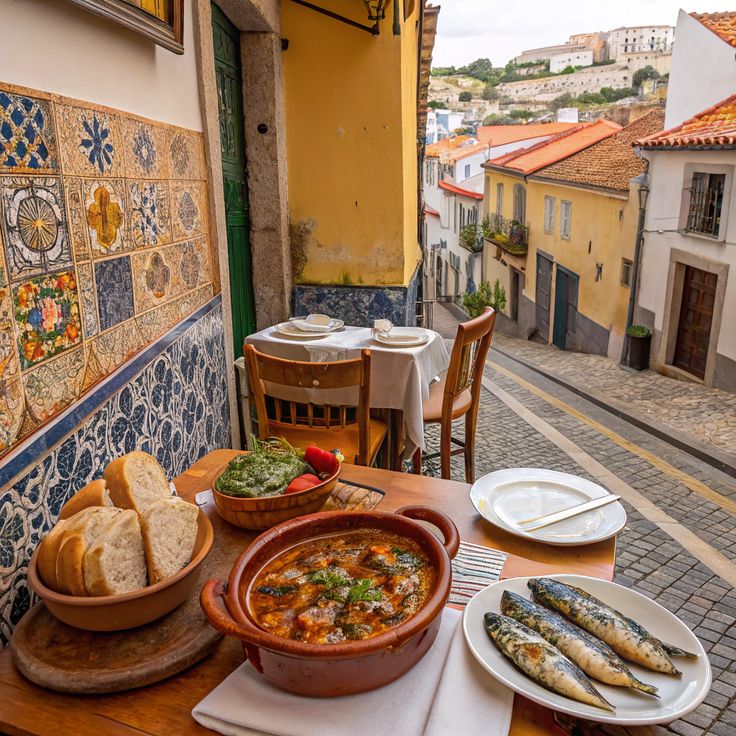
Traditional cuisine serves as a vital thread woven into the fabric of cultural identity and heritage. Each dish tells a story—of geographic, historical, and social contexts that shape a community. Food is more than mere sustenance; it embodies the traditions, techniques, and innovations passed down through generations. When traveling, indulging in local delicacies offers travelers more than just a taste; it opens a portal to understanding the customs and values embedded in a culture.
As one navigates through different regions, traditional dishes often highlight the availability of local ingredients, reflecting the landscape and agricultural practices unique to each area. This relationship between food and environment is foundational, as it connects communities to their natural resources and seasonal cycles. Travelers enjoy not only a meal but also a slice of the history of a place, including the ways people have adapted to their surroundings over time.
Furthermore, traditional cuisine fosters connections among individuals. Sharing a meal creates moments of joy and unity, transcending language barriers and fostering cross-cultural understanding. Participating in traditional food customs, from communal dining experiences to local festivals, allows travelers to embrace the hospitality of locals, discovering nuances that are often overlooked on guided tours. Each bite carries the essence of dedication and pride that local chefs pour into their craft, encapsulating their cultural legacy.
In sum, the importance of traditional cuisine cannot be overstated. It serves not just as a means of nourishment but as a vibrant expression of cultural identity, community ties, and historical narratives. Embracing local culinary practices while traveling enriches the overall experience, providing depth and insight into the heart of a destination. By savoring these traditional dishes, travelers engage in a timeless exchange that honors the passions and rhythms of diverse cultures.
Top 5 Traditional Dishes from Around the World
When traveling, one of the most enriching experiences is savoring traditional dishes that reflect the cultural heritage of a region. Here, we explore five iconic traditional dishes that offer a taste of their respective countries. Each dish is not just a culinary delight but also a representation of local ingredients, customs, and history.
First on our list is Pasta Carbonara, a hallmark of Italian cuisine. Originating from Rome, this creamy dish combines pasta, eggs, cheese, and bacon, creating a rich and savory flavor profile that has been cherished for generations. It perfectly encapsulates Italy’s culinary philosophy, emphasizing quality ingredients and simplicity.
Next, we travel to Japan to experience the artistry of Sushi. More than just a meal, sushi is an artistic expression and a social event for the Japanese. This dish primarily consists of vinegared rice, coupled with a myriad of ingredients including seafood, vegetables, and occasionally tropical fruits. Its preparation and presentation are seen as an essential part of Japanese culture, making it a cuisine must-try for any visitor.
The flavors of Butter Chicken from India are truly irresistible. This dish features marinated chicken cooked in a creamy tomato sauce, spiced with various herbs. It embodies the rich tapestry of Indian cuisine, combining complex flavors that tell the story of the region’s culinary history.
From Mexico, Tacos represent a traditional meal that has become a beloved food worldwide. With countless fillings ranging from beef and chicken to vegetarian options, tacos highlight the country’s vibrant flavors and diverse culinary practices.
Finally, we must mention Paella, a dish that hails from Spain. Traditionally made with rice, saffron, a variety of seafood, and meats, this regional delicacy signifies communal dining and cultural heritage, often enjoyed in celebratory settings.
Each of these traditional dishes provides a unique insight into the culinary world and offers travelers a genuine taste of local culture. Embracing these flavors is essential to understanding and appreciating the richness of global traditions.
Understanding the Cultural Significance of Street Food
Street food plays a pivotal role in representing the culinary practices of various cultures around the world. It serves not only to satisfy hunger but also as an accessible medium for people to engage with their local food culture. The significance of street food transcends mere sustenance; it embodies the essence of a community’s identity, traditions, and values.
One of the most compelling aspects of street food is its affordability. Unlike dining in restaurants, street food offers delicious culinary experiences at a fraction of the cost. This affordability enables people from diverse socioeconomic backgrounds to enjoy authentic local flavors. As travelers sample street food, they gain insight into the everyday eating habits of locals. Each dish reflects the region’s agricultural bounty, often utilizing seasonal ingredients that highlight local flavors.
Moreover, street food vendors often operate within tight-knit neighborhoods, creating bustling social hubs around their stalls. This dynamic fosters a communal atmosphere, where social interactions flourish among vendors and patrons. For many locals, these vendors are not merely purveyors of food; they also symbolize the community’s character, history, and resilience. Engaging with street food allows travelers to observe and partake in these social exchanges, thus providing a more profound and genuine understanding of the local culture.
In essence, street food serves as a reflection of a community’s culinary artisanship, revealing the stories behind the dishes and the people who prepare them. As travelers navigate the streets and indulge in these delightful offerings, they partake in a cultural journey that encapsulates the very spirit of the places they visit. This exploration of street food not only enhances their dining experience but also enriches their connection to the culture itself.
Regional Specialties: Exploring Diverse Flavors
Traveling opens up an array of culinary experiences, particularly through regional specialties that vary greatly across different areas. Each region of a country often boasts its unique interpretation of traditional dishes, influenced by local ingredients and cultural practices. For instance, while Italy is renowned for its pasta, the flavor profiles and preparation methods can be remarkably different from one region to another. In the north, rich, creamy sauces predominately feature in dishes like lasagna, whereas southern Italian regions lean towards lighter, tomato-based sauces.
Geography and climate play crucial roles in shaping these regional specialties. Coastal areas tend to offer fresh seafood delicacies, such as in the Mediterranean where dishes like paella are famous for their use of local fish and shellfish. In contrast, mountainous regions might present heartier meals, utilizing more preserved products and roots that can withstand harsher climates. For example, in the Swiss Alps, fondue is celebrated as a warm, comforting dish, integrating locally sourced cheeses and bread, making it unique to its region.
Local customs and historical influences also contribute to the diversity of flavors found within traditional dishes. Indigenous ingredients, often shaped by the environment, are frequently incorporated into recipes, creating a distinct regional identity. This allows travelers to experience the essence of a place through its cuisine. By sampling traditional dishes from various regions, one can gain insight into the cultural values, agricultural practices, and culinary techniques that have been developed over centuries.
Ultimately, the regional specialties encountered while traveling not only serve as nourishment but also enrich one’s understanding of the local heritage and community. Enjoying these dishes provides a taste of the region’s history and its people, making each meal a delightful exploration into the diverse flavors of the world.
Family Recipes: The Heart of Traditional Cooking
Family recipes represent an integral part of culinary heritage, offering a tangible connection to cultural roots and familial traditions. These recipes are often cherished not only for their flavors but also for the memories and stories they carry. Passed down through generations, they embody the essence of a family’s history and serve as a means to preserve the culinary techniques unique to various regions.
In many households, the act of preparing a family recipe is a cherished ritual. For instance, a grandmother might teach her grandchildren how to make a traditional dish, sharing not merely the steps involved but also the anecdotes surrounding its significance. Such narratives can include tales of special occasions, festivals, or even hardships where the family recipe provided comfort and unity. These moments facilitate the transmission of values and knowledge, reinforcing family bonds while simultaneously preserving cultural practices.
Recipes often adapt to different circumstances while retaining their core foundations, reflecting how communities evolve yet remain connected to their heritage. Ingredients might vary based on availability, but the spirit of the dish remains intact. This adaptability is vital to keeping traditional cooking relevant even as modern culinary preferences shift. For example, a recipe originating from a rural setting might incorporate more contemporary elements to cater to urban tastes, all the while respecting its roots.
Moreover, the significance of family recipes extends beyond the kitchen. They often play a role in cultural identity, allowing individuals to share their heritage with others, thus fostering a greater appreciation for diverse culinary landscapes. Whether enjoyed during family gatherings or shared with friends, these dishes have the power to evoke nostalgia and create new memories, demonstrating that food transcends mere nourishment.
Cooking Techniques that Define Local Dishes
Cooking techniques play a pivotal role in defining the flavors and characteristics of traditional dishes around the world. Each culture has its own unique methods that not only enhance the taste but also tell a story about its history and social practices. Among these techniques, fermentation, smoking, and specific grilling methods stand out, showcasing the diversity of regional cuisines.
Fermentation is one of the oldest preservation techniques and is widely used in various traditional dishes. This process not only extends the shelf life of food but also develops complex flavors and beneficial probiotics. For instance, in East Asia, kimchi is a staple that exemplifies the art of fermentation, offering a spicy and tangy taste that varies according to the region’s ingredients and methods. Similarly, fermented dairy products like yogurt or cheese can be found in many cultures, contributing to distinct regional flavors.
Smoking is another traditional technique that infuses food with a rich, savory flavor. This method, often employed in preparing meats and fish, involves exposing the food to smoke from burning or smoldering materials, typically wood. In regions like the American South, smoked barbecue is a cherished tradition, where meats are slow-cooked over wood chips, providing a smoky aroma that complements the dish’s overall taste.
Grilling methods also vary significantly across different cultures, with techniques ranging from direct heat application to unique marinades and spice blends. For instance, in Argentina, asado is not just a meal but a communal event where cuts of beef are grilled over open flames, showcasing the country’s beef-centric culinary heritage. Similarly, tandoori cooking in India employs a clay oven to produce distinctly flavored breads and meats that are integral to the culinary identity of the region.
Overall, these cooking techniques are vital to the flavor profiles of traditional dishes, reflecting the cultural significance and local ingredients available. By embracing these methods, travelers can truly appreciate the authenticity and nuances of the local culinary scene.
Food Festivals: Celebrating Culinary Traditions
Food festivals play a vital role in preserving and promoting culinary traditions across various cultures. They serve as vibrant gatherings that not only celebrate traditional dishes but also strengthen community bonds. At these festivals, local communities showcase their unique recipes, cooking techniques, and regional ingredients, making it an excellent opportunity for travelers to immerse themselves in local culture.
The significance of these events lies in their ability to connect people. Food festivals often attract both locals and tourists, fostering an environment of sharing and learning. Participants engage in diverse culinary experiences, taste exquisite dishes, and discover the history behind each recipe. These festivals are perfect settings for culinary enthusiasts to explore regional flavors and savor authentic dishes that may not be available outside of these celebrations.
Various cultures around the world host these culinary events at different times throughout the year. For instance, Italy is well-known for its numerous food festivals celebrating pasta, olive oil, and wine. Each of these festivals highlights regional ingredients, not only promoting local agriculture but also boosting the economy through tourism. Similarly, many Asian countries attract visitors to their food festivals showcasing street food, spices, and traditional cooking methods.
As attendees wander through stalls and booths, they often witness live cooking demonstrations and participate in workshops, gaining insights into the preparation of beloved traditional dishes. Purchasing local products and ingredients at these festivals also enhances the experience, allowing individuals to take a piece of the culture home with them. Overall, food festivals serve as an essential platform for celebrating culinary heritage while fostering community engagement.
How to Experience Traditional Cuisine While Traveling
Experiencing traditional cuisine while traveling offers a unique perspective on a culture and its heritage. To fully engage with the local food scene, one should adopt a multi-faceted approach that includes seeking out not only well-known restaurants but also hidden gems that represent the country’s authentic culinary traditions.
Start by exploring local eateries that are frequented by residents rather than tourists. These establishments often serve dishes made from recipes passed down through generations, offering genuine taste experiences. Knowing where to eat can significantly enhance your culinary journey. Ask locals for recommendations or consult social media groups focused on food in your destination. This practice not only leads you to the best dishes but also fosters interaction with the community.
Farmers’ markets are another excellent resource for experiencing local cuisine. These markets allow travelers to discover ingredients that are staples in traditional dishes and often provide opportunities to taste freshly prepared local foods. Engaging with vendors can offer insights into how specific dishes are made and the history behind them, enriching your understanding of the local culinary landscape.
Culinary tours are increasingly popular and present a structured way to dive deeply into traditional foods. Participating in these tours can lead you to diverse food locations, from street vendors to family-owned restaurants. These experiences are typically guided by knowledgeable locals who can share anecdotes and historical context about the food and its cultural significance.
Lastly, consider attending cooking classes or workshops. Learning the art of preparing local dishes can be an enjoyable and immersive way to appreciate traditional cuisine. This hands-on experience often provides a deeper understanding of the ingredients and techniques used, allowing travelers to bring a piece of their journey home.
Conclusion: Embracing Culinary Heritage
Traveling provides an invaluable opportunity to delve into the rich tapestry of traditions and cultures that define each region visited. Among the most compelling aspects of any cultural journey is the local cuisine, specifically the traditional dishes that have been passed down through generations. These recipes often signify more than just sustenance; they encapsulate a community’s history, beliefs, and values.
Engaging with traditional dishes allows travelers to gain insights into the daily lives and social fabric of the people in various locales. Each meal tells a story, whether it is a celebration of harvest, a religious observance, or simply a family gathering. By tasting these culinary delights, one can foster a deeper appreciation for the craftsmanship and techniques that have been perfected over time. The act of sharing meals in a communal setting further enhances the experience, solidifying connections between the host and the guest.
In addition to hospitality, traditional foods commonly utilize local ingredients, reflecting the seasonal changes and geographical characteristics of an area. This connection to the land promotes sustainability and encourages travelers to respect and understand their surroundings. As individuals partake in the diverse flavors and textures present in traditional dishes, they also partake in the narratives that shape each culture.
Therefore, when planning future travels, one should prioritize the exploration of culinary heritage. Embracing local food traditions not only enhances the travel experience but also fosters a sense of global understanding and connectedness. As we sail through different cultures across the globe, let us make a concerted effort to appreciate and honor the dishes that define them, elevating our journeys far beyond mere sightseeing.