

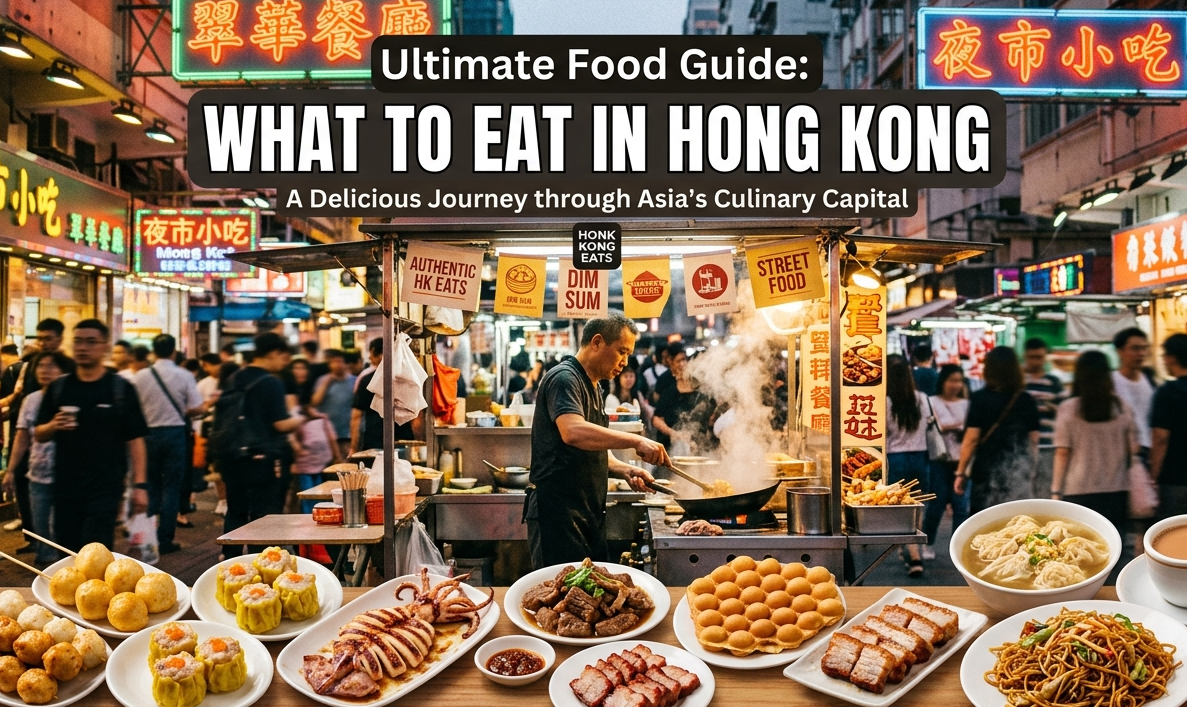
Introduction to Hong Kong’s Culinary Scene
Hong Kong is renowned for its rich and diversified culinary landscape, which seamlessly blends traditional Chinese cuisine with an array of international flavors. As a former British colony and a vibrant melting pot of cultures, the city has absorbed influences from around the globe, creating a unique gastronomy that is unlike any other in the world. From street food stalls to Michelin-starred restaurants, Hong Kong offers a gastronomic experience that caters to every palate.
The significance of food in Hong Kong’s local culture cannot be overstated. Meals are not merely sustenance; they are a crucial aspect of daily life and social interaction. The local population celebrates food through various customs, such as family gatherings and festivals, where dishes are prepared and shared among loved ones. Food serves as a medium for cultural exchange, where generations pass down recipes and culinary techniques, contributing to the ever-evolving gastronomic scene.
Moreover, Hong Kong’s position as a food capital is further emphasized by its accessibility to diverse ingredients and culinary expertise. Fresh seafood from the bustling markets, locally produced vegetables, and a range of condiments are readily available, allowing chefs and home cooks alike to experiment with flavors and techniques. This accessibility promotes not only traditional dishes but also innovative dining experiences that attract both locals and international tourists.
In summary, Hong Kong’s culinary scene is a dynamic fusion of historical traditions and modern influences. Its role as a food capital is underscored by the city’s commitment to culinary excellence and diversity, making it a premier destination for food enthusiasts seeking both authentic and contemporary dining experiences.
Dim Sum: A Must-Try Experience
Dim sum is an integral part of Hong Kong’s culinary landscape, with deep roots in Cantonese culture. Originally served as a small snack for travelers along the Silk Road, the tradition has evolved significantly over the centuries. Today, it encompasses a vast array of dishes ranging from dumplings to buns, each with its unique flavors and presentation. This delightful cuisine is not merely a meal but a social experience that encourages sharing and conversation among diners.
When exploring the variety of dim sum, one can encounter a plethora of choices. Classic items include har gow (shrimp dumplings), siu mai (pork dumplings), and char siu bao (barbecue pork buns). However, modern interpretations have introduced a range of innovative fillings and cooking techniques, catering to diverse palates. For those seeking the authentic experience, steamed dishes and fried items are often served in small, shareable portions, allowing for a sampling of multiple flavors during the meal.
To fully appreciate dim sum etiquette, it is customary to order several dishes to share among the group, reflecting the communal aspect of the dining experience. Diners can choose from a selection of carts or menus presented by servers, who will assist in guiding the choices based on personal preferences. Additionally, it is considered polite to leave some food on the plate, symbolizing abundance.
In Hong Kong, countless restaurants claim to offer the best dim sum, but some longstanding favorites stand out. Institutions like Tim Ho Wan and Lin Heung Tea House have garnered acclaim for their authentic offerings. It is advisable to visit during peak hours to experience bustling dining rooms filled with the aroma of freshly steamed dumplings. The vibrancy of the atmosphere, combined with the tantalizing flavors, makes indulging in dim sum an unforgettable activity for any visitor.
Street Food: Authentic Flavor on the Go
Hong Kong is renowned for its vibrant street food culture, where one can experience a myriad of flavors and aromas that define the city’s culinary identity. Street food stalls offering delightful morsels line the bustling streets, enticing locals and tourists alike with a variety of snacks and meals. The experience of wandering through these food markets is as engaging as the food itself, providing a sensory explosion of sights, sounds, and smells.
Among the must-try street food items, fish balls stand out for their chewy texture and rich flavors. Typically served on a skewer and often accompanied by a zesty dipping sauce, these snackable bites are a favorite among many. Another iconic street food item is the egg waffle, known for its unique shape and soft, fluffy interior. These delightful treats are made fresh on the spot and can be enjoyed plain or filled with an array of toppings, making them an irresistible choice for anyone seeking a sweet experience.
However, the most adventurous amongst you might want to try stinky tofu, a dish known for its pungent aroma that often spurs curiosity. This fermented delicacy is fried to perfection and served with a variety of sauces, appealing to those with an adventurous palate. Each bite tells a story of tradition and innovation, offering a glimpse into Hong Kong’s rich culinary heritage.
For the best street food experience, visiting popular spots such as the Temple Street Night Market or the Mong Kok district is essential. Here, you can encounter an array of food stalls serving these delicious snacks, along with a warm and welcoming atmosphere that enhances the overall experience. In these bustling markets, the street food scene unfolds in vibrant detail, showcasing the authentic flavors of Hong Kong on the go.
Local Favorites: Hong Kong-style Cafe Culture
In Hong Kong, the cafe culture exemplifies a unique blend of Western and Eastern culinary traditions, which is best represented by the ubiquitous Cha Chaan Teng, or Hong Kong-style cafes. These establishments serve as vital social hubs within the community, providing a casual atmosphere where friends, families, and colleagues gather to enjoy meals that reflect the city’s rich multicultural heritage.
One of the standout beverages offered at these cafes is Hong Kong-style milk tea, a silky concoction made by brewing black tea and then adding evaporated milk or condensed milk. This drink is not merely a refreshment; it embodies the city’s love for bold flavors and has become a symbol of Hong Kong’s dining experience. Often enjoyed throughout the day, this tea pairs wonderfully with a variety of local dishes.
Pineapple buns, or “bo lo bao,” represent another signature offering from these cafes. Despite their name, they do not contain any pineapple. These buns, characterized by their sweet, crumbly crust, are often served warm with a pat of butter melting inside. Their popularity attests to the charm of Hong Kong-style cafes, where simplicity meets flavorful satisfaction, making them a favorite among locals.
Additionally, instant noodles have become an iconic staple in these cafes, reflecting the fast-paced lifestyle of Hong Kong residents. Often customized with toppings such as eggs, vegetables, and meats, instant noodles showcase the creativity and adaptability of culinary practices in the region. They also serve as a perfect embodiment of comfort food that fits within the bustling lifestyle of city dwellers.
Ultimately, the Hong Kong-style cafe culture, with its unique offerings and inviting atmosphere, continues to resonate with both locals and visitors, making every meal a memorable experience.
Seafood Delights: Fresh from the Ocean
Hong Kong is renowned for its vibrant culinary scene, particularly its fresh seafood offerings. The bustling streets and picturesque harbors are filled with the promise of delectable oceanic delights. One of the prime locations to experience this is Aberdeen, a historic fishing village known for its floating seafood markets and restaurants. Visitors here will find not only a diverse selection of seafood but also the unique opportunity to witness the hustle and bustle of local fishing boats unloading their daily catch.
Must-try dishes include the exquisite steamed fish, often prepared with ginger and scallions to enhance its natural flavor. This dish not only showcases the freshness of the seafood but also exemplifies the Cantonese cooking style that emphasizes gentle methods of preparation. Another highlight is the succulent crab, served in various styles, including chili and black bean sauces, which capture the essence of Hong Kong’s culinary flair. The freshness of these seafood dishes is a testament to the city’s connection with the ocean, ensuring that diners enjoy the pinnacle of flavor in every bite.
For those looking to experience this seafood bounty, numerous markets and restaurants abound. The famous Aberdeen Fish Market, for instance, allows patrons to select live seafood directly from the tanks, ensuring the utmost freshness. Additionally, establishments such as Jumbo Kingdom offer a spectacular dining experience alongside stunning views of the harbor. Visitors can enjoy a seafood feast while surrounded by the beauty of the waters, making it a perfect location for both locals and tourists alike.
As Hong Kong continues to thrive as a global culinary hub, its reputation for fresh seafood endures. Whether dining in a lavish restaurant or sampling delights from a local market, the seafood offerings in this city are an integral part of its rich cultural tapestry, making it a destination for seafood lovers around the world.
Cantonese Roast Meats: A Culinary Art
Cantonese roast meats represent a cornerstone of Hong Kong’s culinary landscape, offering a rich array of flavors and textures that are both distinctive and satisfying. Among the most celebrated varieties are roast duck, char siu (BBQ pork), and siu yuk (crispy pork belly), each showcasing the mastery of traditional roasting techniques that date back centuries.
The preparation of roast duck involves marinating the bird in a mix of soy sauce, five-spice, and malt sugar before hanging it to dry. This allows the skin to crisp up beautifully during roasting, resulting in a delectable combination of tender meat and crackling skin that is perfectly complemented by its rich, flavorful fat. Similarly, char siu is created by marinating pork in a sweet and savory sauce, enhancing its flavor while achieving that signature reddish-brown hue. Once roasted, the meat is tender, deeply flavored, and often sliced into thin pieces for serving.
Siu yuk, on the other hand, requires precise technique to achieve that perfect crispy crackling skin. The pork belly is seasoned, and its skin is treated to ensure it crisps during roasting. The result offers a delightful contrast between the tender meat and the crunchy skin, making it a favorite among locals and visitors alike.
In terms of popular eateries, Yat Lok is widely acclaimed for its roast goose, while Joy Hing Roasted Meat serves exceptional char siu and siu yuk. Another notable mention is the renowned Australia Dairy Company, famous for its delicious plate of roast meats accompanied by rice. Whether enjoyed in a casual setting or finer dining, Cantonese roast meats in Hong Kong continue to be a testament to the craft of culinary artistry, delivering a unique taste experience enhanced by the city’s rich food heritage.
International Flavors: Global Cuisine in Hong Kong
Hong Kong’s culinary landscape is a vibrant tapestry woven from various cultural influences and traditions. Known for its unique blend of Eastern and Western flavors, the city offers a plethora of international cuisines, attracting food enthusiasts from around the globe. In addition to its famous Cantonese dishes, Hong Kong showcases the characteristics of Indian, Japanese, and Italian cooking, creating a rich tapestry of global culinary options.
Indian cuisine in Hong Kong has seen a significant rise in popularity, with restaurants like Chaat offering an innovative twist on traditional dishes. Their flavorful butter chicken and paneer tikka are must-tries, representing authentic Indian flavors with a local flair. The use of aromatic spices creates a culinary journey that is sure to tantalize your taste buds.
For those leaning towards Japanese cuisine, establishments like Sushi Kuu craft exquisite sushi and sashimi that reflect Japan’s culinary artistry. The restaurant emphasizes freshness, showcasing seasonal fish and high-quality ingredients. A highlight on their menu is the omakase, where chefs create a bespoke dining experience, making each meal unique and engulfed in precision.
Italian cuisine is also well-represented in Hong Kong, with Doppio Zero serving homemade pasta and wood-fired pizzas that hark back to traditional Italian roots. The truffle risotto and Margherita pizza not only evoke the essence of Italy but also adapt it to the tastes preferred by the local palate.
This multicultural dining scene thrums with life, evident in every dish served across the city. As food lovers explore the diverse international offerings, they find that Hong Kong truly celebrates the essence of global cuisine, making it a culinary paradise where flavors converge harmoniously.
Desserts and Sweets: A Sweet Ending
The culinary landscape of Hong Kong is revered not only for its savory dishes but also for an array of delectable desserts that captivate both locals and visitors. Among the most celebrated traditional desserts is the egg tart, a flaky pastry shell filled with a silky custard that strikes a perfect balance between sweet and creamy. These can readily be found in numerous bakeries across the city, including the famed Custard Cake Shop in Central, where both the classic and the Portuguese-style egg tarts are highly recommended.
Another iconic dessert is mango pudding, a simple yet refreshing treat made from ripe mangoes, coconut milk, and gelatin, often garnished with fresh fruit and cream. For a genuine experience, one should visit the dessert shop, Hui Lau Shan, which specializes in mango-inspired delicacies, offering everything from mango sago to mango mochi.
Modern dessert cafes have also cropped up, infusing traditional flavors with contemporary twists. For example, the wildly popular Ice Cream Brick in Hong Kong provides a playful setting where guests can concoct their own ice cream sandwiches using unique flavors such as red bean and matcha. The innovative cafe, Lab Made, pushes boundaries with its liquid nitrogen ice creams, creating a theatrical experience that delights patrons of all ages.
For those seeking a more luxurious experience, desserts like durian mousse or chocolate lava cake at high-end restaurants provide a sophisticated flair to traditional dining. Establishments like the Mandarin Oriental’s Cake Shop feature exquisite pastries and are perfect for indulging after a sumptuous meal.
In conclusion, the dessert scene in Hong Kong is diverse and vibrant, where sweet moments can be savored across traditional bakeries and modern cafes alike. Whether you are drawn to classic egg tarts or new-age creations, the city delivers an unmistakable sweet satisfaction that is sure to linger long after the last bite.
Conclusion: Embrace the Food Adventure
Hong Kong is not just a destination; it is a vibrant culinary landscape brimming with diverse flavors, textures, and aromas. From street food stalls serving tantalizing snacks to high-end restaurants offering exquisite fine dining experiences, the gastronomic scene in Hong Kong is undeniably rich and varied. This dynamic city invites visitors to indulge in an array of dishes that reflect its unique cultural heritage and culinary ingenuity.
Throughout your culinary journey, it is essential to sample a wide range of foods—from the iconic dim sum, which offers a delightful array of bite-sized treats, to the fragrant local specialties such as wonton noodles and Hong Kong-style milk tea. Each dish tells a story, revealing the cultural fusion that has shaped the city over centuries. Exploring these flavors not only enhances your dining experience but also deepens your understanding of Hong Kong’s history and traditions.
Furthermore, venturing beyond the well-trodden paths to discover hidden gems—local eateries frequented by residents—will allow you to experience authentic flavors that are often overlooked by tourists. Whether you are seeking the bustling energy of a night market or the cozy ambiance of a family-run restaurant, every dining choice contributes to the tapestry of your food adventure.
In essence, a visit to Hong Kong is incomplete without indulging in its extensive culinary offerings. By immersing yourself in this gastronomic exploration, you can truly appreciate the city’s unique identity. Therefore, when planning your next trip to Hong Kong, embrace the food adventure and allow your taste buds to guide you through an unforgettable experience that reflects the heart and soul of this extraordinary metropolis.