
The Allure of Advanced Scuba Diving
Scuba diving has become an increasingly popular recreational activity, attracting a diverse array of enthusiasts eager to explore the underwater world. Among these divers, advanced scuba diving presents a unique allure, drawing individuals who seek more than just the basic underwater experiences. This specialization involves navigating more complex dive conditions, often in breathtaking locations that showcase the depths of marine ecosystems.
Certain dive sites around the globe require advanced certifications due to the unique challenges they present. These challenges may stem from factors such as depth, visibility, current strength, and the potential for thermal variations. Advanced dive locations frequently feature intricate coral reefs, underwater caves, or deep wrecks that encourage divers to develop and refine their diving skills. Each destination offers an opportunity to engage with diverse marine life and discover hidden treasures that are not typically accessible to novice divers.
The necessity for advanced certification is not merely a regulatory requirement; it is also a testament to the skills and knowledge needed for safe diving. Advanced certification courses equip divers with essential training to handle emergencies, dive planning, navigation, and the use of specialized equipment. This level of preparation enables divers to unlock thrilling underwater experiences, allowing them to explore locales that showcase stunning biodiversity, vibrant coral formations, and unique geological features.
In essence, the world of advanced scuba diving opens up a variety of extraordinary opportunities for exploration. By engaging in more demanding dive conditions, divers gain deeper insights into marine conservation, contribute to underwater research, and foster a sense of responsibility towards preserving the ocean’s delicate ecosystems. Those who seek to partake in this thrilling adventure must invest in acquiring the necessary advanced certification, which ultimately enhances their diving expertise while also enriching their underwater experiences.
What is Advanced Certification?
Advanced certification in scuba diving is a significant milestone that enables divers to gain skills necessary for exploring more demanding underwater environments. Generally, these certifications are designed to enhance a diver’s knowledge and experience, ensuring that they are well-prepared to handle challenging conditions. The most recognized organizations that offer advanced certification courses include the Professional Association of Diving Instructors (PADI) and the National Association of Underwater Instructors (NAUI).
To enroll in an advanced certification course, divers typically need to hold a standard open water certification, which serves as a prerequisite. The advanced training courses often build on this foundational knowledge, expanding divers’ abilities with specialized skills such as deep diving, wreck diving, and navigation. Training also emphasizes safety protocols and emergency procedures specifically tailored for complex environments.
The course structure for advanced certifications often includes a combination of classroom instruction and practical dives. During the theoretical portion, divers learn about the physiological effects of deeper dives, the use of advanced diving equipment, and how to manage potential risks. Practically, the courses encourage divers to participate in experiential learning, which can include diving to greater depths, conducting navigation dives, and exploring various underwater topographies.
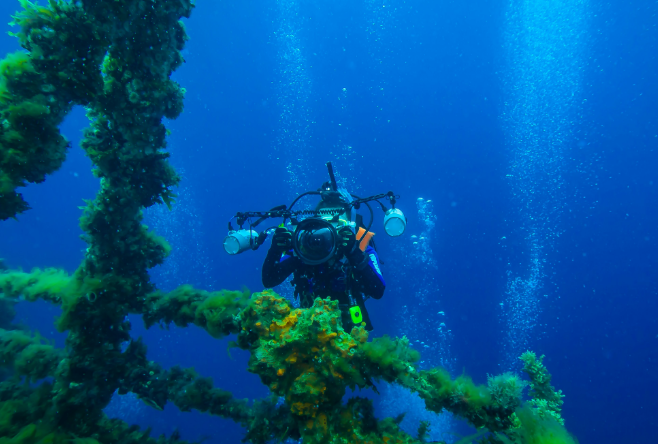
Moreover, divers can select specialized certifications based on their interests, which may include areas such as cave diving, night diving, or underwater photography. Each specialization equips divers with additional skills and knowledge relevant to the chosen field. Overall, obtaining advanced certification not only enhances safety but also enriches the diving experience, empowering divers to explore some of the most breathtaking and challenging scuba diving destinations around the world.
Criteria for Selecting Advanced Dive Sites
When seeking out advanced dive sites, numerous criteria ensure the location is suitable for seasoned divers. Depth is a primary consideration; advanced divers typically seek depths beyond 18 meters (60 feet), where divers experience unique ecosystems often inaccessible to novice divers. Such depths can reveal magnificent underwater landscapes, but they also require divers to exercise enhanced skills in buoyancy control and decompression management.
Another critical factor is visibility. Advanced divers tend to favor sites with clear water to maximize their experience, enabling them to observe intricate marine life and geological formations. Poor visibility can not only hinder exploration but also increase the complexity of navigation and safety protocols, potentially making a site unsuitable for advanced diving.
Current strength is equally vital when evaluating a dive site. Although some divers may relish challenging conditions, sites with strong currents often necessitate advanced diving techniques and capabilities. Experienced divers should be proficient in managing their position and making strategic decisions regarding entry and exit points based on the current’s behavior.
The diversity of marine life is another appealing feature of advanced dive sites. Unique species, vibrant coral reefs, and underwater habitats add excitement and curiosity to each dive. Advanced divers often seek these environments, which may host species not found in more accessible areas, thus enriching their diving experience.
Lastly, the geological features of a dive site contribute to its desirability. Underwater caves, walls, wrecks, and submerged structures offer both visual intrigue and physical challenges that advanced divers seek in their underwater adventures. Such formations require adept navigation and awareness of potential hazards, making them perfect for those equipped with advanced skills.
Top 5 Destinations for Advanced Certified Divers
For enthusiasts who have obtained advanced scuba diving certification, numerous breathtaking sites around the globe await exploration. These destinations offer unique underwater experiences, each presenting distinctive challenges and awe-inspiring marine life. Below are five premier locations renowned for their advanced diving opportunities.
1. The Great Barrier Reef, Australia
As the largest coral reef system in the world, the Great Barrier Reef boasts diverse ecosystems and rich marine biodiversity. Its advanced diving sites, like Osprey Reef and Cod Hole, demand experience due to deep dives and potential currents. Divers can expect thrilling encounters with tiger sharks, manta rays, and myriad tropical fish, making it a must-visit for advanced divers.
2. Sipadan, Malaysia
Sipadan is famous for its incredible wall diving and vibrant coral reefs. Advanced divers are drawn to its swift currents and the opportunity to see sea turtles and barracuda tornadoes. With numerous dive sites such as Barracuda Point and Turtle Cavern, Sipadan offers a blend of thrilling dives and unique underwater topography.
3. Palau, Micronesia
Palau features some of the most exhilarating diving terrains, including strong currents and underwater caves. Advanced certified divers can explore sites like Blue Corner and German Channel, where they are likely to see a plethora of marine species, including reef sharks and various rays. This destination is perfect for those looking for an adrenaline-pumping underwater experience.
4. Socorro Islands, Mexico
Ideal for advanced divers seeking large marine life encounters, the Socorro Islands are known for their remote location and the open ocean currents that host a wealth of biodiversity. Divers often get to experience face-to-face encounters with giant manta rays and dolphin pods. The islands’ diving conditions and challenging routes make it suitable for experienced scuba divers.
5. The Red Sea, Egypt
With its clear waters and unique dive sites like the Blue Hole and the wreck of the Thistlegorm, the Red Sea presents a delightful challenge for advanced divers. The area is renowned for its stunning coral formations and a wide variety of marine species. Strong currents and depths require expertise, making it an exhilarating choice for seasoned divers.
In conclusion, each of these top destinations for advanced certified divers provides unique features and challenges, ensuring an unforgettable diving experience. Whether encountering large pelagics in Palau or exploring vibrant reefs in the Great Barrier Reef, these locations promise adventure for well-prepared divers.
The Great Barrier Reef, Australia
The Great Barrier Reef, renowned as one of the most spectacular scuba diving destinations in the world, offers experienced divers a chance to explore its vast and diverse underwater ecosystem. Spanning over 2,300 kilometers along the northeastern coast of Australia, this UNESCO World Heritage site boasts an impressive array of marine life, including picturesque coral reefs, colorful fish species, and the occasional sighting of larger oceanic creatures such as sharks and turtles. This environment presents both breathtaking beauty and the potential for challenging dives, making it a favored destination for those holding advanced diving certifications.
Diving in the Great Barrier Reef demands consideration of its unique conditions, which can include strong currents and significant depth variations. As such, certification at least at the Advanced Open Water diver level from recognized agencies like PADI or SSI is required. Divers are encouraged to plan dives in partnership with licensed dive operators who are familiar with the specific location’s conditions and nuances. Many dive sites in the area present demanding challenges; sites like Osprey Reef and the Cod Hole are popular choices, combining the beauty of vibrant coral gardens with the excitement of deeper dives and swift currents.
Moreover, advanced divers may explore less frequented areas, including the Ribbon Reefs and remote sites such as the Coral Sea. Each dive package often requires divers to demonstrate proficiency in navigating challenging underwater landscapes, maintaining buoyancy control, and managing dive tables or computer devices. The Great Barrier Reef is not merely a location for adventure; it represents an ecosystem under threat, making the responsible practice of scuba diving essential for its preservation. Therefore, although the diving experience can be outstanding, divers must approach these excursions with the necessary training and respect for the marine environment.
Exploring the Blue Hole, Belize
The Blue Hole, located off the coast of Belize, is renowned as one of the world’s premier scuba diving destinations. This natural wonder is part of the Belize Barrier Reef Reserve System, a UNESCO World Heritage site. The dive site features a massive circular sinkhole approximately 300 meters (1,000 feet) in diameter, which reaches depths of around 125 meters (410 feet). Its striking deep blue color against the surrounding turquoise waters creates a breathtaking vista, attracting divers from around the globe.
Diving the Blue Hole offers a unique geological perspective, as the formation showcases stalactites and stalagmites formed during the last ice age. These magnificent underwater structures provide a glimpse into the geological history of the Earth, making it not just a dive but an educational experience as well. The site is frequented by divers seeking to explore its depths where a myriad of marine life, such as reef sharks and large schools of fish, can be observed.
To dive in the Blue Hole, advanced certification is a requirement due to the significant depth and challenging conditions. Divers are advised to possess a minimum of advanced open water certification, along with experience in deep diving. Furthermore, having a proper understanding of buoyancy control is crucial, as it is essential when navigating around the stalactites without causing harm to these fragile formations.
When planning a dive in the Blue Hole, it is advisable to choose a reputable dive operator that prioritizes safety and environmental conservation. Prior to diving, divers should conduct thorough briefings with their guides to familiarize themselves with the site and its specific requirements. It is also wise to check weather conditions and dive plans, ensuring a safe and enjoyable diving experience.
Socorro Islands, Mexico
The Socorro Islands, part of the Revillagigedo Archipelago in Mexico, present a captivating dive destination primarily known for its diverse pelagic species. This remote location, which lies about 250 miles off the western coast of Mexico, offers some of the most exhilarating diving experiences for certified scuba divers. To fully appreciate the underwater wonders of Socorro, divers are advised to possess an advanced certification due to the challenging conditions characterized by strong currents, deep depths, and variable visibility.
One of the main attractions of diving in Socorro is the opportunity to encounter apex marine life, including schools of manta rays, dolphins, and even the occasional whale shark. Such encounters typically occur at popular dive sites like Cabo Pearce, Roca Partida, and The Boiler, where pelagic species gather in significant numbers. Divers can expect thrilling experiences while witnessing these majestic creatures in their natural habitat. However, these encounters require divers to have substantial experience with buoyancy control and navigation due to the unpredictable nature of the open ocean.
Furthermore, the dives at Socorro often take place in deeper waters, necessitating advanced skills in managing air consumption and responding to potential challenges that might arise in deeper dives. The remote nature of the islands also means that divers may find themselves far from immediate assistance, making it essential for divers to be proficient in emergency procedures. Therefore, individuals considering a dive expedition to the Socorro Islands should ensure they possess proper training and preparation before embarking on such an adventure. Overall, the Socorro Islands stand as a prime destination for advanced divers seeking to explore remarkable marine biodiversity while enhancing their underwater skills.
Cozumel, Mexico
Cozumel, an island located in the Caribbean Sea off the eastern coast of Mexico’s Yucatan Peninsula, is renowned for its breathtaking underwater landscapes and vibrant marine life. This destination is particularly famed for its drift diving experiences, which provide divers with the unique opportunity to effortlessly glide through warm, crystal-clear waters. However, the currents can be swift, making advanced scuba diving certification a prerequisite for those who wish to explore its depths safely.
The drift dives in Cozumel are characterized by strong currents, allowing divers to experience the sensation of flying as they travel along the reef systems. Skilled divers employ their buoyancy control and navigation abilities to maneuver through rapidly changing conditions. This necessitates a higher level of expertise compared to more tranquil diving environments. Therefore, obtaining advanced diving certification is essential, as it equips divers with the techniques required to handle swift currents and ensures their safety while enhancing the overall diving experience.
Cozumel boasts rich marine biodiversity, including vibrant coral reefs teeming with various fish species, sea turtles, and even occasional sightings of larger marine life such as rays and sharks. The famous Palancar Reef and Columbia Reef are prime spots where advanced divers can relish the unparalleled beauty of these underwater ecosystems. The diverse habitats present in these areas are not only visually stunning but also critical for marine research and conservation efforts.
In addition to the thrill of drift diving, Cozumel offers comprehensive dive shops that provide advanced courses for divers seeking to refine their skills further. By participating in additional training, divers can gain confidence and improve their proficiency, ensuring they are well-prepared for the dynamic conditions encountered in Cozumel’s waters. Ultimately, Cozumel presents a unique blend of adventure and natural beauty, solidifying its status as a top scuba diving destination for those with advanced certification.
Palau, Micronesia: An Underwater Paradise for Advanced Divers
Palau, located in the western Pacific Ocean, is renowned for its breathtaking marine biodiversity and remarkable dive sites, making it a prime destination for advanced scuba divers. With over 1,500 species of fish and numerous coral species, the underwater world in Palau is a vibrant tapestry of colors and life. The waters surrounding Palau are rich with marine parks, offering exceptional dive experiences that are not only thrilling but also demand a higher level of expertise and training.
Among the most famous dive sites here is the Blue Corner, recognized globally for its exhilarating drift dives. Divers are swept through a rich tapestry of marine life, including sharks, rays, and schools of barracuda. However, the unique currents found at this site necessitate advanced skills in buoyancy control and navigation, as well as the ability to make split-second decisions in challenging conditions. Along with Blue Corner, sites such as the Russian frigs and the famous wreck of the Hellcat plane from World War II provide additional allure to those seeking the excitement of wreck diving.
Moreover, dive sites like the Big Drop Off and the Ulong Channel showcase stunning vertical walls, teeming with sea life. These locations feature steep drops and require divers to exercise caution while managing their dive profiles effectively. The importance of advanced certification cannot be overstated in these situations, as divers must have the knowledge to plan their dives safely and conduct necessary safety stops. Palau epitomizes the thrill of underwater exploration, where advanced divers are rewarded with unforgettable experiences amidst awe-inspiring marine settings.
Conclusion: Preparing for an Advanced Scuba Adventure
The world of advanced scuba diving offers exhilarating experiences in some of the most breathtaking underwater environments. However, these adventures require not only enthusiasm but also a proper level of certification and preparation. Being adequately certified is crucial when venturing into advanced dive sites, as these locations often present challenges that necessitate specialized skills and knowledge.
Training plays a vital role in ensuring divers are equipped to handle complex situations that may arise during dives. Advanced courses, such as those focusing on deep diving, wreck diving, or diving in strong currents, provide essential skills that enhance diver safety. Gaining hands-on experience in various marine conditions can significantly boost a diver’s confidence and competence, facilitating a more enjoyable underwater exploration.
In addition to certification, the right gear is essential for a successful advance scuba adventure. High-quality equipment adapted for specific diving conditions elevates safety and comfort. For instance, divers should consider using dive computers, advanced buoyancy control devices, and appropriate exposure protection such as drysuits or wetsuits tailored for cold water dives. Proper maintenance of gear ensures it functions effectively, reducing the risk of malfunctions underwater.
Safety considerations cannot be overlooked. Regular checks on safety protocols, knowing the local marine life, understanding the dive site’s specific risks, and adhering to dive plans are fundamental components for securing a safe dive. Always diving with a buddy and maintaining effective communication are additional safety measures that enhance the overall experience.
In summary, preparation through certification, selecting the right gear, and prioritizing safety are integral to ensuring that advanced scuba diving adventures are both enriching and secure. Diving into these remarkable sites can provide unforgettable memories, but only with the right foundation of knowledge and preparation in place.