

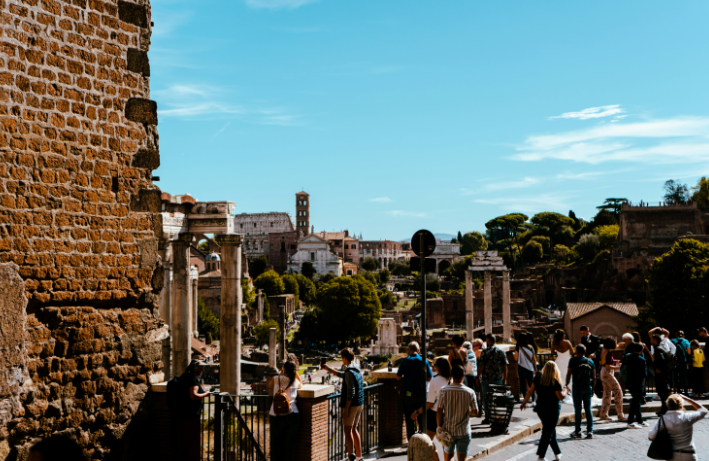
Introduction to Historical Destinations
For many individuals, the passion for history extends beyond books and documentaries; it beckons them to explore the world’s most remarkable historical travel destinations. Historical destinations serve as portals to the past, allowing travelers to immerse themselves in the rich tapestry of human civilization. These sites include ancient ruins, meticulously curated museums, and vibrant cultural locales that collectively tell the stories of our ancestors and their legacies.
One of the primary appeals of visiting historical destinations is the opportunity to witness firsthand the structures and artifacts that have withstood the test of time. Ancient ruins, such as the Colosseum in Rome or the Pyramids of Giza in Egypt, offer insight into the architectural achievements and societal structures of bygone eras. For history lovers, walking through these sites is akin to stepping back in time, fostering a profound connection with the past.
Museums also play a crucial role in historical travel. They house valuable collections of artifacts, artworks, and documents that encapsulate various historical narratives. From the Louvre in Paris to the British Museum in London, these institutions offer visitors a chance to appreciate exquisite pieces from different times and cultures, enriching their understanding of world history.
Furthermore, cultural heritage sites, including historic towns and cities, provide a unique perspective on how history shapes modern society. Engaging with local traditions, cuisine, and architectural styles allows travelers to experience the nuances of cultures that have evolved over centuries. This blend of exploration and education galvanizes the interest of history enthusiasts, making historical travel destinations an irreplaceable aspect of their journey.
Top 5 Historical Cities Around the World
For history enthusiasts, traveling to cities steeped in history can offer a glimpse into the past and a connection to the cultural narratives that have shaped civilizations. Here are five major historical cities, each with significant attractions and rich tales to share.
Rome, Italy is often regarded as the cradle of Western civilization. Its ancient ruins, including the iconic Colosseum, the Forum, and the Pantheon, narrate the grand story of the Roman Empire. Visitors can explore the Vatican City, home to St. Peter’s Basilica and the Sistine Chapel, artworks that encapsulate centuries of history and artistic achievement.
Jerusalem, Israel, holds a prominent place in the history of three major religions: Judaism, Christianity, and Islam. The Old City, with its sacred sites such as the Western Wall, the Al-Aqsa Mosque, and the Church of the Holy Sepulchre, serves as a pivotal destination for those seeking to understand the intertwined religious and cultural heritage of humanity.
Kyoto, Japan, once the imperial capital, is renowned for its well-preserved temples and traditional wooden houses. The historical significance of Kyoto is showcased in landmarks like the Kinkaku-ji (Golden Pavilion) and Fushimi Inari-taisha Shrine, where ancient traditions meld with stunning natural beauty, offering a serene insight into Japanese culture.
Istanbul, Turkey, uniquely straddling two continents, reflects the rich tapestry of Byzantine and Ottoman empires. Its historical sites, including the Hagia Sophia and Topkapi Palace, highlight the city’s role as a bridge between East and West, showcasing an array of architectural marvels and cultural relics.
Machu Picchu, Peru, is a remarkable archaeological site that speaks of the Inca Empire’s sophisticated engineering and agricultural practices. Nestled in the Andes mountains, this ancient city offers breathtaking views and the chance to delve into the narrative of a civilization that thrived long before modern days.
These five cities not only boast remarkable historical significance but also serve as vibrant destinations for travelers eager to explore and understand their unique histories, attracting those who appreciate the storytelling aspect of our world’s heritage.
Exploring UNESCO World Heritage Sites
UNESCO World Heritage Sites are designated locations across the globe recognized for their outstanding cultural or natural significance, serving as crucial landmarks for humanity’s shared history and environmental heritage. The designation is part of the UNESCO World Heritage Convention, established in 1972, aimed at preserving the integrity and authenticity of these irreplaceable treasures. The importance of these sites cannot be overstated, as they not only highlight the historical narratives inherent in various cultures but also contribute to national identity and promote tourism. For history enthusiasts, visiting these sites offers a unique opportunity to delve into the stories that shaped civilizations.
Among the most appealing UNESCO sites for those with a passion for history are the Pyramids of Giza in Egypt, which stand as a testament to ancient engineering and architectural prowess. These monumental structures have captivated scholars and tourists alike, serving as the final resting place for pharaohs and showcasing the advanced civilization of Ancient Egypt.
Another significant site is the Historic Centre of Rome. As the heart of the Roman Empire, this area is rich with ruins, including the Colosseum and the Roman Forum, allowing visitors to walk through the remnants of a civilization that has profoundly influenced law, governance, and urban planning in the western world. Similarly, the Acropolis of Athens in Greece offers insight into classical architecture and the early foundations of democracy, making it an essential stop for anyone interested in world history.
In Asia, the Great Wall of China stands as an iconic piece of historical architecture, illustrating the efforts in defense and cohesion of diverse Chinese states throughout centuries. Each of these sites not only encapsulates historical events but also reflects the artistic and technological advancements of their time, underscoring their significance in the global heritage landscape.
Hidden Gems for History Buffs
While major historical sites often draw the attention of tourists worldwide, numerous hidden gems await those who seek a deeper understanding of the past. These lesser-known destinations, rich in cultural heritage, not only offer intriguing stories but also provide a unique glimpse into local history. Here are a few hidden treasures that history buffs should consider exploring.
First on the list is Matera, Italy, recognized for its ancient cave dwellings carved into limestone cliffs. The Sassi di Matera, a UNESCO World Heritage site, features a remarkable network of caves and rock churches that date back thousands of years. Visiting Matera allows you to wander through time, experiencing the fusion of prehistoric and medieval architecture.
Next, the Battlefield of Gettysburg in Pennsylvania may be well-known, but the town of New Market, with its Civil War history, often goes unnoticed. The New Market Battlefield State Historical Park features an extensive museum and preserved battlefields. It provides a thorough narrative of the events that occurred here, allowing visitors to grasp the significance of the conflict in the broader context of American history.
Bhaktapur, Nepal, another gem worth mentioning, is filled with medieval architecture and traditional crafts. This ancient city showcases intricate woodwork, exquisite pottery, and temples that reflect the artistry of the Malla kings. What makes Bhaktapur distinctive is its emphasis on preserving cultural traditions, allowing visitors to engage with the local heritage directly.
Lastly, Ronda, Spain, perched on a dramatic cliff, is famous for its stunning Puente Nuevo bridge and rich Moorish history. The city offers visitors a chance to explore ancient ruins, palaces, and the remains of a Roman amphitheater, all while taking in breathtaking views of Andalusia.
These hidden gems, among many others, promise enriching experiences for history enthusiasts, inviting them to uncover and appreciate the nuances of human stories that often remain overshadowed by the more notable sites.
The Importance of Museums in Historical Education
Museums play a vital role in preserving our collective heritage and facilitating the education of the public about historical events, personalities, and cultural practices. As custodians of history, they house artifacts, documents, and art that provide insight into past civilizations and societal developments. By exhibiting such items, museums serve as gateways to the past, allowing visitors to engage with history in a tangible way.
Across the globe, there are numerous renowned historical museums that exemplify this educational mission. One such institution is the British Museum in London, which holds a diverse collection encompassing art and antiquities from various cultures. The museum’s exhibits, such as the Rosetta Stone and the Elgin Marbles, are not only significant in their historical context but also serve as a means to educate visitors about the societies from which they originated.
Another prominent example is the Louvre Museum in Paris. Housing thousands of works, including the famed Mona Lisa and Venus de Milo, the Louvre encapsulates centuries of artistic and historical evolution. Through guided tours and educational programs, the museum invites individuals of all ages to explore art within the context of history, fostering a deeper understanding of the cultural narratives that have shaped our world.
Museums also focus on local histories, such as the National Museum of African American History and Culture in Washington, D.C., which offers invaluable insights into African American experiences throughout American history. Its exhibits highlight the struggles, achievements, and contributions of African Americans, thereby enriching the national narrative.
In conclusion, museums are integral to historical education, offering rich experiences that connect audiences with the past. By showcasing significant exhibits and implementing educational initiatives, they foster a deeper appreciation of history, underscoring the importance of learning from our predecessors in order to navigate contemporary issues more effectively.
Cultural Festivals and Historical Events
For history lovers, cultural festivals and historical reenactments serve as portals to the past, offering immersive experiences that enliven historical narratives. These events often reflect the identity, heritage, and customs of a society, allowing participants to engage with history in a tangible way. From traditional celebrations to intricately staged recreations of key historical moments, these festivals provide unique insights into the stories that shape cultures around the world.
One notable example is the World Historical Reenactment Festival in Europe, which draws enthusiasts from various countries to participate in elaborate scenes that depict historic battles, daily life from different eras, and significant cultural milestones. These reenactments not only entertain but also educate spectators about historical contexts and the significance of the events being portrayed.
Additionally, local festivals celebrate historical anniversaries and heroes. For instance, the Plymouth Thanksgiving Festival in the United States commemorates the Pilgrims’ landing in 1620 with parades, historical tours, and food fairs that highlight the significance of the settlers’ journey. Similarly, the Albuquerque International Balloon Fiesta is linked to the rich Native American heritage and celebrates the cultural depth of the region through music, dance, and art.
Across the globe, events like Diwali in India and the Chinese New Year provide a glimpse into rich cultural traditions that have historical roots, showcasing stories, rituals, and practices that have been passed down through generations. For history enthusiasts, attending these festivals not only enriches their understanding of different cultures but also allows them to partake in living history, reinforcing the connection between the past and present.
Tips for Planning Your Historical Trip
When planning a historical trip, thorough preparation can greatly enhance your experience at various historical sites. One of the first considerations is timing. The best times to visit most historical destinations are generally during the shoulder seasons, which are typically spring and fall. This often coincides with milder climates and fewer crowds, allowing for a more intimate experience with the history surrounding you. Researching specific events or exhibitions that may be taking place during your visit can also add depth and enjoyment to your itinerary.
Creating a well-structured itinerary is crucial when visiting multiple historical sites. Identify the key locations you wish to explore and prioritize them according to their significance and proximity to each other. Allocate sufficient time for each site to ensure a thorough understanding of its history and context. Utilizing travel apps or maps can assist in planning the best routes and help avoid unnecessary backtracking.
To enhance your learning experience, consider participating in guided tours. Many historical sites offer knowledgeable tour guides who can provide insights that you might miss if exploring by yourself. Alternatively, look for local historians or cultural organizations that offer tours with a unique perspective on the area’s history. Engaging with local residents can also enrich your experience—ask questions about their connection to the history of the region and listen to their narratives.
Finally, ensure that your travel plans accommodate flexibility. Historical sites may have varying hours of operation or unforeseen events that could influence your schedule. Building extra time into your plans allows you to adapt and enjoy unexpected discoveries during your journey. Incorporating these practical tips will facilitate a more rewarding historical trip, offering deeper connections to the past you are exploring.
The Impact of Historical Travel on Communities
Historical travel plays a significant role in shaping local communities, both positively and negatively. With the rise of historical tourism, towns and cities that boast rich heritage experiences have observed considerable economic benefits. This type of tourism often results in increased revenue from local businesses, as visitors frequently patronize hotels, restaurants, museums, and shops. Consequently, these financial inflows can fortify community resources, stimulate job creation, and lead to infrastructural enhancements. Local governments may use the newfound revenue to fund preservation initiatives aimed at safeguarding historical landmarks. This investment not only ensures that heritage sites remain intact for future generations but also enriches the cultural fabric of the society.
However, historical tourism is not without its challenges. The influx of tourists can strain local resources, particularly in small communities with limited infrastructure. This can lead to overcrowding at popular sites and diminish the quality of the visitor experience. Moreover, excessive commercialization may erode the authenticity of historical sites, leading to a situation where profit motives overshadow genuine cultural representation. Locals may also feel displaced or overwhelmed by the rapid changes brought about by tourism, potentially resulting in conflict between residents and visitors.
Furthermore, environmental implications are a concern in areas that experience significant visitation. Increased foot traffic can cause wear and tear on delicate historical sites and surrounding ecosystems. Balancing the economic benefits of historical tourism against its environmental and social consequences is crucial for sustainable development in these areas. Strategies that promote responsible tourism and advocate for community engagement in tourism planning can mitigate negative impacts and ensure that both visitors and locals benefit from the historical tourism experience.
Conclusion: Embracing History Through Travel
Traveling to historical destinations offers a unique opportunity to connect with the past, gain insights into different cultures, and deepen our appreciation for the societal developments that have shaped modern life. As we explored in the previous sections, places like Rome, Athens, and Cairo serve as living museums that showcase the remnants of ancient civilizations. Each site tells a story, providing tangible links to significant events and influential figures from history.
Moreover, visiting these locations not only allows us to witness the architectural marvels and artworks that have endured across centuries, but it also encourages engagement with local narratives and practices that are rooted in history. Engaging with local guides, historians, and museum curators can enhance our understanding, making the travel experience both educational and transformative. This connection fosters a deeper respect for different cultures and their historical narratives.
As we reflect on the importance of history, it becomes evident that our travels to these remarkable sites are more than just leisure escapes; they are opportunities for personal and collective growth. By immersing ourselves in the stories of others, we enrich our own perspectives, cultivating empathy and a greater awareness of the world’s diverse tapestry.
In conclusion, embracing history through travel not only enhances our knowledge but also reinforces a shared sense of humanity. By visiting and engaging with historical destinations, we preserve these legacies for future generations while ensuring that the lessons from the past continue to resonate in our lives today. Whether it is through ancient ruins or historical landmarks, each journey contributes to our collective understanding and appreciation for the past, making history an integral part of our travel experiences.