
Manaus is one of Brazil’s most fascinating travel destinations, offering a unique combination of tropical rainforest, mighty rivers, historic architecture, and vibrant local culture. Located in the heart of the Amazon region, the city serves as an important gateway to the world’s largest tropical rainforest. Exploring Manaus, Brazil, allows travelers to discover remarkable natural landscapes while experiencing the traditions and everyday life of the Amazon.
The city is surrounded by extraordinary biodiversity, making it an attractive destination for nature lovers, wildlife enthusiasts, and adventurous travelers. Visitors can explore the famous Meeting of the Waters, admire the impressive Amazonas Theatre, discover local markets, and join guided rainforest excursions. Beyond these attractions, Manaus offers delicious regional food, interesting museums, and opportunities to learn about Indigenous and riverside communities.
Planning a trip to Manaus requires understanding its tropical climate, river conditions, transportation options, and available activities. Some attractions are located within the city, while others require boat journeys or longer excursions into the surrounding rainforest. This Manaus travel guide explores the best things to do and see, the ideal time to visit, and practical tips for an unforgettable Amazon adventure.
Where Is Manaus Located in Brazil?
Manaus is the capital of Amazonas, Brazil’s largest state, and lies in the northern part of the country. The city is situated along the Rio Negro, near its meeting with the Solimões River. Its location makes Manaus an important transportation, commercial, and tourism center within the vast Amazon Basin.
Unlike many major Brazilian destinations, Manaus is surrounded by enormous stretches of rainforest and interconnected waterways. Rivers play an essential role in regional transportation, connecting communities and towns that may have limited road access. This relationship with the natural environment gives the city a character very different from Brazil’s coastal metropolitan areas.
Manaus can be reached by air from several major Brazilian cities, with international connections depending on current flight schedules. Visitors often begin their Amazon adventures here before traveling to jungle lodges, river destinations, and protected natural areas. The city also offers enough cultural attractions to justify spending several days exploring its historic neighborhoods.
Why Is Manaus Worth Visiting?
Manaus offers an unusual combination of urban history and access to one of the planet’s most important natural ecosystems. Travelers can explore historic theaters and markets before joining guided excursions through tropical forest environments. Few destinations provide such a close connection between a major city and the extraordinary biodiversity of the Amazon.
The region is particularly appealing to travelers interested in wildlife, rainforest ecology, and river landscapes. Guided excursions may provide opportunities to observe birds, monkeys, and other animals in their natural habitats. However, wildlife sightings depend on environmental conditions, animal behavior, and the type of excursion selected.
Another reason to visit Manaus is its distinctive cultural heritage. The city reflects Indigenous Amazonian traditions alongside influences from Brazil’s colonial history and rubber-trade era. Local food, traditional crafts, music, and historic buildings provide opportunities to experience the region beyond its famous rainforest scenery.
Visit the Famous Teatro Amazonas
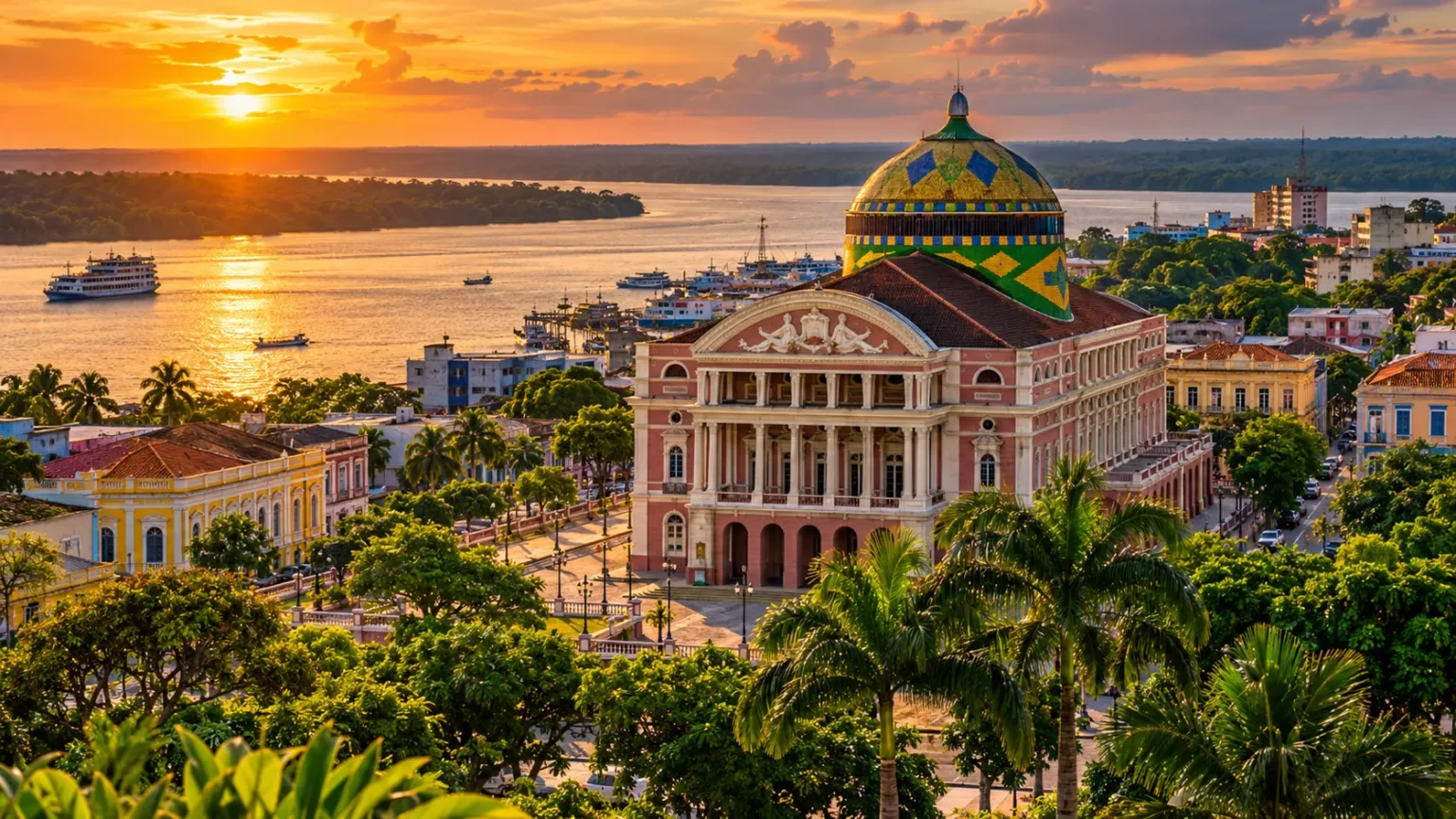
Teatro Amazonas, also known as the Amazonas Theatre, is one of Manaus’s most recognizable landmarks. Opened in 1896 during the region’s rubber-boom period, this historic opera house reflects the wealth and architectural ambitions of that era. Its colorful exterior and impressive dome make it one of the city’s most photographed buildings.
Inside, visitors can admire decorative details, elegant architectural features, and spaces associated with the theater’s cultural history. Guided tours may provide information about the building’s construction, artistic heritage, and role in local society. The theater continues to serve as an important venue for music, performances, and cultural events.
Teatro Amazonas is located in the historic center, making it convenient to combine with nearby sightseeing attractions. Visitors can explore the surrounding streets and appreciate the contrast between historic architecture and modern city life. Tour availability, admission arrangements, and performance schedules should be confirmed before visiting.
Explore the Meeting of the Waters
The Meeting of the Waters, known locally as Encontro das Águas, is one of the most extraordinary natural attractions near Manaus. Here, the dark waters of the Rio Negro meet the lighter, sediment-rich waters of the Solimões River. The two rivers flow alongside each other for a considerable distance before gradually mixing.
This remarkable phenomenon occurs because the rivers have different temperatures, densities, sediment loads, and flow characteristics. The visible contrast between their colors creates a dramatic natural scene that attracts travelers from around the world. Observing the meeting point provides a fascinating introduction to the complexity of Amazonian river systems.
Boat excursions are a common way to experience the Meeting of the Waters. Guided trips may also include nearby river landscapes or other designated attractions, depending on the itinerary. Weather and river conditions can influence visibility and accessibility, so choosing a reputable operator and following boating safety guidance is important.
Discover the Mercado Municipal Adolpho Lisboa
Mercado Municipal Adolpho Lisboa is one of Manaus’s most famous traditional markets. Located near the waterfront, the historic building is known for its distinctive ironwork and architectural character. It offers an opportunity to experience regional commerce, everyday local life, and products associated with Amazonian culture.
Inside the market, visitors can discover regional fruits, fish, spices, handicrafts, and other locally available products. Familiarizing yourself with Amazonian ingredients can be an interesting part of the visit, especially if you enjoy learning about food traditions. The market also provides opportunities to appreciate the region’s diverse agricultural and culinary heritage.
The surrounding waterfront area offers additional insight into the importance of river transportation in Manaus. Boats carry people and goods between the city and communities throughout the Amazon region. Visiting the market during active trading hours can be rewarding, although travelers should remain attentive to personal belongings in crowded areas.
Relax at Ponta Negra Beach
Ponta Negra is one of Manaus’s most popular recreational areas, located along the banks of the Rio Negro. Unlike Brazil’s famous Atlantic beaches, this destination offers a freshwater beach environment surrounded by river scenery. Its broad waterfront promenade attracts residents and visitors who want to relax and enjoy the outdoors.
The Ponta Negra complex includes walking areas, viewpoints, landscaped public spaces, and places to enjoy the surrounding river views. It is particularly attractive during the late afternoon, when the changing light creates beautiful reflections across the water. Visitors can also explore nearby dining options and observe local recreational activities.
Water levels and access conditions can change throughout the year, making it important to follow current beach regulations. Swimming should only take place where officially permitted and considered safe. Even travelers who prefer to remain on land can enjoy the waterfront atmosphere, photography opportunities, and views of the Rio Negro.
Explore the Museu da Amazônia (MUSA)
The Museu da Amazônia, commonly called MUSA, is an excellent destination for travelers who want to learn about the rainforest without traveling far from Manaus. Located within the Adolpho Ducke Forest Reserve area, the museum combines environmental education with opportunities to experience native tropical vegetation. Its setting offers a fascinating introduction to Amazonian biodiversity.
One of MUSA’s most recognizable attractions is its forest observation tower, which provides elevated views across the surrounding canopy. The museum also features exhibitions and educational areas focusing on plants, animals, and ecological relationships. Guided activities may help visitors understand the diversity and scientific importance of the rainforest.
Visitors should prepare for warm, humid conditions and wear suitable footwear for designated forest paths. Access to the observation tower and particular activities may depend on weather, visitor requirements, or scheduled tours. Checking current opening hours and reservation arrangements can help ensure a smoother experience.
Take a Guided Amazon Rainforest Tour
Exploring the Amazon rainforest is one of the most memorable experiences available from Manaus. Guided excursions introduce visitors to tropical forest ecosystems, remarkable plant diversity, and the interconnected relationships between rivers, wildlife, and local communities. Tours vary from shorter nature walks to extended stays at remote rainforest lodges.
Experienced local guides can explain the importance of different plants, identify wildlife signs, and describe how seasonal flooding changes the environment. Some tours focus on birdwatching, while others emphasize photography, forest ecology, or cultural education. Wildlife encounters are never guaranteed because animals move naturally throughout extensive habitats.
Rainforest excursions require appropriate planning because conditions can be hot, humid, wet, and physically demanding. Travelers should select reputable operators that follow conservation practices and suitable safety procedures. Comfortable clothing, insect protection, sufficient drinking water, and attention to guide instructions help support a responsible experience.
Visit Anavilhanas National Park
Anavilhanas National Park is one of the most impressive natural destinations accessible from Manaus. Located along the Rio Negro, the protected area contains an extensive network of forested islands, waterways, and seasonally changing landscapes. Its unusual river archipelago makes it a popular destination for nature photography and guided Amazon excursions.
The park’s appearance changes considerably between higher-water and lower-water periods. When river levels rise, guided boats may navigate certain flooded forest environments. During lower-water months, exposed sandy areas and different navigation routes can create another perspective on the region’s natural beauty.
Novo Airão is an important gateway for exploring Anavilhanas and can be reached from Manaus by road. Guided activities depend on seasonal conditions, park regulations, and operator arrangements. Travelers should choose environmentally responsible excursions and respect protected-area rules to help preserve the park’s ecosystems.
Discover Amazonian Wildlife and Birdwatching
The Amazon region supports an extraordinary variety of wildlife, including colorful birds, monkeys, river dolphins, reptiles, and countless smaller species. Manaus provides access to several forest and river environments where travelers can learn about these animals. Wildlife-focused excursions are particularly appealing to photographers and nature enthusiasts.
Birdwatching is a rewarding activity because the region contains many species adapted to different forest habitats. Visitors may encounter toucans, parrots, herons, and other birds depending on location and season. Knowledgeable guides can help identify species through their appearance, behavior, and calls while minimizing disturbance to their habitats.
Wildlife observation requires patience and realistic expectations. Dense vegetation, changing water levels, and natural animal movement can make sightings unpredictable. Responsible visitors should maintain appropriate distances, avoid feeding wild animals, and never attempt to handle wildlife for photographs or entertainment.
Experience Amazon Riverboat Excursions
Riverboat excursions provide one of the most distinctive ways to appreciate the landscapes surrounding Manaus. The Amazon region contains a vast network of waterways that connect forests, settlements, and protected areas. Traveling by boat allows visitors to understand how rivers shape local transportation, ecosystems, and everyday life.
Excursions range from short sightseeing trips to longer journeys that explore different stretches of the Rio Negro and nearby waterways. Depending on the itinerary, travelers may observe river islands, traditional boats, wetland vegetation, and riverside communities. Extended trips offer additional time to appreciate the changing scenery and natural environment.
Before booking a river excursion, review the operator’s safety procedures, route details, and included services. Weather conditions and changing river levels can affect journey duration and available activities. Selecting well-maintained vessels with appropriate safety equipment is especially important when exploring remote waterways.
Learn About Indigenous and Riverside Communities
Indigenous peoples and traditional riverside communities have shaped the cultural history of the Amazon for generations. Their knowledge, languages, artistic traditions, and relationships with the forest contribute to the region’s identity. Thoughtfully organized cultural experiences can help visitors understand this heritage beyond conventional sightseeing attractions.
Some community-led tourism initiatives offer educational activities focusing on crafts, traditional food, environmental knowledge, and local history. Experiences vary between communities, and not every settlement welcomes tourist visits. Travelers should prioritize programs that operate with community consent and provide meaningful benefits to local residents.
Respectful cultural tourism involves following photography rules, listening carefully, and avoiding assumptions about the lives of local people. Indigenous communities are diverse, with distinct traditions and contemporary experiences. Choosing responsible operators helps encourage genuine cultural exchange rather than treating community members as tourist attractions.
Try Traditional Amazonian Food in Manaus
Manaus offers a distinctive culinary experience influenced by Amazonian ingredients, regional traditions, and Brazil’s wider food culture. Freshwater fish, tropical fruits, cassava products, and local seasonings feature prominently in many dishes. Exploring regional cuisine provides an enjoyable introduction to the environment and cultural identity of Amazonas.
Tambaqui is one of the best-known regional fish and is often prepared grilled or roasted. Another traditional specialty is tacacá, a hot broth-based dish made with ingredients such as tucupi, jambu, and tapioca gum. Visitors may also encounter dishes featuring pirarucu, another fish strongly associated with Amazonian cuisine.
Regional fruits such as cupuaçu, açaí, and other locally grown varieties appear in desserts, drinks, and traditional preparations. Restaurants and markets offer different ways to experience these flavors. Travelers with food allergies or dietary restrictions should ask about ingredients, particularly when trying unfamiliar regional dishes.
Explore the Historic Center of Manaus
The historic center of Manaus provides an opportunity to understand the city’s development during the rubber-boom period. Historic buildings, public squares, and architectural details reflect the economic and cultural changes that shaped the region. Exploring these areas complements the nature-focused experiences for which the city is best known.
Largo de São Sebastião, near Teatro Amazonas, is one of the city’s most recognizable public spaces. Visitors can admire surrounding architecture, observe local activity, and explore nearby cultural attractions. The square’s distinctive paving and historic setting make it a popular location for walking and photography.
Other attractions may include historic government buildings, museums, and restored structures connected with the city’s past. Opening hours and access arrangements vary, so planning visits in advance is useful. Exploring with a knowledgeable guide can provide additional historical context and make the experience more informative.
Best Day Trips From Manaus
Manaus serves as a convenient starting point for excursions into the surrounding Amazon region. Travelers can choose between river-focused activities, rainforest experiences, and trips to nearby towns. The most suitable option depends on available time, transportation conditions, and whether the main interest is wildlife, scenery, or regional culture.
Presidente Figueiredo, located north of Manaus, is known for waterfalls, forest landscapes, and natural attractions. Some locations involve guided walks or access routes that vary with weather. Visitors should research individual attractions carefully because trail difficulty, water conditions, and access requirements differ across the area.
Novo Airão is another rewarding destination, especially for travelers interested in Anavilhanas National Park and the Rio Negro landscape. It provides access to guided boat excursions and nearby natural areas. Travel times can change because of road conditions, weather, and the specific starting point within Manaus.
Best Time to Visit Manaus, Brazil
Manaus has a tropical climate characterized by high temperatures, considerable humidity, and rainfall throughout the year. However, the amount of rain and the level of surrounding rivers change seasonally. These variations influence which activities are available and how visitors experience rainforest and river environments.
The wetter part of the year generally occurs from around December through May, although conditions vary. Higher river levels can create opportunities for guided visits to flooded forest areas during portions of the year. The relatively drier months often offer different trails, exposed riverbanks, and conditions that some travelers prefer for outdoor activities.
There is no single perfect month for every type of Amazon experience. Visitors interested in flooded forests may choose different dates from those hoping to see seasonal river beaches. Before booking, consider the activities you want and consult tour operators about expected water levels, access conditions, and typical weather.
How Many Days Do You Need in Manaus?
The ideal length of a Manaus visit depends on whether you plan to focus on city attractions or explore the surrounding rainforest. Two or three days can provide time to visit important historic landmarks, explore local markets, and experience a short river excursion. However, this schedule allows only a limited introduction to the wider Amazon region.
A visit lasting four to six days offers more flexibility for combining Manaus sightseeing with guided nature activities. Travelers may have time to explore Teatro Amazonas, visit MUSA, experience the Meeting of the Waters, and stay at a rainforest lodge. Seasonal conditions and transportation requirements should influence the itinerary.
Longer visits are particularly rewarding for travelers interested in birdwatching, photography, or remote natural areas. Additional days allow for more detailed exploration and provide flexibility when weather affects planned activities. Avoid creating an overly crowded schedule because boat transfers and forest excursions can require substantial travel time.
Where to Stay in Manaus
Manaus offers accommodation ranging from budget-friendly guesthouses to larger hotels and specialized rainforest lodges. The best area depends on the attractions you want to visit and the type of experience you prefer. Staying within the city is convenient for exploring cultural landmarks, restaurants, and transportation connections.
The historic center provides access to Teatro Amazonas, traditional markets, and several important sightseeing locations. Hotels around Ponta Negra may appeal to travelers who prefer river views and waterfront surroundings. Both areas offer different advantages, so comparing location, transport access, and accommodation facilities is useful.
Rainforest lodges outside Manaus provide a more immersive natural experience but may require boat or road transfers. These properties often include guided activities as part of their packages. Before booking, confirm transportation, meals, electricity availability, communications access, and the specific excursions included in the price.
Essential Travel Tips for Visiting Manaus
Preparing for Manaus begins with understanding its hot and humid climate. Lightweight breathable clothing, suitable walking shoes, sun protection, and insect repellent are useful for many activities. A compact rain jacket is also practical because showers can occur throughout the year, even during relatively drier months.
Health planning is especially important for travelers entering tropical environments. Consult a qualified travel healthcare professional about recommended vaccinations, yellow fever guidance, and destination-specific mosquito-borne disease precautions. Drinking safe water, following food hygiene practices, and carrying necessary personal medication can also support a more comfortable journey.
When exploring Manaus and surrounding areas, use reputable transportation providers and follow local safety advice. Guided rainforest and river excursions should prioritize wildlife conservation and established safety practices. Carry essential documents securely, confirm activity details in advance, and allow flexibility for changes caused by weather or river conditions.
Conclusion
Manaus is one of Brazil’s most distinctive travel destinations, combining historic architecture, fascinating local traditions, and direct access to extraordinary Amazonian environments. Attractions such as Teatro Amazonas, the Meeting of the Waters, Ponta Negra, and the Adolpho Lisboa Market provide memorable experiences within and around the city. Each reveals a different aspect of Manaus’s natural and cultural character.
Beyond its urban attractions, Manaus is an important gateway to rainforest lodges, river excursions, wildlife observation, and protected areas such as Anavilhanas National Park. These experiences allow visitors to appreciate the diversity and ecological importance of the Amazon. Choosing responsible operators and respecting local communities helps support sustainable tourism throughout the region.
Planning a successful trip involves considering seasonal river conditions, transportation arrangements, accommodation, and personal travel interests. Whether you prefer cultural sightseeing, rainforest exploration, or peaceful river landscapes, Manaus offers something memorable. With thoughtful preparation, a journey to this Amazonian city can become an unforgettable introduction to one of the world’s most remarkable natural regions.
Frequently Asked Questions
What is Manaus, Brazil, famous for?
Manaus is famous for its location near the Amazon rainforest, the historic Teatro Amazonas, and the Meeting of the Waters. It also serves as a major gateway for Amazon river and rainforest tours.
How many days are enough to visit Manaus?
Three to five days can provide time for major city attractions and selected Amazon excursions. Travelers planning rainforest lodge stays or longer river journeys may benefit from additional days.
What is the best month to visit Manaus?
July through September is often appealing for relatively less rainfall, but Manaus can be visited year-round. The best timing depends on whether you prefer flooded forests or lower-water landscapes.
Can you visit the Amazon rainforest from Manaus?
Yes, Manaus is a major starting point for guided Amazon rainforest tours, river excursions, and jungle lodge stays. Activities vary according to seasonal conditions, transportation, and the selected operator.
Is Manaus worth visiting for tourists?
Yes, Manaus offers a unique combination of Amazonian nature, historic architecture, regional cuisine, and cultural experiences. It is especially rewarding for visitors interested in rainforest ecology and river landscapes.