
Introduction to Budget Backpacking
Backpacking has emerged as a popular travel style that allows individuals to explore various destinations while embracing a sense of adventure and spontaneity. However, contrary to the traditional notion of expensive travel, budget backpacking offers a refreshing approach that focuses on experiencing the world without breaking the bank. This travel method is characterized by a lighter wallet and a more sustainable lifestyle.
Budget backpacking enables travelers to immerse themselves in local cultures, connect with fellow wanderers, and discover hidden gems that may not be on the typical tourist radar. By adopting a budget-friendly mindset, backpackers can choose to stay in hostels, utilize public transportation, and seek out affordable dining options, thereby creating an enriching travel experience without excessive costs. The freedom to roam without financial burdens enhances the adventure, allowing for spontaneous decisions that can lead to unforgettable encounters.
Moreover, this approach to travel fosters a sense of community among backpackers. Many travelers share tips, resources, and experiences that aid others in navigating the complexities of affordable travel. Engaging with local communities not only enriches the journey but also encourages responsible tourism practices that benefit economies and cultures. Furthermore, budget backpacking instills essential life skills, such as planning, resourcefulness, and adaptability, which are valuable beyond the realm of travel.
In conclusion, embracing budget backpacking is not merely about saving money; it is an invitation to explore the world in its rawest form. It emphasizes the joy of travel, connection with others, and the thrill of adventure while respecting financial constraints. For those looking to embark on a journey filled with excitement, experiences, and memories, budget backpacking stands as an ideal choice.
Planning Your Backpacking Trip
Embarking on your first backpacking journey necessitates thorough planning. Choosing the right destination is one of the foundational steps in this process, as it sets the tone for your overall experience. When selecting a location, consider the type of terrain and climate you are comfortable navigating. National parks often provide a multitude of trails and amenities that cater to beginners, making them a great choice for novice backpackers.
Once a destination is chosen, it is vital to decide on travel dates. Timing can significantly impact your experience due to variations in weather conditions, trail accessibility, and seasonal crowds. Research peak seasons and local weather patterns to select dates that offer the most favorable conditions for your intended activities.
Researching the best routes and spots to visit within your chosen destination is crucial. Utilize online resources, such as hiking forums and travel blogs, to gather insights and recommendations from experienced backpackers. Topographic maps, trail apps, and screening for user reviews will aid in selecting suitable paths that match your skill level and physical endurance.
Your trip’s duration is another important aspect of your planning phase. Beginners might start with short trips ranging from one to three days, which are manageable yet allowing enough time to absorb the experience. As you become more adept, you can gradually increase the duration and complexity of your trips.
Finally, consider your travel companions. Backpacking with friends or like-minded individuals can enhance safety and enjoyment. It is essential to discuss individual skill levels and personal preferences to ensure everyone is on the same page regarding the trip’s objectives. By following these guidelines, you can effectively plan a rewarding and memorable backpacking trip that aligns with your budget and experience level.
Essential Gear for Budget Backpacking
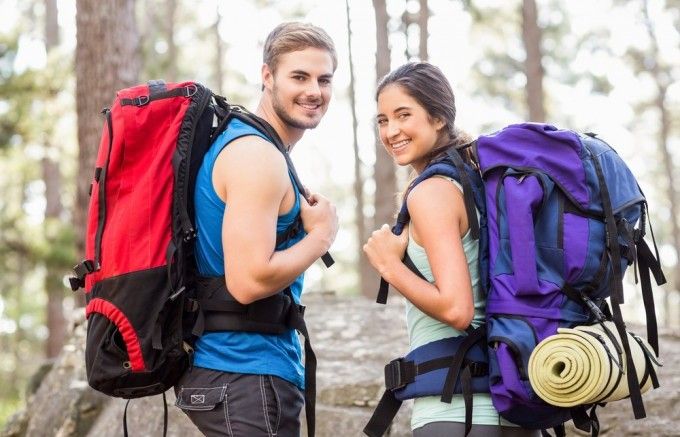
Embarking on a backpacking journey does not necessitate a hefty financial investment. Selecting appropriate gear for budget backpacking is crucial to achieving a comfortable and enjoyable outdoor experience. First and foremost, the choice of a backpack is fundamental. A lightweight, externally framed backpack with ample capacity, typically between 40 to 60 liters, is ideal for novice backpackers. It is advisable to prioritize comfort and fit, as an inadequate backpack can lead to discomfort during long treks. Look for budget-friendly options in thrift stores or on online marketplaces where second-hand gear is often available.
A good tent is another essential component of budget backpacking gear. Lightweight one- or two-person tents, designed for easy setup, can often be found at reasonable prices. These tents should provide adequate protection against the elements while being compact enough for easy transportation. Additionally, choosing a tent with space to store gear can enhance your overall experience.
When it comes to sleeping arrangements, a reliable sleeping bag is key. Look for a sleeping bag rated for the temperatures you expect to encounter. Synthetic sleeping bags are often more affordable than down options and perform well in terms of insulation even when wet. It is also wise to invest in a sleeping pad for added comfort and insulation from the ground.
Cooking equipment is equally important for budget backpacking. A lightweight camp stove and basic cook set can be obtained without breaking the bank. Consider opting for multi-use tools, such as a pot that doubles as a pan, to save space and costs. Affordable camping gear can often be found during sales or clearance events, which can substantially reduce overall expenses. Prioritizing needs over wants will streamline your packing process and keep costs manageable.
Affordable Travel Destinations
When embarking on a backpacking adventure, choosing the right destination can significantly impact your budget. Several regions around the world have earned recognition for being particularly budget-friendly, offering economical accommodation options, inexpensive local transportation, and stunning natural sights that are accessible to all travelers.
One highly recommended area for budget backpackers is Southeast Asia. Countries such as Thailand, Vietnam, and Cambodia are renowned for their low-cost hostels and guesthouses, where a night’s stay can be found for as little as $10. Furthermore, local transportation, including buses and trains, tends to be very affordable, allowing you to explore these vibrant locales without straining your wallet. The region boasts incredible natural beauty, from the stunning beaches of Thailand to the lush rice terraces of Vietnam that are often free to explore.
Another region worth considering is Eastern Europe. Countries like Hungary, Poland, and Romania offer charming cities with rich histories and affordable accommodation options. For example, Budapest features numerous hostels and shared rooms at reasonable prices. Public transportation in these cities is also inexpensive, making it easier to visit various attractions, including historical sites, museums, and national parks that highlight the beauty of the landscape.
Additionally, South America presents many opportunities for budget travelers. Peru, in particular, is famous for its hostels along the Inca Trail that provide economical lodging with access to breathtaking scenery such as Machu Picchu. Public transport networks are often efficient and easy to navigate, offering a chance to experience the culture without excessive costs.
In exploring these affordable destinations, budget backpackers can enjoy remarkable experiences while maintaining control over their finances. An essential part of preparation is researching which regions best align with both your budget and interests, ensuring that your adventure is both memorable and economical.
Money-Saving Tips While Backpacking
Backpacking on a budget is both a rewarding and an economical way to explore the world. By adopting a few practical strategies, travelers can save significant amounts of money, allowing them to extend their journeys or enhance their experiences. One of the most effective ways to cut costs while backpacking is by cooking your meals rather than relying exclusively on dining out. Many hostels and shared accommodation options are equipped with kitchen facilities, giving you the opportunity to prepare simple, nutritious meals. Purchasing groceries from local markets not only saves money but also allows you to immerse yourself in the local culture.
Utilizing public transport is another smart money-saving tip. Many cities offer excellent bus, tram, or train services that enable travelers to navigate without the high costs associated with taxis or car rentals. Familiarizing yourself with local transit systems can be both educational and economical, providing insights into daily life in the area. For added savings, consider walking; it’s a great way to discover hidden gems while enjoying your surroundings at a leisurely pace.
When it comes to attractions, many cities offer free or low-cost options that often exceed the value of more expensive admission fees. Look for free walking tours, community events, or natural attractions such as parks and hiking trails. Additionally, acquiring city passes can provide reduced entry costs to multiple attractions, along with perks such as public transport discounts.
Lastly, maintaining a daily budget can help you stay mindful of your spending. Allocating specific amounts for accommodation, food, and activities allows for more control over your finances and prevents overspending. By implementing these strategies, backpackers can experience more without succumbing to financial stress.
Packing Efficiently for Backpacking
When embarking on a backpacking journey, the way one packs can significantly impact the experience. Effective packing allows for easier movement and a more enjoyable trip, especially when on a budget. To begin, selecting versatile clothing is essential. Opt for lightweight, quick-drying fabrics that can be layered. Such clothing not only helps with varying weather conditions but also minimizes the total weight carried. Choose items that can serve multiple purposes; for example, a pair of pants that convert into shorts can prove to be invaluable.
In terms of equipment, prioritize multifunctional gear. A compact sleeping bag that provides warmth in cooler temperatures while remaining lightweight is ideal. Equip yourself with a portable cooking set that caters to various meal options. Ensuring that everything serves a dual purpose will aid in making your backpack lighter without compromising on essentials.
Strategic packing techniques further enhance efficiency. Roll clothes rather than folding them, as this process saves space and reduces wrinkles. Use packing cubes or compression bags to categorize and compact your belongings effectively. They not only save space but also allow for quick access to items without the need to unpack the entire bag. Another tip is to place heavier items close to your back to maintain balance and reduce strain during your trek.
In addition to clothing and equipment, prioritize comfort and safety items. A quality first aid kit, water purification system, and reliable navigation tools are non-negotiable. Investing in a sturdy backpack with adequate support can make a world of difference, especially over long distances. By practicing these packing strategies and selecting multifunctional gear, you ensure that you pack efficiently for your backpacking trip, highlighting comfort and preparedness, all while staying within budget.
Understanding Backpacker Etiquette
Backpacking is not only an adventurous way to explore various destinations, but it also comes with a set of unwritten rules and etiquette that every backpacker should embrace. Respectfulness towards both the local communities and fellow travelers is paramount. Understanding and adhering to these guiding principles can enhance the backpacking experience significantly.
A core aspect of backpacker etiquette is environmental responsibility. As travelers venture through serene landscapes and vibrant localities, it is essential to practice sustainable travel habits. This includes minimizing waste, sticking to marked trails, and ensuring that anything brought into a natural space, such as food scraps or plastic, is taken back out. By treating these wonderful environments with care, backpackers contribute to preserving them for future generations.
Additionally, connecting with other travelers can enrich one’s journey but requires a certain level of consideration. It is advisable to maintain a respectful distance, particularly in shared accommodations, and to engage in quiet activities during late hours. Being mindful of noise levels and personal space promotes a positive atmosphere in communal areas. Engaging in polite conversation or offering assistance can foster connections, leading to memorable shared experiences that define the backpacking community.
Furthermore, respecting local customs and traditions is crucial when traveling to new places. Observing local dress codes, participating in cultural activities, and learning a few basic phrases in the local language can go a long way in showing appreciation for the host culture. This not only strengthens the backpacker’s connection with the community but also creates a more immersive travel experience.
Incorporating these facets of etiquette into a backpacking journey allows for a more respectful and considerate approach to travel, making each adventure not just memorable for the traveler but also for the local communities encountered along the way.
Staying Safe and Healthy on the Trail
Backpacking can be an exhilarating experience, offering a chance to connect with nature while staying budget-friendly. However, ensuring your safety and health while on the trail is crucial for a successful trip. To begin with, staying hydrated is essential. Water should be your primary beverage; carry a water filter or purification tablets to treat water sourced from streams or other locations. Aim to drink water regularly, even before feeling thirsty, as dehydration can quickly inhibit your performance.
Understanding health risks associated with backpacking is equally important. Rural and mountainous terrains may expose you to environmental elements that can be detrimental to your health. Be mindful of weather conditions and exertion levels to prevent heat exhaustion or hypothermia. Research the region you plan to explore, noting any potential wildlife encounters or plant hazards. Arm yourself with knowledge, as this can significantly enhance both your safety and enjoyment.
Basic first aid knowledge is invaluable for any backpacker. Prepare a small first aid kit that includes essentials such as adhesive bandages, antiseptic wipes, pain relievers, and any personal medications. Familiarize yourself with basic first-aid techniques, such as how to treat blisters, sprains, or allergic reactions. In the event of an injury, being equipped to respond efficiently can make a difference in your overall well-being.
Moreover, safeguarding personal belongings while exploring is imperative. Use secure bags with zippers, and consider investing in lockable compartments. Always keep your valuables close and avoid drawing unnecessary attention to them. When camping, ensure that food and enticing smells are stored safely to deter wildlife from rummaging through your campsite. By adhering to safety and health protocols, budget backpackers can enhance their wilderness experience while minimizing risks.
Conclusion and Encouragement for New Backpackers
Backpacking on a budget is not only a practical approach to travel but also a rewarding adventure that fosters personal growth and enriches life experiences. Throughout this guide, we’ve explored various ways to minimize expenses while maximizing enjoyment, including selecting affordable accommodations, utilizing public transportation, and engaging in free or low-cost activities. By applying these strategies, you can discover new destinations without the burden of overspending.
It is essential to remember that budget backpacking does not equate to sacrificing quality or experiences. On the contrary, many budget-friendly options allow for more authentic encounters with locals and cultures. By prioritizing your travel experiences over luxurious accommodations or dining, you open yourself up to a diverse range of adventures that can make your travels all the more memorable.
As a new backpacker, it is normal to feel apprehensive about stepping into the unknown. The fear of uncertainty and potential challenges may deter some, but embracing these feelings as part of the journey can lead to invaluable lessons about resilience and adaptability. So, take that leap of faith, pack your essentials, and set off on a journey to explore the world around you.
In the realm of budget backpacking, the possibilities are as vast as the landscapes you will encounter. Whether you choose to wander through bustling markets, hike picturesque trails, or engage in volunteer work abroad, each experience will contribute to a broader understanding of our global community. So, don’t hesitate to step outside your comfort zone; the world awaits with new adventures.