

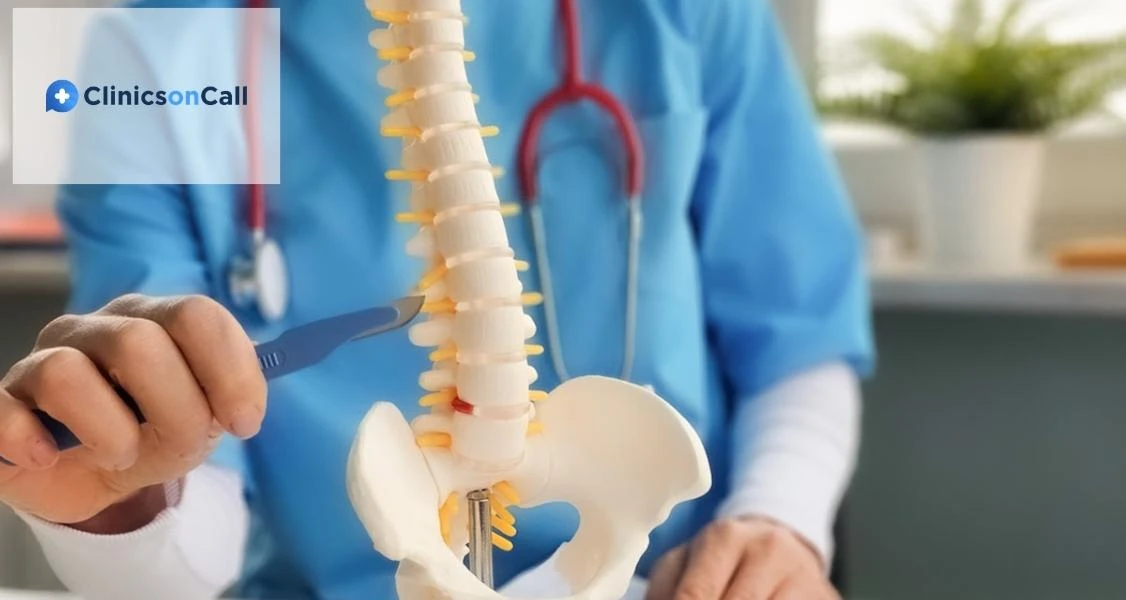
Spine Surgery in South Korea: Why UK Patients Are Looking East
For people in the UK living with severe back or leg pain, waiting for treatment can be difficult. NHS England aims for patients to start consultant-led treatment within 18 weeks of referral.
However, this target is not met for every patient. NHS England continues to publish monthly referral-to-treatment figures showing the number of patients waiting for treatment. For some patients, this has raised another option: travelling abroad for treatment.
South Korea is one destination attracting international patients who need specialist spinal care. Its major hospitals offer minimally invasive and endoscopic procedures for selected spinal conditions. These techniques use smaller access points than some traditional operations and can reduce disruption to surrounding tissues.
However, travelling overseas for spine surgery requires careful planning. The procedure itself is only one part of the decision. Patients also need to consider recovery, flights, rehabilitation, insurance and follow-up after returning home.
Why UK Patients Are Looking Abroad for Orthopedic Care?
Long NHS waiting times are one reason some UK patients explore treatment abroad. The NHS standard is to start treatment within 18 weeks of referral for patients on an elective pathway, although actual waiting times can be longer.
For someone dealing with ongoing back pain, sciatica, numbness or reduced mobility, a prolonged wait can affect work and daily activities. Private treatment in the UK can offer another route, but the cost may be difficult for some patients. This is where medical travel can become an option.
That does not mean surgery abroad suits everyone. A patient should first have the correct diagnosis. MRI scans and other investigations should be reviewed by a qualified spinal specialist who can determine whether surgery is appropriate.
What Endoscopic Spine Surgery Can Change About Recovery?
Endoscopic spine surgery uses a small camera and specialised instruments through a small opening. Depending on the condition, the surgeon may use the technique to remove a disc fragment or relieve pressure on a spinal nerve.
One reason patients consider these procedures is recovery. Smaller access points may mean less damage to surrounding muscle, less postoperative discomfort and a shorter hospital stay for suitable patients.
However, “minimally invasive” does not mean “risk-free” or “instant recovery”. The recovery period depends on the procedure, the patient’s health and whether any complications occur.
Flight timing also needs careful consideration. A long-haul journey involves sitting for many hours and may not be appropriate immediately after surgery.
Patients should therefore ask the surgeon for a written recovery plan before booking flights. It should state how long they are expected to remain in South Korea, when they can travel, what activities they should avoid and when they can begin physiotherapy.
Seoul’s Hospital System: Kang Dong, Samsung Medical Center and Severance
Several major hospitals in Seoul have established spine services and international patient departments.
Kang Dong Hospital
Kangdong Hospital has a dedicated Spine Center offering treatment for different spinal conditions. Its services include minimally invasive procedures such as posterior stenoscopic lumbar decompression. The center also works across orthopedics, neurosurgery, pain medicine and rehabilitation medicine.
For international patients, access to different specialties can be useful when a case requires more than a single procedure.
Samsung Medical Center
Samsung Medical Center has a Spine Center treating conditions including degenerative spinal disease, spinal deformities, trauma, infection and spinal tumors.
Its spine team includes specialists from orthopedics, neurosurgery, radiology, pain medicine and rehabilitation. The hospital also has an international healthcare center for overseas patients, including services for reviewing medical records and coordinating care.
Severance Hospital
Severance Hospital has an international healthcare center that supports patients from overseas. Services include interpretation, coordination and follow-up. These services matter because an overseas patient needs support before and after the operation, not just on the day of surgery.
South Korea vs Turkey vs Thailand
The price of spine surgery varies by procedure, hospital, surgeon, and whether implants are required. The figures below are general costs, not guaranteed prices.
| Country | Cost | Hospital Stay | Rehabilitation | Flight from London |
|---|---|---|---|---|
| South Korea | Varies from $3000-$12000 | 1-5 nights | Available | Around 11–12 hours |
| Turkey | $4000-$18000 | 2-7 nights | Available | Around 4 hours |
| Thailand | $2000-$9000 | 1-3 nights | Depends on hospital | Around 11–12 hours |
Insurance, Follow-Up and What Happens If There Is a Complication
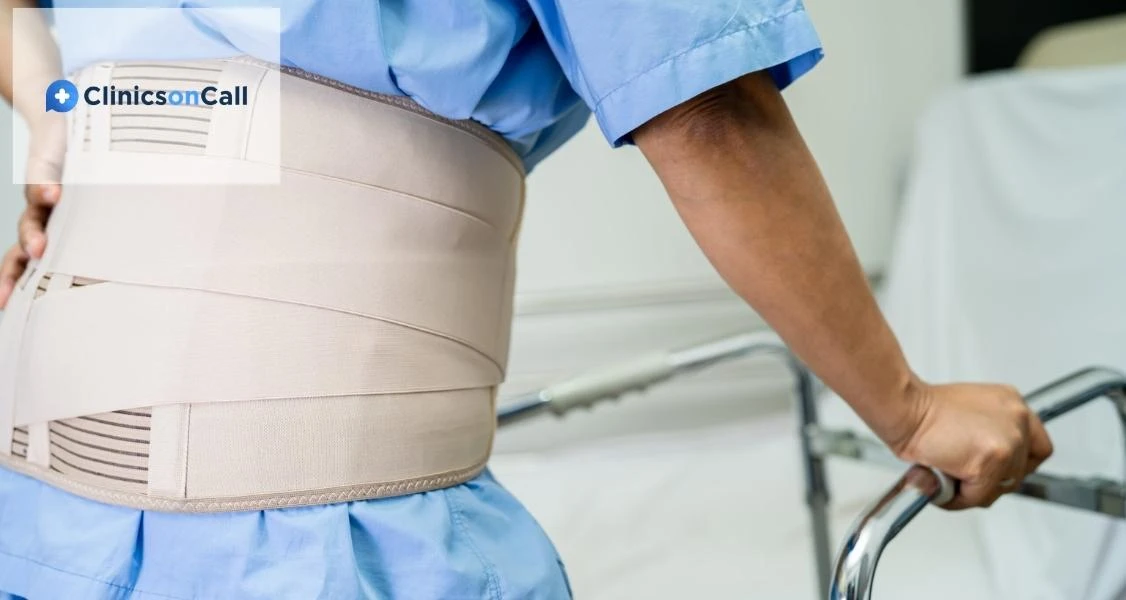
Travel insurance does not automatically cover planned medical treatment abroad. Some policies exclude treatment that is the main reason for travelling. Before booking, patients should ask their insurer whether the policy covers overseas surgery, emergency treatment and complications after the procedure.
Patients should also discuss follow-up before leaving the UK. Ask whether the hospital offers online consultations after returning home and how postoperative problems will be handled. Patients should also arrange appropriate follow-up in the UK. Depending on the procedure, this may involve a GP, spinal specialist, physiotherapist or another healthcare professional.
If a complication occurs after returning home, the Korean hospital may not be able to provide immediate physical treatment. The patient may need assessment at a UK hospital.
For this reason, patients should return with copies of their operative report, discharge summary, MRI or other imaging, medication list and any postoperative instructions. They should also have a direct contact for the overseas hospital.
Checks to Make Before Paying a Deposit
A quick surgery date or attractive price should not be the main reason for choosing a clinic. Before paying a deposit, patients should check:
- Who will perform the surgery?
- How experienced is the surgeon with the exact procedure?
- Has a qualified specialist reviewed the patient’s MRI?
- Is the hospital properly licensed and equipped for the planned surgery?
- What exactly does the quoted price include?
- Are anesthesia, medicines, imaging and hospital nights included?
- Are implants included if they are needed?
- What happens if an additional procedure becomes necessary?
- How long does the surgeon expect the patient to stay in South Korea?
- When will the patient be cleared to fly?
- Is rehabilitation available after discharge?
- What happens if a complication develops?
- Who pays for additional treatment?
- What follow-up is available after returning to the UK?
- Will the patient receive complete medical records in English?
Conclusion
Endoscopic spine surgery can provide a less invasive option for carefully selected patients. It may also allow some patients to return to normal activities sooner than with more extensive surgery. But the right procedure depends on the diagnosis, anatomy and individual circumstances.
For UK patients considering spine surgery abroad, the decision should therefore involve more than the surgery price or waiting time. The full pathway matters, from specialist assessment and treatment to rehabilitation, flight planning and follow-up once the patient is back home.