

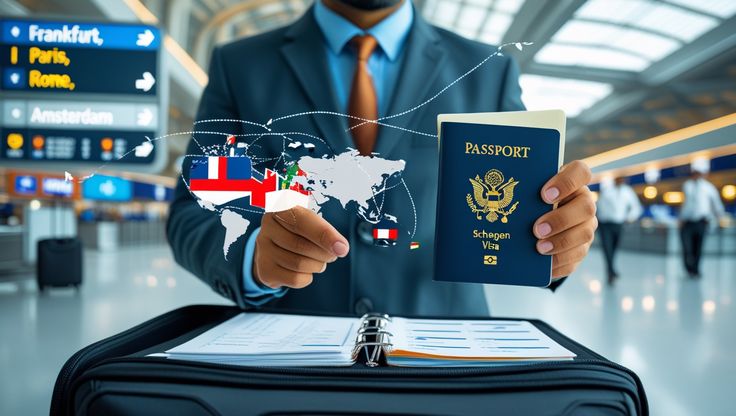
Understanding Visas: Types and Purposes
When planning international travel, understanding the various types of visas is crucial. A visa is an endorsement placed in a passport that allows the bearer to enter a foreign country for a specific purpose. Different countries have different visa requirements, and travelers must choose the appropriate visa type based on their intentions. This section examines the main types of visas including tourist, business, student, and transit visas.
The tourist visa is the most common type of visa, typically granted to travelers who wish to visit a country for leisure purposes. These visas generally have a limited duration, allowing visitors to explore local attractions, culture, and lifestyle. Requirements for a tourist visa often include proof of accommodation, return flight bookings, and financial means to support oneself during the stay.
Next, the business visa caters to individuals traveling for professional engagements, such as meetings, conferences, or negotiations. Business visas may have varying conditions, and applicants might need to demonstrate a clear business purpose, invitation letters from hosts, and details on the duration of stay. It is essential for business travelers to comply with immigration laws, as working without the proper visa can lead to serious consequences.
Student visas are intended for individuals who wish to pursue education in a foreign country. To obtain a student visa, applicants are usually required to provide proof of enrollment in an educational institution, evidence of sufficient financial resources, and sometimes, medical insurance. Furthermore, these visas often have restrictions related to part-time work during study periods.
Lastly, a transit visa is necessary for travelers passing through a country en route to their final destination. This visa allows individuals to remain in the airport or a specified area for a limited time, typically without entering the country’s main territory. Requirements can vary significantly, depending on the country.
How to Determine Visa Requirements for Your Destination
Visa requirements can vary significantly based on both the destination country and the traveler’s nationality. Therefore, it is essential for international travelers to conduct thorough research to ensure they meet all necessary requirements before embarking on their journey. One of the first steps to determine visa requirements is to visit the official website of the embassy or consulate of the country you are planning to visit. These websites are usually the most reliable sources of information, providing up-to-date details regarding entry, exit, and visa policies.
In addition to embassy websites, travelers can utilize various online visa checker tools. These tools allow users to input their nationality and destination to receive tailored information about visa regulations. Many reputable travel and governmental sites offer these services, making it easier for travelers to understand whether they require a visa, the type of visa needed, and how to apply for it. Using a visa checker tool can simplify the research process, saving time and minimizing confusion.
Another important factor to consider is the specific regulations that may apply to different nationalities. Some countries may have reciprocal agreements that allow citizens from particular countries to enter without a visa or offer expedited processes for certain nationalities. Additionally, visa requirements can change based on current diplomatic relations, health situations, or security measures. Therefore, it is advisable for travelers to check for any travel advisories or updates regarding entry requirements as part of their planning.
In conclusion, determining visa requirements involves a meticulous approach that includes visiting official embassy websites, utilizing visa checker tools, and being aware of country-specific regulations. By taking these steps, international travelers can ensure a smoother travel experience with fewer complications related to visas.
The Visa Application Process: A Step-by-Step Guide
Applying for a visa can be a complex process that requires careful attention to detail. To streamline your application, it is crucial to follow a structured approach. This guide outlines the necessary steps to enhance your chances of obtaining a visa successfully.
The first step is gathering the necessary documents. Requirements may vary depending on the country you are applying to and the type of visa you seek. Generally, you will need a valid passport, recent passport-sized photographs, and proof of your travel itinerary. Additionally, be prepared to provide financial statements, sponsorship letters, or employment verification, as appropriate. Ensure that all documents adhere to the specifications set by the consulate or embassy.
Next, you need to complete the visa application form accurately. Many countries now offer online applications, while others may require paper forms. Pay close attention to the instructions provided, checking for details regarding required signatures and fees. Mistakes or omissions can lead to delays or rejections, so it is essential to review your application thoroughly before submission.
If an interview is part of the process, schedule it as early as possible. Some countries may have long wait times for appointments, so planning ahead will facilitate a smoother experience. During the interview, present your documents and confidently answer any questions regarding your travel plans. It is advisable to prepare for potential inquiries regarding the purpose of your visit, your planned activities, and your financial means for the trip.
Finally, when submitting your application, ensure it is complete and organized. Consider using a checklist to confirm that you have included all required documentation. Submitting a well-prepared application minimizes the risk of delays and increases the likelihood of approval. By following these steps, you will navigate the visa application process more effectively and boost your chances of a successful outcome.
Common Visa Application Mistakes to Avoid
Applying for a visa can be a complex and meticulous process that sometimes leads to common pitfalls capable of derailing your travel plans. The first mistake many applicants make is providing incomplete information. It is crucial to ensure that each section of the visa application is thoroughly filled out. Even minor omissions can lead to rejection or significant delays, as visa officers may not be willing to make assumptions about missing details. Always double-check your application for completeness before submission.
Another prevalent error is neglecting to review the specific requirements for the particular visa type you are applying for. Different travel destinations have varying visa stipulations, including documentation, fees, and processing times. Misunderstanding these requirements can result in unnecessary rejections or delays. It is advisable to consult the official embassy or consulate websites to gather accurate, up-to-date information before proceeding with your application.
Additionally, mistakes in documentation can prove detrimental. Submitting incorrect forms or failing to provide necessary supporting documents, such as financial statements or travel itineraries, may lead to complications. Always ensure that all supporting documentation adheres to the guidelines set forth by the respective authorities. Furthermore, consistency in information across all documents is vital; discrepancies can raise red flags for visa officials.
Finally, be cautious about applying too late or too early. Timing your visa application is critical to ensuring that your documents are processed in a timely manner, as most visa types have strict processing windows. A proactive approach, combined with meticulous attention to detail throughout the visa application process, will significantly reduce the chances of encountering issues.
How Long Does It Take to Get a Visa?
When planning international travel, a critical aspect to consider is the time required to obtain a visa. Visa processing times vary significantly by country, visa type, and individual circumstances. For instance, a visitor’s visa may be processed within a few days in some countries, while in others, it might take several weeks or even months. Therefore, understanding the typical waiting times can aid in effective travel planning.
One of the main factors influencing visa processing time is the type of visa being applied for. Different categories, such as tourist, student, and work visas, have distinct requirements and processing times. Generally, tourist visas may have shorter processing periods, often taking anywhere from 2 to 15 working days. In contrast, work visas can take longer due to the need for additional documentation and checks, possibly extending the waiting time to several months.
Other factors to consider include the volume of applications received by the embassy or consulate, the specific country’s immigration regulations, and the time of year (peak travel seasons often slow processing). Additionally, potential applicants should factor in personal circumstances, such as the accuracy of the submitted documentation and whether additional information might be required, which could further delay processing.
It is essential to apply well in advance of planned travel to mitigate these uncertainties. As a general guideline, travelers should consider applying for their visa at least three to six months before their intended departure date. By doing so, travelers can avoid unnecessary stress and complications, ensuring they secure their travel documents on time and focus on enjoying their international journey.
Visa Fees: Understanding Costs and Payment Methods
When planning international travel, understanding visa fees is crucial for budgeting. Visa costs can vary widely depending on the country and type of visa you are applying for. Generally, application fees are the primary expense, often ranging from $20 to $500 or more. Some nations may charge additional service fees that cover the processing of your application, which can further influence the overall cost of obtaining a visa.
For example, a tourist visa might have a lower fee compared to work or student visas, which are likely to encompass additional expenses due to the complexity of processing. Moreover, different services often have expedited processing fees for travelers who need their visas quickly. This fee can sometimes double the application fee, depending on how urgent the travel plans are.
When preparing to pay for your visa, it is essential to be aware of the acceptable payment methods. Most embassies and consulates accept various payment options, including credit cards, debit cards, money orders, or bank drafts. However, payments in cash form are typically not accepted due to security measures. Each consulate may have different policies regarding payment methods, so it is advisable to confirm the preferred payment options on the official embassy or consulate website before proceeding with your application.
Furthermore, it is important to be aware of additional costs that might arise during the process, such as travel insurance or legal fees, particularly for long-term visas. This comprehensive approach to understanding the visa fees will ensure travelers are fully informed and financially prepared for their journey.
Exploring Visa Exemptions and the Visa Waiver Program
Visa exemptions are a significant aspect of international travel, allowing travelers from specific countries to enter another nation without obtaining a visa prior to arrival. Various countries maintain lists of nationalities that benefit from these exemptions, aimed at promoting tourism and fostering international relations. Generally, travelers should confirm their eligibility based on their nationality and the destination country. These exemptions can vary greatly; some nations allow short stays for tourism or business purposes, while others might stipulate longer durations for cultural exchanges or family visits.
One crucial component of visa exemptions is the Visa Waiver Program (VWP), particularly pertinent for citizens of the United States. The VWP allows nationals from 40 participating countries to enter the U.S. for tourism or business without a visa for stays of up to 90 days. However, travelers must apply for an Electronic System for Travel Authorization (ESTA) prior to their journey, providing information regarding their eligibility and purpose of travel.
The criteria for participating in the VWP can vary and generally include factors such as having a valid passport with an electronic chip, ensuring the passport is valid for at least six months beyond the planned departure date, and not having a previous violation of travel regulations. It is important to note that while visa exemptions can relieve some of the burdens associated with international travel, ignorance of the regulations can lead to inconveniences or even denial of entry. To prevent any issues, travelers should always verify the specific terms of entry applicable to their nationality when planning their trip.
What to Do if Your Visa is Denied
Experiencing a visa denial can be a disheartening situation for international travelers, but it is essential to remain composed and informed about the subsequent steps. The first course of action is to carefully review the denial notice provided by the consulate or embassy. This document typically outlines the reasons for the visa rejection, which can range from insufficient documentation to questions surrounding your intent of travel.
If you believe that the visa denial was unjust, you may consider appealing the decision. The appeal process differs by country, but it usually involves submitting additional documents or clarifying any misunderstandings that may have led to the denial. It is prudent to ensure that your appeal comprehensively addresses the reasons provided in the denial notice, thereby increasing the chance of a favorable outcome.
Alternatively, you may choose to reapply for the visa. Before doing so, take the time to amend any issues highlighted in the denial, enhancing the completeness and accuracy of your application. This could involve obtaining additional financial documentation, securing an invitation letter, or clarifying your travel itinerary. When reapplying, be sure to provide a detailed explanation regarding the changes made since your last application.
Furthermore, it is beneficial to seek the assistance of an immigration lawyer or an experienced consultant. They can provide tailored advice and strategies for presenting a stronger case in your subsequent application. This can be particularly helpful in understanding immigration laws and effectively navigating complex visa regulations.
Overall, while a visa denial may be challenging, approaching the situation with a structured plan can pave the way for future success. Addressing the reasons for denial and seeking professional guidance ensures that your subsequent applications meet the necessary requirements, enhancing your chances of obtaining the desired visa.
Staying Informed: Resources for Visa Updates
In the fast-changing landscape of international travel, staying informed about visa regulations and policies is paramount for travelers. With various countries implementing new visa requirements or adjustments to existing rules, relying on updates from accurate and credible sources can reduce uncertainty and enhance travel experiences.
One of the most reliable sources for visa updates is official government websites. Each country typically has a dedicated portal detailing current visa regulations, requirements, and application processes. For instance, the U.S. Department of State and the UK Home Office provide comprehensive resources for individuals seeking to enter their respective countries. These government websites often include sections on travel advisories, which are essential for understanding any restrictions or alerts that may affect travel plans.
Beyond government portals, travel forums can serve as a valuable resource. Platforms such as TripAdvisor and Lonely Planet allow travelers to share their firsthand experiences regarding visa processes, entry requirements, and even anecdotal advice. Engaging on these forums can help travelers gain insight from others who have navigated similar situations, though it is crucial to verify any information against official sources.
International travel agencies also play a critical role in providing updated visa information. Reputable agencies often have dedicated sections on their websites that highlight the latest changes in visa policies, as well as expert advice on how to prepare necessary documents. Many agencies offer personalized consultation, ensuring that travelers understand the nuances of visa applications relevant to their destinations.
Utilizing a combination of these resources—government sites, travel forums, and international travel agencies—can significantly enhance a traveler’s understanding of visa regulations and help avoid unexpected challenges during their journey.