

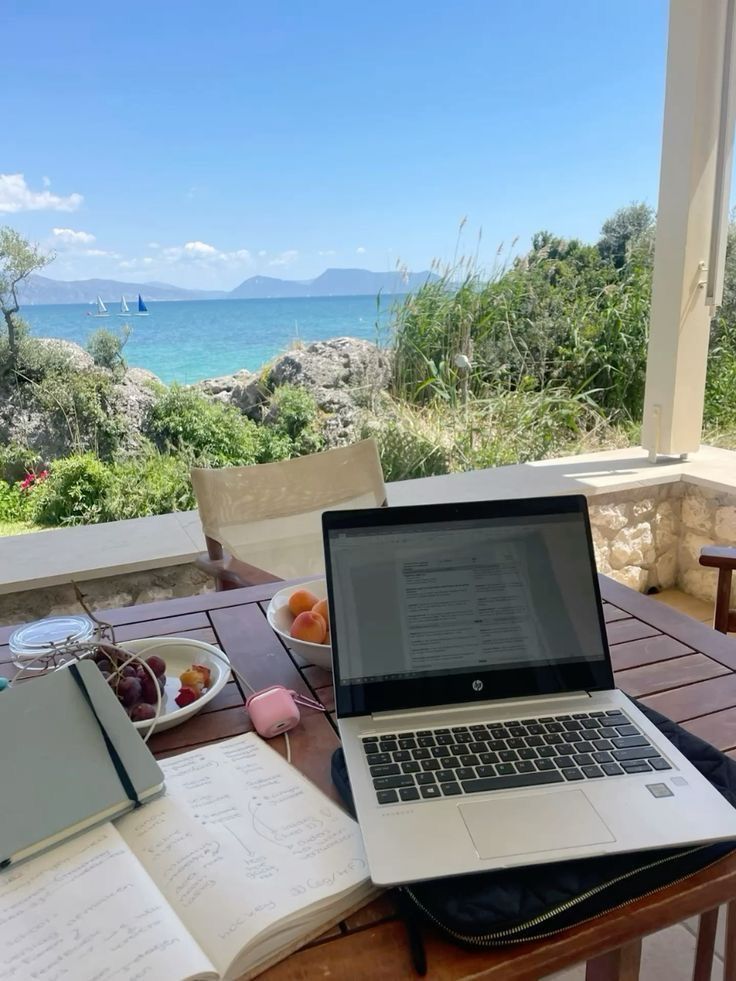
Introduction to Budget Travel in Europe
Budget travel in Europe has gained significant popularity among various demographics, from students to retirees, seeking to explore the continent without incurring substantial costs. The allure of traveling on a shoestring budget is multifaceted; it not only allows for more frequent trips but also opens doors to cultural immersion and unique experiences that may be overlooked by luxury travelers.
One of the primary benefits of budget travel is the opportunity for cultural exposure. When traveling affordably, individuals often find themselves staying in hostels, guesthouses, or budget hotels, which are frequently located in local neighborhoods rather than tourist hotspots. This setting contributes to richer interactions with local residents and an authentic taste of the culture. Additionally, budget travelers are more inclined to use public transportation, dine at local eateries, and participate in free or low-cost activities, all of which provide a deeper understanding of the destination’s traditions and lifestyle.
Moreover, budget travel encourages personal growth. Navigating new environments, overcoming language barriers, and managing finances in foreign countries can foster resilience and adaptability. These experiences often lead to increased confidence and the development of problem-solving skills, traits that are invaluable both during travels and in everyday life.
Lastly, the thrill of adventure is magnified in budget travel settings. With limited resources, travelers often seek out lesser-known attractions, landscapes, and experiences that may be absent from mainstream travel itineraries. This not only creates opportunities for unexpected discoveries but also enables travelers to engage with their surroundings in a more meaningful way.
In summary, budget travel in Europe is not merely about saving money. It embodies the spirit of exploration, personal development, and the rich tapestry of cultures that exist across the continent, making it an appealing option for many travelers.
Setting a Realistic Budget
Traveling across Europe on a budget of $1000 is certainly feasible with proper planning and execution. Establishing a realistic budget begins with breaking down expenses into key categories: accommodation, transportation, meals, and activities. Each category should be addressed thoughtfully to ensure that all essential needs are met without overextending financially.
Accommodations are often the largest upfront expense. To optimize this portion of your budget, consider alternative lodging options such as hostels, budget hotels, or vacation rentals, which can often provide significant savings compared to traditional hotels. Aim for accommodations that offer kitchen facilities, as this will enable you to prepare meals and lower your food expenses.
Transportation represents another critical component of your European adventure budget. When planning your itinerary, utilize cost-effective means of travel such as buses or trains, which can be cheaper than flying, particularly for shorter distances. Booking tickets in advance often yields better prices, so be sure to investigate different transportation options and routes.
Food is another essential aspect of budgeting. Eating out for every meal can quickly deplete your funds. To manage meal costs effectively, consider seeking out local markets for fresh ingredients and preparing some of your meals. Additionally, sampling street food or dining in less touristy neighborhoods can provide authentic culinary experiences at a fraction of the cost.
Lastly, allocate a reasonable budget for activities and attractions, while keeping in mind that many museums and tourist sites might have discounted entry fees on certain days. Furthermore, often you can find free walking tours and local events that enhance your travel experience without straining your wallet.
Tracking your expenses during your trip is pivotal. Utilize budgeting apps or simple spreadsheets to monitor your spending and adjust as necessary. By staying vigilant and organized, you can ensure your European adventure remains within the $1000 budget, allowing you to explore without financial worry.
Exploring Affordable European Destinations
Traveling through Europe on a budget does not mean sacrificing cultural experiences or unique attractions. Several lesser-known cities and countries offer wonderful opportunities for travelers looking to maximize their experiences while minimizing costs. By focusing on these budget-friendly destinations, visitors can stretch their travel dollars further while enjoying rich histories, delicious cuisines, and vibrant local scenes.
One of the most affordable options is Budapest, Hungary. The city is famous for its stunning architecture, thermal baths, and lively nightlife, all at relatively low prices. Visitors can explore the historic Buda Castle, walk across the Chain Bridge, and savor traditional Hungarian dishes at local eateries without overspending.
Porto, Portugal, is another gem for budget-conscious travelers. With its picturesque riverfront, historic neighborhoods, and renowned wine culture, Porto provides a rich experience without hefty price tags. The city’s charming streets are ideal for wandering, and its many public parks allow for leisurely afternoons spent enjoying the scenery.
If you are seeking a blend of beautiful landscapes and cultural heritage, consider visiting Ljubljana, Slovenia. This charming and compact city boasts stunning architecture, a lively café culture, and numerous green spaces. Affordable dining options and inexpensive attractions, such as Tivoli Park and Ljubljana Castle, make it an appealing choice.
In addition to these cities, several lesser-known destinations such as Sofia, Bulgaria, and Krakow, Poland, also provide excellent experiences at a fraction of the cost compared to more popular tourist spots. Bulgaria’s capital offers rich history, diverse culinary options, and beautiful parks, while Krakow is celebrated for its medieval architecture and proximity to historical sites, including Auschwitz-Birkenau. Both cities promise unforgettable experiences for minimal expense.
Finding Affordable Accommodation
When planning a trip to Europe on a budget, securing affordable accommodation is crucial to make the most of your travel budget. There are several types of lodging options that cater to budget-conscious travelers, each offering unique benefits and experiences. Hostels represent one of the most popular choices for those looking to save money. They provide dormitory-style sleeping arrangements, which allow travelers to share space and reduce costs significantly. Additionally, hostels often feature communal kitchens, which enable guests to prepare their meals and further save on dining expenses.
Budget hotels are another viable option. These establishments typically offer private rooms at rates that are considerably lower than more luxurious hotels. While the amenities may be simple, budget hotels can provide a comfortable base for visitors to explore nearby attractions. Many budget hotels are strategically located near public transportation, making it convenient to navigate the city without incurring extra travel costs.
In recent years, platforms like Airbnb have gained popularity, allowing travelers to book private rooms or entire homes at affordable prices. This option often provides a more localized experience, as you can stay in residential neighborhoods and enjoy the comforts of a home. When considering Airbnb, it is essential to read reviews thoroughly and communicate with hosts to ensure a safe and enjoyable stay.
To secure the best rates, it is advisable to book accommodation in advance, especially during peak tourist seasons. Additionally, flexible travel dates can lead to significant savings, as the cost of lodging can vary greatly depending on the day of the week. Utilizing price comparison websites will also help travelers find the best deals and special offers. By following these tips and exploring various accommodation types, travelers can find budget-friendly lodging and enjoy their European adventure without overspending.
Navigating Transportation on a Budget
When planning a trip across Europe, transportation can significantly affect your overall budget. Fortunately, there are numerous economical options for getting around, whether you are traveling within a city or between different destinations. Trains, buses, rideshares, and budget airlines provide various means to travel affordably.
For intra-city travel, public transportation systems such as buses, trams, and subways are often the best options. Many cities offer day passes or multi-ride tickets that can save money. Familiarizing yourself with the local public transport app can streamline your navigation, providing real-time schedules and route planning. Furthermore, walking or cycling are great options to explore cities while enjoying the sights, thus avoiding public transportation fares altogether.
When traveling between cities, trains are a popular choice. Countries like France, Germany, and Italy have extensive rail networks that connect major urban centers efficiently. Utilizing national rail services can be economical, especially if you book tickets in advance. Websites and mobile applications often provide fare comparison tools that help identify the best deals.
Buses are also a cost-effective alternative for connecting major cities, with budget operators like FlixBus or Megabus providing extensive routes at competitive prices. While slower than trains, they are usually much cheaper, making them an ideal choice for travelers on a tight budget.
Ridesharing services such as BlaBlaCar can offer another economical choice, allowing passengers to share rides with drivers heading in the same direction. Lastly, for longer distances across countries, budget airlines frequently offer cheap flights, particularly if booked weeks in advance. Websites that aggregate flight options can help you spot the best airfares.
To maximize your savings, always compare transportation modes and book early where possible. Additionally, remain flexible with your travel dates to take advantage of lower prices. Being resourceful in choosing your transport will significantly contribute to a budget-friendly European adventure.
Eating Well on a Budget
Traveling in Europe does not require compromising on culinary experiences, even on a budget. To enjoy local cuisine without overspending, various strategies can be employed that cater to both your taste buds and wallet. One of the most economical ways to savor local flavors is to explore street food options. Many European cities boast vibrant street food scenes where vendors offer delicious meals at affordable prices. These dishes often represent regional specialties and provide an authentic taste of the local culture without the hefty restaurant bills.
In addition to street food, local markets present an excellent alternative for budget-conscious travelers. Visiting food markets allows one to experience the lively atmosphere while sampling a wide variety of local produce and ready-to-eat meals. Often, markets offer fresh fruits, artisanal cheeses, and other specialties that can be enjoyed on-the-go or at a picnic in a public park. Shopping at markets not only supports local businesses but can also lead to savings compared to traditional dining.
A well-planned approach to dining can include identifying affordable restaurants that offer daily specials or set menus. Many establishments in Europe have lunch deals that provide substantial meals at reasonable prices, making them an ideal choice for travelers who prefer enjoying a sit-down meal without breaking the bank. Furthermore, consider searching for restaurants frequented by locals rather than tourists, as they often provide better value for money and showcase authentic cuisine.
When it comes to grocery shopping, choosing local supermarkets or convenience stores can be an effective way to maintain a budget while traveling. Purchasing ingredients to prepare simple meals can cut costs and provide a much-needed break from dining out. Sandwiches, salads, or pasta can be easily assembled with fresh ingredients bought at local markets or supermarkets.
Exploring Free and Low-Cost Activities in Europe
Traveling on a budget does not mean compromising the quality of experiences. Europe offers a plethora of engaging activities that come with minimal or no costs, allowing travelers to immerse themselves in the local culture and enjoy the rich history of each destination. One effective method to discover such activities is to explore the beautiful parks and public gardens that adorn many European cities. Places like the Luxembourg Gardens in Paris or the Retiro Park in Madrid provide serene environments where travelers can relax while enjoying picturesque landscapes.
In addition to outdoor spots, numerous museums throughout Europe have designated free entry days. For instance, certain establishments in cities like Berlin and London allow visitors to explore their exhibitions without the burden of an admission fee, usually on particular weekdays or during special events. This opportunity enables travelers to delve into the art and history of their chosen destination, gaining insights that enhance their overall experience.
Cultural festivals also serve as excellent avenues for affordable entertainment. Many European cities host annual events that celebrate local traditions, music, and cuisine at little or no cost. From the vibrant carnival parades in Venice to open-air concerts in Prague, these events often showcase the rich cultural heritage of the region, creating memorable experiences for attendees. Travelers can often find information about upcoming festivals through local tourism websites or community boards, allowing for spontaneous participation in these festivities.
To further enrich your journey, consider seeking out local walking tours, many of which operate on a donation basis. These tours provide unique perspectives from knowledgeable guides who are passionate about sharing their city’s story, all while remaining within budget. With a little planning and research, travelers can fully engage in the diverse offerings of Europe without overspending, ensuring that their trip is both enjoyable and cost-effective.
Travel Tips and Hacks for Saving Money
Traveling in Europe does not have to be an expensive endeavor. By employing a few savvy techniques, travelers can enjoy the rich cultural experiences the continent offers without emptying their wallets. Here are some practical tips and hacks for saving money during your European adventure.
First and foremost, consider booking your accommodations well in advance. Prices tend to fluctuate, and early reservations often result in significant savings. Websites that aggregate budget hotels, hostels, or vacation rentals can be useful tools for finding affordable options that meet your needs.
Moreover, taking advantage of travel apps can help streamline your planning. Apps such as Skyscanner and Kayak allow you to compare flight prices across multiple airlines, potentially uncovering budget-friendly options. Additionally, consider using public transportation instead of taxis or rideshares. Many European cities boast extensive and affordable transit systems, offering not only a cost-effective way to travel but also a chance to experience local life.
When it comes to dining, try to avoid tourist traps that are typically found near major attractions. Instead, venture off the beaten path to local markets or eateries where you can sample authentic cuisine at lower prices. Many cities also have specific days of the week where certain attractions offer discounted or even free admission, so researching these events beforehand can enhance your itinerary while saving you money.
Lastly, consider traveling during the shoulder seasons, which are the periods just before and after the peak travel months. During these times, you’re likely to find lower prices on everything from flights to accommodation, as well as fewer crowds at popular sites. Employing these money-saving practices will undoubtedly enrich your European travel experience without the financial strain.
Conclusion and Recap
Traveling through Europe on a budget of under $1000 is not only feasible but also a rewarding experience that offers rich cultural encounters and unforgettable moments. Throughout this guide, we have explored several practical tips and strategies that can significantly reduce travel expenses while allowing for an immersive European adventure.
One of the key points discussed is the importance of selecting budget-friendly transportation options, such as low-cost airlines and trains, which can facilitate seamless travel across various countries. Additionally, opting for affordable accommodations, like hostels or vacation rentals, can provide comfortable stays without straining your finances.
Furthermore, we emphasized the value of experiencing local cuisine on a budget, such as dining at markets and street food stalls, which not only reduces costs but also authentically connects travelers to the local culture. Planning an itinerary that focuses on free or inexpensive attractions enables travelers to enjoy iconic cities without overspending. By wisely allocating your budget and prioritizing experiences, it’s possible to create lasting memories in some of Europe’s most vibrant destinations.
In conclusion, the key to a budget-friendly European trip lies in resourcefulness and careful planning. With the insights shared in this guide, readers are encouraged to take action and start organizing their own adventures across Europe. Embrace the journey with an open mind, as the experiences and connections made can often outweigh the monetary savings. Traveling Europe under $1000 is not just a dream; it’s an attainable reality for those willing to embark on the adventure.