

Understanding Your Accommodation Needs
Traveling can be a thrilling experience, but it is essential to identify your accommodation needs to ensure a satisfactory stay. Various factors contribute to these needs, including the type of trip you are embarking on, the duration of your visit, the number of traveling companions, and your personal preferences related to comfort levels and amenities.
Firstly, consider the nature of your trip. Are you traveling for leisure, business, or adventure? Each of these motives may dictate different accommodation requirements. For instance, a leisure trip might prioritize comfort and aesthetic, favoring hotels with amenities like pools or spas. Conversely, business travel may necessitate proximity to work-related sites, thus leading to considerations such as office space availability rather than luxurious features.
Next, the duration of your stay plays a vital role in determining your lodging needs. Short stays may warrant different types of accommodation, such as hotels or hostels, while extended trips could make self-catering apartments or vacation rentals more appealing. This shift enables travelers to manage their budgets more effectively, particularly if they can prepare their meals.
The number of travelers also affects your choice of accommodation. Solo travelers might opt for budget-friendly hostels, while families or groups may benefit from booking larger rental properties to share costs. This group dynamic can introduce a range of additional preferences, such as shared bathrooms or communal spaces.
Lastly, reflecting on personal preferences related to comfort and amenities is crucial for an enjoyable trip. Some travelers may seek a pristine environment with upscale furnishings, while others may prioritize location and affordability over luxury. Clearly defining your accommodation priorities will aid in the search for affordable options that align with your travel style and budget.
Tips for Booking Early
Booking accommodation well in advance is a strategic approach that can lead to considerable savings for travelers. One of the primary advantages of booking early is the chance to secure better rates. Many hotels and rental companies offer discounted prices for those who reserve their stays months before the departure date. By planning your trip early, you can take advantage of these lower rates before they increase as the travel date approaches.
Another benefit of early booking is access to a wider selection of accommodation options. Popular destinations often face high demand, especially during peak tourist seasons. If you wait too long to make your reservation, you may find that your preferred options are fully booked or significantly overpriced. Early booking allows you to choose from a variety of accommodations, including hotels, hostels, or vacation rentals, catering to different budgets and preferences.
In some cases, booking early can also lead to exclusive deals that may not be available if you search for last-minute options. Various platforms and services provide alerts for promotional rates or early-bird discounts, which can further enhance your chances of finding cheap accommodation. Additionally, many hotels have flexible cancellation policies for early bookings, allowing travelers to adjust their plans if necessary without incurring hefty fees.
As a general guideline, it is advisable to book accommodations at least three to six months in advance for international travel and one to three months for domestic trips. However, specific time frames can vary significantly based on the destination and seasonality. Therefore, conducting thorough research before making your reservation is crucial to maximize your savings and ensure a seamless travel experience.
Exploring Alternative Accommodation Options
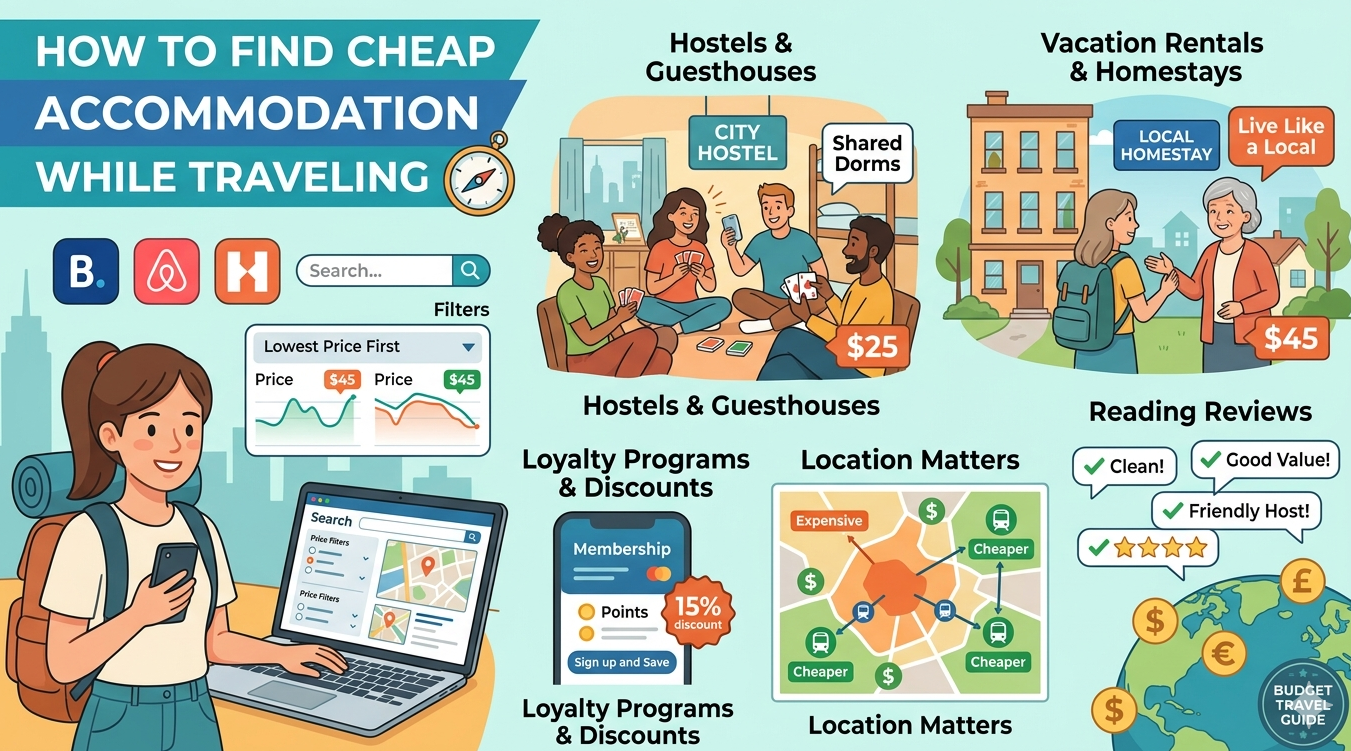
When it comes to finding cheap accommodation while traveling, exploring alternative options beyond traditional hotels can yield significant benefits. While hotels offer convenience and amenities, they also come with higher price tags. Instead, consider hostels, guesthouses, vacation rentals, and home sharing services like Airbnb as affordable alternatives.
Hostels are particularly appealing to budget-conscious travelers. They provide dormitory-style rooms at lower rates, making them an excellent choice for solo travelers or those seeking social interaction. Many hostels also offer private rooms, which can be a cost-effective option for small groups or couples. Additionally, the communal kitchens available in hostels allow for meal preparation, further reducing dining expenses.
Guesthouses represent another viable alternative. Typically family-run, they often provide a more personalized experience compared to larger hotels. Prices at guesthouses can be comparable to budget hotels but usually include breakfast, which adds value. This option allows travelers to immerse themselves in local culture while enjoying comfortable accommodations.
Vacation rentals, such as those found on websites like VRBO or HomeAway, cater to travelers looking for home-like amenities. Renting an apartment or house can be particularly advantageous for families or groups, as sharing a space often leads to lower overall accommodation costs. Moreover, having a kitchen enables travelers to prepare meals, saving money on dining out.
Platforms like Airbnb have popularized home sharing, connecting hosts with guests seeking affordable lodging. While prices can vary widely, numerous listings are available that cater to diverse budgets. One significant benefit of Airbnb is the opportunity to stay in residential neighborhoods, providing unique insights into local life.
Ultimately, by considering these alternative accommodation options, travelers can tailor their lodging choices based on budget constraints and desired experiences, ensuring a more enriching travel journey while managing expenses effectively.
Using Technology to Your Advantage
In the modern age of travel, utilizing technology can significantly enhance the process of finding budget-friendly accommodation. Several tools and applications have emerged that assist travelers in discovering cost-effective lodging options, making travel planning more efficient. One effective approach is to utilize price comparison websites, which aggregate listings from various booking platforms. These sites allow travelers to assess multiple accommodations side by side, ensuring that they are getting the best possible price for their desired stay.
Travel apps are another valuable resource. Many are designed specifically to simplify the accommodation search, featuring user-friendly interfaces that enable travelers to filter results according to their preferences, such as price, amenities, or location. Such apps not only provide competitive pricing but often offer exclusive deals or discounts for app users. Moreover, around the globe, a wide array of social media groups has sprouted, catering to budget travelers. Engaging with these communities can open doors to recommendations for affordable lodgings, as well as tips and firsthand experiences shared by other travelers.
Reading reviews is equally crucial when it comes to selecting the right accommodation. Many platforms allow previous guests to leave feedback, providing insights into the quality and character of a place. It is essential to look for recent reviews that highlight cleanliness, service, and proximity to local attractions, as these factors can make or break your experience. Furthermore, utilizing search filters effectively will streamline your quest for budget-friendly options by narrowing down results that best fit your financial constraints. This strategic use of technology not only saves time but enhances the overall travel experience, ensuring that you secure an accommodation that meets your needs without breaking the bank.
Timing Your Travel for the Best Rates
One of the most significant factors influencing accommodation costs is the timing of your travel. By understanding seasonal trends, travelers can strategically plan their trips to take advantage of lower rates. Generally, the periods of peak travel coincide with school holidays, festive seasons, and popular local events. During these times, accommodation providers often increase their prices due to heightened demand.
Conversely, off-peak travel seasons present excellent opportunities for securing cheaper accommodation. Many tourist destinations experience reduced visitor numbers during the months that fall outside of the traditional travel window. This lesser demand often translates to significant savings, with offers not only on hotel bookings but also on various travel packages and tours.
Additionally, being flexible with your travel dates can also yield financial benefits. If your schedule allows, consider traveling on weekdays rather than weekends. Most travelers prefer weekend getaways, which can result in higher prices during these days. By adjusting your travel days, you may uncover lower rates that are more accommodating to your budget.
It is also prudent to stay informed about special events or holidays that may attract large crowds. During these peak periods, prices may surge. However, savvy travelers can still find discounts by looking for last-minute deals or opting for alternative accommodations, such as hostels or vacation rentals. Tools and apps that track price fluctuations can be helpful resources as you plan your trip.
In conclusion, understanding and leveraging timing can greatly enhance your ability to find affordable accommodation while traveling. By observing seasonal patterns, remaining flexible with dates, and staying attuned to specific local events, you are well on your way to enjoying a cost-effective travel experience.
Negotiating Rates and Finding Discounts
Finding affordable accommodation is a critical aspect of budget travel, and negotiating rates alongside seeking out discounts can significantly reduce costs. One effective strategy involves reaching out directly to hotels and establishments to inquire about room rates. When making these inquiries, you can express interest in longer stays or the flexibility of your travel dates, both of which may encourage hotel managers to offer a more competitive price.
Additionally, leveraging loyalty programs can yield advantageous deals for frequent travelers. Many hotels operate loyalty schemes that reward returning customers with discounts, upgrades, or free nights. By signing up for these programs before your travel period, you can enjoy reduced rates while potentially accumulating points for future stays, thus maximizing your overall savings.
Another avenue worth exploring is membership discounts. Organizations such as the American Automobile Association (AAA) or the American Association of Retired Persons (AARP) often provide members with exclusive rates at numerous hotels and accommodations. Presenting your membership during the booking process can unlock additional savings, which may not be widely advertised to the general public.
Last-minute bookings are also a viable option for securing cheaper rates. Websites and apps specializing in last-minute hotel deals frequently lower prices as the check-in time approaches in an effort to fill vacant rooms. Flexibility with travel dates and the willingness to consider various lodging options can enhance the chances of obtaining favorable last-minute deals.
In conclusion, smart negotiation tactics, the strategic use of loyalty programs, and the ability to capitalize on membership discounts coupled with last-minute booking strategies can facilitate finding affordable accommodation while traveling. Successfully implementing these approaches can lead to a more budget-friendly travel experience without sacrificing comfort or convenience.
Consider Staying Outside Popular Tourist Areas
When planning a trip, many travelers tend to focus on accommodations located within the heart of bustling tourist destinations. However, choosing to stay outside these popular areas can lead to significant savings and a more authentic travel experience. Neighborhoods adjacent to major attractions often offer a variety of lodging options, from budget hotels to charming bed and breakfasts, usually at a fraction of the price compared to accommodations right in the center of the action.
By venturing slightly away from well-trodden paths, travelers can discover hidden gems in local neighborhoods that boast unique character, cultural offerings, and genuine interactions with residents. This approach not only enhances one’s experience but also provides a chance to delve into authentic local cuisines and traditions often overlooked in tourist hotspots. While major attractions may be appealing, true cultural immersion often awaits just a few public transport stops away.
Moreover, staying outside of crowded tourist zones can also translate to a more peaceful environment, where visitors can unwind after a day of exploration. With good public transport links available in most urban areas, reaching prime sites becomes a hassle-free endeavor. Reliable options such as buses, subways, or trams mean that it is easy for travelers to access main attractions while enjoying the quieter surroundings of their accommodations.
Ultimately, considering neighborhoods away from typical tourist areas not only provides financial relief but also enriches the travel experience. Thus, the next time you plan a trip, think beyond the usual locations and explore the accommodations in nearby districts. The potential benefits, including savings and a more authentic cultural experience, make this option worth considering.
Leveraging Loyalty Programs and Travel Rewards
Traveling can quickly become an expensive endeavor, particularly when it comes to accommodation costs. One effective strategy for travelers looking to save money on lodging is to leverage loyalty programs offered by hotels and the travel rewards associated with credit cards. By actively participating in these programs, travelers can accumulate valuable points that can later be redeemed for discounted or free stays, making trips more financially manageable.
Hotel loyalty programs are designed to reward frequent guests with points for each stay. These points can accumulate over time, leading to significant savings. Most major hotel chains have tiered loyalty programs that offer additional perks as members ascend tiers—this can include free upgrades, late check-out, and enhanced customer service. For individuals who travel often, joining these programs is generally free and can yield substantial benefits.
Additionally, many credit cards provide travel rewards that can be applied toward accommodation costs. These cards typically offer sign-up bonuses and points for everyday purchases, which can be redeemed for hotel stays, flights, or even car rentals. To maximize the benefits, travelers should consider using a card that complements their travel habits, such as one that provides bonus points for hotel-related expenditures.
It is important to actively monitor and manage loyalty points and travel rewards. Regular communication with the loyalty program or credit card company can highlight opportunities for point accumulation or alerts on expiring points, ensuring that travelers maximize their benefits. Furthermore, being strategic about redemption can amplify savings; for instance, taking advantage of promotional offers or maximizing point values during peak travel seasons can significantly impact overall travel expenses.
Final Thoughts and Recap
When embarking on a journey, securing affordable accommodation can significantly impact your travel experience. Throughout this blog post, we have explored essential strategies to help you find cheap accommodation while traveling. Whether you are a budget traveler or someone looking to minimize expenses, these insights will prove invaluable.
One key aspect of finding economical lodging is the importance of thorough planning. By researching your destination in advance, you can identify suitable areas that offer budget-friendly options without compromising on comfort or safety. Additionally, utilizing various online platforms and apps designed for travelers can streamline your search for inexpensive accommodations.
Flexibility also plays a crucial role when it comes to securing cheap accommodations. Being open to different types of lodging, such as hostels, guesthouses, or vacation rentals, can reveal opportunities that traditional hotels might not offer. Moreover, adjusting your travel dates and considering the off-peak season can provide significant savings on your overall lodging costs.
Resourcefulness is another vital strategy. Tap into local knowledge through social media groups, forums, and travel blogs, which can offer insights into hidden gems that might not appear on standard booking platforms. Additionally, leveraging discounts and loyalty programs can aid in uncovering reduced rates.
In conclusion, by emphasizing planning, flexibility, and resourcefulness, travelers can enhance their ability to find affordable accommodation options worldwide. The tips discussed will enable you to make more informed decisions, leading to a richer travel experience that allows you to focus on creating memories rather than worrying about costs. Use these strategies during your next adventure and discover the benefits of budget-friendly travel.