

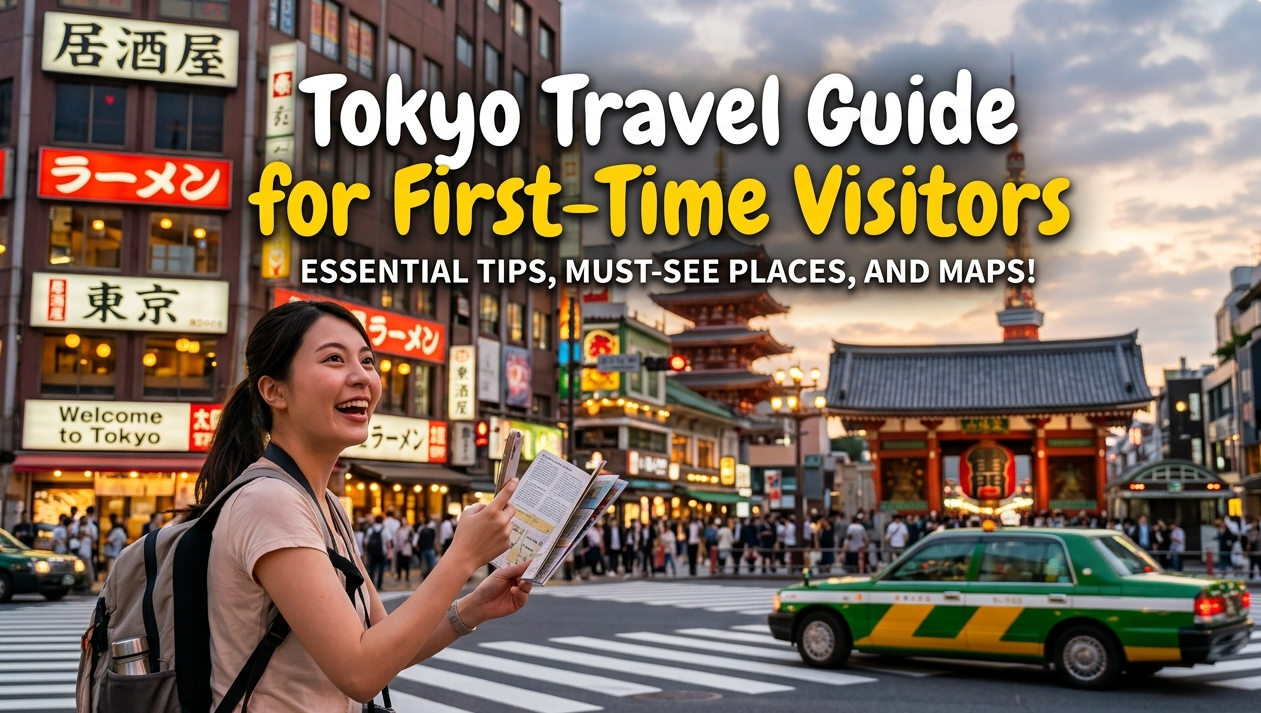
Introduction to Tokyo: A Glimpse of the City
Tokyo, the capital city of Japan, is a fascinating metropolis known for its unparalleled blend of traditional and modern culture. This vibrant city offers an experience unlike any other, where ancient temples coexist with futuristic skyscrapers. For first-time visitors, Tokyo serves as a remarkable introduction to the rich cultural fabric and contemporary advancements of Japan.
Tokyo is characterized by its dynamic neighborhoods, each offering a unique atmosphere and experience. In areas like Shibuya and Shinjuku, one encounters the hustle and bustle of city life with neon lights and busy pedestrian crossings, while neighborhoods such as Asakusa and Yanaka provide a juxtaposition of tranquility and historic charm. Key characteristics of Tokyo include its exceptional public transportation system, which boasts one of the most efficient and extensive networks in the world. This allows visitors to navigate the city easily, connecting them to must-see attractions.
As a global metropolis, Tokyo is significant not only as a cultural hub but also as an economic powerhouse. It plays a vital role in international trade and finance, leading the world in technology and innovation. The food scene in Tokyo is another highlight, boasting the highest number of Michelin-starred restaurants globally, showcasing the city’s culinary prowess that ranges from street food to haute cuisine.
As first-time visitors explore Tokyo, they will discover a city that embraces its heritage while continually evolving. Traditional practices are preserved in its temples and shrines, while pop culture thrives in districts like Akihabara. The essence of Tokyo lies in this striking duality, making it a compelling destination for travelers seeking both cultural enrichment and modern excitement.
Best Times to Visit Tokyo
Tokyo, a vibrant metropolis brimming with culture and modern attractions, offers distinct experiences across its four seasons, each presenting unique charms for first-time visitors. Understanding the best times to visit can enhance your trip significantly.
Spring, particularly from late March to early April, is an optimal time to witness Tokyo in full bloom. Cherry blossoms, or sakura, grace the parks and streets, creating picturesque settings that attract both locals and tourists alike. The annual Hanami (flower viewing) parties are held during this time, where people gather for picnics under the blooming cherry trees, providing an immersive cultural experience.
During summer, from June to August, Tokyo comes alive with numerous festivals, known as matsuri. Events such as the Sumida River Fireworks Festival and the Kanda Matsuri, one of Japan’s most famous festivals, occur in this season. Although the weather can be hot and humid, the vibrancy of summer festivities, along with the opportunity to experience traditional street food, makes it a worthwhile season for exploration.
As autumn approaches, typically from September to November, visitors are treated to stunning fall foliage. The parks and gardens throughout Tokyo, such as Shinjuku Gyoen and Yoyogi Park, showcase beautifully colored leaves, providing breathtaking scenery. Additionally, Tsukimi (moon-viewing) events celebrate the harvest moon and offer a glimpse into Japanese culture.
Winter, from December to February, transforms Tokyo into a festive wonderland, beautifully illuminated by holiday lights and decorations. Seasonal markets, such as the Christmas markets in Shibuya and Roppongi, add to the winter charm, allowing for unique shopping experiences during a time often associated with joy and celebration.
Each season in Tokyo offers its unique festivals and beauty, making it essential to consider your personal preferences when planning your visit. Regardless of when you choose to go, Tokyo promises an unforgettable travel experience throughout the year.
Must-See Attractions in Tokyo
For first-time visitors to Tokyo, a wealth of attractions awaits, each promising a unique glimpse into the city’s vibrant culture and history. Among the must-see sites, the Tokyo Tower stands tall as a symbol of modernity, reminiscent of Paris’s Eiffel Tower. Standing at 333 meters, it offers panoramic views of the city and beyond. Visitors can indulge in the breathtaking scenery from its observation decks, particularly stunning at sunset. It is advisable to purchase tickets in advance during high tourist seasons to avoid long queues.
Another essential stop is the Senso-ji Temple, Tokyo’s oldest temple located in Asakusa. This historical landmark, dedicated to the Buddhist goddess of mercy, Kannon, features striking architecture and beautifully landscaped gardens. The approach to the temple, known as Nakamise Street, provides a delightful shopping experience with traditional snacks and souvenirs. Arriving early in the morning can offer a peaceful atmosphere, conducive to experiencing the spiritual essence of the temple.
The famous Shibuya Crossing is a testament to the hustle and bustle of Tokyo life. This iconic intersection, where hundreds of pedestrians cross simultaneously, presents a remarkable spectacle, particularly at night when the neon lights illuminate the surroundings. For a unique perspective, visit one of the nearby cafes and observe the energetic flow of people. A visit to Shibuya is incomplete without capturing photos of the Hachiko Statue, commemorating the loyal dog renowned for waiting for his deceased owner.
Lastly, the Meiji Shrine provides a tranquil contrast to the city’s pulsating energy. This Shinto shrine, nestled within a lush forest, is dedicated to Emperor Meiji and Empress Shoken. Visitors are encouraged to partake in traditional rituals, such as making wishes or leaving wooden plaques known as ema. The serene pathways lead to the main shrine, allowing guests to connect with nature and spirituality.
Navigating Tokyo: Transportation Tips
Tokyo boasts one of the most efficient and extensive public transportation systems in the world, making it accessible and convenient for first-time visitors. With a mix of subways, trains, buses, and taxis, getting around the city can be a seamless experience with the right knowledge.
The Tokyo Metro and Toei Subway networks serve as the backbone of the city’s transit system. Purchasing a prepaid Suica or Pasmo card is highly recommended, as these cards can be used across various forms of transportation, including trains and buses. They provide a hassle-free way to navigate the city without the need for individual ticket purchases. Additionally, you can quickly recharge these cards at stations, convenience stores, and kiosks. This saves time, especially during peak travel hours.
Beyond trains, Tokyo also maintains a reliable bus network. While signage may initially seem daunting for those unfamiliar with the language, many routes are equipped with English announcements that make navigation easier. For short distances, walking is an excellent choice, as it allows you to explore the local neighborhoods and discover hidden gems within the city.
Taxis are widely available, offering a more comfortable travel option for those carrying heavy luggage or traveling late at night. However, this option can be more expensive compared to public transportation, so it’s wise to assess your budget when selecting a mode of travel.
In addition to physical navigation, utilizing transportation apps can significantly enhance your travel experience. Apps like Google Maps and Japan Transit Planner can provide real-time updates on train schedules and routes, ensuring you reach your destination efficiently. By integrating these diverse transportation choices, first-time visitors can confidently navigate Tokyo and enjoy all that it has to offer.
Where to Stay: Accommodations in Tokyo
Tokyo offers a diverse array of accommodations suitable for various budgets and preferences. From opulent hotels that boast exceptional service to affordable hostels that appeal to backpackers, the choices are abundant. Each neighborhood in Tokyo presents its own distinct atmosphere, catering to different traveler needs.
If you seek luxury, areas such as Shinjuku and Ginza are ideal. Shinjuku, with its bustling nightlife and shopping options, houses several high-end hotels complete with world-class amenities. Ginza, on the other hand, is known for its upscale shops and fine dining, making it a prime location for discerning travelers. However, luxury hotels often come with premium price tags, which may not suit all budgets.
For those traveling on a tighter budget, districts like Shibuya and Ueno offer a range of hostels and guesthouses. Shibuya is vibrant and youthful, famous for its shopping districts and proximity to nightlife options. Youthful hostels here provide a social environment ideal for meeting fellow travelers. Conversely, Ueno is more relaxed, known for its parks and museums, and can be an excellent choice for families. Here, guesthouses tend to be slightly cheaper and offer a homely feel.
Each neighborhood has its pros and cons. For instance, while Shinjuku may offer convenience and entertainment, it can be relatively noisy and crowded. Similarly, although Ueno is calm, it may lack the vibrancy found in other parts of Tokyo, which might not appeal to all travelers. In essence, choosing the right accommodation in Tokyo largely depends on individual preferences, budget, and desired experiences, ensuring that every type of traveler can find a suitable place to stay.
Exploring Tokyo’s Culinary Scene
Tokyo is a gastronomic paradise, renowned for its diverse culinary offerings that reflect the rich cultural tapestry of Japan. First-time visitors will find an abundance of must-try dishes that showcase the city’s dedication to quality and innovation. Among the iconic dishes that should not be missed are sushi, ramen, tempura, and okonomiyaki. These dishes are available in various forms, from high-end restaurants to casual street food stalls, catering to every preference and budget.
Popular Dining Areas
Two of the most popular dining destinations in Tokyo are Tsukiji Outer Market and Shinjuku. Tsukiji Outer Market, famed for its fresh seafood, offers visitors a chance to sample sushi at its source or indulge in grilled seafood skewers. Visitors can immerse themselves in the vibrant atmosphere while enjoying local delicacies, such as tamagoyaki (Japanese omelette) from street vendors. Meanwhile, Shinjuku’s bustling streets host a plethora of eateries, serving everything from comforting ramen to izakaya (Japanese pubs) where one can enjoy a variety of tapas-like dishes paired with sake.
Dining Etiquette
When dining out in Tokyo, understanding local etiquette can enhance the experience. It is customary to say “itadakimasu” before starting a meal, which expresses gratitude for the food. Additionally, it is polite to avoid sticking chopsticks upright in a bowl of rice, as this gesture resembles a funeral custom. Tipping is not customary in Japan, and excellent service is considered a standard. These small gestures contribute to a respectful dining atmosphere appreciated by both locals and visitors alike.
Street Food and Local Eateries
Tokyo’s street food scene is a treasure trove of culinary gems, offering budget-friendly options that highlight local flavors. Areas like Harajuku and Asakusa are known for their vibrant street food stalls. Must-try items include takoyaki (octopus balls), yakitori (grilled chicken skewers), and sweet treats like mochi and taiyaki (fish-shaped pancake filled with red bean paste). In addition to street vendors, local eateries, or “shokudo,” provide an authentic dining experience, offering hearty home-cooked meals that reflect traditional Japanese flavors.
Cultural Etiquette and Tips for Visitors
Visiting Tokyo can be a remarkable experience enriched by understanding the local cultural etiquette. First and foremost, greetings are essential in Japanese society. When meeting someone, it is customary to bow slightly rather than offering a handshake. This gesture signifies respect and is an integral part of Japanese culture. A nod of the head or a slight bow suffices in most situations, especially when engaging with locals whom you have just met.
Behavior in public spaces also reflects the values of Japanese society. Visitors should maintain a quiet demeanor when using public transportation and refrain from making phone calls. It is considered impolite to speak loudly, as maintaining harmony in shared spaces is highly valued. Additionally, it is not uncommon to see locals offering their seats to elderly individuals, pregnant women, and anyone who may need assistance, signifying respect and care for others.
Dining etiquette is another crucial aspect where visitors should pay close attention. When enjoying a meal, it is polite to say “Itadakimasu” before starting and “Gochisousama deshita” after finishing your meal, expressing gratitude for the preparation of food. Using chopsticks correctly is greatly appreciated; avoid sticking them upright in rice, as this resembles a funeral ritual. Furthermore, when dining at restaurants, it is customary to leave your chopsticks on the designated rest instead of placing them on the table.
Respecting traditional practices is essential when visiting temples and shrines. Visitors are encouraged to follow local customs, such as bowing at the entrance or washing hands at purification fountains before entering sacred areas. Understanding and adhering to these cultural norms will enhance your experience in Tokyo, helping you connect with the local population and appreciate the country’s rich traditions.
Shopping in Tokyo: Where to Go
Tokyo is a vibrant metropolis known not only for its towering skyscrapers and historic temples but also for its dynamic shopping scene. For first-time visitors, exploring shopping districts such as Ginza, Shibuya, and Harajuku is essential to capturing the essence of Tokyo’s retail culture. Each of these areas offers a unique shopping experience catering to diverse tastes and preferences.
Ginza is often considered Tokyo’s luxury shopping capital. Here, travelers can immerse themselves in an upscale atmosphere teeming with high-end boutiques and flagship stores. Brands like Chanel, Gucci, and Louis Vuitton line the streets, offering a plethora of designer products. However, Ginza is not solely about luxury; it also features several department stores and unique shops selling traditional Japanese crafts and souvenirs. Be sure to stop by the Ginza Six, a modern shopping complex that hosts a variety of shops, eateries, and even art installations, making it a perfect destination for both shopping and culture.
Heading to Shibuya, visitors are greeted with the renowned Shibuya Crossing, a symbol of Tokyo’s bustling lifestyle. This area is particularly popular among the youth, featuring a mix of trendy fashion boutiques and electric culture. From the iconic Shibuya 109 shopping center to various street stalls, shoppers can find the latest fashion trends and unique pieces that reflect Tokyo’s contemporary style. Additionally, Shibuya offers an array of stores specializing in quirky collectibles and pop culture merchandise, making it a hot spot for anime and manga enthusiasts.
Lastly, Harajuku stands out as the epicenter of alternative fashion and youth culture. Takeshita Street, with its eclectic shops filled with colorful apparel and accessories, invites visitors to explore an array of unique styles. Here, you can find everything from vintage clothing to handmade crafts and whimsical souvenirs. Don’t miss the chance to try some of Harajuku’s trendy snacks while shopping; the street is known for delicious treats such as crepes and cotton candy.
In conclusion, for those venturing to Tokyo for the first time, the shopping districts of Ginza, Shibuya, and Harajuku offer an incredible variety of experiences. Each area captivates with its distinct charm, providing ample opportunities to discover local crafts, fashion trends, and unique souvenirs that will remind you of your trip to this bustling metropolis.
Conclusion: Making the Most of Your Tokyo Adventure
In conclusion, visiting Tokyo offers a myriad of experiences that can captivate any traveler. To fully embrace the essence of this vibrant metropolis, it is essential to immerse oneself in its rich culture, tradition, and modern advancements. Whether you are exploring the historical temples of Asakusa or indulging in contemporary art in Roppongi, each area presents an opportunity to engage with the city in a unique manner.
Keeping an open mind is crucial during your Tokyo adventure. This city is a blend of the traditional and the cutting-edge, which can sometimes present a stark contrast. Embrace the unexpected, such as trying diverse Japanese cuisines from street vendors in Shinjuku or joining local festivals that embody the heart of Japanese culture. Engaging with locals can also provide insights that enrich your experience far beyond what a typical travel guide may offer.
Additionally, consider utilizing the efficient public transportation system, which can help you navigate the expansive city with ease. Train stations and subway lines connect various attractions, from the bustling streets of Harajuku to the serene parks of Ueno. Make use of travel apps to enhance your experience and ensure you do not miss out on any hidden gems.
Finally, as you plan your trip to Tokyo, remember that every journey is unique. Allow yourself the flexibility to adjust your itinerary based on interests and new discoveries as they arise. This adaptability can lead you to unexpected adventures that will make your visit unforgettable. By embracing the spirit of exploration, your time in Tokyo will surely be a memorable and enriching experience.