

Why Choose Japan for Family Travel?
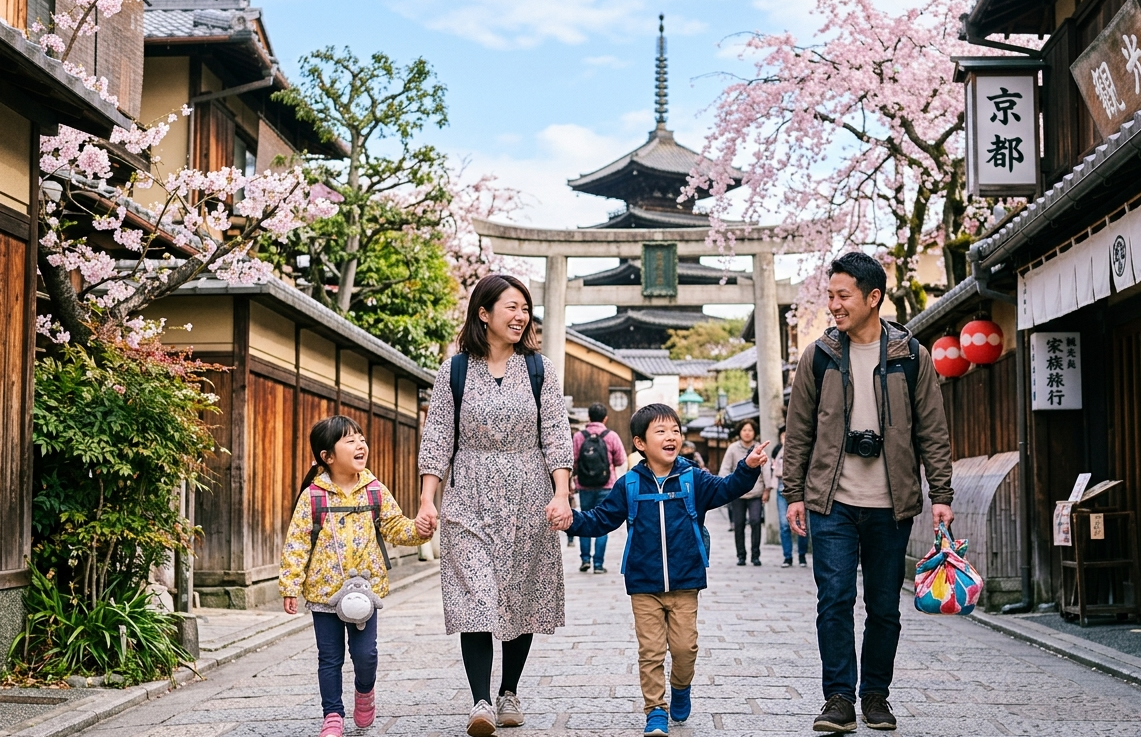
Japan is becoming increasingly popular as a family-friendly travel destination, and it’s not hard to see why. The unique blend of traditional culture and modern conveniences makes Japan an attractive choice for families seeking a memorable vacation. One of the standout features of Japan is its rich cultural heritage, which can be explored through ancient temples, shrines, and festivals. These cultural experiences can captivate the interest of children and adults alike, fostering an appreciation for history and tradition.
Safety and cleanliness are paramount in Japan, creating an ideal environment for families traveling with children. The crime rate is exceptionally low, allowing parents to explore both urban and rural areas with peace of mind. Furthermore, public spaces are remarkably clean and well-maintained, contributing to a pleasant experience for all. This attention to cleanliness is evident in restrooms, public transportation, and even restaurants, making it easier for families to manage the logistics of travel.
Japan also offers a plethora of child-friendly facilities and amenities. From convenient stroller rentals at airports to nursing rooms in shopping malls, the country caters to the needs of families at every turn. Many restaurants provide high chairs and kid-friendly menu options, ensuring that dining out is a stress-free experience. In addition, family-oriented attractions such as theme parks, museums, and interactive exhibits are abundant, making it effortless to find engaging activities that suit children of various ages.
The wide array of attractions available also includes beautiful natural landscapes, animated cityscapes, and an extensive train system that makes exploring the country straightforward and enjoyable. In summary, Japan stands out as a family travel destination with its blend of cultural richness, safety, cleanliness, and abundance of child-friendly amenities, making it a perfect choice for creating unforgettable family memories.
Planning Your Trip: Key Considerations
When embarking on a family trip to Japan, several key considerations must be taken into account to ensure a memorable experience for both adults and children. One of the primary steps is to select the best time to visit, as Japan’s seasons greatly influence travel conditions and activities available. Spring (March to May) is particularly appealing due to the cherry blossom season, while autumn (September to November) offers breathtaking foliage. These seasons typically provide comfortable weather, which is conducive for family outings.
Estimating a budget is another fundamental aspect of planning. Costs in Japan can vary significantly based on season, accommodation type, and activities. It is advisable to outline expected expenses, including flights, lodging, meals, public transportation, and attractions. Traveling with children may introduce additional costs, such as entry fees for child-friendly attractions and experiences. By planning ahead, families can opt for discounted entry fees or special family passes that help to minimize expenses.
Determining the duration of your stay is closely linked to your family’s interests and the activities available in your chosen locations. For instance, a week can be sufficient for a thorough exploration of Tokyo and its surrounding areas, while those wishing to visit multiple cities may benefit from an extended trip. Crafting an itinerary based on your children’s interests can further enhance the travel experience. Activities such as visiting theme parks, engaging with local culture through festivals, or learning about Japan’s history at museums can captivate young minds. Assessing each family member’s preferences will ensure that everyone has enjoyable engagements during the trip.
Travel Essentials: What to Pack
Packing for a family trip, especially when traveling to Japan with kids, requires careful consideration of various factors to ensure a smooth experience. The first step is to check the season in which you will be traveling, as Japan experiences a range of weather conditions throughout the year. For example, summer months can be hot and humid, necessitating lightweight clothing, breathable fabrics, and sun protection items like hats and sunscreen. Conversely, winter travelers should pack warmer layers, including thermals, down jackets, and waterproof boots for colder regions.
Sanitation supplies represent another essential aspect of your packing list. Parents should consider carrying hand sanitizers, wet wipes, and personal hygiene products for both themselves and their children. Japan is known for its cleanliness, but having your own sanitation supplies can help maintain this standard when visiting public restrooms or eating in busy areas.
Additionally, families should prioritize child-specific necessities to ensure a comfortable journey for their little ones. Snacks are often essential, particularly for long travel days or during excursions, as they provide a quick source of energy without the need for frequent stops. Opt for non-messy, travel-friendly snacks that can easily fit in a backpack.
Toys or small activity kits can also be beneficial. Keeping children engaged with a few familiar toys or age-appropriate books can help alleviate boredom during flights or train rides. Finally, do not forget any necessary medical items, such as prescription medications or a basic first-aid kit, as having these on hand can be crucial in case of minor health issues.
Overall, being adequately prepared with the right travel essentials can significantly enhance your experience while traveling to Japan with kids, making it a pleasant journey for the entire family.
Navigating Japan with Kids: Transportation Options
Japan offers a highly efficient transportation network that is both user-friendly and convenient for families traveling with children. The country’s extensive rail system is renowned for its punctuality and cleanliness, making it an excellent option for families. The Shinkansen, or bullet train, provides rapid access to major cities, and children often find the experience of traveling at speeds up to 200 mph exhilarating. Understanding how to navigate trains can significantly ease your travel experience.
The Japan Rail Pass is a cost-effective solution for families planning to travel extensively by train. With this pass, families can enjoy unlimited travel on most JR trains, buses, and ferries for a prespecified duration, allowing for great flexibility and ease. The Japan Rail Pass must be purchased before arriving in Japan, making it important to plan ahead. Additionally, trains often provide family cars equipped with amenities designed to accommodate children.
For shorter distances, local trains and subways in cities like Tokyo and Osaka can be extremely manageable. Platforms are clearly marked in English, and ticket machines are user-friendly. In fact, many stations offer handy guides to assist travelers with children. If traveling during peak hours, however, it may be wise to avoid highly crowded trains, as they can be overwhelming for children.
Buses in Japan also offer excellent service, especially in rural areas where train access might be limited. Often, buses have suitable seating for children, and some routes feature family-friendly policies enabling parents to board with strollers. Taxis are another alternative, particularly for late-night travel or when carrying large bags. While taxis can be more expensive, they offer convenience and comfort, especially after a long day of exploring.
Overall, public transportation in Japan is diverse and well-connected, ensuring that families can navigate the country’s attractions seamlessly while accommodating the needs of children.
Family-Friendly Attractions in Japan
Japan offers a myriad of family-friendly attractions that cater to different age groups and interests, ensuring that every family member can find something enjoyable. One of the most popular destinations is Tokyo Disneyland, where young children and their parents can delight in the enchanting rides and meet beloved Disney characters. The park also features themed dining experiences and entertainment, making it a magical day out.
For families seeking educational experiences, the National Museum of Nature and Science in Tokyo is an excellent option. This museum is designed to engage children with interactive exhibits that explore the natural world and technology. Children can learn about dinosaurs, robotics, and space, making it a fantastic educational outing without feeling like a classroom setting.
If your family enjoys the outdoors, consider visiting Nara Park, where you can meet the famous free-roaming deer. This park provides a wonderful opportunity for young children to interact with nature while learning about the local wildlife. The expansive lawns make it perfect for picnics or simply running around to burn off energy.
Another attraction worth visiting is Universal Studios Japan in Osaka, which features rides and attractions based on popular movies, providing thrills for children and teenagers alike. The park’s Harry Potter world is especially captivating for fans of the series, providing immersive experiences that bring the stories to life.
For a unique experience, families can explore the Ghibli Museum in Mitaka, dedicated to the works of Studio Ghibli. This whimsical museum showcases the artistry behind beloved animated films, making it a delightful visit for fans of all ages. The museum offers a magical glimpse into the creative process of animation, providing a cultural experience that is both entertaining and enriching.
Cultural Etiquette: Teaching Kids About Japan
Traveling to Japan with children offers a unique opportunity to introduce them to a rich tapestry of cultural customs and etiquette. It is essential for families to prepare their kids for the experiences ahead, helping them understand the norms that govern daily life in Japan. This preparation not only enhances their travel experience but also promotes respect and understanding of the host culture.
One effective way to engage children in learning about Japanese customs is through storytelling. Parents can share tales related to common practices, such as bowing as a greeting and the importance of politeness in social interactions. This narrative approach fosters curiosity and encourages them to ask questions, leading to meaningful conversations about respect and social behavior.
Another effective strategy is to introduce basic Japanese phrases that kids can use during interactions. Simple expressions like “arigatou” (thank you) and “sumimasen” (excuse me) can empower children to engage positively with locals. Practicing these phrases before the trip can boost their confidence and make for a more immersive experience.
Additionally, teaching children about the significance of personal space and silence in Japanese culture can help them navigate social situations. For instance, it is customary for individuals to keep a respectful distance and to be mindful of volume levels in public settings. Engaging in discussions about these social norms can prepare children for respectful interactions, especially in more solemn places like temples or during public transport.
Ultimately, by instilling a sense of respect for Japanese culture and customs, families can enrich their travel adventure. This knowledge not only benefits the children but also shows appreciation to the welcoming people of Japan, fostering a positive cultural exchange.
Dining with Kids: Food and Restaurant Tips
When traveling to Japan with kids, dining experiences can significantly enhance your trip. Japan offers a variety of food options that are not only delightful but also cater to families with children. Many restaurants in Japan are family-friendly, with some even providing facilities for parents, such as high chairs and child-friendly menus. It is advisable to look for restaurants that display the “ファミリーレストラン” (family restaurant) sign, which indicates a welcoming atmosphere for families.
Japanese cuisine includes numerous dishes that children might find enjoyable. Popular options include ramen, sushi (especially nigiri that features simple, mild toppings), and katsu (breaded and fried cutlets). Moreover, yakitori (grilled chicken skewers) and onigiri (rice balls) can be great for picky eaters due to their simple flavors. Many restaurants also feature set menus that allow families to sample different dishes in smaller portions, catering to the adventurous and the cautious alike.
When dining, dietary considerations are vital, especially if your child has specific food preferences or allergies. A useful strategy is to learn common phrases in Japanese to communicate basic dietary needs. For instance, knowing how to say “nut allergy” (ナッツアレルギー, nattsu arerugī) or “no seafood” (魚なし, sakana nashi) can be incredibly helpful. Many restaurant staff are accommodating and eager to assist, especially if you express your needs politely.
Overall, dining in Japan with kids can be a fun and memorable part of your journey. By exploring kid-friendly restaurants, familiarizing yourself with appealing Japanese dishes, and learning a few key phrases, you can ensure a pleasant and accommodating dining experience for the whole family.
Health and Safety Tips for Traveling Families
Traveling to Japan with children can be a delightful experience, provided families take proactive measures regarding their health and safety. Japan boasts an excellent healthcare system, and understanding how to access services can alleviate concerns in case of an emergency. It is advisable for families to have travel insurance that covers medical encounters. Familiarize yourself with the nearest hospitals or clinics in the areas you plan to visit. Major cities like Tokyo and Osaka have international hospitals where English is spoken, making communication more manageable in case of health issues.
When it comes to safety, public spaces in Japan are generally very secure. Nevertheless, it is crucial that parents remain vigilant, especially in crowded areas. Ensure your child understands basic safety rules, such as staying close to their guardian, having a designated meeting point in case of separation, and avoiding talking to strangers. Equip older children with a mobile phone or a simple communication device, so they can reach out if they wander off.
In addition to general safety awareness, families should consider practical solutions to keep children healthy while exploring. Frequent handwashing is highly encouraged; carry hand sanitizer for instances when soap and water are not readily available. Additionally, make sure your child stays hydrated, particularly during the warmer months or after rigorous activities such as hiking or sightseeing. It’s also wise to bring along any necessary medications and to translate pertinent health information into Japanese, in case of a doctor’s visitation.
By prioritizing health and safety while traveling in Japan, families can create joyful memories without unnecessary worry, allowing everyone to enjoy the unique culture and experiences the country offers.
Engaging Activities for Children in Japan
Traveling to Japan presents a wealth of opportunities for engaging activities that cater to children, enriching their experience and fostering family bonding. One effective way to immerse kids in the culture is through interactive workshops that focus on traditional crafts, such as origami or pottery. These activities not only educate children about Japanese artistry but also allow them to create keepsakes that they can cherish long after their trip.
In addition to workshops, attending local events can enhance your family’s adventure. Many festivals, known as “matsuri,” feature colorful parades and performances. Participating in these events permits children to witness unique expressions of Japanese heritage, allowing them to engage with performers and locals, thereby enhancing their understanding of customs and traditions.
Outdoor excursions also hold significant value for a family traveling with kids. Japan’s picturesque landscapes, such as the iconic Mount Fuji or the serene gardens of Kyoto, provide avenues for exploration and adventure. Hiking, cycling, or visiting parks can turn a simple outing into an exciting adventure. Children can learn about nature while discovering the beauty that Japan offers, making these experiences memorable.
Your family might also consider visiting theme parks, such as Tokyo Disneyland or Universal Studios Japan, which offer fun and familiar experiences tailored to children. These destinations typically include unique Japanese twists, blending global entertainment with local culture, ensuring kids stay entertained while experiencing the best that Japan has to offer.
In conclusion, incorporating interactive experiences like cultural workshops, local events, and outdoor excursions is invaluable for families visiting Japan. These activities not only make the journey enjoyable but also deepen children’s appreciation of Japanese culture, allowing for a memorable family adventure.