

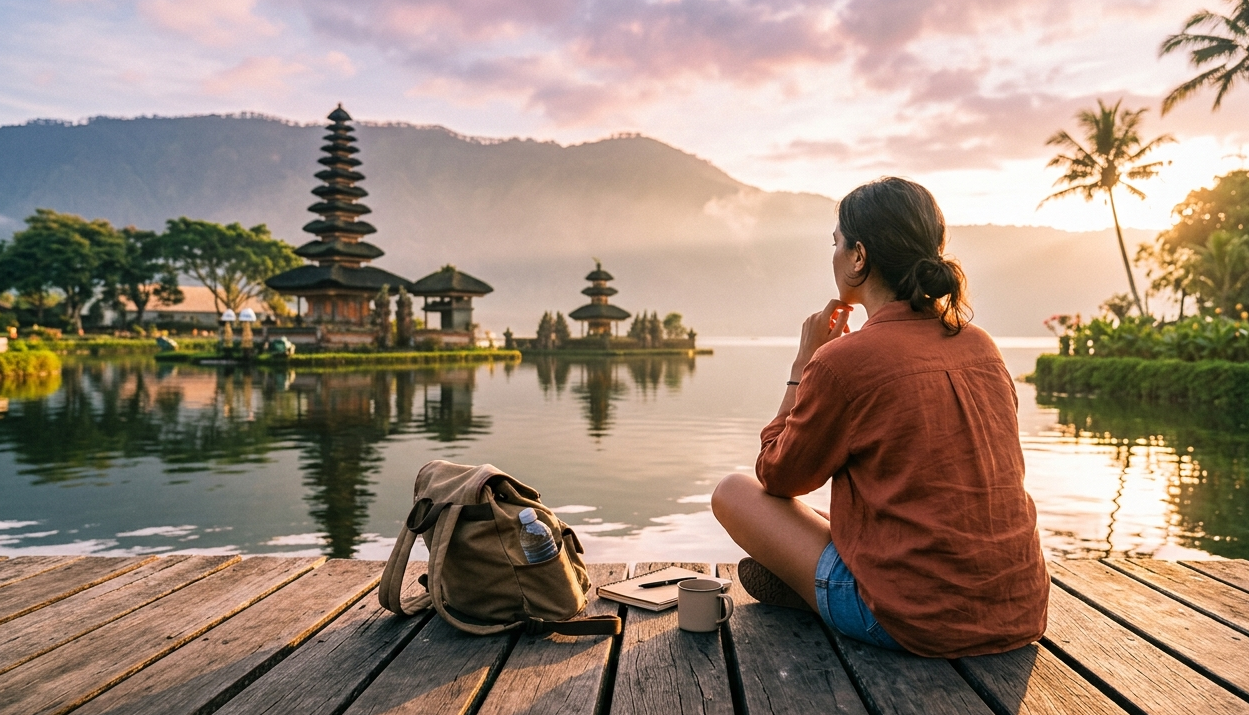
Introduction to Solo Travel in Bali
Solo travel carries a unique charm, presenting opportunities for personal growth, self-discovery, and adventure. For many, the prospect of exploring a new destination alone ignites a sense of freedom that is not easily replicated. Bali, with its vibrant culture, authentic experiences, and breathtaking scenery, stands out as a premier destination for those traveling solo. The island is welcoming, offering an environment conducive to meeting new people while also providing solace for solitary explorers.
As a solo traveler, Bali provides numerous advantages, such as flexibility in planning and the chance to engage deeply with local traditions. One can partake in yoga retreats or spiritual ceremonies, embrace the island’s artistic heritage, or simply unwind on its picturesque beaches. The lush rice terraces, majestic temples, and stunning landscapes are not only captivating but also enhance the reflective nature of solo travel.
Furthermore, Bali’s warm hospitality makes it an attractive option for those venturing out on their own. Local cuisine, rich with flavors, can be savored at cafes where solo diners are warmly embraced. The affordable accommodation options range from boutique hotels to hostels, catering to diverse budgets and preferences, ensuring that everyone can find a suitable place to stay. Engaging in group tours or classes allows solo travelers to connect with others, fostering friendships and enriching experiences amidst the exotic surroundings.
In conclusion, Bali encapsulates the essence of solo travel by balancing freedom and community. With its captivating culture, stunning natural beauty, and welcoming ambiance, it is undeniably a top destination for anyone seeking to embark on a solo journey. Whether through exploration or contemplation, Bali invites travelers to immerse themselves in its vibrant tapestry, making each moment of solitude a cherished experience.
Choosing the Right Time to Visit Bali Alone
Determining the optimal time to visit Bali as a solo traveler involves several factors, including weather, tourist crowds, and cultural events. Bali experiences a tropical climate, characterized by a dry season from April to September and a wet season from October to March. For solo travelers seeking pleasant weather, the dry season is the most suitable time to explore the island’s diverse landscapes and engage in outdoor activities.
During the dry season, average temperatures range from 30°C to 33°C (86°F to 91°F), which is ideal for enjoying beaches, hiking, and cultural excursions. However, this period also attracts a higher number of tourists, particularly in popular destinations like Ubud and Seminyak. To circumvent large crowds, it is advisable to plan your visit during the shoulder months of April, May, September, or October. These months often offer a balance of good weather and fewer visitors, allowing for a more tranquil exploration of Bali.
Moreover, aligning your travel dates with local festivals and events can significantly enhance your solo travel experience. Notable celebrations, such as Nyepi (the Day of Silence), offer a unique glimpse into Balinese culture. Participating in traditional ceremonies and local festivities enables solo travelers to connect with the local community, enhancing their understanding of Bali’s rich heritage.
When planning a trip, consider your personal interests and preferred activities. Whether it be surfing, yoga retreats, or cultural tours, identifying the time of year that best suits your passions will enrich your experience. In sum, taking into account weather patterns, tourist inflow, and cultural events will ensure a fulfilling solo adventure in Bali.
Top Accommodation Options for Solo Travelers
When embarking on a solo journey to Bali, selecting the right accommodation plays a crucial role in enhancing your overall experience. Fortunately, Bali offers a diverse range of lodging options that cater specifically to solo travelers, enriching both their comfort and exploration.
Hostels are a popular choice among those traveling alone, providing not only budget-friendly lodging but also vibrant social environments. Many hostels in Bali encourage interaction through communal spaces, shared kitchens, and organized activities. This setting allows solo travelers to meet like-minded individuals, share experiences, and forge new friendships, enhancing the travel adventure.
Boutique hotels are another excellent accommodation option for solo travelers seeking a more intimate atmosphere. These often feature unique designs and personalized service, creating a welcoming environment that prioritizes safety and comfort. Many boutique hotels in Bali offer amenities such as yoga classes, wellness retreats, and guided tours, allowing solo travelers to immerse themselves in the culture while feeling secure. Such properties typically receive higher reviews for hospitality and personal attention, which is especially beneficial for those traveling alone.
Guesthouses also provide a homey feel that can be appealing to solo travelers. Engaging with local families and enjoying traditional meals can enrich your travel experience significantly. Guesthouses often facilitate community events, such as cooking classes and local tours, allowing solo visitors to connect with both travelers and locals, creating valuable memories and new relationships.
In summary, whether you opt for a lively hostel, a charming boutique hotel, or a welcoming guesthouse, Bali’s diverse accommodations cater to various preferences. Ensuring safety, fostering social connections, and offering budget-friendly choices allow solo travelers to enjoy their time in Bali more fully, contributing to a rewarding travel journey.
Exploring Bali’s Cultural Hotspots
Bali, often referred to as the Island of the Gods, is rich in cultural heritage, making it an ideal destination for solo travelers eager to immerse themselves in local traditions. When exploring Bali’s cultural hotspots, there are several must-visit locations that showcase the island’s unique charm.
First on the list is the iconic Uluwatu Temple, perched on a cliff overlooking the Indian Ocean. This temple not only offers stunning ocean views but also hosts the traditional Kecak Dance performance at sunset. Engaging with local performers and understanding the story behind the dance can enhance your cultural experience.
Next, the Ubud Art Market is a vibrant hub for local artisans. Here, you can interact with craftsmen and purchase traditional handicrafts such as batik fabrics, silver jewelry, and wood carvings. Bargaining is a customary practice in this bustling market, allowing you to engage more deeply with both the locals and the art.
For a deeper insight into Balinese culture, visiting the Goa Gajah (Elephant Cave) is essential. This archaeological site features ancient relics and a tranquil aesthetic that encourages reflection and appreciation of Bali’s spiritual history. Guided tours are available, providing comprehensive knowledge about the historical significance of the site.
Another remarkable site is the Pura Taman Saraswati Temple, renowned for its exquisite lotus pond and intricate carvings. Participating in a meditation session or a traditional offering ceremony can offer invaluable insights into the daily spiritual practices of the Balinese people.
To make the most of your cultural exploration, consider attending local workshops ranging from Balinese cooking classes to art lessons in traditional painting. These interactive experiences can lead to authentic connections with the local community. Ultimately, engaging genuinely with Bali’s cultural hotspots will enrich your solo travel journey greatly.
Adventure Activities for Solo Travelers
Bali presents a plethora of adventure activities that cater specifically to solo travelers seeking to experience the island’s breathtaking natural beauty and vibrant culture. Whether one’s interests lean towards water sports, hiking trails, or cultural explorations, Bali has something to offer everyone.
Surfing is a quintessential Bali experience and excellent for solo travelers. Renowned beaches like Kuta and Seminyak are ideal for both beginners and seasoned surfers. Numerous surf schools offer lessons for individuals, providing a safe and engaging environment to learn while also presenting opportunities to meet fellow enthusiasts. The shared camaraderie on the waves can enhance the overall adventure, making it more enjoyable.
Another exhilarating option is hiking. Bali is home to several impressive trekking routes, such as the iconic Mount Batur. This hike, particularly popular for its stunning sunrise views, allows solo adventurers to connect with nature while joining group tours that ensure safety and guidance. Local guides are available, providing not only knowledge about the terrain but also acting as facilitators for social interactions amongst fellow hikers.
Diving is another remarkable way to explore Bali’s underwater wonders. From the coral gardens of Tulamben to the vibrant marine life at Nusa Penida, solo travelers can partake in dive tours with certified instructors. Many diving schools encourage small group settings, enabling solo travelers not only to enjoy the activity but also to forge new friendships with fellow divers.
Safety remains a priority for solo travelers participating in adventure activities. It is recommended to research reputable companies and read reviews before booking any tours. Additionally, engaging with others in a group setting enhances security, making the adventure more enjoyable and less daunting. In Bali, the spirit of adventure is not only about the activities but about the connections formed along the way.
Finding Wellness and Relaxation in Bali
Bali, renowned for its breathtaking landscapes and rich cultural heritage, is also an unparalleled destination for wellness and relaxation, making it an ideal spot for solo travelers seeking rejuvenation. The island boasts a plethora of wellness retreats that offer holistic experiences aimed at fostering physical and emotional health. These retreats frequently provide bespoke wellness programs tailored to solo visitors, ensuring a safe environment for self-discovery and healing.
One of the key attractions for those seeking peace is the abundance of yoga classes held in serene surroundings. Many studios feature both indoor and outdoor spaces, which take advantage of Bali’s stunning natural beauty. Each class caters to different skill levels, from beginners to advanced practitioners, and often includes various styles such as Hatha, Vinyasa, and Yin yoga. These sessions not only promote physical well-being but also nurture mental clarity and emotional balance.
In addition to yoga, solo travelers can immerse themselves in meditation practices that Bali promotes. Numerous centers offer guided meditation sessions, promoting mindfulness and relaxation. Engaging in these practices enhances self-awareness and can improve overall quality of life. Furthermore, many wellness retreats include meditation workshops focused on breathing techniques, visualization, and even sound healing therapies.
Bali is also famous for its luxurious spas that cater to every aspect of well-being. From traditional Balinese massages to modern spa treatments, there is something for everyone. Many of these spas utilize locally sourced ingredients that enhance the overall experience, often incorporating natural elements such as coconut oil, herbs, and flowers. These holistic treatments can greatly benefit solo travelers by providing relaxation and a sense of pampering.Overall, Bali presents a golden opportunity for anyone looking to invest in their wellness and relaxation, creating a perfect environment for solo exploration and self-care.
Dining and Socializing as a Solo Traveler
Bali offers a rich culinary landscape that caters to solo travelers seeking both nourishment and social interaction. From local eateries to vibrant food markets, the options are plentiful and diverse. A notable choice for solo gourmands is to explore traditional Balinese warungs, small family-owned restaurants that serve authentic dishes such as Nasi Goreng and Sate Lilit. Eating in these establishments often leads to casual conversations with locals and other travelers, enhancing the overall experience.
Cafés in popular areas like Ubud and Seminyak provide an inviting atmosphere for solo diners. Many of these establishments have communal tables, allowing for easy engagement with fellow patrons. For those interested in a more casual dining experience, the Café Organic and Clear Café are known for their healthy menus and laid-back vibes, making them ideal spots for striking up a conversation over a smoothie bowl or a fresh salad.
Food markets, such as the Gianyar Night Market or the Ubud Market, present a unique opportunity for solo travelers. The bustling atmosphere, combined with a variety of affordable food options, creates an ideal setting for mingling. Travelers can sample street food, share recommendations, and connect with other visitors while indulging in local flavors. The diverse culinary landscape is not just about eating; it’s about the interactions that stem from a shared passion for food.
In addition to dining, joining cooking classes can be an excellent way to meet new people while honing culinary skills simultaneously. Many establishments offer classes where participants learn to prepare traditional dishes, fostering an environment of collaboration and camaraderie.
Ultimately, the dining and socializing scene in Bali is accommodating for solo travelers. By choosing popular food spots, attending markets, and participating in cooking classes, travelers are likely to enhance their experience and form meaningful connections with others.
Navigating around Bali can be an exciting experience for solo travelers, given the variety of transportation options available. Understanding the most convenient and safe methods to get around will enhance your travel experience significantly.
One of the most popular ways to explore Bali independently is by renting a scooter. This option gives you the freedom to move at your own pace and access remote areas that may not be easily reachable by other means. Rental services are widely available, with prices typically ranging from IDR 50,000 to IDR 100,000 per day. However, it is essential to wear a helmet for safety and to hold a valid international driving license to comply with local laws.
If you are not comfortable riding a scooter, alternative transportation methods include using ride-hailing services, such as Gojek or Grab. These platforms are incredibly efficient, offering both car and motorcycle rides at competitive prices. Not only are they a safe option, but they also provide the convenience of cashless payments, allowing you to travel effortlessly across the island.
Public transportation options in Bali, although limited, include buses and the bemo (shared minivan) system. Buses such as the Kura-Kura Bus offer designated routes connecting popular tourist destinations, providing an affordable way to navigate the island. For a more local experience, hopping on a bemo can be an adventurous choice, albeit less reliable in terms of schedule.
As a solo traveler, maintaining awareness of your surroundings is crucial for safety. Avoid traveling at night in unfamiliar areas, keep your belongings secure, and consider sharing your travel plans with friends or family. By following these transportation tips, navigating Bali alone will be a seamless and enjoyable experience.
Conclusion: Embracing the Solo Journey in Bali
Traveling alone in Bali is an enriching experience that provides the opportunity for personal growth, self-discovery, and unforgettable memories. Throughout this week-long adventure, solo travelers will find a plethora of activities designed to cater to various interests. From discovering serene beaches to exploring vibrant local markets and engaging in culturally immersive activities, there is something for everyone to enjoy.
The beauty of embarking on a solo journey in Bali lies in the freedom it offers. Travelers can create their own itinerary, allowing for a tailored experience that aligns with their personal preferences and pace. Whether it’s savoring traditional Balinese cuisine, hiking through lush rice terraces, or absorbing spiritual practices at ancient temples, the diverse landscape of Bali has much to offer. This flexibility encourages explorers to remain open-minded and embrace spontaneity, enhancing the overall travel experience.
Additionally, solo travelers are likely to encounter like-minded individuals and engage in new friendships through shared experiences. The welcoming nature of the Balinese people further enriches the journey, making it easier for individuals to connect and share in the local culture. This aspect of travel can help foster a sense of community, reminding travelers that while they may be alone, they are also part of a larger world.
In conclusion, a solo trip to Bali can be a transformative journey, filled with remarkable sights and experiences. Embracing this adventure allows individuals to step outside their comfort zones, learn more about themselves, and appreciate the beauty of independence. By planning thoughtfully and approaching the journey with an open heart, travelers can create lasting memories and thoroughly enjoy their time exploring the picturesque island of Bali alone.