

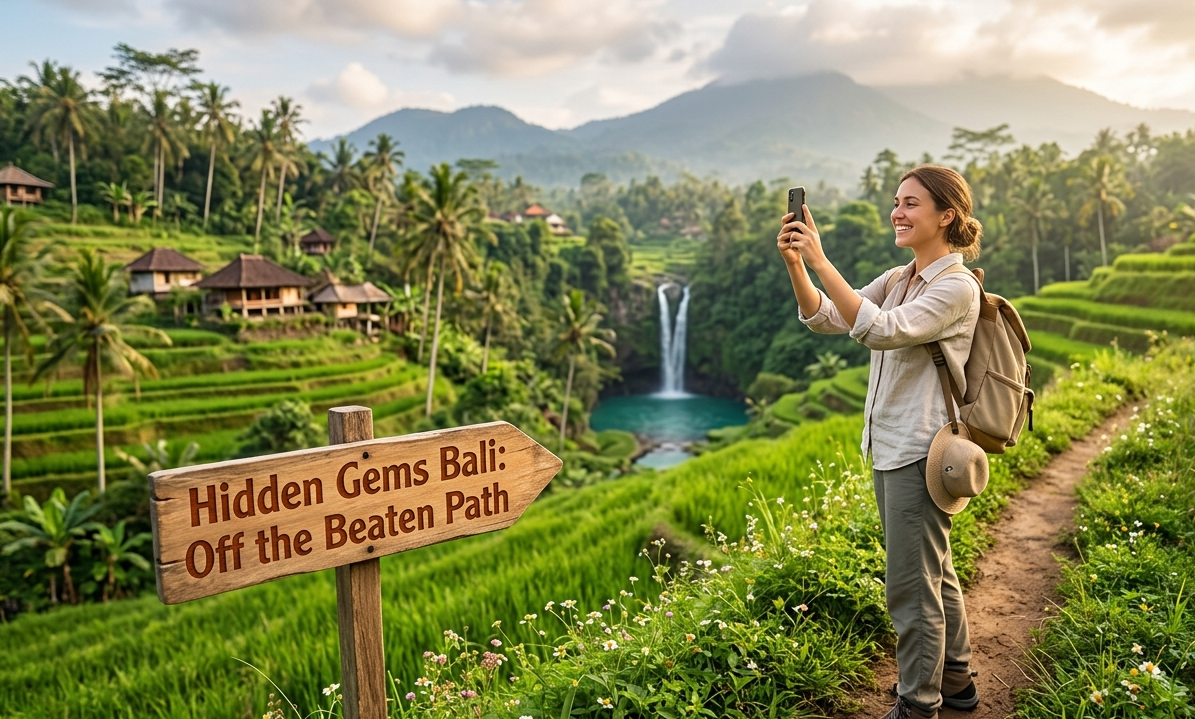
Introduction to Bali’s Hidden Gems
Bali, known as the Island of the Gods, is home to a plethora of stunning landscapes, rich culture, and vibrant traditions. While major tourist attractions like Ubud, Kuta, and Seminyak capture the attention of travelers, the island conceals numerous hidden gems that offer a more authentic experience. These lesser-known locations represent the island’s essence, and exploring them allows visitors to connect with its culture and nature in remarkable ways.
The allure of Bali’s hidden gems lies in their tranquility and relative seclusion from the bustling tourist crowds. These places provide a serene escape, often revealing breathtaking nature, unique customs, and local artistry that are overshadowed by the more commercialized destinations. Visiting these off-the-beaten-path sites can lead to unique encounters with the locals and a deeper understanding of Balinese life, the traditions that shape it, and how this beautiful island operates outside the tourist economy.
Moreover, the cultural significance of these hidden gems cannot be underestimated. Many sites are steeped in history and tradition, offering insightful glimpses into the Balinese way of life. For instance, lesser-known temples and ceremonies that are not widely publicized can deepen one’s appreciation for Bali’s spiritual landscape. Visitors can witness traditional rituals and celebrations that truly reflect the island’s rich heritage.
In contrast to popular tourist spots, which can sometimes feel commercial and rushed, Bali’s hidden gems allow for introspective travel experiences. This approach to exploration encourages a genuine connection with the land, its people, and their remarkable stories. As travelers navigate away from the conventional paths, they embark on a journey that is sure to enrich their understanding of Bali in unexpected and delightful ways.
The Scenic Rice Terraces of Jatiluwih
Nestled within the Tabanan Regency of Bali, Jatiluwih is renowned for its breathtaking landscapes, primarily characterized by its stunning rice terraces, which are recognized as a UNESCO World Heritage Site. These terraces are distinctive not only for their beauty but also for their traditional subak irrigation system, a cooperative water management method practiced by local farmers that has been in use for centuries.
The sprawling green fields of Jatiluwih create a mesmerizing vista that captivates visitors and invites them to immerse themselves in nature. The layered rice paddies, stretching as far as the eye can see, present a picturesque tableau, especially during the planting and harvesting seasons when the rice fields are lush and vibrant. The natural beauty is further complemented by the surrounding mountains and a peaceful atmosphere, making it an ideal location for photography enthusiasts and nature lovers alike.
In addition to its visual appeal, Jatiluwih offers numerous opportunities for hiking and nature walks. The well-marked trails guide visitors through the rice terraces and surrounding landscapes, allowing one to experience the serenity of the area while getting a close-up view of the traditional farming practices. Along these trails, one may encounter local farmers engaged in their daily routines, providing insight into the agricultural lifestyle that has persisted for generations.
For those seeking to explore the rural beauty of Bali, a visit to Jatiluwih promises not only an escape from the more commercialized tourist areas but also a chance to appreciate the harmonious relationship between the local community and their environment. Whether one opts for leisurely walks or challenging hikes, the rice terraces of Jatiluwih highlight Bali’s agricultural heritage while showcasing the island’s natural allure.
The Tranquil Beaches of Amed
Amed, located on the northeastern coast of Bali, is renowned for its serene beaches, making it a refuge for travelers seeking tranquility away from the busier tourist hotspots. Characterized by its stunning black volcanic sand, Amed’s beaches offer a unique landscape that captivates visitors with their natural beauty and peaceful ambiance. The clear turquoise waters that surround the area are not only visually striking but also provide an ideal setting for various aquatic activities.
The crystal-clear waters of Amed are particularly appealing to snorkeling and diving enthusiasts. Vibrant coral reefs teem with marine life, offering a stunning showcase of biodiversity beneath the surface. Many dive shops in the area provide equipment rentals and guided tours, ensuring that both novices and experienced divers can explore the underwater world comfortably. The calm sea conditions in Amed make it an excellent environment for snorkeling, allowing visitors to drift along the water’s surface and view the colorful fish and intricate coral up close.
Moreover, the tranquil beaches of Amed are perfect for those wishing to relax and unwind. The soft sound of waves lapping against the shore creates a soothing backdrop, inviting visitors to spend leisurely afternoons soaking up the sun. Several beachside warungs (small local cafes) serve delicious traditional Balinese cuisine, offering the chance to enjoy a meal while taking in the breathtaking ocean views. Whether you prefer to relax under a palm tree, dive into the warm waters, or explore the vibrant marine life, Amed provides a peaceful retreat that can rejuvenate the mind and body.
The Artistic Village of Ubud
Ubud, often regarded as the cultural heart of Bali, offers a richer view of the island’s artistic legacy than many travelers might initially envision. This vibrant village serves as a sanctuary for artists and artisans, showcasing the depths of Balinese creativity through its hidden art galleries and traditional crafts. Walking through Ubud, visitors encounter numerous small galleries that house works created by local artists, ranging from contemporary paintings to traditional sculptures. Each gallery provides a glimpse into the unique perspectives and stories that reflect the Balinese way of life.
One of the notable aspects of Ubud’s artistic community is its emphasis on traditional crafts. Locally produced textiles, pottery, and wood carvings are crafted using time-honored techniques passed down through generations. Craft workshops dot the landscape, where visitors can engage with artisans and gain firsthand experience in creating their own handicrafts. These interactive experiences not only foster a deeper appreciation for the arts but also contribute to the preservation of cultural heritage.
Furthermore, the local markets in Ubud are a treasure trove for those seeking to support Balinese artisans directly. The Ubud Art Market, for instance, is a bustling hub filled with vibrant stalls offering an array of handmade goods, including intricately designed jewelry, woven baskets, and artistic home décor. Amidst the market’s lively atmosphere, one can sense the passion and dedication of the artisans, whose talents have emerged from deep cultural roots.
Ubud’s rich artistic scene provides visitors with an opportunity to explore beyond the mainstream tourist experience, connecting them with the true essence of Balinese artistry and craftsmanship. The village remains a bastion of creativity, inviting those who seek to immerse themselves in the artistic soul of Bali.
The Sacred Springs of Tirta Empul
Tirta Empul, a revered water temple located in central Bali, is a significant site that showcases not only the island’s architectural beauty but also its rich religious and cultural traditions. Founded in the 10th century, this temple is famous for its holy springs, which are considered to be sacred by the Balinese Hindu community. The name ‘Tirta Empul’ translates to ‘holy water spring’, reflecting the site’s importance as a place of worship and purification.
The temple complex is unique, featuring numerous bathing pools fed by clear, fresh spring water. Visitors to Tirta Empul can experience a traditional purification ritual, known as ‘melukat’. This involves immersing oneself in the water at the temple’s sacred springs while offering prayers, providing a profound spiritual experience. Engaging in this ritual allows individuals to cleanse both body and spirit, demonstrating the intertwining of spirituality and daily life in Balinese culture.
The architecture of Tirta Empul adds another layer of allure to the site. The temple boasts intricate carvings and traditional Balinese design elements, which contribute to the serene atmosphere. Visitors strolling through the lush gardens can appreciate the temple’s exquisite detailing and its harmonious integration with the surrounding natural environment. Additionally, the ambiance is punctuated by the gentle sounds of flowing water, enhancing the serene experience.
Overall, a visit to Tirta Empul presents an unparalleled opportunity to explore the spiritual depths of Bali, engage in purification practices, and appreciate the fine craftsmanship of Balinese temples. As one of the hidden gems on the island, Tirta Empul not only allows for spiritual reflection but also serves as a magnificent testament to the island’s cultural heritage.
The Secluded Waterfalls of Nungnung
Nungnung Waterfall stands as one of Bali’s most impressive natural treasures, hidden within the island’s verdant landscape. Located in the Badung region, this enchanting waterfall is often overlooked by tourists, making it a tranquil oasis for those seeking a connection with nature. The natural surroundings, characterized by dense jungles and lush greenery, create a picturesque setting that enhances the experience of visiting this secluded destination.
The journey to Nungnung Waterfall involves a moderately challenging trek that adds an element of adventure to the visit. As you make your way to the waterfall, visitors are greeted with a winding path that leads through tropical forests and alongside rice paddies. The descent includes several steps, with a total of around 600 stairs leading downwards. This descent offers an opportunity to appreciate the rich biodiversity of the region, as the path is often flanked by various species of flora and fauna indigenous to Bali.
Upon arrival at Nungnung Waterfall, observers are rewarded with a breathtaking sight. Cascading down a steep cliff, the waterfall boasts an impressive height of approximately 50 meters, creating a spectacular display as the water crashes into the natural pool below. The mist from the waterfall adds a refreshing coolness to the atmosphere, making it an ideal spot for a rejuvenating dip or simply soaking in the stunning surroundings. For photographers and nature lovers alike, the area offers endless opportunities for capturing the beauty of this hidden gem, with countless angles to admire the waterfall’s grandeur.
Overall, Nungnung Waterfall serves not only as a visual feast but also as an escape from the hustle and bustle of mainstream tourist destinations in Bali, inviting visitors to immerse themselves in its serene beauty.
The Untouched Beaches of Suluban Beach
Suluban Beach, often overlooked by visitors in search of Bali’s more popular attractions, is a unique gem that captivates the imagination with its striking cave formations and breathtaking ocean views. Nestled on the southern coast of the island, near Uluwatu, this beach offers a serene escape from the bustling tourist spots that pepper the region. To reach Suluban, travelers must navigate through a narrow alleyway and descend a series of steep stairs that wind their way past rocky cliffs, a journey that heightens the sense of adventure.
Upon arriving at Suluban Beach, visitors are greeted by the remarkable sight of the sunlit caves, sculpted by centuries of ocean waves. These natural formations create intimate spaces where one can bask in the natural beauty that surrounds them. Unlike many of Bali’s more commercialized beaches, Suluban remains relatively uncrowded, allowing for peaceful exploration and reflection. The tranquil atmosphere invites visitors to unwind, whether they choose to swim in the crystalline waters, sunbathe on the soft sands, or simply contemplate the horizon.
The experience at Suluban Beach is further enhanced by its pristine environment, where the sounds of crashing waves intermingle with the gentle whispers of the breeze. The lack of large crowds means visitors can appreciate the unspoiled nature and the vibrant marine life that thrives in the area. For those who venture here, Suluban Beach not only fosters a deep connection with Bali’s natural beauty but also provides a welcome retreat from the frenetic pace often associated with tropical vacations. This hidden treasure exemplifies why it is worth seeking out Bali’s lesser-known locales.
Culinary Delights in Sidemen Valley
Sidemen Valley, nestled in the serene landscapes of Bali, offers a unique gastronomic experience that reflects its rich agricultural heritage. The region is known for its lush rice paddies, vibrant fruit orchards, and traditional farming practices, which significantly influence its culinary scene. Visitors to Sidemen Valley can savor authentic Balinese cuisine, characterized by an array of flavors and ingredients sourced directly from the local environment.
One must-visit eatery is Warung D’Sawah, famous for its breathtaking views and authentic dishes that not only please the palate but also celebrate the natural beauty of the valley. Here, diners can relish specialties such as Nasi Ayam (chicken rice) and Bebek Betutu (slow-cooked duck), which are prepared using age-old recipes that emphasize local ingredients. Each meal at Warung D’Sawah provides a genuine taste of the culinary traditions rooted in Sidemen Valley.
Another noteworthy spot is Warung Mak Beng, which is celebrated for its Soto Ayam (chicken soup) that boasts a hearty broth infused with herbs and spices, giving it a distinctive, warming flavor. This eatery reflects the communal spirit of Balinese dining, where meals are often shared and enjoyed together, enhancing the overall experience.
The local market in Sidemen also presents a culinary adventure. Here, visitors can explore an assortment of fresh produce, spices, and traditional snacks, offering an opportunity to understand the ingredients that form the backbone of Balinese cuisine. Trays filled with pisang goreng (fried bananas) and jaja bali (traditional sweets) tempt passersby as locals engage in their daily routines.
Exploring the culinary scene in Sidemen Valley is an invitation to appreciate the region’s organic connection to food, where every meal reflects the dedication of local farmers and chefs. As you indulge in these culinary delights, you will find that the food not only nourishes but also tells the story of Bali’s rich agricultural traditions.
Tips for Exploring Bali’s Hidden Gems
Embarking on a journey to explore Bali’s hidden gems requires thoughtful planning and consideration. First, transportation options play a key role in your adventure. While popular tourist areas are easily accessible via taxis or ride-hailing apps, hidden gems often necessitate renting a scooter or hiring a private car with a local driver who knows the area well. This not only provides you with convenience but also gives you the opportunity to learn from local insights. Ensure to have an international driving permit if you choose to ride a scooter.
The best times to visit these less frequented sites are early in the morning or late in the afternoon, avoiding the midday heat and crowds. Moreover, some hidden gems are breathtaking at sunrise or sunset, enhancing your experience with stunning views and peaceful surroundings. Planning your visit during the dry season, typically from April to October, can lead to a more enjoyable trip due to favorable weather conditions.
Respecting local customs and cultural practices is paramount when visiting Bali’s hidden gems. Engaging with local communities, participating in traditional ceremonies, or enjoying local cuisine can enrich your experience. Always ask for permission before taking photographs of people or their property, as this shows respect and appreciation for their culture.
Lastly, embracing sustainable tourism practices will ensure that these hidden treasures remain intact for future travelers. Be mindful of your environmental footprint by minimizing waste, using reusable water bottles, and supporting local artisans by purchasing handcrafted items. By practicing responsible tourism, not only do you help preserve Bali’s beauty, but you also contribute positively to the local economy and community.