

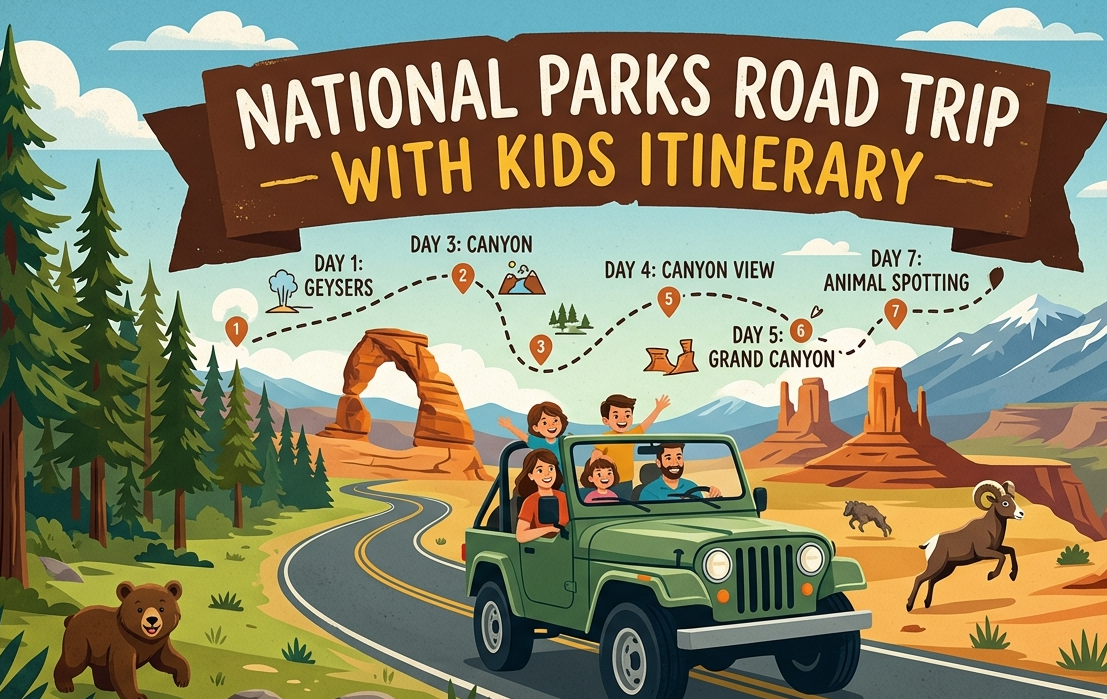
Introduction to National Parks Road Trip
Embarking on a national parks road trip provides families with an exceptional opportunity to explore the stunning landscapes and rich biodiversity that these protected areas offer. From towering mountains to pristine lakes, national parks showcase the beauty of nature in its purest form. For families traveling with children, these parks not only serve as a backdrop for adventure but also as living classrooms where kids can learn about ecology, geology, and the importance of conservation.
The popularity of road trips has surged in recent years, particularly as families seek more engaging ways to spend quality time together. A national parks road trip fosters bonding experiences as families navigate state lines, share traveling tales, and participate in various outdoor activities such as hiking, wildlife watching, and camping. These adventures instill a sense of wonder in children while providing a break from the routine of daily life.
Moreover, visiting national parks provides families with a diverse array of activities suitable for all ages. Parents can introduce their children to outdoor skills like hiking and birdwatching, while engaging in important discussions regarding environmental stewardship. Kids often find joy in spotting animals and learning about their habitats, making the educational aspect of the trip both enjoyable and memorable.
Furthermore, national parks often host a variety of programs designed for families, which can enhance the visitor experience. Ranger-led tours, activity-based learning sessions, and guided hikes are just a few examples of the enriching opportunities available within these remarkable spaces. Ultimately, a national parks road trip stands out as an exceptional family adventure, one that balances exploration, education, and entertainment amid the wonders of nature.
Choosing the Right National Parks
Selecting the most suitable national parks for a family road trip with children involves a careful consideration of various factors that align with their interests and capabilities. Family-friendly parks often feature well-maintained trails, accessible facilities, and a wide range of activities that cater to visitors of all ages. When planning your itinerary, it is essential to seek out parks that offer features appealing to children, such as opportunities for wildlife observation, engaging educational programs, and interactive exhibits.
Some popular national parks known for their family-oriented activities include Yellowstone, Yosemite, and the Great Smoky Mountains. At Yellowstone National Park, families can marvel at geysers and geothermal features, while also encountering diverse wildlife, including bison and elk. The park’s accessibility makes it easy for families with children to navigate the various sites with short, manageable hikes. Similarly, Yosemite National Park’s iconic rock formations and waterfalls provide breathtaking views that can be appreciated through easy trails suitable for young children.
Additionally, the Great Smoky Mountains National Park is renowned for its lush forests and vibrant ecosystems, offering numerous family-friendly programs that educate visitors about nature and conservation. The park features diverse trails that range from simple walks to more challenging excursions, ensuring that families can select routes that match their children’s stamina and interest levels. Furthermore, many national parks offer junior ranger programs targeting children, which encourage them to explore and learn about the natural environment while having fun.
Ultimately, when selecting the right national parks, consider not only the attractions available but also the specific interests of your children. Whether they are fascinated by wildlife, eager to hike, or excited about educational programs, finding parks that cater to these interests can enhance the experience for the entire family during your national park road trip.
Planning Your Itinerary: Key Considerations
When embarking on a family road trip to explore national parks, a well-structured itinerary is essential for making the most of your time together. One of the primary factors to consider is the travel time between different parks. Understanding the distances can help you gauge how much time you will need for driving versus exploring. Using a mapping tool can assist in estimating driving times, allowing for adjustments as necessary to ensure that travel does not become burdensome.
Accommodations also play a critical role in itinerary planning. Researching family-friendly lodging options in advance can secure comfortable resting spots after long days of travel. Whether you choose hotels, campgrounds, or rental properties, look for features that cater to children’s needs, such as swimming pools, playgrounds, or complimentary breakfasts. Additionally, consider the proximity of accommodations to the parks on your itinerary, as this can reduce travel time each day.
Meal planning is another vital aspect to cover. A mix of dining out and preparing meals can keep costs manageable while ensuring that family members enjoy nutritious food. Packing a cooler with snacks and easy-to-prepare meals can be convenient during long car rides and saves time at restaurants. Consider varying international cuisines to make mealtime more exciting for children.
Lastly, include activities suitable for various age groups in your itinerary. This could involve short hiking trails, educational ranger programs, or interactive exhibitions. Ensure a balance between driving times and park visits to keep young travelers engaged and avoid fatigue. Allocating free time for unplanned stops can also enhance the road trip experience, offering a delightful mix of exploration and spontaneity.
Packing Essentials for the Family Road Trip
When embarking on a family road trip to national parks, particularly with children in tow, it is crucial to be well-prepared. Proper packing not only ensures a smoother journey but also enhances the overall experience for everyone involved. Here are some essential items to consider packing for your adventure.
First and foremost, outdoor gear is a must. Depending on the parks you plan to visit, items such as sturdy hiking boots, weather-appropriate clothing, hats, and sunglasses are advisable. Additionally, packing outdoor equipment such as a lightweight backpack, reusable water bottles, and a compact picnic blanket can facilitate enjoyable outdoor meals and hiking experiences.
Another critical aspect of preparation is the inclusion of a well-stocked first aid kit. This should contain basic medical supplies such as adhesive bandages, antiseptic wipes, gauze, and any necessary medications for your family. Additionally, the presence of insect repellent and sunscreen is essential for protecting against bugs and sun exposure while exploring the great outdoors.
Snacks are a travel necessity, particularly for children. Healthy snacks like trail mix, granola bars, fruit, and vegetables can help maintain energy levels and keep spirits high during long stretches in the car. Furthermore, consider packing a cooler with refreshing drinks to stay hydrated.
For entertainment, plan ahead by bringing along audiobooks, games, or tablets filled with appropriate apps and movies. These will assist in keeping children engaged and entertained during the hours spent on the road.
Lastly, safety items cannot be overlooked. A road trip should include basic safety tools such as a flashlight, reflective warning triangle, and a roadside emergency kit. Being adequately prepared with these essentials will not only keep your family comfortable and entertained but also ensure a safe and enjoyable road trip experience in the national parks.
Must-Visit Activities and Attractions for Kids in National Parks
National parks offer a plethora of activities and attractions that cater specifically to children, making them ideal family-friendly destinations. One of the most engaging options available is the Junior Ranger Program, which is offered in many national parks. This initiative encourages young visitors to explore and learn about the park’s ecological and historical significance through fun hands-on activities. Upon completion of their tasks, children are sworn in as Junior Rangers, receiving badges and certificates that they can proudly display.
Visitor centers in national parks serve as excellent starting points for families. They often include interactive exhibits and informative displays that introduce the park’s unique environment. Many centers provide ranger-led talks that are tailored for kids, offering insights into local wildlife and geography in an engaging manner. These centers also typically feature gift shops where families can purchase educational materials related to their park experience.
Guided family hikes provide another exciting opportunity for children to connect with nature. These hikes are usually designed with families in mind, taking shorter routes that are manageable for young legs while highlighting interesting features along the way. Educational elements may be integrated, such as identifying animal tracks or observing different plant species, making the hike not only enjoyable but also enriching.
In addition to hiking, many national parks have organized kid-friendly educational activities, including nature scavenger hunts and wildlife spotting games. These activities promote engagement with the natural world and foster a sense of adventure. Crafting, storytelling sessions, and evening campfires with s’mores are also popular, creating a perfect blend of fun and education. Exploring the vast wonders of national parks through these activities ensures a memorable experience for kids and families alike.
Safety Tips for National Park Visits
Visiting national parks can be a rewarding adventure for families, especially when exploring the great outdoors with children. However, safety should always be a priority to ensure that the experience is enjoyable and secure. Parents must educate their children about the potential risks associated with wildlife encounters and natural terrains.
One critical aspect of wildlife safety is to maintain a respectful distance from animals. Children should be taught the importance of observing wildlife from afar and should never feed or attempt to touch them. Many parks have specific guidelines on how to behave if wildlife is encountered. Educating the family about these rules can help prevent dangerous situations.
Another essential practice is to stay on marked trails. Trails are designed to minimize environmental impact while keeping visitors safe from natural hazards. Encourage children to walk on designated paths to avoid getting lost and to protect local ecosystems. It is also advisable to keep an eye on children as they explore, ensuring they remain within sight at all times.
Hydration is critical during any outdoor activity, especially when hiking in the parks. Ensure that everyone in the family carries sufficient water, particularly on warm days. Remind children to take regular sips, instilling habits that promote adequate hydration throughout the day.
Sun protection is equally important. Apply sunscreen frequently and consider wearing hats and sunglasses. Teach children to seek shaded areas during the hottest parts of the day. Moreover, having a first-aid kit on hand can prepare families for any minor mishaps. Parents should familiarize themselves with basic first-aid procedures to address any immediate needs that may arise.
Overall, careful preparation and awareness can make national park visits both safe and enjoyable for families. By integrating wildlife safety, trail adherence, hydration, sun protection, and emergency preparedness into your trip planning, your family can experience the beauty of nature confidently.
Creating Lasting Memories: Family-Friendly Experiences
A family road trip through national parks presents a unique opportunity to create lasting memories with your children. Engaging in activities such as family photography not only captures the breathtaking landscapes but also the joy of togetherness. Identify scenic vistas within the parks, where the family can pose against stunning backdrops. Setting aside time for these moments will yield photographs that carry the essence of your shared adventures.
Evenings during your trip can become special when you gather around a campfire. This setting is perfect for storytelling, where each family member can share tales, whether real or imagined. It strengthens bonds and creates a warm atmosphere, fostering connection and engagement. The allure of crackling flames and the glow of embers will provide a rich backdrop for these cherished narratives.
As night falls, star gazing allows your family to experience the beauty of the cosmos. Many national parks offer remarkably clear skies free from urban light pollution, making it an ideal venue for exploring constellations and planets. Consider bringing along a star chart or downloading a stargazing app to identify celestial bodies, which can pique your children’s interest in astronomy.
Moreover, unique experiences such as ranger-led programs provide educational yet enjoyable opportunities for the whole family. These programs can range from guided nature walks to wildlife conservation talks, allowing your children to learn directly from experts and gain a deeper appreciation for nature.
Nighttime walks through the park can offer a different perspective of the environment. The sounds of wildlife, the rustle of leaves, and the cool night air can create an enticing atmosphere for exploration. Ensuring safety with proper gear and pathways, these walks can become an exciting adventure that complements your day explorations.
Navigating Park Regulations and Accessibility
When embarking on a family road trip to explore national parks, it is crucial to understand and adhere to various park regulations. These regulations not only ensure a safe and enjoyable experience for visitors but also play a vital role in preserving the natural environment. A primary consideration for families is the park’s pet policy. Many national parks enforce strict regulations regarding pets to protect local wildlife and maintain the integrity of park ecosystems. Typically, pets are only permitted in designated areas, including campgrounds and parking lots. Before heading out, families should check the specific regulations of each park they plan to visit, as rules may vary.
In addition to pet policies, it is important to be aware of campfire rules. Many national parks have regulations in place that limit campfires to specific areas or prohibit them altogether during certain times of the year due to fire safety concerns. Familiarizing oneself with these guidelines can help prevent potential hazards and ensure a safe environment for all visitors.
Accessibility is another key aspect for families, especially those with strollers or wheelchair needs. Most national parks strive to make their facilities accessible to all visitors, including scenic viewpoints, trails, and restrooms. Many parks offer paved paths and accessible parking options to accommodate families traveling with strollers or individuals in wheelchairs. However, it is advisable for families to investigate the specific accessibility features available at each park prior to their visit. This can enhance the overall experience, allowing everyone to engage with the natural beauty and recreational opportunities the parks offer.
In conclusion, being informed about park regulations and accessibility options is essential for families planning their visits to national parks. Respecting these guidelines not only ensures a memorable trip but also contributes to the preservation of these precious natural resources for future generations. By planning ahead and following the rules, families can enjoy a safe and enriching outdoor experience.
Conclusion and Encouragement for Family Adventures
As we conclude our journey through planning the ultimate family road trip itinerary to explore national parks, it is essential to recognize the invaluable benefits this experience can provide. Hitting the road with your loved ones serves not only as a means of adventure but also fosters deeper connections among family members.
The beauty of national parks lies in their ability to immerse families in nature’s splendor, encouraging exploration and open-hearted discussions far removed from everyday distractions. From the grandeur of towering mountains to the serenity of lush forests, these parks offer countless opportunities for bonding moments, simple joys, and the chance to embrace the outdoors together. Families can share laughter while hiking picturesque trails, marvel at breathtaking sunsets, or embark on wildlife spotting adventures that create lasting memories.
Moreover, engaging in these activities can also enhance children’s appreciation for the environment, cultivating a sense of responsibility towards nature as they witness its wonders firsthand. An adventure in a national park can spark curiosity and provide educational opportunities, all while enjoying quality family time away from screens and busy schedules.
Therefore, I encourage all families to consider planning a road trip to visit national parks. Whether it’s a nearby destination or a majestic park across the country, the journey awaits. Embrace the spontaneity of travel, immerse yourselves in the great outdoors, and prioritize time together as a family. Adventure is out there, and it’s the perfect backdrop for creating cherished memories that will last a lifetime.