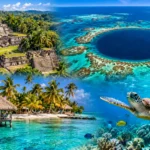


Understanding the Basics of Multi-Country Travel Planning
In recent years, multi-country travel planning has gained significant traction among adventurers looking to maximize their experiences abroad. This approach allows travelers to visit several nations within a single trip, offering not only time efficiency but also enriching cultural experiences. Indeed, the allure of exploring diverse landscapes, cuisines, and traditions within a compact timeline makes this strategy an enticing option for many.
One of the key advantages of multi-country itineraries is the opportunity for cultural immersion. By transitioning from one country to another, individuals can witness firsthand the stark contrasts in lifestyle, art, and customs that exist even within geographically close regions. This expansive exposure can deepen one’s appreciation for the world’s diversity and foster personal growth through unique encounters.
However, navigating the intricacies of multiple-country travel can introduce complexities that demand careful consideration. Visa regulations can often vary dramatically from country to country, and ensuring compliance with the necessary entry requirements is paramount. Inaccurate or insufficient documentation could result in denied entry, potentially derailing meticulously planned trips. To effectively manage this aspect, travelers should conduct thorough research on each destination’s visa requirements and the implications of their travel route.
Additionally, logistical challenges may arise, including coordinating transportation, accommodations, and budget allocation across several nations. Efficient planning can mitigate these obstacles, requiring advanced booking of flights and accommodations, as well as creating a realistic itinerary that considers travel time between locations. Nevertheless, these challenges should not deter potential travelers; rather, they underscore the importance of comprehensive preparation which can transform a complex venture into a seamless experience.
Research and Selecting Destinations
When planning an international travel itinerary that encompasses multiple countries, the research phase is quintessential, as it shapes the overall experience. Start by identifying potential destinations based on your interests. Consider cultural attractions, historical significance, and unique experiences, as these factors can greatly influence your travel satisfaction. Use a variety of resources such as travel guides, blogs, and online forums to gather insights about potential destinations.
Pay attention to travel restrictions that may affect your plans. Many countries impose regulations related to health, safety, or visa requirements which can dictate the feasibility of your itinerary. Therefore, it is prudent to stay up-to-date on travel advisories issued by government entities or credible travel organizations. Additionally, research seasonal weather patterns to ensure that you visit during optimal times for each selected location, thus avoiding extreme weather conditions that could hinder your travel experience.
Cost is another significant factor in destination selection. Consider not only the airfare but also local living costs such as accommodation, dining, and activities. Each country may present varying expenses, so utilizing a rough budget will help you in choosing destinations that align with your financial capabilities. Furthermore, think about personal preferences; travel is a deeply individualized experience, and ensuring that your chosen destinations resonate with your interests will lead to a more fulfilling journey.
In conclusion, the process of researching and selecting destinations for multi-country travel is a blend of informed decision-making and personal preference considerations. By actively engaging with diverse resources and remaining flexible, you can craft an enriching itinerary that aligns with both your practical needs and travel aspirations.
Creating an Efficient Itinerary
Crafting an efficient itinerary for a multi-country trip necessitates meticulous planning and organization. The first step in this process is to prioritize destinations based on personal interests, available time, and geographical proximity. Enabling a logical flow from one location to the next can significantly reduce transit time, which is pivotal when navigating multiple countries.
One effective strategy is to categorize destinations into urban centers and rural locales. Urban experiences typically offer a variety of attractions, dining, and cultural activities, while rural areas provide a chance to engage with nature and enjoy tranquility. Balancing these experiences allows travelers to immerse themselves fully in each country’s unique offerings. For instance, spending several days in a bustling city can invigorate a traveler, while subsequent days in a serene countryside can facilitate relaxation and rejuvenation.
In addition, incorporating rest days into the itinerary is essential in mitigating travel fatigue. Exhausting travel schedules can lead to burnout and diminish the trip’s overall enjoyment. Consider allocating a day or two for rest, particularly after long travel segments or after visiting exciting but overwhelming locations. These rest days will foster a better travel pace, allowing travelers to appreciate their surroundings without feeling rushed.
To assist in organizing travel plans, one can utilize various online tools and templates designed for itinerary development. Applications such as TripIt or Google Sheets allow for easy tracking of transportation, accommodation, and activities, facilitating seamless adjustments as necessary. By visualizing the trip itinerary, travelers can quickly identify gaps or overlaps in their plans, leading to better time management.
Budgeting for Multi-Country Travel
When embarking on an international journey involving multiple countries, budgeting becomes a critical component of travel planning. It is essential to develop a comprehensive financial plan that encompasses various aspects of the trip, including airfare, accommodations, food, and activities. Effectively estimating these costs can help travelers avoid unexpected expenses and ensure a more enjoyable experience.
Airfare often represents a significant portion of the total travel budget. To optimize costs, travelers should consider various strategies such as booking well in advance, exploring budget airlines, or utilizing flight comparison websites to find the best deals. It is also beneficial to remain flexible with travel dates, as adjusting departure and return times can lead to potential savings on airfare.
Accommodations also play a pivotal role in the overall budget. Options range from luxury hotels to hostels and vacation rentals. Conducting thorough research on lodging options can uncover affordable alternatives. Moreover, leveraging local or international platforms to streamline bookings may yield discounts or special offers, further contributing to budget-friendly decisions.
Food expenses can vary widely depending on the choice of dining establishments. Opting for local dining options over tourist-oriented restaurants often leads to significant savings while providing a more authentic culinary experience. Additionally, traveling with a reusable water bottle and preparing simple meals can further minimize food costs.
Lastly, budgeting for activities requires careful consideration. Many destinations offer free or low-cost attractions, which can enhance the travel experience without straining the wallet. Utilizing public transportation instead of taxis or rental cars can also minimize expenses while allowing travelers to immerse themselves in the local culture.
Navigating Visa Requirements and Healthcare
When planning an international trip that encompasses multiple countries, understanding the visa requirements is crucial for a seamless travel experience. Each country has its own set of regulations, and the type of visa required may differ based on the traveler’s nationality, purpose of visit, and duration of stay. Common visa types include tourist visas, business visas, and transit visas, each serving distinct purposes. Travelers should consult official government websites or embassies to obtain accurate, up-to-date information on visa applications and associated fees.
The visa application process can vary significantly from one country to another. Many countries offer online applications, while others may require in-person visits to embassies or consulates. To avoid complications and delays, it is advisable to begin the visa application process well in advance of your travel dates. Additionally, tracking the processing times for each application can help ensure all necessary paperwork is completed before departure.
Besides visa requirements, addressing healthcare considerations is equally vital for international travelers. The necessity of comprehensive travel insurance cannot be overstated, particularly when visiting countries with high healthcare costs or limited medical facilities. Travel insurance can safeguard against unexpected medical expenses, trip cancellations, or lost belongings. It is important to carefully evaluate different insurance products to ensure coverage aligns with your planned destinations and anticipated activities.
Moreover, travelers should also conduct research on health precautions specific to each destination, including vaccinations, necessary medications, and local health advisories. Knowledge about flu epidemics, food safety, and availability of healthcare services ensures better preparedness. By thoroughly navigating visa requirements and addressing healthcare needs, travelers can focus on enjoying their international journey without unnecessary interruptions or worries.
Packing Smart for Diverse Itineraries
Packing for a multi-country trip requires thoughtful consideration of the varying climates, cultures, and activities that one might encounter. As you embark on your journey, the aim should be to pack light yet efficiently, ensuring you have all essentials without being burdened by excess weight. One critical principle to remember is the importance of versatility in your clothing choices.
When preparing your packing list, focus on selecting clothing that can serve multiple purposes. For instance, choose items that can easily transition from day to night, such as a simple dress or tailored trousers paired with a versatile blouse or shirt. Fabrics that are wrinkle-resistant and quick-drying are particularly beneficial as they allow for on-the-go washing and minimize packing space. Furthermore, neutral colors can be mixed and matched, providing a variety of outfit options.
In addition to clothing, technology and travel gear play a pivotal role in enhancing your travel experience. A lightweight carry-on suitcase can be your best friend, allowing you to bring essential items without the hassle of checked baggage. Additionally, consider investing in a portable charger and universal travel adapters, enabling you to stay connected and powered throughout various countries. A travel-sized toiletry kit with reusable containers will not only save space but also comply with airport security regulations.
Moreover, you may want to include a compact daypack for excursions, allowing for easy access to personal items while exploring new destinations. Packing cubes can also help organize your belongings efficiently, aiding in quick retrieval and maintaining order within your luggage.
Thoughtful packing reduces stress while traveling and enriches your experience, ensuring you have everything you need as you immerse yourself in diverse cultures across multiple countries.
Transportation Options Between Countries
When planning multi-country itineraries, selecting the right transportation method is critical for a smooth travel experience. The main options for traveling between countries include flying, trains, buses, and ferries. Each mode has its own set of advantages and disadvantages, which travelers should carefully consider.
Flying is the quickest way to travel long distances between countries, making it a popular choice for international trips. Airlines often offer competitive prices, but travelers should be aware of additional fees for baggage and potential delays at airports. Booking flights in advance typically leads to better rates; hence, using fare comparison websites is recommended to find the best deals.
Trains provide a scenic and comfortable alternative for inter-country travel in regions like Europe and Asia, where rail networks are extensive. Train travel allows passengers to enjoy the landscapes, and reservations can be made online, often resulting in savings. However, train travel might be limited in frequency or availability, particularly in less developed regions.
Buses are often the most economical means of travel between countries. They are widely available, especially in areas where train services may be lacking. While travel by bus might take longer than flying or taking the train, it allows for more flexibility with departure times. Booking bus tickets through reputable agencies can ensure a smoother experience, while shared shuttle services can offer direct routes between some popular cities.
Lastly, ferries can be an exciting way to travel, especially between countries separated by water. They offer unique views and can be a relaxing means of transport. Reservations are often required, especially during peak seasons, so travelers should plan ahead.
Regardless of the chosen method of transportation, using local public transport upon arrival can enhance the overall experience. Trains, trams, and local buses allow for authentic engagement with local culture. Familiarizing oneself with public transport systems can make navigating cities much easier and more enjoyable.
Cultural considerations play a fundamental role in shaping a traveler’s experience when navigating through multiple countries. Understanding and respecting local customs can significantly enhance one’s journey, making it not only enjoyable but also enriching. Each country possesses its own tapestry of traditions, values, and social norms, which can vary widely even within the same region.
One effective strategy is to conduct thorough research on the destination before traveling. This includes familiarizing oneself with traditional practices, such as greeting etiquette. For instance, in many Asian cultures, a polite bow is customary, whereas in some European countries, a handshake is the norm. Learning a few essential phrases in the local language can also facilitate better interactions. Simple greetings or expressions of gratitude can go a long way in establishing rapport with locals and displaying respect for their culture.
Language barriers can often lead to misunderstandings, so utilizing translation apps or carrying a phrasebook might prove beneficial. Beyond the language, being aware of non-verbal communication cues is crucial. For example, gestures considered acceptable in one culture may be offensive in another. Thus, being observant and adaptable can positively affect one’s experience.
Social etiquette is significant as well. This may encompass dining customs, dress codes, and behaviors in public spaces. In some societies, it is polite to wait for the host to start a meal, while in others, finishing all food on the plate is a sign of appreciation. Dressing appropriately, particularly when visiting religious or sacred sites, is equally important and shows respect for local traditions. By embracing these cultural nuances, travelers can foster goodwill and create meaningful connections throughout their journey.
Reflecting on Your Journey and Future Plans
As your multi-country itinerary comes to a close, it’s essential to take a moment to reflect on the journey you have undertaken. Travel is not just about the destinations visited, but also about the experiences gained and the lessons learned along the way. Documenting your experiences can provide valuable insights for future travels, enabling you to better plan and navigate upcoming adventures.
Consider starting a travel journal where you can write down memorable moments, cultural experiences, and personal reflections. Capturing both the highs and lows of your trip will help you gain a deeper understanding of your journey. Including photographs, ticket stubs, and brochures can enhance this documentation, making it a cherished keepsake that you can revisit in the future.
Moreover, sharing your insights from the trip can be beneficial for both you and your peers. Engaging with fellow travelers through social media, travel blogs, or local community events can provide a platform to exchange experiences and tips. Whether through storytelling or posting pictures online, connecting with others who share your passion for travel can be a rewarding aspect of your journey.
To maintain a connection with the places you have visited, consider collecting local souvenirs or mementos that remind you of your experiences. These tangible items can serve as a focal point for storytelling and reminiscing with friends and family during gatherings.
Lastly, as you turn towards future travel planning, remember the insights gleaned from your most recent voyage. Analyze what aspects of your trip were most enjoyable or challenging, as this knowledge will prove invaluable when creating your next multi-country itinerary. By applying what you have learned, you can pave the way for even more enriching travels in the future.