

Introduction
Mexico is a country rich in history, culture, and natural beauty, boasting a diverse array of destinations that cater to various types of travelers. While Cancun is arguably the most recognized location, known for its stunning beaches, vibrant nightlife, and all-inclusive resorts, limiting one’s travel experience to this coastal paradise misses the myriad of other captivating locations throughout Mexico.
From the ancient ruins of the Mayans to the colonial streets of historic towns, Mexico is full of places that offer a glimpse into its diverse heritage and striking landscapes. The country presents opportunities for eco-tourism in lush jungles, culinary experiences in world-renowned cities, and cultural immersions in regions steeped in tradition. Every corner of Mexico has a unique story, waiting to be discovered.
This blog post aims to shed light on some of the lesser-known but equally remarkable destinations that Mexico has to offer. By exploring alternative places to visit in Mexico besides Cancun, we will uncover options that are rich in character and provide memorable experiences. From the art-filled streets of San Miguel de Allende to the breathtaking waterfalls of Hierve el Agua, each destination promises its own distinct charm and adventures. Travelers seeking to venture beyond the usual tourist spots can find solace in the variety and depth available throughout the country.
As we delve further into this exploration, we encourage you to keep an open mind and consider planning your next trip to these hidden gems that highlight Mexico’s cultural and geographical diversity.
Puerto Vallarta: A Coastal Gem
Puerto Vallarta, nestled along the Pacific Ocean, stands out as a vibrant coastal city in Mexico that goes beyond the allure of Cancun. Renowned for its stunning beaches, swaying palms, and lush mountain backdrops, this charming destination offers a unique experience filled with local culture and history. Visitors are often captivated by its colonial roots, evidenced by beautifully preserved architecture and quaint cobblestone streets that invite exploration.
The city’s historical significance is highlighted in its central square, or Plaza de Armas, where one can admire the iconic Our Lady of Guadalupe Church, a symbol of Puerto Vallarta. The well-kept streets are adorned with artisanal shops, art galleries, and bustling markets, making it a perfect place for immersing oneself in the vibrant local culture.
Culinary experiences in Puerto Vallarta are equally enticing, offering a fusion of traditional Mexican flavors and contemporary culinary art. Street vendors and fine dining establishments alike showcase an array of dishes that highlight the region’s fresh seafood, local produce, and rich spices, ensuring that visitors satisfy their taste buds on their journey.
Outdoor enthusiasts will find Puerto Vallarta a haven for adventure and excitement. The area offers thrilling activities such as whale watching, where tourists can witness magnificent humpback whales during their migration period. Additionally, zip-lining through the lush canopies provides an adrenaline rush while showcasing the breathtaking natural beauty of the Sierra Madre mountains. For those looking to relax, the nearby Marietas Islands, famous for their hidden beach, present an ideal spot for lounging and swimming in tranquil waters.
In summary, Puerto Vallarta emerges as a versatile destination brimming with opportunities for relaxation and adventure, offering a delightful alternative to the bustling resort atmosphere of Cancun.
Tulum: Where History Meets the Sea
Tulum, a captivating destination situated on the Caribbean coastline, is renowned for its stunning Mayan ruins that majestically overlook the turquoise waters. This unique blend of history and natural beauty makes Tulum a remarkable location for those seeking both adventure and relaxation. The archaeological site, which includes structures such as the El Castillo, serves as a testament to the Mayan civilization, offering insights into ancient traditions and architectural ingenuity.
The allure of Tulum extends beyond its historical significance; the town is also celebrated for its eco-chic vibe. Visitors are drawn to the area for its emphasis on sustainability, where eco-friendly accommodations and wellness retreats abound. Many resorts incorporate natural materials and green practices, allowing tourists to immerse themselves in the serene surroundings while minimizing their environmental impact.
Beyond the ruins, Tulum boasts some of Mexico’s most beautiful beaches, with powdery white sands and crystal-clear waters. These idyllic spots provide the perfect backdrop for relaxation, sunbathing, or engaging in a variety of water sports. Additionally, the nearby cenotes—natural sinkholes filled with freshwater—add an adventurous element to the trip, inviting visitors to swim in their enchanting waters or explore their mystical caves.
Wellness retreats have also become increasingly popular in Tulum, with offerings including yoga sessions set against stunning coastal views and holistic treatments designed to rejuvenate the mind and body. This emphasis on wellness and self-care attracts those looking for an escape from their busy lives, further solidifying Tulum’s status as a haven for relaxation and cultural immersion. The harmony of ancient history, natural beauty, and modern sustainability makes Tulum a must-visit destination, showcasing the best of Mexico beyond Cancun.
Mexico City: A Cultural Epicenter
Mexico City, one of the largest urban centers in the world, offers a remarkable blend of rich history, vibrant culture, and artistic innovation. As the capital of Mexico, it is a hub for both tourists and locals seeking to immerse themselves in the country’s diverse offerings. The city’s historical landmarks stand as testament to its storied past, with sites such as the Zócalo, which is recognized as one of the largest public squares globally, providing a focal point for national celebrations and cultural events.
One of the highlights of visiting Mexico City is the Frida Kahlo Museum, located in Kahlo’s former home in the Coyoacán neighborhood. Here, visitors can explore the artist’s life through her personal artifacts, art, and the incredibly unique architecture of her residence, known as La Casa Azul. This museum not only showcases her works but also celebrates her influence on Mexican culture and art.
Another must-visit site is Chapultepec Park, an expansive urban park that encompasses more than 2,000 acres of green space, museums, and cultural institutions. Within the park lies the Chapultepec Castle, which offers breathtaking views of the city and insight into Mexico’s imperial history. The park serves as an outdoor sanctuary for both city dwellers and tourists, featuring walking trails, lakes, and picnic areas.
Moreover, Mexico City boasts a diverse culinary scene that reflects its multifaceted heritage. From sumptuous street tacos to upscale restaurants, the food available here symbolizes the nation’s culinary ingenuity and tradition. The city is also filled with vibrant neighborhoods, each offering unique atmospheres, cultural experiences, and artistic expressions, creating a collective narrative of contemporary Mexican life.
Finally, the museums in Mexico City, including the National Museum of Anthropology and the Museum of Modern Art, provide cultural depth and provoke thought about Mexico’s identity through various mediums. It’s essential for travelers to experience the local street life, enriched with arts stalls, music performances, and colorful festivals, capturing the essence of this extraordinary city.
Oaxaca: A Taste of Tradition
Oaxaca, a vibrant city located in the southern region of Mexico, is renowned for its rich tapestry of indigenous cultures and traditions. The state’s diverse heritage is reflected in its languages, art, and festivals, making it a significant cultural hub. Visitors to Oaxaca can experience bustling markets filled with textiles, pottery, and artisan crafts that are emblematic of the region’s history and creativity. The local markets, such as Mercado 20 de Noviembre and Mercado de Abastos, are a treasure trove of colors and flavors, providing an authentic taste of Oaxacan life.
One of the most significant aspects of Oaxaca’s cultural identity is its culinary heritage. The region is famous for its exquisite mole, a complex sauce made from a blend of ingredients including chili peppers, chocolate, and various spices, showcasing the intricate flavors of Oaxacan cuisine. Mezcal, a spirit distilled from agave, is another hallmark of the region, often enjoyed in traditional ceremonies and celebrations. Chocolate from Oaxaca is also highly regarded, and visitors can engage in workshops to learn about the processes of making this beloved ingredient.
Throughout the year, Oaxaca hosts a variety of colorful festivals that highlight its traditions. Celebrations such as Guelaguetza and Día de los Muertos are marked by lively parades, traditional dances, and culinary delights, attracting visitors from far and wide. Moreover, Oaxaca is home to many skilled artisans who continue to craft items like textiles, pottery, and wood carvings using techniques passed down through generations, further enriching the region’s cultural landscape.
Near Oaxaca City, the archaeological site of Monte Albán offers a fascinating glimpse into the past, showcasing ancient Zapotec ruins that stand as a testament to the region’s historical significance. Visitors can explore these ruins and learn about the advanced civilization that once thrived in this area. With its rich culinary traditions, vibrant culture, and historical landmarks, Oaxaca stands out as an extraordinary destination that embodies the essence of Mexico beyond Cancun.
San Miguel de Allende: An Artistic Haven
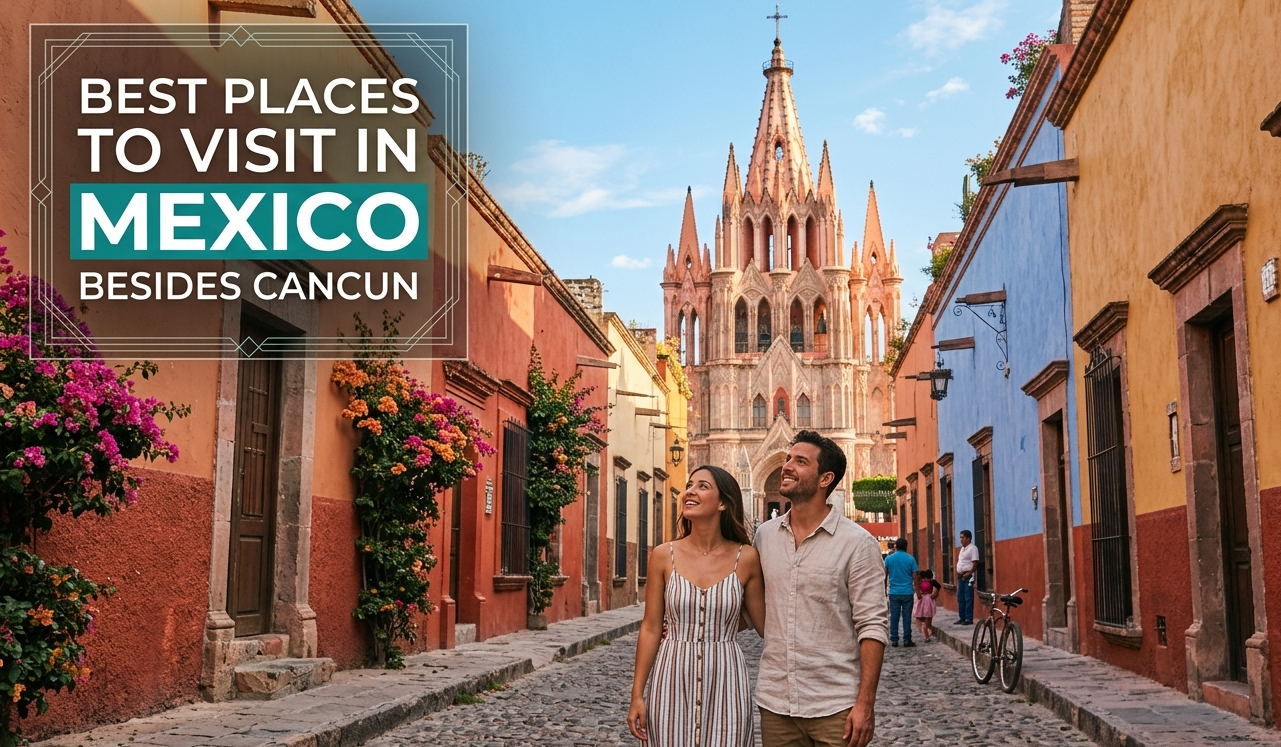
San Miguel de Allende is a picturesque colonial town located in the heart of Mexico, renowned for its artsy atmosphere and stunning historic architecture. Known for its vibrant colors, the town boasts an array of buildings that exhibit a rich blend of Baroque and Neoclassical styles, resulting in a unique visual identity. The iconic Parroquia de San Miguel Arcángel, with its pink spires, is a central highlight and a must-visit for tourists and artists alike.
The town’s artistic vibe is palpable, with numerous art galleries and studios peppering its quaint cobblestone streets. Local artists showcase their work, offering visitors an opportunity to purchase one-of-a-kind pieces that reflect the local culture and creative spirit. The Art Institute of San Miguel de Allende attracts many aspiring artists who come to hone their skills while soaking in inspiration from the town’s beauty.
San Miguel de Allende is also home to a thriving expatriate community, which adds to the cultural diversity of the town. This blend of locals and expats creates a welcoming and dynamic environment that fosters creativity and exchange of ideas. Throughout the year, the town celebrates various festivals that showcase its rich cultural heritage, including the vibrant Festival de la Luz y de la Vida, known for its colorful parades and lively music.
In addition to artistic endeavors, San Miguel is adorned with beautiful gardens and parks, offering tranquil spaces for relaxation and contemplation. The peaceful atmosphere, characterized by friendly locals and a slower pace of life, makes it a favorite destination for both artists and travelers seeking an escape from the hustle and bustle of more commercialized tourist locations like Cancun. San Miguel de Allende is indeed an artistic haven waiting to be explored.
Chiapas: Nature and Culture Combined
Chiapas, a vibrant state located in southern Mexico, presents an unmatched blend of nature and culture that attracts travelers seeking an alternative to destinations like Cancun. This region is renowned for its stunning landscapes, featuring abundant waterfalls, lush jungles, and rich indigenous heritage. Visitors to Chiapas are greeted with an array of natural wonders and cultural experiences that leave a lasting impression.
One of the most remarkable sites in Chiapas is the Sumidero Canyon, a breathtaking geographical formation characterized by its towering cliffs and impressive biodiversity. A boat tour through the canyon not only offers spectacular views but also provides opportunities to spot unique wildlife, including crocodiles and exotic birds, in their natural habitats. This experience exemplifies the outdoor adventures that Chiapas has to offer.
In addition to the canyon, the Agua Azul waterfalls are another marvel that draws numerous visitors. These cascading turquoise waters set amidst dense jungle make for a picturesque setting, perfect for swimming, picnicking, and photography. The vibrant ecosystem surrounding the falls also encourages visitors to appreciate the ecological significance of the area.
The ancient ruins of Palenque further enrich the cultural tapestry of Chiapas. This UNESCO World Heritage site showcases the remnants of a once-thriving Mayan civilization. The intricate architecture, including temples and inscriptions, provides insight into the region’s historical context and the advanced knowledge possessed by its ancient inhabitants. Trekking through the ruins offers a unique opportunity to connect with the past while enveloped in the jungle’s serenity.
Connecting with local cultures is vital to the Chiapas experience. The state is home to numerous indigenous communities where traditional customs and lifestyles thrive. Engaging with these communities allows travelers to gain deeper understanding and appreciation for their rich heritage. Thus, Chiapas stands out as a destination where nature and culture converge, inviting visitors to explore its beauty and complexity beyond the allure of Cancun.
Merida: The White City of Yucatan
Merida, the capital of the Yucatan state, is often celebrated as the “White City” due to its beautiful colonial architecture adorned with white limestone. This city seamlessly blends rich history with a contemporary cultural scene, making it a captivating destination for visitors looking to explore Mexico beyond the well-trodden paths of Cancun. Merida’s colonial ambiance can be experienced in its historic center, where well-preserved buildings from the Spanish colonial era stand beside vibrant plazas.
One of the most vibrant aspects of Merida is its local markets, particularly the Lucas de Gálvez market. Here, travelers can immerse themselves in the local culture, sampling traditional Yucatecan dishes and engaging with friendly vendors. The market is an excellent spot for visitors to purchase fresh produce, traditional handicrafts, and unique souvenirs. The tapestry of colors and aromas in these local markets greatly reflects the dynamic spirit that Merida embodies.
Just outside the urban area, visitors can find cenotes—natural sinkholes filled with crystal clear water that are perfect for swimming or relaxing. These cenotes are not just beautiful natural attractions, but they also connect visitors to the rich Maya civilization that once thrived in the region. Additionally, the proximity of ancient Mayan ruins such as Uxmal and Dzibilchaltún provides an enriching glimpse into the region’s storied past.
Furthermore, Merida is known for its lively cultural events, including traditional dances, music festivals, and artisanal markets that showcase local talent. The city’s unique gastronomy, featuring dishes like cochinita pibil and ceviche, enriches the culinary landscape and allows visitors to savor the flavors of Yucatan. This alluring blend of history, culture, and gastronomy positions Merida as a key destination in Mexico for those seeking an authentic and immersive experience.
Conclusion: Embrace the Diversity of Mexico
In light of the myriad travel destinations available across Mexico, it is clear that the country offers an impressive tapestry of experiences that extend far beyond the well-trodden paths of Cancun. Each region showcases its unique blend of cultural, historical, and natural attractions, inviting travelers to engage with the rich heritage that defines Mexico.
From the vibrant art and culture of Oaxaca to the serene beaches of Tulum, the options are diverse and plentiful. Visitors can explore ancient Mayan ruins, indulge in authentic culinary delights, and discover the enchanting landscapes that range from deserts to lush jungles. Cities like Puebla and San Miguel de Allende provide a glimpse into colonial history, while outdoor enthusiasts may revel in opportunities for hiking, snorkeling, and wildlife observation.
Moreover, embracing alternative travel destinations within Mexico allows for a deeper connection to the local communities and a greater appreciation of regional traditions. Each place tells its own story, weaving together the everyday lives of its inhabitants with the larger narrative of Mexican culture. As you contemplate your next vacation, consider venturing into the heart of Mexico’s diverse offerings, where unforgettable adventures await.
With so much to discover, it’s evident that while Cancun is a fantastic destination, it is merely a starting point for exploring the richness of what Mexico has to offer. Dive into the enchanting landscapes, vibrant traditions, and warm hospitality of the different regions, and you will gain a fuller understanding of this beautiful country. Let the allure of Mexico’s diversity inspire your next trip; the experience is bound to be both enriching and memorable.