
Understanding Extreme Conditions
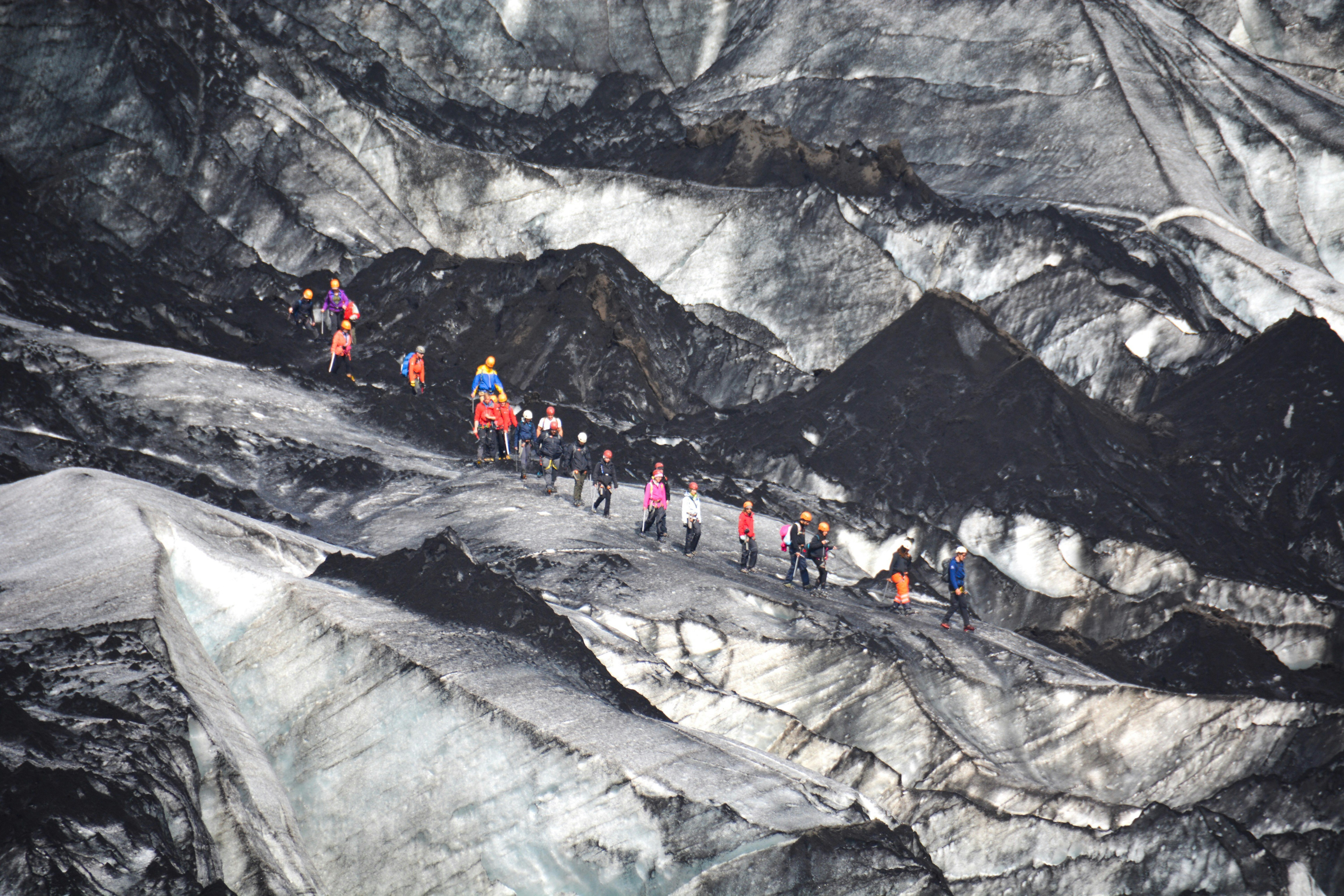
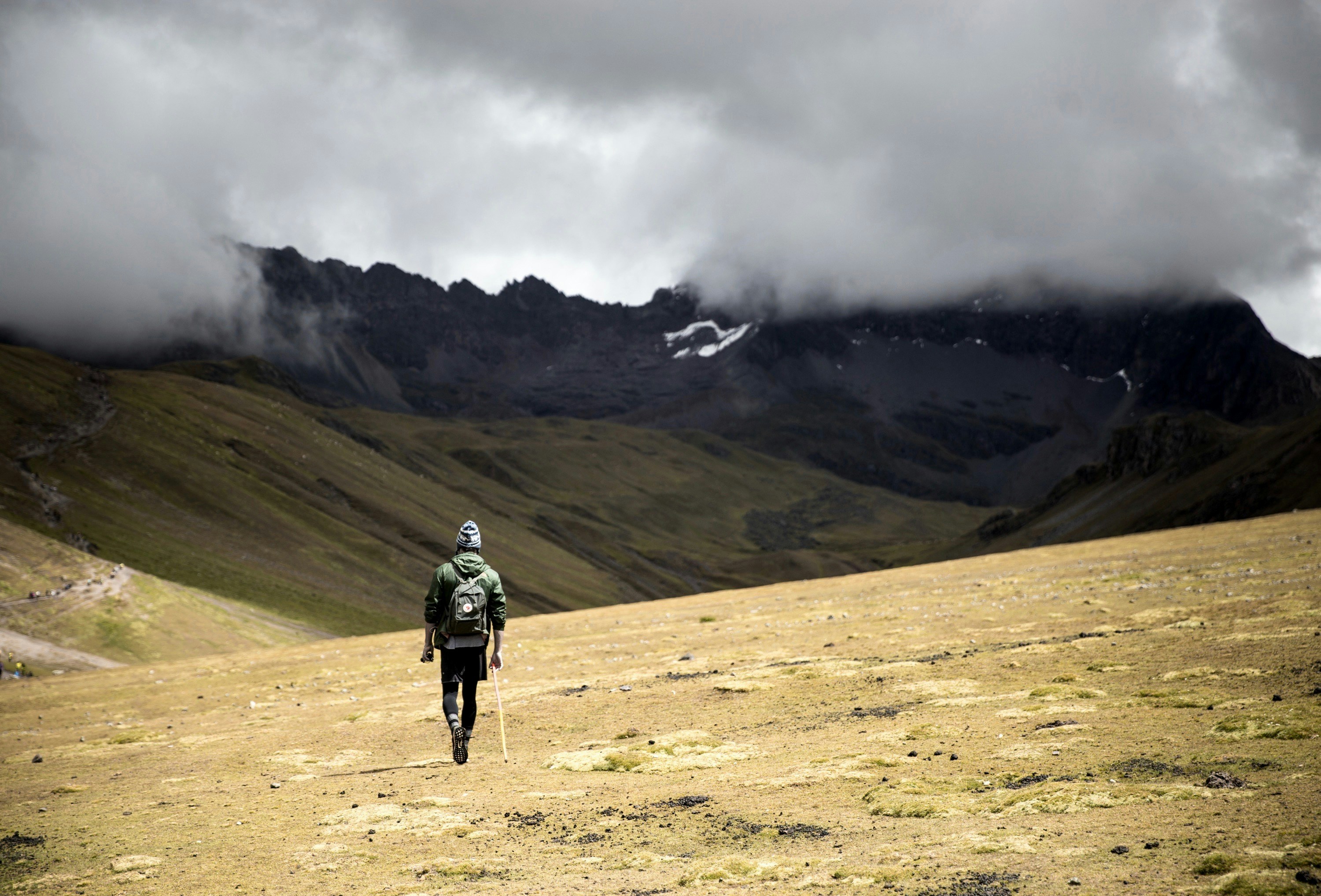
Adventure travel often takes enthusiasts to some of the most breathtaking yet challenging environments on the planet. These extreme conditions can be grouped into several categories, each presenting unique challenges that adventurers must prepare for. High altitude is one such condition, which can lead to altitude sickness, reduced oxygen levels, and increased physical strain. As one ascends to elevations above 8,000 feet, the risk of these effects intensifies, necessitating proper acclimatization strategies and gear choices to support respiratory function.
Intense cold is another essential factor to consider in extreme conditions. Exposure to temperatures below freezing can increase the likelihood of hypothermia and frostbite, which can be life-threatening if not properly managed. Insulating layers, waterproof outer shells, and climate-specific gear like down jackets or thermal gloves become essential for safeguarding against these dangers. Not only do these items provide warmth, but they also ensure mobility and comfort during activities.
Severe storms, including heavy rain, snow, or high winds, can significantly impact adventure travel experiences. These weather phenomena can lead to hazardous conditions such as flooding, falling rocks, or sudden temperature drops. To cope with these environments, travelers need to equip themselves with waterproof, breathable fabrics, durable footwear, and reliable access to shelter. Understanding the potential for storms and being equipped to handle their fallout can make a considerable difference in maintaining safety and enjoyment on the journey.
Finally, rugged terrains are common in extreme travel. Whether treks through mountainous regions or navigating rocky landscapes, the risk of injury and equipment failure increases. Selecting specialized gear designed for such conditions can enhance performance and minimize risks. This preparation not only prioritizes personal safety but enhances the overall experience by enabling travelers to fully engage with and explore the natural beauty surrounding them.
Selecting the Right Gear
When preparing for adventure travel in extreme conditions, the selection of appropriate gear is paramount. The challenges posed by varying climates, rugged terrain, and unpredictable weather necessitate careful consideration of several critical factors. One of the foremost considerations is the durability of materials. Gear designed for extreme conditions should utilize high-quality, resilient fabrics that are resistant to abrasions and punctures. For instance, ripstop nylon or polyester is commonly used in jackets and tents because of its strength and lightweight properties.
Another essential factor is the weight-to-warmth ratio of your gear. In extreme conditions, carrying lightweight equipment without compromising insulation is crucial. This principle directly influences your overall travel experience, improving mobility while ensuring adequate protection against the elements. Advanced insulation materials such as down or synthetic alternatives offer impressive warmth without adding significant weight, making them ideal for jackets and sleeping bags.
Water resistance is imperative when selecting gear for adventure travel. Waterproof and breathable fabrics like Gore-Tex or eVent are optimal for jackets, as they keep moisture out while allowing sweat to escape, thus maintaining comfort. Additionally, items such as tents must be designed with waterproof characteristics to ensure protection from rain and snow, which are common in extreme environments.
Furthermore, the multi-functionality of travel gear enhances its usability. Gear that serves multiple purposes, such as convertible jackets that can transform from insulated to lightweight options, or tents that can be adapted for various weather scenarios, significantly increases the practicality of your equipment. When selecting gear, prioritize items that offer versatility without sacrificing performance, ensuring a well-rounded approach to adventure travel in extreme conditions.
Layering Strategies for Extreme Weather
When engaging in adventure travel under extreme weather conditions, the right layering techniques play a critical role in ensuring comfort and safety. Effective layering comprises a base layer, an insulation layer, and an outer shell, each serving a distinct purpose in maintaining body warmth and regulating temperature.
The base layer is crucial for moisture management. Select materials that wick sweat away from the body, such as merino wool or synthetic fabrics. These materials help to keep the skin dry, which is essential in preventing chills in cold conditions. Fit is also important; a snug fit ensures effective moisture transport without excessive bulk. Avoid cotton as it retains moisture and can lead to rapid heat loss, especially when temperatures drop.
The insulation layer serves to trap warm air close to the body while remaining breathable. Fleece and down are popular options, but the choice depends on the level of insulation required and the prevailing conditions. Down insulation is lightweight and compressible, making it an excellent choice for colder climates, while fleece offers versatility in a range of conditions and is quick-drying. It is critical to allow some airflow with insulation layers to prevent overheating during activities.
Finally, the outer shell protects against wind, rain, and snow. It should be waterproof and breathable to allow moisture generated from perspiration to escape. Look for materials like Gore-Tex or similar fabrics that provide both protection and breathability. A well-constructed outer shell will also feature adjustable cuffs, hems, and hoods to enhance fit and functionality, thus ensuring that the adventure travel gear performs optimally under extreme conditions.
Navigational Tools for Harsh Environments
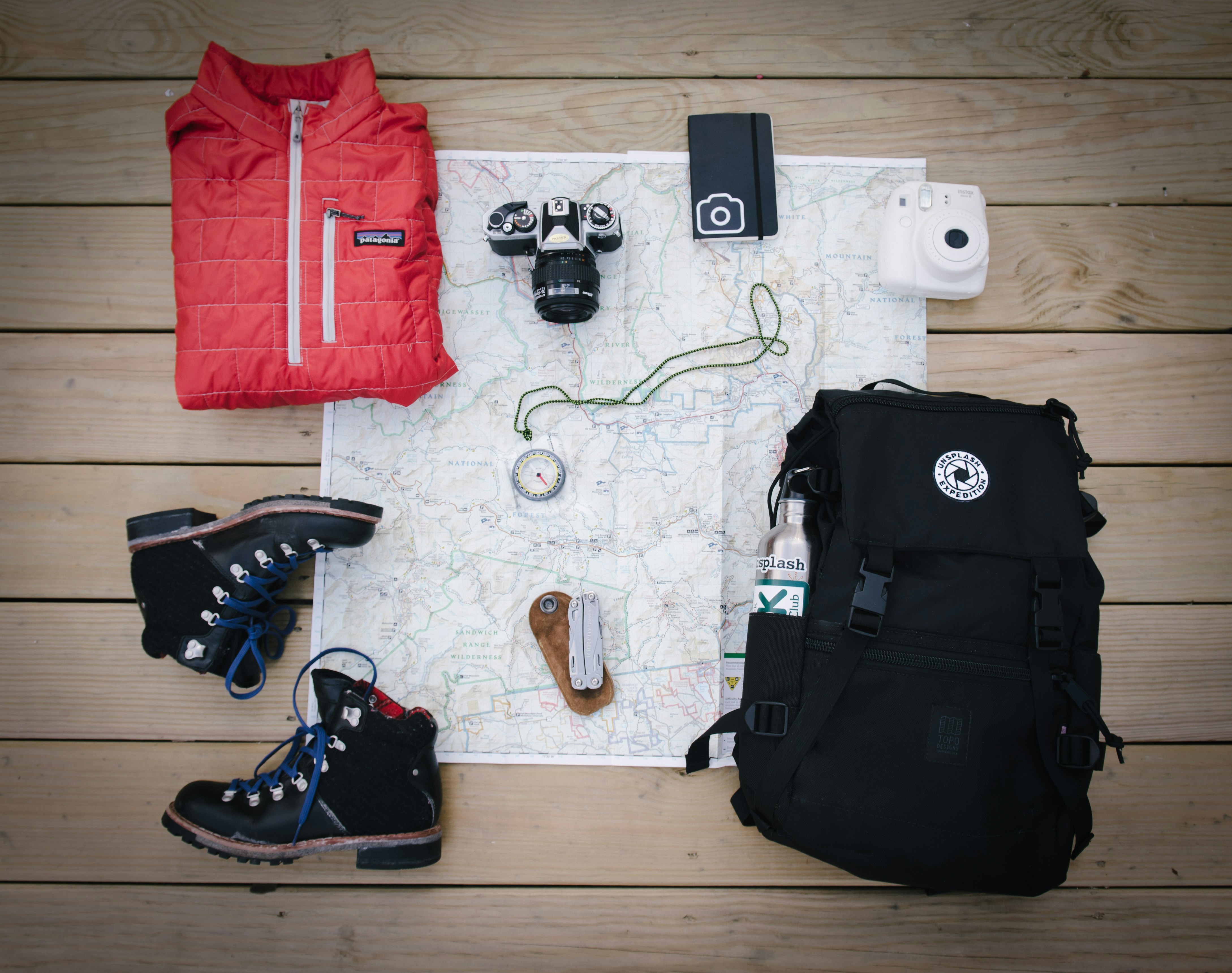
When trekking through extreme conditions, the importance of reliable navigational equipment cannot be overstated. Navigational tools such as compasses, GPS devices, and detailed maps serve as the foundation for effective wayfinding, particularly in harsh environments where visibility and conditions can change rapidly. A reliable compass is essential, even in an era dominated by digital technology. It allows outdoor adventurers to orient themselves with respect to magnetic north, which remains constant, regardless of fluctuations in weather or potential failures of electronic devices. To enhance navigation accuracy, it’s advisable to choose a compass that includes features such as declination adjustments and a sighting mirror.
While traditional navigation methods like compasses are effective, GPS devices are often preferred in modern adventure travel, providing rapid access to coordinates and geographical information. However, in extreme conditions such as heavy rain, cold temperatures, or high altitudes, the performance of GPS devices can be compromised. Thus, selecting a GPS unit with durable construction, waterproofing, and extended battery life is essential. Many specialized models even include additional features like altimeters and barometers, providing more comprehensive information for navigation.
Moreover, adventurers must consider alternative power sources for their navigational tools. Traditional batteries may not adequately support devices during prolonged excursions in extreme environments. Solar chargers or portable power banks can extend the usability of navigation devices significantly, ensuring that adventurers are never left stranded without guidance. Additionally, carrying physical maps as a backup is prudent. They can offer an alternative reference point, guiding individuals as they navigate through harsh terrains where electronic devices might fail.
Safety and Emergency Gear
When embarking on an adventure travel expedition, ensuring personal safety and preparedness for emergencies should be of paramount importance. Travelers venturing into extreme conditions need to equip themselves with a comprehensive safety gear kit. One of the most critical items to include in this kit is a first-aid kit. This kit should be well-stocked with essential medical supplies such as bandages, antiseptic wipes, pain relief medication, and any prescribed medications pertinent to individual health needs. Familiarity with basic first-aid practices is crucial, as this knowledge can dramatically mitigate the impacts of unexpected injuries.
Additionally, having an emergency beacon or satellite communicator is vital for navigating remote areas where cellular coverage may be unavailable. These devices allow travelers to send distress signals or communicate with rescue services in emergencies, thereby significantly increasing the chances of prompt assistance. It is essential for adventure travelers to familiarize themselves with the operation of these devices and keep them easily accessible throughout their journey.
Another aspect of safety gear includes repair tools, which are essential for fixing gear that may fail during critical moments. Common items might include multi-tools, duct tape, and spare parts for equipment. Repairing damaged gear in the field can prevent further complications and enhance the overall safety of the trip.
Knowledge of local emergency protocols cannot be overstated. Before setting off, travelers should research the area they intend to explore, understand the local emergency services, and identify contact numbers that would be necessary in case of an emergency. Preparedness, along with the right gear, can make a significant difference in handling unexpected situations effectively.
Hydration and Nutrition in Extreme Conditions
In extreme adventure travel, maintaining proper hydration and nutrition is paramount for optimal performance and safety. The harsh environments faced during these expeditions can quickly deplete energy reserves and lead to dehydration, making suitable hydration systems and food options critical components of any gear selection.
Hydration systems, such as hydration packs and portable water filters, prove essential in managing fluid intake efficiently. These systems allow adventurers to carry enough water without adding excessive weight. In extreme conditions, it is also vital to consider water purification methods, as access to clean water sources can be limited. Utilizing portable pumps or UV light purifiers can help ensure that the water consumed is safe, reducing the risk of illness during demanding activities.
When it comes to nutrition, the choice of food can significantly impact an adventurer’s energy levels and stamina. Lightweight, high-calorie options such as energy bars, dehydrated meals, and trail mix are ideal for extreme environments. These products not only provide the necessary calories for sustained energy but are also designed for easy preparation and consumption, even in challenging circumstances. It is essential to pack foods rich in carbohydrates, proteins, and healthy fats to support physical endurance and recovery.
Additionally, the frequency of meals should be adapted to the demands of the journey. Smaller, more frequent meals can help maintain energy levels, whereas larger meals might be more suitable during breaks. Overall, focusing on the right hydration systems and food options can make a significant difference in an adventurer’s performance, ensuring that hydration and nutrition needs are effectively met even in the most extreme conditions.
Testing Your Gear Before You Go
When planning an adventure in extreme conditions, the importance of thoroughly testing your gear cannot be overstated. Proper preparation requires evaluating every piece of equipment to ensure reliability and performance in challenging environments. Simulating conditions at home is a practical approach to assess how your gear will perform under pressure. For instance, one can create controlled environments that mimic the extremes of cold or moisture, allowing for a comprehensive evaluation.
Begin by assessing outdoor apparel, including jackets, pants, and base layers. Wear your clothing during high-intensity workouts or prolonged use around the house to verify breathability and insulation levels. Pay careful attention to how your body responds – if you feel too hot or cold, adjustments may be necessary. Ensuring that gear fits properly and allows for full range of motion is critical, as discomfort can lead to distractions during the actual adventure.
Next, test your footwear on varied terrains. Walking, hiking, or running in your boots can reveal potential weaknesses in support or grip. Look out for any signs of rubbing or discomfort, which can lead to blisters on longer excursions. If it becomes evident that adjustments are needed, consider adding insoles or even swapping out the footwear entirely.
Lastly, don’t overlook the functionality of technical gear such as climbing equipment, tents, and cooking tools. This often includes repeated practice assembling and disassembling your tent or using your cooking apparatus over an open flame. Observing how gear operates in a simulated context can uncover usability issues before they emerge in the field.
By testing your equipment extensively, you can determine what adjustments may be necessary and be more confident that your gear will perform flawlessly when faced with real extreme conditions.
Packing Techniques for Adventure Travel
Packing efficiently for adventure travel requires careful consideration of not only the gear itself but also how it is organized within your luggage. To optimize space, start by selecting the right type of bags; a mix of soft-sided and hard-shell cases can provide flexibility and protection for your equipment. Compression sacks are invaluable for reducing the volume of sleeping bags and clothing, allowing for more efficient use of space.
When organizing your gear, categorize items based on their function. Keep essentials such as first-aid kits, maps, and critical tools easily accessible, ideally stored in outer pockets or at the top of your pack. This ensures that you can quickly reach them should the need arise. Additionally, consider using mesh bags or packing cubes to separate different categories of gear; this can significantly enhance your ability to locate items quickly, especially during multi-day excursions.
Prioritizing equipment based on the type of adventure and its duration is equally crucial. For instance, if your journey includes both hiking and climbing, ensure that you pack multifunctional gear, such as a sturdy, lightweight jacket that can endure wind and rain yet is compact enough for hiking. A well-thought-out packing list tailored to the expected conditions can assist in streamlining what you bring. Always consider climate and terrain when making decisions; colder environments may require heavier clothing layers while warmer climates will necessitate lighter gear.
Ultimately, the key to effective packing is to strike a balance between being prepared and keeping your load manageable. By following these strategies, travelers can ensure their gear is organized, efficiently packed, and ready for the rigors of adventure travel under extreme conditions.
Best Practices for Maintenance and Repairs
Ensuring the longevity and reliability of adventure travel gear under extreme conditions is crucial for both safety and enjoyment. Regular maintenance practices not only help in prolonging the lifespan of your equipment but also enhance its performance during critical moments. One of the primary steps in this process is conducting routine checks to identify any signs of wear and tear. Regular inspections should include checking zippers, seams, and buckles, as these components often experience the most stress. Look for frayed fabric or loose stitching and address these issues promptly to prevent further damage.
Cleaning is another vital aspect of maintaining adventure gear. Dirt and moisture can lead to deterioration over time. After each use, particularly in severe conditions such as rain or mud, it is advisable to clean your gear according to the manufacturer’s instructions. For instance, many outdoor clothing and gear made from technical fabrics require special care to preserve their waterproof properties. Use a gentle detergent and avoid fabric softeners, as these can impede the gear’s breathability and waterproofing capabilities.
Quick repair techniques can prove invaluable when you find yourself away from home and facing sudden gear malfunctions. Knowing how to perform basic repairs on the go can significantly enhance your adventure experience. Packing a repair kit containing essential tools and materials, such as duct tape, sewing kits, and patch kits, is recommended. Duct tape, for example, can temporarily fix a variety of issues, including torn fabric and broken buckles. Learning simple repair techniques, such as sewing a patch or using adhesive fabric, will ensure that you can effectively deal with minor issues before they escalate into significant problems.
In conclusion, adopting best practices for maintenance and repairs of adventure travel gear is essential for optimal performance in extreme conditions. By committing to regular inspections, thorough cleaning, and being prepared with repair techniques, outdoor enthusiasts can ensure that their gear remains reliable and functional throughout their adventures.