

Introduction to International Travel Insurance
International travel insurance serves as a safeguard for travelers embarking on journeys abroad. It provides financial protection against an array of unforeseen circumstances that may arise during a trip. Given the unpredictable nature of travel, obtaining a robust insurance plan is essential for anyone venturing into foreign territories.
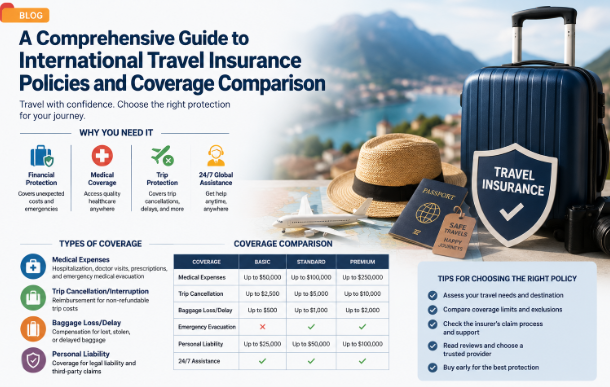
This type of insurance primarily covers a variety of risks associated with international travel. Key elements of coverage include trip cancellations, which can occur due to personal emergencies, natural disasters, or sudden changes in travel advisories. Medical emergencies are another significant focus, as travelers can face unforeseen health issues or accidents while away from home. Having travel insurance ensures that medical expenses are covered, minimizing financial burdens during critical moments.
Additionally, international travel insurance often includes provisions for lost or delayed baggage, which can disrupt travel plans and cause emotional distress. This feature helps in accommodating necessary expenses for travelers waiting for their belongings or compensates for lost items altogether. Furthermore, some policies may also offer coverage for trip interruptions, personal liability, and emergency evacuations, adding layers of security and peace of mind.
Travelers must evaluate their individual needs when selecting a policy, considering factors such as destination risks, duration of travel, and personal health conditions. Selecting the right international travel insurance can enhance not just the safety but also the overall enjoyment of the trip. Ultimately, it provides travelers with the confidence to explore new destinations, knowing that they have support in case of emergencies or unexpected incidents.
Types of Travel Insurance Policies
Travel insurance is an essential safeguard for globetrotters, offering a range of policies to suit various travel needs. Understanding the different types of travel insurance policies can significantly affect a traveler’s experience and financial security while abroad.
One of the most common options is the single trip travel insurance, ideal for individuals planning a specific journey. This coverage typically begins on the day of departure and extends until the trip is complete. Its primary advantages include tailored coverage for the duration of the trip at a potentially lower cost. However, for frequent travelers, purchasing single-trip policies can become costly over multiple trips.
In contrast, multi-trip (annual) coverage provides a great solution for travelers who embark on multiple trips throughout the year. This policy covers all trips taken within a 12-month period, offering broader protection and convenience. With this policy, travelers can secure extensive benefits over numerous travels without needing to purchase separate insurance for every journey. The downside can be the initial cost, which may exceed that of single-trip policies, especially if the individual travels infrequently.
Lastly, group travel insurance policies are designed for families, friends, or organizations traveling together. This type provides a collective insurance plan that covers all members within the group. Group policies often come at a discounted rate, making it a cost-effective choice. However, finding a group plan that accommodates all members’ individual needs can be complex.
In selecting the right type of travel insurance, travelers should consider their travel patterns, frequency, and specific requirements to ensure that they opt for the policy that best meets their needs while providing the necessary peace of mind.
Key Coverage Areas in Travel Insurance
Travel insurance is a vital aspect of planning any international trip as it provides protection against unforeseen events. Understanding the key coverage areas in travel insurance can help travelers select a policy that best suits their needs. One of the primary areas of coverage is medical expenses. This coverage is crucial, particularly when traveling abroad where healthcare costs can be significantly higher than in the traveler’s home country. For instance, if a tourist sustains an injury while hiking, travel insurance could cover hospitalization and medical treatments ensuring they are not left with hefty bills.
Another important area is trip cancellation. Canceling a trip can be costly, and policies typically cover non-refundable expenses such as flight tickets and hotel reservations. For example, if an unexpected medical emergency occurs prior to departure, trip cancellation coverage provides financial support, alleviating the stress of losing significant investment in travel arrangements.
Trip interruption is similar but applies during a journey. This coverage compensates travelers if they must cut their trip short due to emergencies, like a family crisis. It reimburses unused travel expenses and additional costs incurred by returning home early. Next is baggage loss; travelers frequently face the dilemma of lost or delayed luggage. Coverage in this area can help to replace essential items quickly, ensuring minimal disruption to their travels.
Lastly, personal liability coverage is essential, particularly for travelers engaging in high-risk activities. This type of coverage protects against legal liabilities should the traveler inadvertently cause damage or injury to others. Thus, understanding these key areas—medical coverage, trip cancellation, trip interruption, baggage loss, and personal liability—can provide peace of mind and safeguard against financial losses during international travel.
Factors to Consider When Choosing Travel Insurance
When selecting an appropriate travel insurance policy, several critical factors should be evaluated to ensure comprehensive coverage tailored to one’s particular situation. Firstly, the destination plays a pivotal role; different countries possess varying health care systems and potential risks. For instance, countries with advanced healthcare facilities may not necessitate the same extensive coverage as regions where access to quality medical assistance is limited. Therefore, understanding the healthcare landscape of your travel destination is essential.
Secondly, the duration of your travel is a significant consideration. Short trips may require basic coverage, but for extended stays, more comprehensive protection may be necessary due to heightened exposure to potential risks. Additionally, travelers should assess the activities they plan to engage in during their travels. Those undertaking adventure sports or high-risk activities, such as scuba diving or skiing, should seek a policy that explicitly covers these activities. Lack of adequate insurance for such endeavors can lead to substantial out-of-pocket expenses in the event of an accident.
Another critical aspect is the age of the traveler, as older individuals may require additional coverage. Many insurance providers impose age limits or offer certain exclusions for older travelers, thus making age a factor in policy selection. Furthermore, pre-existing medical conditions must be disclosed when obtaining insurance, as these conditions could affect the terms of coverage. Some policies provide coverage for pre-existing conditions, but others do not, which can significantly influence the overall protection available.
In conclusion, careful consideration of these factors will ensure that travelers select an insurance policy that not only meets their needs but also protects them effectively during their international trips.
Comparing Travel Insurance Providers
When it comes to selecting a travel insurance provider, it is essential to conduct a thorough comparison of different options available in the market. The selection process can be facilitated by focusing on key metrics that directly impact coverage and suitability for an individual’s travel plans.
Firstly, coverage limits are a crucial element to examine. These limits define the maximum amount an insurer will pay for claims arising from events such as medical emergencies, trip cancellations, or lost belongings. Travelers should ensure that the coverage limits align with their expected travel risks, as inadequate limits may result in significant out-of-pocket expenses during emergencies.
Secondly, evaluating premiums is vital. The premium is the cost of purchasing the travel insurance policy and can vary significantly between providers and plans. While it might be tempting to opt for the cheapest option, it is imperative to consider the range of coverage provided. A lower premium may correspond with lesser coverage, potentially rendering a policy inadequate when needed.
Customer service ratings also play an essential role in comparing travel insurance providers. Researching reviews and testimonials can offer insight into the provider’s reliability and responsiveness. A provider known for exceptional customer service can significantly enhance the overall experience, especially during stressful situations such as emergencies abroad.
Lastly, the claims process is a critical factor that can influence a traveler’s choice. A streamlined, user-friendly claims process is indicative of a reputable provider. Travelers should look for details regarding how claims are submitted, the timeframe for processing claims, and what documentation may be required. Understanding the claims process beforehand can save time and reduce frustration during an already challenging situation.
In conclusion, effectively comparing travel insurance providers involves analyzing coverage limits, premiums, customer service quality, and claims processes. By evaluating these key metrics, travelers can choose a provider that meets their specific needs, ultimately ensuring a safer travel experience.
Common Exclusions in Travel Insurance Policies
When considering travel insurance, it is imperative to understand the common exclusions that may jeopardize a traveler’s coverage. Insurance policies typically contain specific stipulations outlining circumstances under which claims may be denied. Familiarity with these exclusions helps in making informed decisions when purchasing travel insurance.
One predominant exclusion relates to pre-existing medical conditions. Most travel insurance policies do not provide coverage for illnesses or injuries that exist before the policy purchase date. Travelers with known medical issues should seek policies that offer specific coverage or consider purchasing additional insurance options that cater to their needs.
Another common exclusion pertains to high-risk activities. Travelers engaging in adventurous pursuits, such as skydiving, scuba diving, or extreme sports, often find that standard policies do not cover injuries sustained during such activities. It is advisable to check the policy details for extra coverage options if one plans to partake in these types of activities.
Additionally, many policies exclude coverage for events related to travel warnings or government advisories. If a destination is marked as high-risk due to natural disasters, political unrest, or health epidemics, any claims arising from travel to that location may not be covered. Thus, monitoring travel advisories and understanding how they affect insurance coverage is essential.
Finally, losses attributable to negligence or recklessness may also lead to claim denials. For instance, lost luggage or personal belongings due to leaving them unattended may not be reclaimable. Travelers should take precautions and adhere to safety measures to mitigate such risks.
Understanding Policy Terms
When considering international travel insurance policies, it is imperative to delve into the fine print, as policy terms often contain critical information that can directly impact coverage. Each insurer, while offering travel insurance, employs specific language and jargon that may not be immediately clear to the average traveler. Misunderstanding these terms can lead to unwanted surprises during your travels, particularly when claims need to be made.
One of the key areas to focus on is the definition of terms such as “pre-existing conditions,” “trip interruption,” and “emergency medical coverage.” These phrases can often have different interpretations between insurers. For instance, a pre-existing condition may or may not be covered, depending on your specific policy. It’s essential to ascertain whether your condition is classified as pre-existing and how that affects your coverage. Additionally, terms like “trip interruption” can vary in meaning—some policies may include coverage for cancellations due to unforeseen events, while others may not.
Moreover, pay close attention to exclusions and limitations outlined in the policy. Insurers often provide a comprehensive list of scenarios that are not covered by the travel insurance policy. Common exclusions may include activities deemed high-risk, such as extreme sports or travel to regions with advisory warnings. Noting these exclusions allows travelers to make informed decisions regarding additional coverage options or risk management.
Finally, when reviewing the terms, always check the claim filing process and deadlines. Understanding the procedural aspects and the documentation required can streamline the process during an emergency. Each insurer may have differing requirements for how to claim, which may affect the timely reimbursements you receive. By carefully assessing these elements, travelers can better prepare for their journeys and ensure they select a travel insurance policy that truly meets their needs.
Tips for Filing a Travel Insurance Claim
Filing a travel insurance claim can often be a daunting process, especially during stressful times following an incident. To facilitate a smoother claims experience, adhering to specific best practices is essential. First and foremost, it is vital to meticulously document all relevant information pertaining to the incident that led to the claim. This includes collecting receipts, photographs, police reports, and any other evidence that supports your claim.
Timeliness is another critical factor when it comes to filing claims. Most travel insurance policies stipulate a specific timeframe within which claims must be submitted. Typically, this period can range anywhere from a few days to several months after the incident. It is prudent to check the details of your policy to ensure compliance with these timelines, as delays can jeopardize your claim approval.
When preparing to file your claim, ensure that you understand the specific requirements of your insurance provider. Each company will have different forms and documentation requirements, so gathering all necessary materials ahead of time can expedite the process. Some providers offer online platforms that can simplify claim submissions, making it easier to attach documents and follow up on the claim’s progress.
Effective communication with your insurance provider is paramount during the claims process. Prepare yourself to clearly articulate the situation and the reasons for your claim. Keeping records of all correspondence, including names of representatives and dates, can be helpful if disputes arise later. If you encounter any challenges or delays, do not hesitate to follow up with your provider to seek clarity and updates on your claim status.
By carefully documenting incidents, adhering to timelines, and communicating effectively with your insurance provider, you can pave the way for a smoother travel insurance claims process.
Conclusion: Making Informed Decisions on Travel Insurance
When embarking on international travel, securing the right travel insurance policy is a crucial step that should not be overlooked. Throughout this comprehensive guide, we have explored various aspects of travel insurance, including the types of coverage available, the factors that affect policy selection, and comparisons of different insurance providers. Understanding these components is vital for travelers seeking to protect themselves against unforeseen events that may disrupt their journey.
Firstly, it is essential to recognize that each traveler’s needs are unique. Factors such as destination, duration of stay, and personal health conditions should influence the choice of insurance. Moreover, the type of activities planned during travel, whether they involve adventure sports or routine sightseeing, plays a significant role in determining the necessary level of coverage. By thoughtfully assessing these factors, travelers can better tailor their insurance policies to suit their specific requirements.
Additionally, comparing policies from various insurers can yield substantial benefits. Differences in premiums, coverage limits, and exclusions may significantly impact the level of protection offered. By taking the time to analyze these elements, one can make educated decisions that ensure adequate financial protection against risks such as trip cancellations, medical emergencies, and lost belongings.
In conclusion, making informed decisions about travel insurance requires diligent research and consideration of individual circumstances. By being proactive about selecting appropriate coverage, travelers can enjoy peace of mind knowing they are protected, allowing them to focus on creating lasting memories during their journey. Ultimately, the right travel insurance policy serves as a vital safety net, ensuring that unexpected situations do not overshadow the travel experience.