

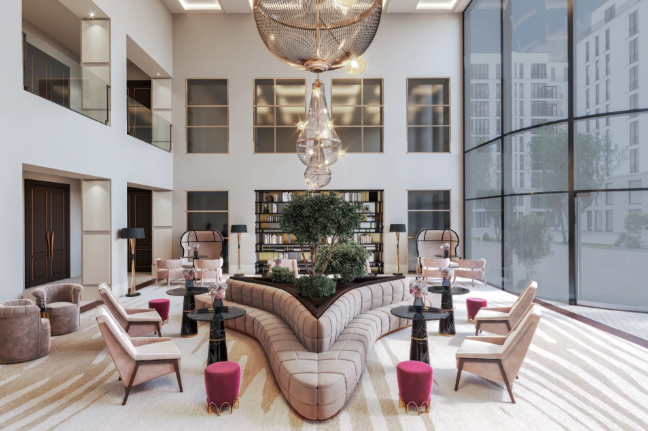
Introduction to Boutique Hotels
Boutique hotels have carved a unique niche in the modern travel industry, distinguished by their distinctive characteristics and intimate atmospheres. Unlike traditional hotels, which often emphasize uniformity and large scale, boutique hotels offer guests a personalized experience, catering to a variety of tastes and preferences. Generally, these establishments feature fewer rooms, allowing them to focus on the details that matter most to their clientele, such as bespoke service, individual style, and exceptional design.
The roots of boutique hotels can be traced back to the 1980s, when entrepreneurs in cities like San Francisco and London began transforming smaller properties into unique accommodations that reflected local culture and artistry. This innovative approach to hospitality paved the way for a new model that strayed from the conventional chains dominating the hotel landscape. As travelers began to seek more than just a place to stay, the boutique hotel concept gained traction, leading to an explosion of such properties across urban centers and vacation destinations.
In recent years, the prevalence of boutique hotels has significantly increased, driven by a growing consumer desire for unique travel experiences. Today’s travelers often prioritize authenticity and local flavor, prompting boutique hotels to emphasize their unique offerings, from curated art collections to locally sourced cuisine. Additionally, with the rise of online travel platforms and social media, boutique hotels have harnessed the power of digital marketing to reach niche markets, effectively capitalizing on trends and building a robust brand identity. As a result, they are now regarded as a preferred alternative for discerning travelers seeking greater intimacy and personal touch in their accommodations.
Personalization and Unique Experiences
In the competitive landscape of the travel industry, boutique hotels are emerging as leading providers of personalized service and unique experiences. Unlike large hotel chains, which often follow a standardized template, boutique hotels pride themselves on creating memorable and tailored experiences that cater to the individual preferences of their guests. This trend toward personalization is not merely a response to consumer demand; it is a core tenet of the boutique hospitality model.
Guests expect more than just a place to stay; they seek a holistic experience that resonates with their personal tastes and aspirations. Boutique hotels achieve this through various means, including bespoke amenities, curated local experiences, and tailored services. For example, some establishments offer personalized welcome gifts or customized itineraries that highlight the unique cultural offerings of the surrounding area. This level of attention to detail enhances the guest experience, making their stay not just enjoyable but also memorable.
Technology plays a pivotal role in enhancing personalization in boutique hotels. The integration of advanced guest management systems and data analytics allows hotel staff to gather insights into guest preferences and behaviors. This information can be harnessed to create tailored experiences, such as recommending activities or dining options based on past visits or expressed interests. Furthermore, innovative apps enable guests to customize their stay by selecting specific room features, adjusting room settings, or even communicating special requests ahead of arrival.
As the concept of personalized service continues to evolve, boutique hotels that leverage technology while maintaining a human touch will likely distinguish themselves in a crowded market. By focusing on creating individualized experiences, boutique hotels not only enhance guest satisfaction but also foster loyalty, ensuring that visitors return not just for comfort, but for the unique charm and personalized care that these establishments provide.
Sustainability and Eco-Friendliness
In the contemporary travel landscape, sustainability and eco-friendliness have emerged as pivotal considerations for travelers, particularly within the boutique hotel sector. As awareness of environmental issues continues to rise, many boutique hotels are responding by implementing a variety of green practices designed to minimize their ecological footprint. These initiatives not only help protect the environment but also cater to the preferences of eco-conscious guests who prioritize sustainable choices in their travel accommodations.
To begin with, many boutique hotels are integrating green technology into their operations. This can include the use of solar panels, energy-efficient lighting, and smart heating systems to reduce energy consumption. Additionally, some establishments are exploring innovative techniques such as rainwater harvesting and greywater recycling to ensure efficient water use. These advancements not only contribute positively to sustainability efforts but can also lead to cost savings over time.
Sustainable sourcing of materials is another critical aspect of eco-friendly boutique hotels. From the furnishings in guest rooms to locally sourced food in their restaurants, many hotels are committed to using materials that are ethically produced and sourced. This not only supports local economies but also reduces the carbon footprint associated with transporting goods from distant locations. Furthermore, by offering organic and locally sourced cuisine, hotels contribute to the health of both their guests and the environment, promoting biodiversity and supporting sustainable agriculture practices.
Finally, environmental initiatives often extend beyond the hotel’s walls. Many boutique hotels are actively engaging with their local communities to promote conservation efforts, participate in clean-up drives, and support wildlife rehabilitation programs. By fostering these connections and encouraging their guests to partake in local sustainability efforts, boutique hotels create a holistic travel experience that resonates with the values of conscious travelers.
Local Culture and Design Influences
Boutique hotels increasingly prioritize local culture in their design and guest experiences, recognizing that authenticity is a key factor in attracting discerning travelers. By incorporating elements of the surrounding environment into their architecture and interior design, these hotels create a distinctive identity that resonates with guests. Local artisans often play a significant role in this process, supplying handmade furniture, artwork, and decor that reflect the history and heritage of the area.
Incorporating region-specific decor serves not just an aesthetic purpose but also provides guests with a deeper understanding of the local culture. For instance, boutique hotels situated in coastal towns might feature nautical themes and local maritime art, while those in rural areas may showcase rustic designs and crafts that pay homage to indigenous traditions. This thoughtful approach to design helps forge a connection between the guests and the destination, making their stay more memorable.
Moreover, cultural programming is integral to the boutique hotel experience. Many establishments offer workshops, guided tours, and culinary experiences that immerse guests in the local environment. For instance, hotels may partner with local chefs to organize cooking classes that highlight regional cuisine, or collaborate with cultural organizations to provide guests with access to local events and festivals. By offering these unique experiences, boutique hotels not only enhance guest engagement but also contribute to the preservation and promotion of cultural heritage.
In conclusion, the integration of local culture and design influences in boutique hotels enriches the guest experience while fostering a sense of community. It is this thoughtful consideration of local traditions, artisanship, and experiences that sets boutique hotels apart in the modern travel industry, ensuring that each guest enjoys a stay that is both unique and culturally resonant.
Wellness and Health-Focused Amenities
In the modern travel industry, boutique hotels are increasingly incorporating wellness and health-focused amenities into their offerings, catering to a growing number of travelers who prioritize their physical and mental well-being. This shift reflects a broader trend in the hospitality sector, where guests are seeking experiences that go beyond mere accommodation and aim for holistic rejuvenation.
One of the most popular wellness features found in boutique hotels are yoga classes, which provide guests with an opportunity to practice mindful movement and relaxation techniques in tranquil settings. These classes are often tailored to all skill levels and can be conducted in various unique settings, whether on a sun-drenched rooftop or a serene garden backdrop. By integrating yoga into their programming, hotels enhance the guest experience, offering a unique way to connect with both the body and nature.
Wellness spas are another key component of health-focused amenities. These spas often offer a range of services, including massages, facials, and detox therapies, aiming to provide a comprehensive wellness experience. Many boutique hotels are adopting organic and locally sourced ingredients for their spa treatments, aligning their health offerings with sustainable practices and further enhancing their appeal to eco-conscious travelers.
Moreover, the food and beverage options in boutique hotels are evolving to reflect wellness principles. An increasing number of hotels are offering organic food selections that emphasize nutrition without compromising flavor. Many of these establishments are also introducing plant-based menus and fresh juice bars, allowing guests to indulge in healthful eating while enjoying their stay. Such innovative dining options not only promote overall wellness but also contribute to guests’ enjoyment and satisfaction.
Through the inclusion of wellness and health-focused amenities such as yoga classes, comprehensive spa services, and nutritious food offerings, boutique hotels are positioning themselves as sanctuaries for rejuvenation and self-care. This trend underscores the importance of health and well-being in the modern travel landscape, appealing to a clientele that places a high value on holistic experiences.
Technological Innovations in Guest Services
In the rapidly evolving landscape of the travel industry, technological innovations play a critical role in enhancing guest experiences at boutique hotels. Many establishments are increasingly adopting mobile check-in solutions, allowing guests to bypass the traditional front desk process. This convenience enables visitors to check in seamlessly from their smartphones, reducing waiting times and streamlining the overall arrival experience. As a result, guests feel welcomed immediately and can quickly access their accommodations.
Another notable advancement is the integration of smart room technology. Many boutique hotels are now outfitted with features that allow guests to control room temperature, lighting, and entertainment systems from their devices. This level of personalization not only caters to individual preferences but also creates a sense of comfort and familiarity for guests. Such smart technologies contribute to a more cohesive and enjoyable stay, enhancing the overall guest experience.
Moreover, the use of dedicated mobile applications has become increasingly prevalent within the boutique hotel sector. These apps typically offer personalized services such as room service ordering, local recommendations, and concierge assistance. By utilizing these tools, guests gain tailored insights into the hotel’s offerings and surrounding attractions, fostering a deeper connection with their accommodation. The ability to access these personalized services at their fingertips enables guests to feel more engaged and satisfied during their stay.
In conclusion, the incorporation of mobile check-in, smart room technology, and interactive apps demonstrates how boutique hotels leverage technological innovations to enhance the guest experience. By embracing these advances, hotels create more personalized interactions, promoting customer satisfaction and loyalty in an increasingly competitive market.
Social Media and the Design Aesthetic
In the contemporary travel industry, social media has had a profound impact on the design aesthetic of boutique hotels. Platforms like Instagram, Pinterest, and TikTok have empowered travelers and millennials to curate their experiences and share visually appealing moments with their friends and followers. The architecture and interior design of boutique hotels are increasingly being tailored to meet the demands of these digital-savvy consumers, who seek out distinctive and visually striking accommodations that can be easily captured and shared online.
One trend that has emerged is the emphasis on creating Instagram-friendly designs that feature vibrant colors, unique layouts, and eye-catching decor. Boutique hotels now often incorporate interactive elements, such as mural walls, artistic installations, and themed rooms, to encourage social media engagement and amplify shareable moments. By doing so, they not only enhance the guest experience but also leverage user-generated content, which can significantly increase their visibility and attract a younger demographic.
Moreover, the visual storytelling aspect of social media has led boutique hotels to adopt a more authentic and personalized approach to their design aesthetic. This can include locally inspired themes, unique furniture selections, and bespoke artwork that resonate with the identity of the surrounding community. As a result, guests can feel a deeper connection to the hotel and its location, making their stay more memorable and worth sharing.
Ultimately, the influence of social media on boutique hotel design is an integral component in today’s travel landscape. Establishing a strong visual presence not only appeals to potential guests but also reinforces a hotel’s brand identity in a highly competitive market.
The Shift Towards Hybrid Spaces
In recent years, the travel industry has witnessed a notable shift towards hybrid spaces within boutique hotels, reflecting the changing needs of modern travelers. This trend aligns with the growing demand for versatility and multifunctionality in hospitality, particularly as more individuals seek to balance work and leisure while away from home.
Boutique hotels are increasingly incorporating co-working areas that cater to business travelers who require spaces equipped with reliable Wi-Fi, comfortable seating, and amenities conducive to productivity. These designated workspaces often feature collaborative environments where guests can seamlessly transition from leisure activities to work-related tasks. The design and layout of these areas promote creativity and interaction, making them an ideal choice for remote workers and entrepreneurs.
Moreover, hybrid spaces are not limited to work environments alone; they encompass lifestyle areas that encourage socialization and relaxation. Rooftop lounges, garden bars, and multifunctional event spaces contribute to creating an atmosphere where guests can unwind after a busy day. This blend of work and leisure helps meet the demands of modern travelers, who often seek experiences that go beyond traditional notions of hospitality. By providing adaptable environments, boutique hotels are positioning themselves as desirable destinations for those looking to maximize their time away.
Furthermore, as the lines between professional and personal life continue to blur, the rise of “bleisure” travel—where business and leisure trips converge—highlights the necessity for spaces that accommodate both aspects. The incorporation of hybrid spaces within boutique hotels ultimately enhances the overall guest experience and caters to the diverse preferences of today’s travelers.
Conclusion: The Future of Boutique Hotels
As the travel industry continues to evolve, boutique hotels are increasingly carving out their niche by emphasizing unique guest experiences and personalized services. The trends witnessed over recent years indicate that travelers are not merely seeking places to stay; they are looking for establishments that reflect local culture and provide immersive experiences. Boutique hotels can meet this demand by prioritizing authenticity and individuality, creating memorable experiences that resonate with their guests.
Moreover, sustainability has emerged as a defining characteristic of modern travel. Boutique hotels that adopt eco-friendly practices not only contribute to environmental preservation but also attract eco-conscious travelers. Implementing sustainable practices such as zero-waste initiatives, locally sourced food, and energy-efficient systems will be crucial for maintaining competitive advantage in the upcoming years.
The rise of technology in hospitality cannot be overlooked. As guests increasingly rely on digital solutions, boutique hotels must adapt by integrating smart technologies that enhance the guest experience while maintaining their unique charm. From mobile check-ins to personalized digital concierge services, the incorporation of technology will play a pivotal role in the evolution of boutique accommodations.
Finally, the importance of wellness and holistic experiences has surged, showing that travelers are prioritizing mental and physical health during their journeys. Boutique hotels can capitalize on this trend by offering wellness programs, spa treatments, and healthy dining options, allowing guests to recharge and rejuvenate during their stays.
In summary, the future of boutique hotels appears promising, provided they continue to innovate and adapt to the evolving preferences of travelers. By leveraging personalization, sustainability, technological advancements, and wellness, boutique hotels can thrive in a competitive landscape, ensuring that they remain appealing options for discerning travelers seeking unique experiences.