

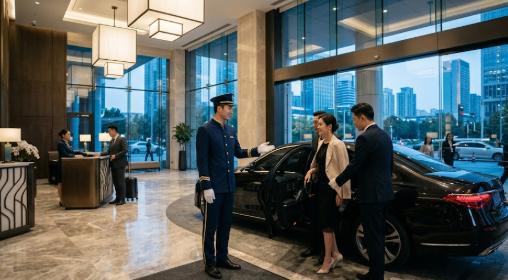
Introduction to Five-Star Hospitality
Five-star hospitality is synonymous with the pinnacle of service quality and guest satisfaction in the global tourism industry. This classification, often associated with luxury hotels and services, serves as a benchmark for establishments striving to deliver an extraordinary experience. The concept of five-star hospitality is not solely about the physical attributes of a venue; it significantly encompasses the quality of service provided and the overall guest experience.
To qualify for a five-star rating, an establishment must exhibit superior service standards that include personalized attention and an unwavering commitment to guest comfort. Such establishments typically offer a wide range of amenities, ensuring that every aspect of a guest’s stay is meticulously attended to, from opulent accommodations to gourmet dining experiences. The distinguishing factors of five-star hospitality lie in the consistency of high-quality service, attention to detail, and the emotional connection fostered between the staff and guests.
Unlike lower rating systems, five-star hospitality emphasizes anticipatory service that adapts to the needs and preferences of the guests, creating a memorable stay. The focus is not only on what is provided but also on how it is delivered. Personalization of services, such as remembering returning guests’ preferences and special occasions, plays a critical role in achieving five-star status. As the global tourism industry continues to evolve, the demand for five-star experiences grows, making it essential for service providers to adapt and excel in service delivery.
Through a combination of exceptional amenities, highly trained staff, and an ingrained culture of hospitality, five-star establishments not only meet but aim to exceed the expectations of their guests. This commitment to excellence ultimately translates into increased guest loyalty and positive word-of-mouth, vital components for success in the competitive landscape of global tourism.
The Importance of Standards in Hospitality
In an increasingly competitive global tourism landscape, establishing and adhering to robust hospitality standards is imperative for providers aiming to maintain an edge. These standards serve as a benchmark for quality, influencing every aspect of the guest experience, from the initial booking process to post-stay follow-ups. Consistency in service delivery not only meets guest expectations but can also exceed them, thus fostering customer loyalty and enhancing a hospitality provider’s reputation.
Firstly, well-defined hospitality standards set clear expectations for both staff and guests. When employees are equipped with a concise understanding of acceptable practices and conduct, service delivery becomes more uniform. This uniformity is key to ensuring that every guest receives a comparable level of service, which, in turn, helps in building a dependable reputation within the tourism sector. Additionally, standardized procedures can lead to operational efficiencies, ultimately reducing costs and increasing profitability for businesses.
Furthermore, adhering to high hospitality standards positively influences the overall guest experience. Guests increasingly seek accommodations that align with their expectations for comfort, luxury, and service quality. When hospitality providers invest in maintaining strict standards, they are more likely to satisfy these expectations. Positive guest experiences not only lead to repeat bookings but also encourage referrals through word-of-mouth recommendations, a powerful tool in the tourism industry.
Incorporating these standards into a hospitality provider’s mission strengthens their brand and presents an image of reliability and professionalism. This commitment to excellence can attract discerning travelers, enhancing the business’s market appeal. Moreover, maintaining a focus on quality through established standards can also aid in navigating challenges within the industry, such as economic downturns or shifts in consumer preferences.
Key Elements of Five-Star Service
In the realm of global tourism, a five-star service is characterized by several key elements that meticulously craft an unforgettable guest experience. One primary component is personalized service. This aspect transcends standard offerings, ensuring that each guest feels recognized and valued. This can range from remembering a guest’s name to understanding their preferences and tailoring the services accordingly, thus building a strong rapport and enhancing the overall stay.
Attention to detail also plays a crucial role in providing five-star hospitality. Every aspect, from the cleanliness of the facilities to the subtle decoration choices, must reflect a commitment to providing excellence. When staff members are trained to focus on even the smallest details, it not only uplifts the physical environment but also contributes to a more intimate and comfortable setting for the guests. Such meticulousness demonstrates a brand’s dedication to high standards.
Furthermore, the quality of facilities is essential for achieving five-star status. This includes not only the luxury of accommodations but also the variety and quality of amenities offered. Swimming pools, spas, fitness centers, and fine dining establishments should reflect the best in design and maintenance, ensuring that guests receive exceptional value during their stay.
Finally, creating unique guest experiences that exceed expectations is paramount to providing five-star service. This could involve organizing exclusive activities, offering tailor-made excursions, or providing unique dining experiences that guests cannot find elsewhere. Such endeavors not only enhance the guest’s journey but also foster loyalty and a lasting impression, making them more likely to return and recommend the service to others. Each of these elements works synergistically to define and elevate the standards of five-star hospitality in the global tourism industry.
Cultural Considerations in Global Hospitality
The concept of five-star hospitality is often perceived through the lens of cultural norms and expectations, which can vary significantly from one region to another. Understanding these cultural differences is essential for hospitality providers striving to meet and exceed the expectations of their guests. In many cultures, hospitality is not just about providing services; it encompasses a broader understanding of warmth, respect, and interpersonal relationships. For instance, what might be viewed as attentive service in one culture could be interpreted as intrusive in another.
Adapting five-star standards requires an understanding of local customs. In some Asian cultures, a gentle approach with minimal directness may be preferred, whereas Western cultures might value straightforward communication. As a result, hospitality providers must train their staff to be culturally aware, ensuring that services resonate with the values and expectations of diverse clientele. This cultural sensitivity can significantly influence the perceived quality of service and overall guest satisfaction.
Additionally, certain regions may have specific expectations around dining customs, privacy, or forms of greeting, which form the backbone of a five-star experience. For example, in Mediterranean countries, meals are often seen as communal gatherings that extend for hours, contrary to the quicker dining experiences favored in northern Europe. Therefore, hotels and restaurants are encouraged to incorporate these local practices into their offerings, tailoring the five-star experience to reflect the essence of the culture they serve. By doing so, they not only enhance guests’ experiences but also foster a deeper appreciation for cultural diversity within the global tourism industry.
Technology’s Role in Enhancing Five-Star Hospitality
The evolution of technology has significantly influenced the five-star hospitality sector, redefining the ways in which luxury services are delivered and experienced. With the advent of advanced online booking systems, guests can now effortlessly arrange their travel plans, ensuring a seamless and personalized experience from the outset. The ability to book accommodations via user-friendly platforms has expanded the reach of five-star hotels, catering to a global clientele that values convenience and efficiency.
Moreover, customer relationship management (CRM) systems have revolutionized the manner in which hospitality providers interact with their guests. These sophisticated systems allow hotels to collect and analyze vast amounts of data regarding guest preferences and behaviors. By harnessing this data, establishments can craft tailored experiences that resonate with individual guests, enhancing satisfaction and fostering loyalty. For instance, a hotel may utilize data analytics to anticipate guest needs, personalize welcome amenities, or even customize room settings based on previous visits, thus elevating the overall experience.
Furthermore, advanced communication technologies such as mobile applications and artificial intelligence (AI) chatbots are making it easier for guests to interact with hotel staff. These tools provide immediate access to information regarding services, amenities, and local attractions, reflecting a commitment to excellent customer service. In addition, technology contributes to operational efficiency by streamlining processes such as check-in and check-out procedures, ultimately decreasing wait times and improving customer satisfaction.
In conclusion, technology plays a pivotal role in redefining five-star hospitality, providing both guests and providers with tools that enhance the overall experience. From innovative booking systems to personalized service through data insights, the integration of technology in the hospitality sector ensures a higher standard of service that meets the evolving demands of discerning travelers worldwide.
Training and Staff Development for Five-Star Standards
Achieving and maintaining five-star hospitality standards necessitates a well-structured training and staff development program. In the competitive landscape of the global tourism industry, high-quality service is paramount, and this can only be delivered by well-trained personnel. The importance of ongoing training cannot be overstated, as it ensures that all team members are aligned with the brand’s commitment to excellence and equipped with the necessary skills.
Effective training programs should incorporate various methodologies to cater to different learning styles. Onboarding processes must include comprehensive hospitality training that covers everything from customer service skills to brand values. Role-playing exercises, for instance, can help staff practice real-world scenarios they may encounter, thereby building confidence and competence in their roles.
Additionally, periodic refresher courses and workshops should be integral to staff development. These programs can emphasize the latest trends in hospitality, such as personalized service techniques, cultural sensitivity, and the effective use of technology in enhancing guest experiences. Engaging employees in ongoing professional development encourages not only skill enhancement but also fosters a culture of learning and growth within the organization.
Moreover, mentorship initiatives can pair seasoned employees with newcomers, which facilitates knowledge transfer and strengthens team dynamics. Consequently, a dual focus on both hard and soft skills is essential. Staff should be trained not only in technical abilities but also in interpersonal communication, problem-solving, and emotional intelligence, which are critical in delivering the exceptional service associated with five-star establishments.
Ultimately, investing in training and staff development will lead to higher employee satisfaction, reduced turnover, and most importantly, an elevated guest experience that withstands the test of time in the global tourism sector.
Case Studies of Five-Star Hospitality Providers
The five-star hospitality sector is filled with establishments that have set benchmarks in service excellence through innovative practices and outstanding guest experiences. One prominent example is The Ritz-Carlton, a name synonymous with luxury. The Ritz-Carlton’s service philosophy centers on personalized experiences and anticipatory service, which is evident in their motto, “We are Ladies and Gentlemen serving Ladies and Gentlemen.” This ethos fosters a culture where employees are empowered to go above and beyond in fulfilling guests’ needs, thereby significantly enhancing customer satisfaction.
Another exemplary provider is the Four Seasons Hotels and Resorts, known for its commitment to exceptional service delivery. They implement rigorous training programs for staff, focusing on emotional intelligence and cultural sensitivity. This training ensures that employees can not only meet guest expectations but exceed them by understanding and adapting to diverse cultural norms. Feedback from guests frequently highlights the warmth and authenticity of service, elements that greatly contribute to guest loyalty.
The Mandarin Oriental Hotel Group builds upon the recommendations in the hospitality sector by embracing technology while maintaining a personal touch. Their integration of smart room technology provides guests with personalized controls to enhance comfort and convenience. However, it is the attentive service from well-trained staff that truly embodies their five-star status. Guest feedback often cites specific instances of service that create memorable experiences, further solidifying the establishment’s reputation in the tourism industry.
These case studies underscore the importance of combining personalized service, staff training, and technological innovation in delivering five-star hospitality. Observing these providers reveals a common thread: a commitment to creating unique experiences for guests, which ultimately contributes to their standing within the global tourism industry.
Challenges in Maintaining Five-Star Standards
The pursuit of five-star hospitality standards in the global tourism industry often presents several challenges that can hinder a provider’s ability to consistently meet these high expectations. One of the foremost challenges is staff turnover. The hospitality sector typically experiences high employee turnover rates due to factors such as seasonal work cycles, demanding job requirements, and the ongoing quest for better opportunities. This constant flux can lead to inadequately trained personnel who may lack the skills or experience necessary to deliver the exceptional service that five-star ratings demand.
Another significant challenge in maintaining these standards is cost management. Five-star hotels, resorts, and restaurants must balance the need for quality service and amenities with rising operational costs. Maintaining top-tier staff, procuring high-quality materials, and ensuring pristine facilities often come with increased expenses. During economic downturns or crises, such as the recent pandemic, these costs can become unsustainable, straining a provider’s ability to uphold their five-star reputation.
Additionally, shifts in consumer expectations further complicate matters for hospitality providers. Modern consumers are more informed and demand higher levels of personalization and technological integration than ever before. They often seek unique experiences that go beyond traditional luxury, compelling hotels and restaurants to innovate continually. This ever-evolving landscape requires providers to adapt swiftly, which can be a daunting task amidst the complexities of operational challenges and budget constraints.
In conclusion, maintaining five-star hospitality standards in the global tourism industry necessitates addressing a range of challenges. These include managing staff turnover, controlling operational costs, and adapting to ever-changing consumer expectations. Successfully navigating these issues is crucial for providers looking to achieve and maintain elite status in a competitive market.
Future Trends in Five-Star Hospitality
The landscape of five-star hospitality is continually evolving, driven by emerging guest preferences and societal shifts. In recent years, travelers have increasingly sought personalized experiences, leading to a demand for customized services that cater to individual desires. This trend reflects a broader move towards experiential travel, where guests prioritize authenticity and unique encounters over standard offerings. Five-star establishments are expected to adapt by providing tailor-made itineraries and unique on-site experiences that resonate with their guests’ aspirations and interests.
Sustainability practices have also emerged as a pivotal focus within the five-star hospitality sector. As eco-consciousness grows among consumers, luxury hotels are increasingly incorporating green initiatives into their operations. This includes initiatives such as reducing waste, utilizing renewable energy sources, and sourcing local ingredients for on-site dining options. The integration of sustainable practices not only meets the expectations of modern travelers but also sets a benchmark for responsible tourism, which is becoming increasingly essential for maintaining a competitive edge in the global market.
Moreover, advancements in technology are poised to significantly influence the future of five-star hospitality. Smart hotel technologies, such as mobile check-ins, personalized room settings, and enhanced customer service interfaces through artificial intelligence, are transforming how guests interact with their accommodations. These developments not only streamline hotel operations but also enhance the overall guest experience, promoting efficiency and satisfaction. As technology continues to develop, five-star hotels will likely leverage these innovations to foster deeper connections with their guests, ultimately redefining luxury in the hospitality industry.