
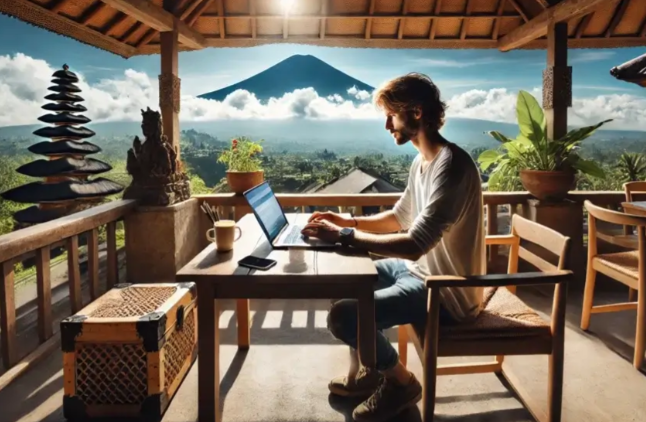
Introduction to the Digital Nomad Lifestyle
The digital nomad lifestyle has emerged as a compelling alternative to traditional employment settings, allowing individuals to work remotely while traveling to various locations around the globe. This unique way of life has gained traction in recent years due to the advent of technology that supports connectivity, enabling people to perform their jobs from virtually anywhere. The rise of remote work opportunities has contributed to the popularity of this lifestyle, as more individuals seek the freedom and flexibility associated with working outside a conventional office.
At its core, being a digital nomad involves leveraging technology to maintain one’s professional responsibilities while exploring new places. This can include individuals from diverse fields such as web development, graphic design, writing, and even virtual assistance. As companies increasingly embrace flexible work policies, a wider array of jobs can now be executed remotely, which opens doors for anyone interested in experiencing life as a nomad.
The benefits of this lifestyle are appealing to many. Notably, digital nomads enjoy the flexibility to choose when and where they work, fostering a healthier work-life balance. Such freedom can lead to enhanced productivity and creativity, benefiting both the individual and their employer. Additionally, immersing oneself in different cultures and environments can lead to a plethora of personal development opportunities, enriching both life and work experiences.
In summary, the digital nomad lifestyle is more than just a trend; it is a transformative approach to work and life that enables individuals to combine their professional skills with their passion for travel. As this trend continues to grow, it is important to understand the opportunities and challenges that come with this dynamic way of living and working.
Criteria for Choosing a Destination
For digital nomads, selecting the right destination is crucial to maintaining productivity while enjoying a flexible lifestyle. Several factors should be carefully evaluated to ensure a convenient and satisfying experience.
The cost of living is one of the most significant criteria, as it directly impacts a nomad’s budget. Locations with a lower cost of living allow for extended stays without financial strain. This includes expenses for accommodation, food, transportation, and leisure activities. A thorough comparison of potential destinations can help ascertain which options offer the best value.
Internet connectivity is another critical aspect. Reliable, high-speed internet access is essential for most remote work tasks. Before selecting a destination, it is advisable to research local internet providers and check reviews from other digital nomads regarding the quality of service in the area.
The availability of co-working spaces can significantly enhance productivity. These communal workspaces not only provide essential amenities such as desks, meeting rooms, and reliable Wi-Fi but also promote networking among like-minded individuals. Identifying cities with a thriving co-working culture can contribute to a more fulfilling nomadic lifestyle.
Moreover, factors relating to the overall quality of life cannot be overlooked. Access to healthcare, clean air, recreational activities, and a welcoming environment play vital roles. Engaging with local culture can enrich the experience, fostering a deeper appreciation for the destination.
Lastly, digital nomads must be aware of visa regulations and safety. Some countries offer specific visas for remote workers, while others may impose restrictions. Understanding these legalities helps avoid potential complications during travel.
Researching these criteria can be effectively done through online forums, expat group discussions, and various travel blogs dedicated to digital nomadism. Engaging with the community can provide firsthand insights into living conditions, making the decision process more informed and streamlined.
Top Destinations for Digital Nomads
As the trend of remote work continues to rise, digital nomads are constantly on the lookout for appealing locations that offer a blend of culture, community, and convenience to support their lifestyle. Below is a curated list of some of the top destinations that cater to the unique needs of digital nomads.
Bali, Indonesia: Renowned for its stunning landscapes and vibrant culture, Bali is a top choice for digital nomads. The island boasts an array of co-working spaces, allowing remote workers to connect with each other while enjoying breathtaking views. With a low cost of living and an artistic atmosphere, Bali provides both inspiration and productivity.
Lisbon, Portugal: This European city has become increasingly popular among digital nomads due to its mild climate, rich history, and growing tech scene. Lisbon offers numerous co-working spaces and cafés, ensuring that remote workers can find an ideal spot to concentrate. Additionally, the city’s vibrant nightlife and cultural festivals make it an exciting place to explore during downtime.
Chiang Mai, Thailand: Known for its affordability and laid-back lifestyle, Chiang Mai is a favorite among digital nomads. The city features a variety of co-working spaces, comfortable accommodations, and community-driven environments. With an abundance of local food options and access to nature, it’s a conducive place for both work and relaxation.
Barcelona, Spain: Combining stunning architecture with a dynamic atmosphere, Barcelona has emerged as a hub for remote workers. The city offers a multitude of co-working spaces and creative opportunities, attracting a diverse community of digital nomads. Barcelona’s rich cultural heritage and Mediterranean lifestyle provide ample inspiration for work and leisure.
Mexico City, Mexico: As a bustling metropolis, Mexico City features a diverse range of activities, food, and culture that appeal to digital nomads. The thriving café culture and an increasing number of co-working spaces facilitate collaboration among remote workers. The city’s affordable living and vibrant local scenes make it a hotspot for those seeking an enriching experience while working remotely.
Cost of Living Breakdown
For digital nomads, understanding the cost of living in various hotspots is essential for planning a productive and financially sustainable lifestyle. As location-independent professionals increasingly seek out affordable yet vibrant locations to thrive in their careers, a comparative analysis of accommodation prices, groceries, transportation, and entertainment is indispensable.
Starting with accommodation, cities such as Chiang Mai, Thailand, and Lisbon, Portugal, are popular due to their affordable rental prices. In Chiang Mai, a one-bedroom apartment in the city center averages around $300 per month, while in Lisbon, similar accommodations can be found for approximately $1,000. These price differences can significantly influence a digital nomad’s budget and lifestyle choices.
Groceries also represent a substantial monthly expense. In Southeast Asia, for instance, a weekly grocery bill can hover around $30 in Thailand, where local markets offer fresh produce at low prices. In contrast, Western countries often present higher grocery costs, with average weekly expenses nearing $80 in cities like Barcelona, Spain. However, the availability of local dishes and street food can offset these costs, allowing digital nomads to enjoy culinary experiences without overspending.
Transportation is another crucial factor. For digital nomads planning a longer stay, choosing to rent a flat in Budapest can also make it easier to settle into the city and take advantage of its affordable public transport network. Conversely, personal transportation costs in some locations can add up quickly. In Ubud, Bali, renting a scooter is common among digital nomads and may cost about $50 monthly. Moreover, entertainment costs vary substantially; leisure activities in Bali and Mexico City may cost less than in cities such as Toronto, where the entertainment budget can exceed $150 monthly.
Ultimately, a comprehensive understanding of these financial aspects greatly assists digital nomads in making informed decisions about their living choices. By balancing costs and lifestyle expectations, they can find their ideal remote working environments.
Work-Life Balance in Different Destinations
Maintaining a healthy work-life balance is paramount for digital nomads, as it directly influences productivity, mental health, and overall well-being. The choice of destination plays a significant role in shaping this balance, as different locations offer varied work cultures, leisure opportunities, social environments, and support systems for remote workers.
In bustling metropolitan areas, such as Berlin or San Francisco, the work culture often revolves around a fast-paced, professional atmosphere, which can inadvertently lead to longer work hours. In such environments, digital nomads may find it challenging to carve out time for personal pursuits and relaxation. However, these cities also provide numerous networking events, co-working spaces, and tech communities that can foster collaboration and support, making it easier to connect with like-minded individuals.
Contrarily, destinations like Bali or Tulum tend to prioritize leisure and wellness, offering a more relaxed lifestyle. These locations boast a plethora of outdoor activities, wellness retreats, and cultural experiences that promote a healthy work-life balance. The slower pace allows digital nomads to enjoy their surroundings while still being productive. Furthermore, the presence of vibrant expatriate communities can create social structures that provide emotional support and camaraderie, making the integration into local life smoother.
Additionally, the accessibility of recreational amenities, such as gyms, parks, and cafes, can significantly impact the ability to detach from work. In cities that foster a more community-oriented environment, digital nomads often find it easier to engage in leisure activities and social gatherings, leading to improved mental health and reduced stress levels.
Ultimately, the key to achieving a harmonious work-life balance lies in evaluating how well a destination aligns with individual lifestyle preferences and professional goals. Emphasizing both work and play is essential for maintaining motivation and fulfillment as a digital nomad.
Community and Networking Opportunities
For digital nomads, the sense of community plays a crucial role in enhancing the overall experience of working remotely while traveling. The right environment fosters professional growth and personal connections, making it essential for nomads to seek out locations with active communities. Various cities around the world have become hubs for digital nomads, offering vibrant local meetups, networking events, and collaborative spaces aimed at connecting like-minded individuals.
Popular destinations such as Bali, Chiang Mai, and Lisbon provide abundant opportunities for social interaction among remote workers. In these locales, co-working spaces are not just places to work; they also serve as community centers where digital nomads gather to share ideas, collaborate on projects, and form friendships. Events such as skill-sharing sessions or casual networking nights hosted by local organizations enrich the experience and facilitate professional connections.
Moreover, many cities also have platforms and online forums where nomads can connect even before arriving. Websites and social media groups dedicated to digital nomad communities provide resources for finding local events, arranging meetups, or connecting with others in similar professions. By tapping into these networks, nomads benefit from valuable insights and advice from others who have navigated similar paths.
In conclusion, engaging with local communities and availing networking opportunities is fundamental for digital nomads as it can significantly enhance their journey. By choosing destinations that support this kind of interaction, remote workers can cultivate their professional lives while also enjoying rich, fulfilling personal experiences.
Cultural Experiences and Local Attractions
For digital nomads, the integration of work and travel hinges on finding locations rich in cultural experiences and local attractions. Major cities and off-the-beaten-path destinations worldwide offer unique festivals, historical landmarks, and recreational activities that enhance the nomadic lifestyle. When selecting a destination, it is essential to consider the cultural depth and engagement opportunities available to enrich your experience.
For instance, cities like Bali, Indonesia, are not only stunning in natural beauty but also steeped in rich traditions. The Balinese culture features vibrant festivals such as Galungan and Kuningan that celebrate the triumph of good over evil with colorful decorations and community gatherings. These festivals provide an excellent opportunity for digital nomads to immerse themselves in local customs while enjoying the balmy weather on the island.
Moreover, European cities like Barcelona, Spain, offer a diverse array of attractions that cater to the interests of travelers. The city is famed for its spectacular architecture, including works by Antoni Gaudí such as the Sagrada Familia and Park Güell, which provide both inspiration and a scenic backdrop for work. The local culinary scene featuring tapas bars and fresh markets also invites exploration during breaks from work.
In addition, attending local art exhibitions and festivals such as the La Merce Festival in Barcelona, which showcases both contemporary and traditional cultural activities, can deeply enhance your stay. Digital nomads are encouraged to engage with community events and activities that not only foster connections but also provide a platform for cultural exchange.
Ultimately, selecting locations that offer rich cultural experiences, along with opportunities to participate in local attractions and festivals, can significantly enhance the digital nomad experience, making it more fulfilling and memorable. By exploring the cultural heartbeat of your destination, you foster a deeper connection to the places you call home while working remotely.
Safety and Health Considerations
When considering various destinations for digital nomadism, safety and health precautions are paramount for ensuring a productive and enjoyable experience. Each location presents its unique challenges and advantages regarding health systems, available medical facilities, and environmental considerations.
First and foremost, digital nomads should research the healthcare infrastructure in their chosen destinations. Countries with robust healthcare systems often feature accessible medical facilities, professional practitioners, and comprehensive services. For instance, urban centers in Southeast Asia or Eastern Europe may offer modern hospitals with English-speaking staff, whereas more rural areas could lack such amenities. Understanding the quality and availability of healthcare can make a significant impact on peace of mind while living abroad.
Additionally, maintaining health while traveling necessitates having the right travel insurance. A comprehensive travel insurance policy generally covers emergency medical situations, including repatriation, which can be crucial if serious health issues arise. Nomads should ensure that their policy includes coverage for pre-existing conditions and activities they plan to engage in, such as adventure sports or extensive travel. Reviewing the fine print of insurance policies can prevent unexpected expenses, ensuring a smoother journey.
Moreover, personal safety should also be a priority when navigating unfamiliar environments. Digital nomads can enhance their safety by staying in reputable accommodations, being aware of their surroundings, and keeping personal items secure. Engaging with local communities or other nomads can provide insights into any potential risks and enhance the travel experience.
Ultimately, by being vigilant about health care access, securing comprehensive travel insurance, and prioritizing personal safety, digital nomads can significantly mitigate risks while embracing their chosen lifestyle. These considerations enable a focus on productivity and connectivity, key components of the digital nomad experience.
Conclusion: Making the Most of the Digital Nomad Journey
The digital nomad lifestyle presents a unique opportunity for individuals seeking both professional growth and personal adventure. Throughout this blog post, we have explored some of the top destinations that cater to this vibrant community, highlighting aspects such as affordability, coworking spaces, and cultural experiences. Each location offers its own distinct advantages that can significantly enhance the nomadic experience.
Successful digital nomads tend to be adaptable, embracing the challenges that come with working remotely while traveling. They make deliberate choices in their destination selection, seeking out regions that align with their work needs, cost of living preferences, and the cultural experiences they aspire to embrace. Cities like Bali, Lisbon, and Tbilisi have emerged as favorites due to their thriving expat communities, infrastructure for remote work, and rich local cultures that provide opportunities for adventure outside of work hours.
As you consider your path as a digital nomad, it is essential to reflect on what you value most in your journey. Whether you prioritize vibrant nightlife, serene natural surroundings, or proximity to a robust professional network, your choices will shape your experience. Additionally, being mindful of visa regulations, internet connectivity, and local customs can significantly impact your life on the road.
In essence, the world is an open canvas for those ready to embrace the freedom of a digital nomad lifestyle. As you embark on this journey, remember to balance work and exploration, cultivate connections with fellow nomads, and remain open to the unique experiences each new destination offers. The adventure awaits, and it is yours to shape.