

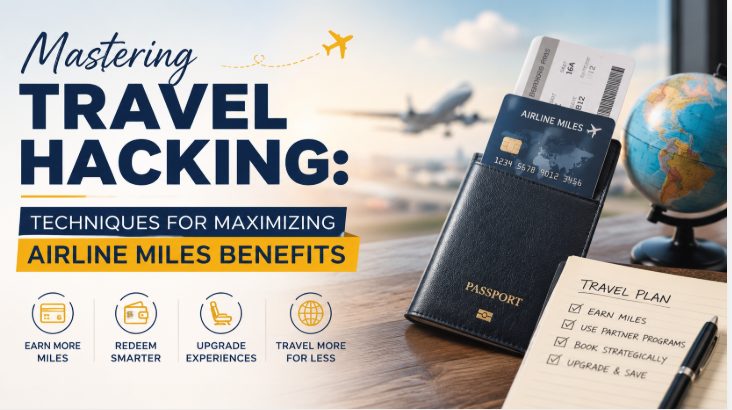
Introduction to Travel Hacking
Travel hacking is an innovative approach to travel that focuses on maximizing rewards from airline miles and other loyalty programs. It involves using various strategies to stretch your travel budget, allowing you to visit more destinations or upgrade your travel experience without incurring exorbitant costs. In today’s travel landscape, where flights and accommodations can be remarkably expensive, travel hacking offers a viable solution for those looking to get more value from their expenditures.
At its core, travel hacking revolves around understanding the intricacies of loyalty programs offered by airlines and hotels. By leveraging sign-up bonuses, promotional offers, and strategic spending on credit cards, travelers can earn a significant number of miles or points. This, in turn, can lead to free flights, discounted hotel stays, and other travel-related benefits. Essentially, it transforms how we perceive the high costs of travel, making it more accessible for frequent travelers and occasional vacationers alike.
The significance of travel hacking transcends merely saving money. It is about enhancing the overall travel experience by unlocking opportunities to explore new destinations and enjoy premium services. With the right techniques, even those with limited financial means can embark on journeys that would otherwise seem unattainable. As the world of travel continues to evolve, effective travel hacking can provide individuals with the necessary tools to maximize their benefits in an increasingly competitive industry.
Through this blog post, we will delve into the various tactics associated with travel hacking, aiming to equip you with the knowledge required to navigate airline loyalty programs effectively. Whether you are a seasoned traveler or a novice, understanding the fundamentals of travel hacking will empower you to make more informed decisions while reaping the full rewards of your travels.
Understanding Airline Miles and Loyalty Programs
Airline miles, often referred to as frequent flyer miles, are a form of reward currency accrued through air travel. These miles can be earned by purchasing tickets, flying with an airline, or through various partnerships, allowing travelers to redeem them for perks such as free flights, upgrades, and other benefits. Loyalty programs are designed to reward regular customers, providing them with incentives to choose a specific airline or alliance consistently.
Frequent flyer miles are typically earned based on the distance traveled or money spent on airline tickets. In contrast, credit card points can be garnered through purchases made with specific travel rewards credit cards. These points can often be transferred to airline loyalty programs, thereby increasing the potential to earn miles significantly. Understanding how miles are accumulated and utilized is crucial for maximizing the travel experience.
Most airlines operate a loyalty program that varies greatly in structure. Some airlines may focus on tier levels, granting more benefits as members achieve higher statuses, while others may offer straightforward mile accumulation systems. Airline alliances, such as Star Alliance or Oneworld, also play a significant role, allowing members to earn and redeem miles across multiple airlines. By collaborating with partner airlines, travelers can expand their options for earning miles, making travel more accessible and rewarding.
It is essential to distinguish between the different types of programs available and how they align with one’s travel habits. For example, one may benefit from loyalty programs if they frequently travel with a particular airline and can achieve elite status. Conversely, those who prefer to use credit cards for daily purchases might find credit card points more advantageous. Understanding these nuances is vital for effectively navigating the world of airline miles and maximizing potential benefits.
Choose the Right Credit Card
Selecting the appropriate travel rewards credit card is paramount for effectively maximizing airline miles and ensuring an optimal travel hacking experience. The first step in this process is to identify the types of credit cards available, which generally fall into three main categories: co-branded airline cards, general travel rewards cards, and cash-back cards.
Co-branded airline cards are affiliated directly with specific airlines and typically offer significant benefits like accelerated airline miles accumulation, preferential boarding, and access to airport lounges. When evaluating these cards, it is crucial to consider the airline’s network, as frequent flyers may benefit more from a card that aligns with their travel preferences.
General travel rewards cards, on the other hand, provide flexibility by enabling users to earn points that can be redeemed across various airlines and travel expenses. These cards often come with lucrative sign-up bonuses and an array of perks, such as travel insurance and no foreign transaction fees. It’s important to analyze the reward structure, as some cards may offer higher points on specific categories such as dining or groceries.
Cash-back cards can also be an overlooked option; while they do not directly earn airline miles, the cash back rewards can be converted into miles or travel credits. Therefore, it’s vital to assess how their earning potential aligns with your travel goals.
Additionally, understanding any potential fees or terms associated with the cards is essential. Pay attention to annual fees, foreign transaction fees, and interest rates. In many cases, a higher annual fee may be justified by the enhanced benefits and earning rates. By conducting thorough research and comparing various travel rewards credit cards, you can significantly enhance your opportunities for maximizing airline miles and enjoy a fulfilling travel experience.
Maximizing Sign-Up Bonuses and Promotions
In the realm of travel hacking, sign-up bonuses present an excellent opportunity for travelers looking to maximize their airline miles. Many airlines and credit card companies offer substantial bonuses to new customers who meet certain requirements within a designated timeframe. Taking advantage of these promotions can significantly boost your miles accumulation, paving the way for future travel rewards.
Timing applications strategically is a key factor in maximizing these benefits. For instance, consider aligning your applications with your travel plans or spending cycles. If you are planning a significant purchase, it might be advantageous to apply for a credit card just before making that purchase, thereby allowing you to meet the spending requirement for the bonus. Additionally, pay attention to seasonal promotions, as companies often enhance their sign-up bonuses during peak travel periods or promotional events.
Meeting spending requirements can sometimes seem daunting, but there are effective strategies to simplify this process. Utilize your daily expenses to reach the required spending limit. This could include your routine bills, such as groceries, utilities, or even insurance payments that you might already be paying. Moreover, consider leveraging methods like purchasing gift cards for stores you frequent or donating to charities, which can all contribute to reaching the stipulated threshold.
Additionally, be mindful of limited-time offers or promotional events that provide extra miles or enhance existing bonuses. Regularly reviewing airline and credit card newsletters, and participating in their reward programs can keep you informed of these advantageous opportunities. By being proactive and strategic in your approach to sign-up bonuses and promotions, you can effectively maximize your airline miles and unlock exciting travel possibilities.
Utilizing Airline Partnerships and Alliances
Traveling can become significantly more rewarding when individuals leverage airline partnerships and alliances. Airlines around the world have formed partnerships to expand their networks and provide broader access to destinations. By understanding and utilizing these partnerships, travelers can maximize their airline miles and overall travel experience.
One key strategy for booking flights with partner airlines involves familiarizing oneself with the various airline alliances such as Star Alliance, Oneworld, and SkyTeam. Each alliance comprises multiple member airlines, allowing travelers to book flights across different airlines while still earning miles in their preferred frequent flyer program. For instance, if a traveler is a member of a major airline’s frequent flyer program, they can gain miles by flying with a partner airline that belongs to the same alliance.
Additionally, leveraging shared services between partner airlines not only enhances the travel experience but also increases the potential to earn more miles. Services such as code-sharing flights allow passengers to book tickets on multiple carriers using one reservation, thereby simplifying the travel planning process. This integration can lead to obtaining a higher cumulative mile total when flights taken across various carriers are credited to a single frequent flyer account.
Moreover, alliances usually offer access to exclusive promotions, bonus mile opportunities, and the ability to book flights to more destinations than an individual airline may provide. For travelers looking to visit more locations, this flexibility is invaluable. Taking the time to explore and utilize airline alliances effectively can lead to the accumulation of miles at an accelerated pace, culminating in free upgrades, flights, or other valuable rewards that make the travel experience more enjoyable.
Booking Smart: Timing and Techniques
Maximizing airline miles requires strategic planning, particularly when it comes to booking flights. One of the prime times to purchase tickets is during off-peak travel seasons, when airlines are more likely to offer promotional fares and better opportunities for using miles. For example, traveling outside of school holiday periods or during the shoulder season can often yield significant savings in both cash and miles.
Furthermore, the timing of your booking can also play a vital role in successful miles utilization. Typically, booking flights well in advance—around two to three months prior to your departure—can provide access to a broader array of options, thus increasing the likelihood of finding flights that match your travel itinerary while optimizing your miles usage. In addition to early bookings, it’s beneficial to keep an eye on fare trends; flights frequently fluctuate in price due to various factors such as demand, day of the week, and seasonality.
Utilizing the right tools can greatly enhance your ability to find the best deals. Websites and apps like Google Flights, Skyscanner, and Kayak not only compare flight prices but also alert you to fare changes and discounts. Many airlines also offer tools on their websites that allow you to see a calendar of the best days to use your miles, along with alerts for reward seat availability. By employing these resources, travelers can stay informed and make savvy choices when selecting flights that allow them to maximize their miles and minimize overall travel costs.
In essence, strategic booking not only involves identifying the best times to travel but also utilizing the right resources to stay updated on flight availability and fare fluctuations. Employing these techniques can significantly enhance your efficiency in booking smartly with your airline miles, thus ensuring that you reap the maximum benefits from your travel investments.
Creating Effective Travel Itineraries
Planning travel itineraries is an essential step in maximizing the benefits of airline miles. Effective itineraries not only enhance the travel experience but also allow travelers to earn more miles and optimize their flight options. By combining flights, using layovers strategically, and planning multi-city trips, travelers can fully leverage the different rewards programs available.
One of the key strategies involves the efficient combination of flights. This means selecting connecting flights that not only reach the destination but also add bonus miles to the traveler’s account. Many airlines offer additional miles for longer flights or those with layovers, so choosing routes that include stops in high-mileage regions can significantly increase earnings. For example, a traveler flying from New York to Los Angeles via Chicago instead of a direct flight can accumulate more miles from the additional segments.
Strategic use of layovers is another vital element in crafting an itinerary that maximizes airline miles. Layovers can often be leveraged as opportunities for additional exploration of cities, thereby providing enrichment to the travel experience while also boosting mileage accrual. For instance, making a planned 24-hour layover in an intriguing city, which may not be on the original travel path, not only enhances the journey but can also earn travelers extra miles depending on the airline’s policy.
Moreover, considering multi-city trips can significantly enhance mileage earning potential. Instead of returning directly to the original point of departure, travelers can design an itinerary that includes various destinations along their route. Many airlines have exceptional deals on multi-city routes, allowing travelers to visit several cities while earning much more in accrued miles. This approach not only maximizes the benefits of airline miles but also broadens the travel horizons.
The Art of Redeeming Miles
Effectively redeeming airline miles requires a strategic approach that maximizes the value of your rewards. It is essential to understand the different options available for redemption and the potential pitfalls one should avoid. Common methods for redeeming miles include flight upgrades, companion tickets, and booking award flights. Each of these options comes with its own set of rules and limitations, highlighting the importance of careful planning.
One popular method for maximizing value is to use miles for international flights. Generally, premium cabin tickets on long-haul flights offer better return on your miles compared to domestic flights. Additionally, many airlines offer significant discounts on award tickets during specific promotions or off-peak seasons, providing an excellent opportunity to stretch your miles further. It’s advisable to remain updated on promotional offers and be flexible with travel dates to capitalize on these deals.
Another worthwhile option is utilizing miles for upgrades, especially for long-haul or higher-cost flights. Upgrading from economy to business class can significantly enhance your travel experience, and in many cases, the mileage requirement is less than booking a business class ticket outright. Moreover, many airlines allow you to combine cash and miles for ticket purchases, giving you the flexibility to balance your spending and rewards.
When considering the use of miles versus cash for bookings, evaluate your specific situation. Sometimes, the out-of-pocket cost may be lower than the equivalent mileage price. Conducting a thorough comparison can help you make informed decisions about when to use cash and when to redeem miles for optimal benefit.
In summary, mastering the art of redeeming miles involves understanding all available options, staying informed about best practices, and considering the best opportunities for maximizing your rewards. By doing so, you can ensure your travel hacking efforts yield the greatest benefit.
Staying Informed and Adapting Strategies
In the ever-evolving world of travel hacking, the necessity of staying informed cannot be overstated. New airline policies, frequent flyer programs, and credit card offers can significantly impact your approach to maximizing airline miles. To effectively navigate these changes, it is essential to engage with a variety of resources specifically dedicated to travel hacking.
One of the most efficient ways to stay updated is by subscribing to blogs and websites that specialize in travel hacking techniques. Many experienced travel hackers share insights, tips, and updates on their platforms, which can provide invaluable information about maximizing airline benefits. Additionally, forums dedicated to frequent flyers allow like-minded individuals to exchange advice and experiences. Participating in these discussions can enhance your understanding of the landscape and offer practical solutions to common challenges.
Newsletters are another useful tool. Many travel-focused websites and credit card companies offer newsletters that keep subscribers informed about the latest deals and policy changes. By signing up, you can receive timely updates that may influence your travel decisions. Furthermore, social media platforms provide real-time information through groups and pages dedicated to travel hacking, where users can share alerts on promotions or limited-time offers that enhance the value of airline miles.
It is also worth monitoring changes in airline loyalty programs, as these can directly affect your travel hacking strategies. Keeping track of program structures and redemption rates will enable you to make informed decisions regarding your mileage accumulation and usage. Regularly reassessing your travel strategies in accordance with these updates allows you to adapt effectively and maximize benefits.