

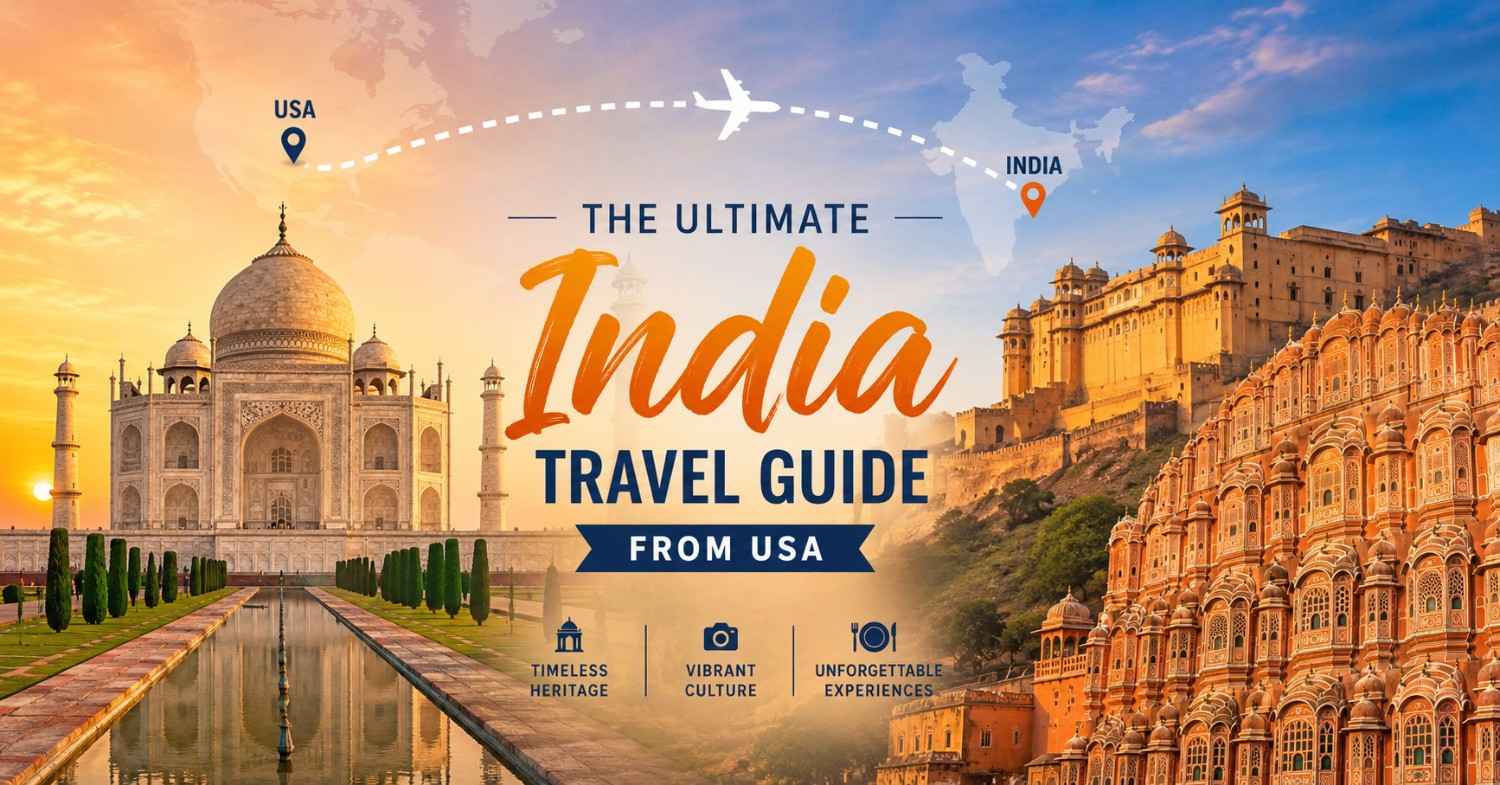
India is one of those destinations that genuinely changes you. From the snow-dusted peaks of the Himalayas to the sun-soaked backwaters of Kerala, no country on earth packs this much colour, culture, cuisine, and chaos into a single border. For Americans planning their first trip, the prospect can feel overwhelming — but with the right preparation, travelling to India from the USA is not just manageable, it is utterly life-changing.
This guide covers everything you need to know: visas, flights, the best time to visit, top destinations, and honest tips from someone who has navigated it all.
Getting Your India Visa as a US Citizen
Good news: US passport holders are eligible for India’s e-Visa, which can be applied for entirely online through the Indian government’s official portal. There’s no embassy visit required. You’ll need a valid passport (at least six months’ validity beyond your travel dates), a recent passport-size photo, and a credit or debit card for the fee, which typically ranges from $25 to $80 depending on duration.
Apply at least 4–7 days before departure, though two weeks ahead is safer. The e-Visa is available for 30-day, 1-year, and 5-year durations. Most first-time visitors opt for the 30-day tourist e-Visa, which is more than enough for a solid initial trip.
Flights from the USA to India: What to Expect
Flights from the US to India are long — typically 16 to 22 hours with one layover. Major US departure cities include New York (JFK), Chicago (ORD), San Francisco (SFO), and Los Angeles (LAX). The most common connection hubs are Dubai, Doha, London, and Frankfurt.
Delhi (DEL) and Mumbai (BOM) are the two primary international gateways. If your itinerary is focused on northern India — which most first-timers’ plans are — flying into Indira Gandhi International Airport in Delhi positions you perfectly. Book at least 8–12 weeks in advance for the best fares. Shoulder season bookings (March–April or September–October) tend to yield significant savings.
Best Time to Visit India from the USA
Timing your trip correctly is crucial given India’s extreme seasonal shifts.
October to March is widely considered the best window for most of India. The weather is dry and pleasant across the north and south, making sightseeing comfortable. This is peak season, so accommodation costs are higher, but the experience is worth it.
April to June brings intense heat, particularly across Rajasthan and central India, with temperatures regularly exceeding 40°C (104°F). Unless you’re heading to the mountains, this period is best avoided.
July to September is monsoon season. While the landscapes turn extraordinarily green and the crowd thins, flooding can disrupt travel plans across some regions.
For most American travellers flying in for the first time, November through February hits the sweet spot — cool evenings, clear skies, and nearly every major festival and attraction at their accessible best.
Top Destinations in India for First-Time American Visitors
1. The Golden Triangle: Delhi, Agra & Jaipur
This classic three-city circuit is the perfect introduction to India’s history and heritage. Delhi offers a stunning blend of Mughal architecture and modern metropolitan energy — from the grand Jama Masjid to the buzzing lanes of Chandni Chowk. Agra, just a few hours south, is home to the Taj Mahal, one of the few sights on earth that exceeds its reputation. Jaipur, the “Pink City,” dazzles with its amber forts, vibrant bazaars, and regal palaces.
For American travellers looking to experience this iconic route with ease and expertise, well-curated golden triangle vacation packages take the logistical stress out of the equation — covering transfers, accommodation, and guided tours so you can focus entirely on absorbing the experience.
2. Rajasthan: The Land of Maharajas
Beyond the Golden Triangle, Rajasthan rewards deeper exploration. Udaipur’s lake palaces, Jodhpur’s blue-washed old city, Jaisalmer’s desert fortress rising from golden sand dunes, and Pushkar’s sacred lake surrounded by ghats — this state alone could fill two weeks of extraordinary travel.
Rajasthan is ideal for travellers who want to experience traditional India in its full visual splendour: camels, turbans, block-printed textiles, and ancient forts that look straight out of a Bollywood epic. Given the scale of the state and the distances between cities, booking structured Rajasthan vacation packages is a smart move for American visitors — they typically include private transportation, knowledgeable local guides, and curated stays in heritage hotels that genuinely reflect the region’s royal history.
3. Kerala: India’s Tranquil South
If Rajasthan is the vibrant north, Kerala is its serene southern counterpart. Think houseboat stays on the Alleppey backwaters, Ayurvedic wellness retreats, spice plantation tours in Munnar, and pristine beaches in Varkala. The pace here is slower, the cuisine lighter (coconut and seafood dominate), and the landscapes genuinely lush. Many Americans who visit Kerala describe it as the most “restorative” part of their India trip.
Health, Safety & Practical Tips for US Travellers
Vaccinations: The CDC recommends Hepatitis A and Typhoid vaccines for most India travellers. Speak to a travel health clinic at least 4–6 weeks before departure.
Water: Drink only bottled or filtered water. Avoid ice in drinks from street vendors.
Currency: The Indian Rupee (INR) is the local currency. Carry some cash for markets and smaller towns; major cities and hotels accept cards. ATMs are widely available in urban areas.
SIM Card: Pick up a prepaid Indian SIM at the airport on arrival — data is remarkably affordable and essential for navigation.
Jet Lag: India Standard Time (IST) is 9.5 hours ahead of US Eastern Time and 12.5 hours ahead of Pacific Time. Build in a rest day at the start of your trip.
Final Word
India demands patience and rewards curiosity. It will surprise you, occasionally frustrate you, and ultimately leave you planning your return before you’ve even boarded your flight home. Whether you’re spending 10 days on the Golden Triangle or a full month exploring from Rajasthan to Kerala, the country has an uncanny ability to get under your skin in the very best way.
Plan carefully, stay flexible, and embrace the beautiful unpredictability of it all. India is waiting.