
Puerto Rico is one of the most beautiful Caribbean destinations, offering tropical beaches, colorful historic streets, lush rainforests, and fascinating cultural attractions. Whether you enjoy nature, history, or relaxing beside the ocean, the island has something special to offer. Its combination of natural scenery and vibrant local traditions makes it an unforgettable destination for travelers.
The famous places in Puerto Rico include historic forts, picturesque islands, spectacular waterfalls, and charming coastal towns. Visitors can explore the colorful buildings of Old San Juan, discover the tropical landscapes of El Yunque National Forest, or relax on the white sandy beaches of Culebra. Every region offers a different experience worth discovering.
Planning a Puerto Rico vacation becomes easier when you know which attractions match your travel interests. This travel guide explores the best places to visit in Puerto Rico, including popular landmarks, beautiful beaches, natural wonders, and cultural destinations. You will also find useful travel tips to help you organize an enjoyable Caribbean getaway.
1. Old San Juan: Explore Colorful Streets and Historic Landmarks
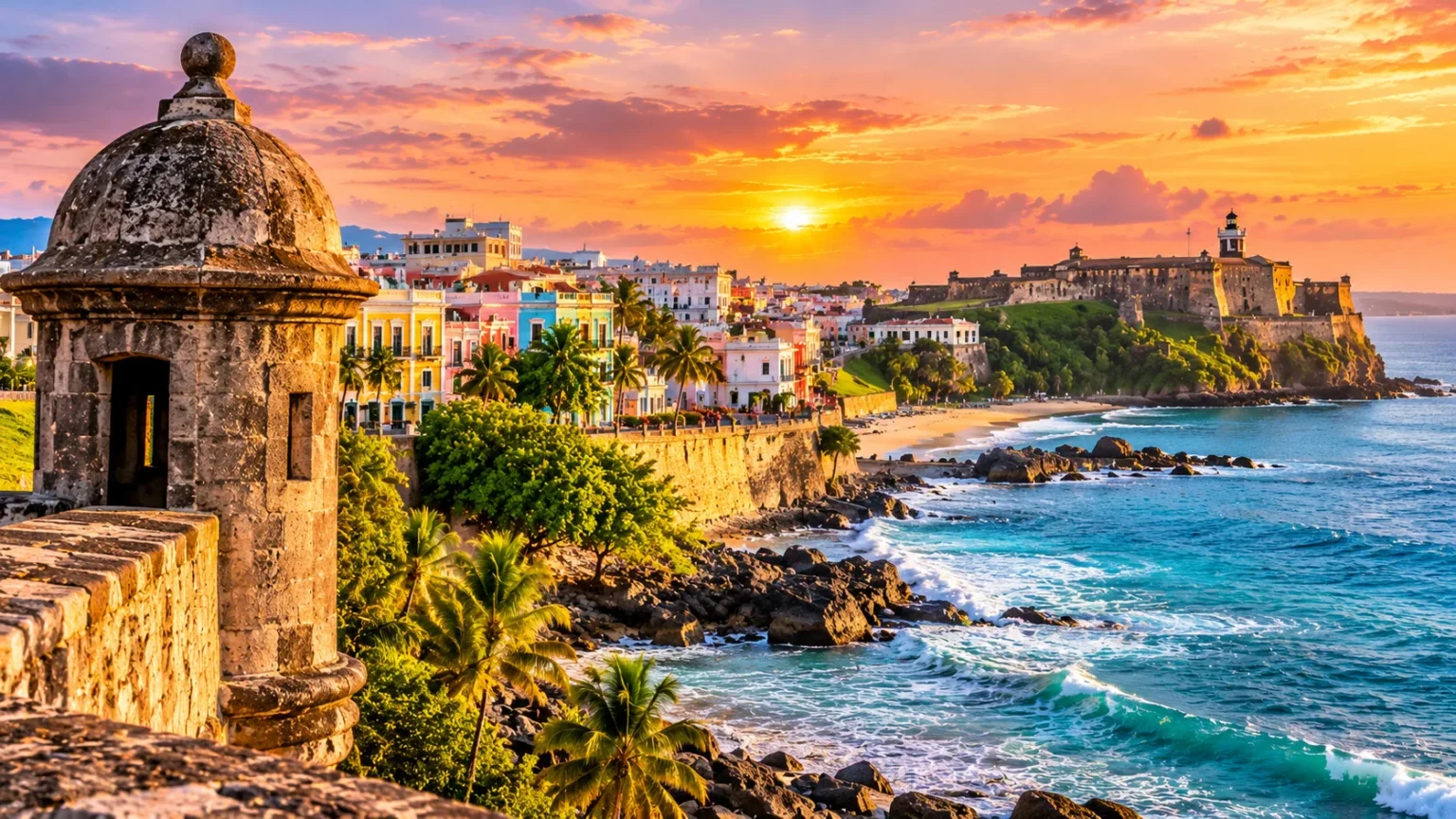
Old San Juan is one of the most famous places in Puerto Rico, recognized for its colorful colonial buildings, cobblestone streets, and historic atmosphere. The neighborhood represents centuries of Caribbean history and Spanish architectural influence. Visitors can wander through charming streets, admire beautifully preserved buildings, and discover interesting shops, restaurants, and historical attractions throughout the area.
The district contains several important landmarks, including historic churches, public squares, and impressive coastal fortifications. Walking through Old San Juan provides opportunities to experience traditional Puerto Rican culture while enjoying beautiful views of the Atlantic Ocean. Its colorful architecture and narrow streets also make it one of the island’s most popular destinations for travel photography.
Visitors should allow enough time to explore the neighborhood at a comfortable pace rather than rushing between landmarks. Comfortable walking shoes are helpful because the historic streets can be uneven and sometimes steep. Morning and late afternoon are particularly pleasant for sightseeing. Old San Juan is an excellent starting point for travelers discovering Puerto Rico for the first time.
2. Castillo San Felipe del Morro: Discover Puerto Rico’s Military History
Castillo San Felipe del Morro, commonly called El Morro, is one of Puerto Rico’s most recognizable historical landmarks. Located at the entrance to San Juan Bay, this impressive fortress was built to protect the city from maritime attacks. Its massive stone walls, historic watchtowers, and dramatic coastal position create an unforgettable setting for visitors interested in history.
The fortress forms part of the San Juan National Historic Site, which preserves important examples of Spanish colonial military architecture. Visitors can explore historic passageways, open spaces, and exhibits explaining the fortress’s development. Nearby Castillo San Cristóbal offers another fascinating opportunity to learn about the defensive system that protected San Juan for centuries.
El Morro is particularly impressive because of its elevated position overlooking the Atlantic Ocean. The surrounding grassy grounds are popular for walking, photography, and enjoying the coastal breeze. Travelers should bring comfortable footwear, drinking water, and sun protection when exploring the area. This historic attraction deserves a place on almost every Puerto Rico sightseeing itinerary.
3. El Yunque National Forest: Experience a Tropical Rainforest
El Yunque National Forest is one of Puerto Rico’s most remarkable natural attractions, located in the island’s northeastern region. It is the only tropical rainforest within the United States National Forest System. The forest features lush vegetation, mountain landscapes, waterfalls, and an impressive variety of plants and wildlife that create an extraordinary environment for nature enthusiasts.
Visitors can explore scenic forest roads, admire tropical landscapes, and discover designated hiking trails surrounded by dense greenery. Popular landmarks include Yokahú Observation Tower and several beautiful waterfall viewpoints. The forest is also home to Puerto Rico’s famous coquí frogs, whose distinctive calls are closely associated with the island’s natural environment and cultural identity.
Travelers should prepare for changing weather because tropical rain showers can occur unexpectedly throughout the year. Appropriate walking shoes, lightweight clothing, and drinking water are useful for exploring the forest. Trail access and visitor arrangements may change because of weather or maintenance. Checking current conditions before traveling helps create a safer and more enjoyable rainforest experience.
4. Flamenco Beach: Relax on One of Puerto Rico’s Most Beautiful Beaches
Flamenco Beach is located on Culebra, a small island east of mainland Puerto Rico, and is famous for its white sand and turquoise water. The beach is surrounded by beautiful coastal scenery that creates a peaceful Caribbean atmosphere. Its striking colors and natural beauty make it one of the most photographed beach destinations in Puerto Rico.
The wide sandy shoreline provides space for relaxing, enjoying ocean views, and spending time with family or friends. Visitors can also explore designated beach areas and admire the surrounding green hills. Some travelers combine their visit with other attractions around Culebra, including scenic viewpoints and quieter coastal locations away from the main beach.
Culebra is accessible by ferry from Ceiba or by flights from selected airports in Puerto Rico. Transportation arrangements should be planned in advance, particularly during busy travel periods. Although Flamenco Beach is popular for swimming, ocean conditions can change. Following beach warnings and respecting the surrounding environment helps preserve this beautiful destination for future visitors.
5. Vieques Island: Discover Beaches and Bioluminescent Waters
Vieques is another remarkable island located off Puerto Rico’s eastern coast, known for its beautiful beaches, natural landscapes, and relaxed atmosphere. The island offers a quieter alternative to the busy streets of San Juan. Visitors can discover scenic coastal areas, explore small communities, and experience a distinctive environment where nature remains an important attraction.
One of the island’s most famous natural wonders is Mosquito Bay, recognized for its extraordinary bioluminescence. Tiny marine organisms create a glowing effect when the water is disturbed, producing a fascinating nighttime display. Guided tours allow visitors to experience this natural phenomenon while learning about the sensitive ecosystem and the importance of protecting its environment.
Vieques also features beautiful beaches within protected natural areas, including stretches of sand surrounded by tropical vegetation. Some destinations are remote and require careful transportation planning. Visitors should respect wildlife, follow local beach regulations, and consider staying overnight to explore the island comfortably. Vieques is particularly appealing to travelers seeking natural beauty and peaceful Caribbean surroundings.
6. Luquillo Beach: Enjoy a Relaxing Family Beach Day
Luquillo Beach is one of Puerto Rico’s best-known coastal destinations, located in the northeastern part of the island near El Yunque National Forest. The beach is famous for its beautiful sandy shoreline, palm trees, and convenient facilities. Its accessible location makes it popular among families, couples, and travelers looking for a relaxing day beside the sea.
One of the area’s biggest attractions is the collection of nearby food kiosks, where visitors can discover traditional Puerto Rican dishes and casual meals. The surrounding town also provides additional dining options and local experiences. Combining a visit to Luquillo with a rainforest excursion creates an enjoyable day that includes both tropical landscapes and coastal relaxation.
Visitors should arrive with enough time to enjoy the beach without rushing through the experience. Designated swimming areas are preferable because currents and water conditions can vary. Weekends and public holidays may attract larger crowds, while weekdays can feel quieter. Luquillo is an excellent destination for experiencing Puerto Rico’s beautiful coastline and welcoming local atmosphere.
7. Rincón: Experience Surfing Culture and Ocean Sunsets
Rincón is a charming coastal town on Puerto Rico’s western coast, internationally recognized for its surfing culture and beautiful ocean sunsets. The town attracts travelers who appreciate relaxed beach communities, scenic landscapes, and outdoor recreation. Its location along the island’s western coastline creates impressive views, particularly when the evening sun approaches the horizon.
The area contains several well-known coastal destinations, including Domes Beach, Sandy Beach, and María’s Beach. These locations are associated with different wave conditions and attractive seaside scenery. Visitors can explore local cafés, enjoy coastal walks, and admire the historic Punta Higüero Lighthouse, which stands near a beautiful stretch of Atlantic coastline.
Rincón is especially appealing to visitors seeking a laid-back atmosphere away from Puerto Rico’s larger urban centers. Ocean conditions can become powerful during the winter surfing season, making some beaches unsuitable for inexperienced swimmers. Travelers should check local warnings before entering the water. For memorable sunsets and relaxed coastal experiences, Rincón is a wonderful destination.
8. Cabo Rojo: Discover Dramatic Cliffs and Beautiful Beaches
Cabo Rojo is located in southwestern Puerto Rico and is famous for its beautiful coastal scenery, natural reserves, and impressive limestone cliffs. The region offers a different landscape from the tropical rainforest environments found elsewhere on the island. Visitors can explore striking coastal viewpoints, sandy beaches, and natural areas that showcase Puerto Rico’s remarkable geographical diversity.
One of the area’s most recognizable landmarks is Los Morrillos Lighthouse, situated near dramatic cliffs overlooking the Caribbean Sea. The surrounding landscape provides stunning panoramic views and interesting opportunities for photography. Nearby Playa Sucia, also known as La Playuela, is admired for its beautiful coastal setting and surrounding natural scenery.
Cabo Rojo also includes salt flats that create a distinctive landscape, sometimes displaying pinkish colors under suitable conditions. Visitors can explore designated viewing areas and learn about the region’s natural environment. Some roads and walking routes are exposed to strong sunlight, so preparation is important. Cabo Rojo is ideal for travelers who enjoy scenic drives, photography, and outdoor exploration.
9. Ponce: Explore Art, Architecture, and Puerto Rican Culture
Ponce is one of Puerto Rico’s most important historic cities, located along the southern coast of the island. Often recognized for its impressive architecture and cultural heritage, the city offers an interesting alternative to San Juan. Visitors can discover colorful buildings, attractive public squares, museums, and traditional neighborhoods that reflect the region’s distinctive identity.
One of Ponce’s most famous landmarks is Parque de Bombas, a striking red-and-black historic firehouse located near Plaza Las Delicias. The building is widely recognized as an architectural symbol of the city. Ponce also has important cultural institutions, including the Museo de Arte de Ponce, although travelers should verify current exhibition and visitor access before planning.
Exploring Ponce allows visitors to experience a different side of Puerto Rican history and urban life. Its restaurants and local businesses also offer opportunities to discover regional food traditions and everyday culture. Travelers interested in architecture, photography, and historical sightseeing will appreciate the city’s atmosphere. Ponce deserves consideration when planning a trip beyond northern Puerto Rico.
10. Condado and Escambrón: Enjoy San Juan’s Coastal Attractions
San Juan offers more than historic streets and colonial fortresses because several attractive beaches are located close to the capital’s urban neighborhoods. Condado Beach is known for its beautiful oceanfront setting, surrounding hotels, and lively atmosphere. The area attracts travelers who want to combine coastal scenery with convenient access to restaurants, shopping, and accommodation.
Escambrón Beach is another popular destination situated near Old San Juan and other important city attractions. Its coastal setting, recreational areas, and nearby historic surroundings make it appealing for visitors spending time in the capital. Certain protected sections can offer more comfortable water conditions, although swimming safety always depends on current weather and ocean activity.
Condado and Escambrón are convenient choices for travelers who do not want to travel far from San Juan for a beach experience. However, Condado can experience dangerous rip currents and strong waves, so swimming requires particular caution. Visitors should follow posted warnings and use designated supervised areas when available. These coastal destinations add variety to a San Juan vacation.
11. Essential Travel Tips for Visiting Puerto Rico
The best time to visit Puerto Rico depends on your preferred weather, budget, and travel activities. December through April is popular because conditions are often relatively comfortable and less rainy. Summer brings warmer temperatures and occasional heavy showers. The Atlantic hurricane season runs from June through November, making weather monitoring particularly important during these months.
Transportation planning is another important part of organizing a Puerto Rico vacation. Rental cars can be convenient when exploring destinations outside San Juan, while taxis and ride services are available in some urban areas. Spanish and English are official languages, and the United States dollar is the local currency. Entry requirements depend on nationality and immigration status because Puerto Rico is a United States territory.
Visitors should consider booking accommodation early during popular holiday periods, especially in San Juan and major beach destinations. Lightweight clothing, comfortable footwear, sun protection, and reusable water bottles are useful travel essentials. Sampling local food, respecting natural areas, and supporting local businesses can make the experience more meaningful. A flexible itinerary also allows time for unexpected discoveries.
Conclusion
Puerto Rico is an extraordinary Caribbean destination filled with historic landmarks, beautiful beaches, tropical rainforests, and lively cultural attractions. From the colorful streets of Old San Juan to the remarkable landscapes of El Yunque National Forest, the island offers experiences for many different interests. Each destination provides an opportunity to explore another fascinating aspect of Puerto Rican life.
Travelers who enjoy history should consider El Morro, Old San Juan, and Ponce, while nature enthusiasts will appreciate Vieques, Cabo Rojo, and El Yunque. Beach lovers can explore Flamenco Beach, Luquillo, and the beautiful coastline of Rincón. Combining several regions creates a more complete travel experience and reveals the island’s remarkable natural and cultural diversity.
The famous places in Puerto Rico offer more than beautiful photographs and traditional sightseeing opportunities. They introduce visitors to the island’s rich heritage, welcoming communities, and remarkable landscapes. Whether you are planning a short Caribbean getaway or a longer island adventure, thoughtful preparation will help you discover unforgettable attractions and create lasting travel memories.
Frequently Asked Questions
What is the most famous place in Puerto Rico?
Old San Juan is one of Puerto Rico’s most famous destinations because of its colorful colonial architecture, historic streets, and impressive forts. El Morro and El Yunque National Forest are also major attractions.
What are the best places to visit in Puerto Rico for first-time tourists?
First-time visitors should consider Old San Juan, El Morro, El Yunque National Forest, and Luquillo Beach. These destinations offer a rewarding combination of history, nature, coastal scenery, and traditional Puerto Rican experiences.
How many days do you need to explore Puerto Rico?
Five to seven days allows travelers to explore San Juan and several nearby attractions. A longer trip of ten days or more provides additional opportunities to visit western beaches, smaller islands, and cultural destinations.
What is the best month to visit Puerto Rico?
February and March are popular months because they generally offer pleasant temperatures and relatively dry weather. However, travel costs and visitor numbers can be higher during the busy winter tourism season.
Is Puerto Rico a good destination for family vacations?
Yes, Puerto Rico offers family-friendly beaches, educational museums, historic landmarks, and outdoor attractions. Families can enjoy Luquillo Beach, explore Old San Juan, and discover the natural beauty of El Yunque National Forest.