

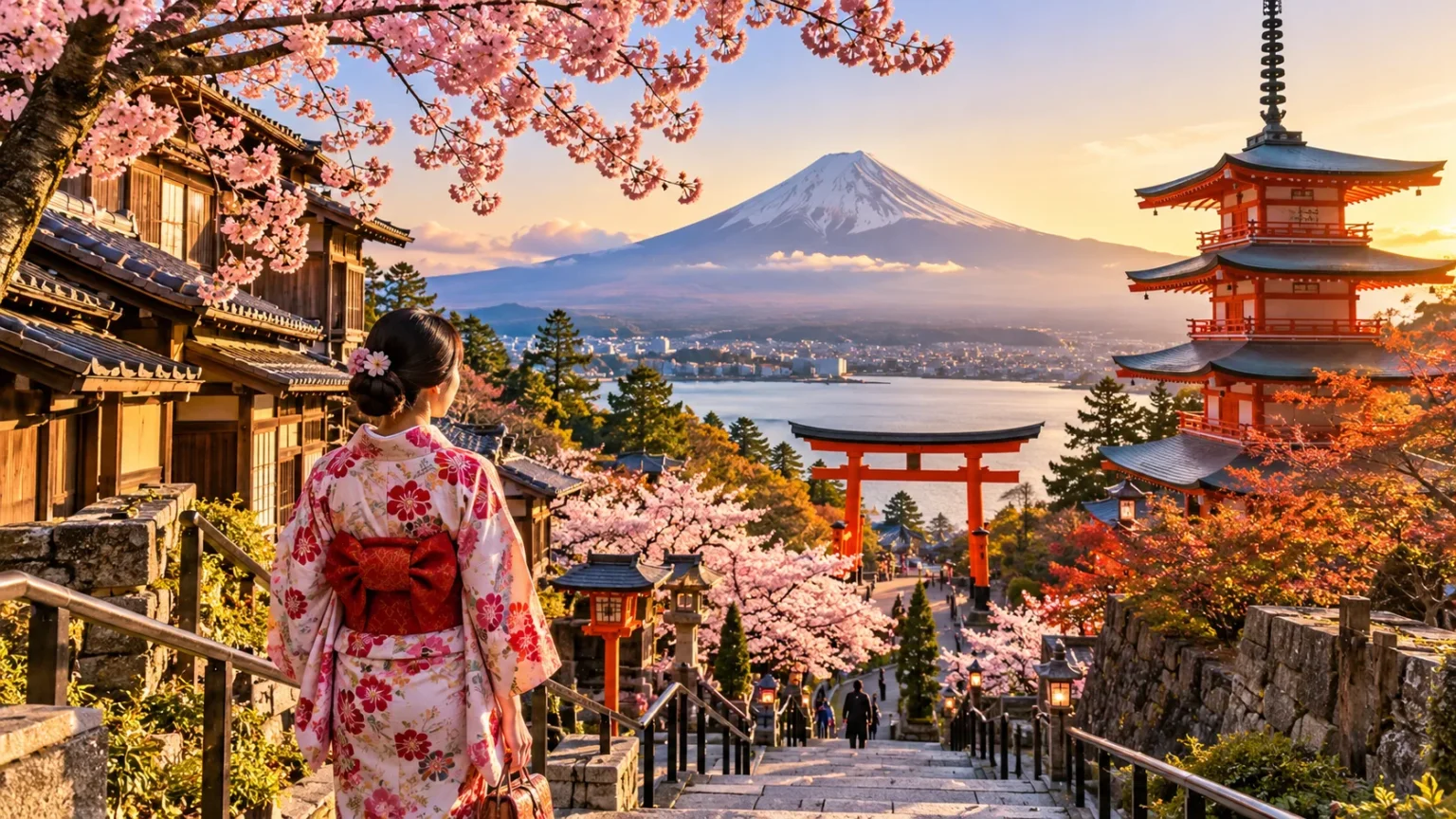
Japan is one of the most fascinating travel destinations in Asia, offering a remarkable combination of traditional culture, modern cities, and breathtaking natural landscapes. From Tokyo’s lively shopping districts to Kyoto’s peaceful temples, every region provides a different experience. Travelers can explore historic castles, mountain villages, beautiful beaches, and famous cultural attractions throughout the country.
Choosing the best destinations to visit in Japan depends on your interests, travel budget, and available time. Some travelers prefer exploring busy cities filled with restaurants and entertainment, while others enjoy scenic mountains, traditional towns, or relaxing coastal landscapes. Japan’s efficient transportation network also makes visiting several destinations during one trip possible.
Whether you are planning your first journey or returning to discover new places, Japan offers something for every type of traveler. This guide explores the best places to visit in Japan, popular attractions, unforgettable activities, seasonal highlights, and practical travel tips to help you plan an enjoyable adventure.
Tokyo: Experience Japan’s Modern Capital
Tokyo is Japan’s capital and one of the most exciting destinations for travelers interested in modern culture, shopping, entertainment, and historic attractions. The city combines towering skyscrapers with peaceful gardens, traditional temples, and lively neighborhoods. Visitors can experience advanced technology while discovering cultural traditions that have shaped Japanese society for centuries.
Popular attractions include Senso-ji Temple in Asakusa, the famous Shibuya Crossing, and the shopping streets of Ginza. Travelers can also explore Shinjuku, admire city views from observation decks, and visit the green surroundings of Meiji Jingu. Each neighborhood has a distinctive atmosphere, making Tokyo an excellent destination for varied sightseeing experiences.
Tokyo is particularly convenient for first-time visitors because of its extensive railway and subway network. Spring and autumn often provide comfortable temperatures for exploring outdoor attractions. However, major tourist areas can become crowded during holidays and cherry blossom season. Planning activities by neighborhood helps reduce unnecessary transportation time.
Kyoto: Discover Traditional Japanese Culture
Kyoto is one of Japan’s most culturally significant destinations, famous for its historic temples, traditional streets, beautiful gardens, and ancient shrines. As Japan’s former imperial capital, the city preserves important architectural and cultural heritage. Visitors can explore peaceful religious sites while experiencing traditional Japanese design, crafts, and seasonal celebrations.
Fushimi Inari Taisha is one of Kyoto’s most recognizable attractions, known for its pathways lined with red torii gates. Other popular destinations include Kiyomizu-dera Temple, Arashiyama Bamboo Grove, and the historic Higashiyama district. Travelers can also explore traditional gardens and visit cultural museums. Kyoto offers numerous opportunities to appreciate Japan’s historical traditions.
Spring brings beautiful cherry blossoms, while autumn transforms the city’s gardens and wooded areas into colorful landscapes. These seasons attract large crowds, particularly around famous temples. Visiting popular attractions earlier in the day can provide a quieter experience. Travelers should also respect local photography restrictions and residential areas.
Osaka: Explore Food, Shopping, and Entertainment
Osaka is a lively Japanese city known for its welcoming atmosphere, exciting entertainment districts, and distinctive local food culture. Located in the Kansai region, it offers a different experience from Tokyo and Kyoto. Modern shopping centers, historic landmarks, and colorful streets make Osaka particularly appealing to travelers seeking urban adventures.
Dotonbori is one of Osaka’s most famous areas, recognized for its illuminated signs, restaurants, and energetic streets. Visitors can explore Osaka Castle, discover the Shinsekai district, and visit family-friendly attractions. Local specialties such as takoyaki and okonomiyaki are also important parts of the city’s culinary identity.
Osaka serves as a convenient base for exploring nearby destinations, including Kyoto, Nara, and Kobe. Railway connections make regional travel relatively straightforward. Visitors should consider staying near a major station to simplify transportation. Because popular entertainment districts can become crowded during evenings and weekends, planning ahead improves the experience.
Mount Fuji: Admire Japan’s Most Famous Mountain
Mount Fuji is one of Japan’s most recognizable natural landmarks and an important symbol of the country’s cultural identity. Rising above surrounding lakes and forests, the mountain attracts visitors interested in scenic landscapes, photography, and outdoor experiences. Its distinctive shape makes it one of Japan’s most photographed destinations.
The Fuji Five Lakes region offers beautiful viewpoints, lakeside scenery, and opportunities to appreciate the mountain from different perspectives. Lake Kawaguchi is particularly popular for its attractive surroundings and tourism facilities. Visitors can also explore nearby museums, traditional attractions, and natural landscapes. Clear weather provides the best opportunities for unobstructed mountain views.
Mount Fuji can be admired throughout the year, although seasonal weather greatly influences visibility and access. The official climbing season is limited, and climbing regulations can change. Travelers should check current restrictions and mountain conditions before planning any ascent. For ordinary sightseeing, the surrounding lake region offers more accessible experiences.
Nara: Meet Friendly Deer and Explore Ancient Temples
Nara is a historic city famous for its ancient temples, traditional gardens, and freely roaming deer. Located near Kyoto and Osaka, it is a popular destination for day trips. The city served as Japan’s first permanent capital and preserves several important cultural landmarks. Its peaceful atmosphere provides an enjoyable contrast to larger urban centers.
Nara Park is the city’s most recognizable attraction, where visitors can observe deer throughout the surrounding grounds. Todai-ji Temple is another major landmark, housing an impressive bronze Buddha statue. Travelers can also explore Kasuga Taisha Shrine and nearby historic streets. These attractions highlight the area’s religious and cultural importance.
Nara is particularly attractive during spring and autumn because of its seasonal scenery. Visitors should remember that the deer are wild animals despite being accustomed to people. Following posted wildlife guidance and keeping personal belongings secure are important precautions. Comfortable walking shoes are useful because several attractions are spread across the park area.
Hiroshima: Experience History and Peaceful Scenery
Hiroshima is an important Japanese destination known for its history, cultural landmarks, and beautiful surrounding landscapes. The city offers opportunities to learn about historical events while exploring modern neighborhoods and nearby coastal attractions. Its museums and memorial spaces encourage reflection on peace and the consequences of war.
The Hiroshima Peace Memorial Park and Peace Memorial Museum are among the city’s most significant attractions. Visitors can also see the Atomic Bomb Dome and explore Hiroshima Castle. Nearby Miyajima Island is famous for Itsukushima Shrine and its distinctive coastal setting. Combining city sightseeing with an island excursion creates a varied itinerary.
Hiroshima is accessible through Japan’s major railway network and can be included in longer journeys across western Japan. Travelers should approach memorial sites respectfully and allow sufficient time to understand their significance. Spring and autumn are popular sightseeing periods. Checking ferry schedules is also useful when planning a visit to Miyajima.
Hokkaido: Discover Mountains, Snow, and Natural Beauty
Hokkaido is Japan’s northernmost main island and one of the country’s most beautiful destinations for nature lovers. The region is famous for expansive landscapes, mountain scenery, national parks, and snowy winters. Its relatively spacious countryside creates a different atmosphere from Japan’s crowded metropolitan areas. Outdoor activities and seasonal scenery are major attractions.
Sapporo is an important starting point for exploring Hokkaido, offering urban attractions, restaurants, and cultural experiences. Visitors can also discover Furano’s flower landscapes, admire the scenery around Biei, and explore natural areas near Daisetsuzan National Park. During winter, the region becomes known for snow festivals and mountain resorts.
Hokkaido experiences colder winters than much of Japan, so clothing and transportation planning are especially important. Summer offers comfortable opportunities for countryside sightseeing in many areas. Winter travel requires additional attention to snow and road conditions. Because destinations can be widely separated, travelers should allow enough time between stops.
Okinawa: Relax on Tropical Beaches
Okinawa is a beautiful island region in southern Japan, famous for turquoise waters, sandy beaches, coral reefs, and distinctive cultural traditions. Its subtropical climate provides a completely different atmosphere from the country’s mountainous northern regions. Travelers visit Okinawa to enjoy coastal scenery, island communities, and relaxing outdoor experiences.
Popular attractions include Okinawa’s beautiful beaches, historic Shuri Castle area, and Okinawa Churaumi Aquarium. The surrounding islands also offer remarkable natural landscapes and marine biodiversity. Visitors can explore cultural museums, discover local cuisine, and enjoy coastal viewpoints. Each island provides slightly different experiences and scenery.
Okinawa is generally warmer than mainland Japan, although rainfall and tropical weather can influence travel plans. Typhoons may affect flights, ferries, and outdoor activities during parts of the year. Travelers should review weather forecasts and transportation updates before island excursions. Protecting coral habitats and following local marine safety rules helps preserve the region’s natural beauty.
Hakone: Enjoy Hot Springs and Scenic Mountain Views
Hakone is a popular mountain destination located within reach of Tokyo, making it attractive for short trips and relaxing getaways. The area is known for natural hot springs, volcanic scenery, mountain landscapes, and views of Mount Fuji. Its combination of nature and traditional hospitality makes it a memorable destination.
Lake Ashi is one of Hakone’s major attractions, offering beautiful water views surrounded by mountains. Visitors can explore the Hakone Open-Air Museum and admire the geothermal landscape around Owakudani where access is permitted. Scenic transport routes provide different perspectives of the region. Traditional inns offer opportunities to experience Japanese hospitality.
Hakone can be visited throughout the year, with each season creating a different atmosphere. Autumn foliage and spring greenery are especially attractive for sightseeing. However, volcanic activity or weather conditions can occasionally affect access to particular attractions. Travelers should check transport operations and local safety guidance before departure.
Kanazawa: Explore Gardens and Historic Neighborhoods
Kanazawa is a cultural destination in central Japan known for traditional architecture, beautiful gardens, and historic neighborhoods. The city preserves elements of Japan’s samurai and merchant heritage while offering modern visitor facilities. Its relatively compact sightseeing areas make it appealing to travelers interested in history and Japanese craftsmanship.
Kenrokuen Garden is one of Kanazawa’s most famous attractions, featuring carefully designed landscapes, ponds, and seasonal plants. Visitors can also explore the Higashi Chaya District, traditional samurai neighborhoods, and Kanazawa Castle Park. Local markets provide opportunities to discover regional food. These attractions highlight the city’s distinctive cultural identity.
Spring and autumn are attractive periods for visiting Kanazawa, although the city’s gardens remain interesting throughout the year. Winter can bring snow and wet weather, creating beautiful scenery but requiring suitable clothing. Many central attractions are accessible by local buses or walking. Allowing time for slower exploration helps visitors appreciate the historic atmosphere.
Takayama: Discover Traditional Mountain Town Life
Takayama is a charming mountain town in central Japan, known for its preserved streets, traditional houses, and cultural heritage. Located in the Hida region, it offers a slower-paced experience compared with major cities. Its historic architecture and surrounding mountains make it particularly appealing to travelers interested in traditional Japanese environments.
The Sanmachi historic district is one of Takayama’s main attractions, featuring narrow streets and traditional wooden buildings. Visitors can explore morning markets, local museums, and historic residences. The nearby Hida Folk Village showcases traditional architecture and regional lifestyles. These attractions provide opportunities to learn about mountain communities and cultural traditions.
Takayama experiences cold winters and pleasant seasonal changes, so clothing requirements vary throughout the year. Spring and autumn are popular because of cultural festivals and attractive scenery. Accommodation can become limited during major events. Travelers should also consider transportation connections when combining Takayama with nearby mountain destinations.
Nikko: Visit Beautiful Shrines and Waterfalls
Nikko is a scenic destination north of Tokyo, famous for ornate shrines, mountain landscapes, waterfalls, and forested surroundings. Its combination of cultural heritage and natural beauty makes it a popular excursion. Travelers can experience impressive historical architecture while exploring the landscapes of Nikko National Park.
Nikko Toshogu Shrine is one of the region’s most important attractions, featuring elaborate decorative details and historic structures. Visitors can also explore Lake Chuzenji, admire Kegon Falls, and discover scenic mountain viewpoints. The area contains hiking routes and natural hot spring destinations. These attractions make Nikko appealing to both cultural travelers and nature enthusiasts.
Autumn is especially popular because the surrounding forests display vibrant seasonal colors. Spring and summer also provide opportunities for sightseeing and outdoor exploration. Mountain roads and attractions can become crowded during peak foliage periods. Visitors should plan transportation carefully because some natural landmarks are located far from central Nikko.
Kamakura: Explore Coastal Temples and Historic Streets
Kamakura is a historic coastal city south of Tokyo, known for its Buddhist temples, shrines, and attractive seaside environment. The city was once an important political center in Japan and retains many cultural landmarks. Its relatively relaxed atmosphere makes it an appealing destination for travelers seeking history outside the capital.
The Great Buddha of Kamakura is one of the city’s most recognizable attractions. Visitors can also explore Hasedera Temple, Tsurugaoka Hachimangu Shrine, and traditional shopping streets. Coastal areas provide opportunities to enjoy sea views and scenic walks. The combination of historic landmarks and natural surroundings makes Kamakura especially interesting.
Kamakura is accessible by train from Tokyo, making it suitable for a day trip. Popular attractions can become busy during weekends, holidays, and seasonal events. Comfortable shoes are useful because sightseeing often involves walking between temples and neighborhoods. Visitors should also follow posted guidance when exploring coastal areas during changing weather conditions.