

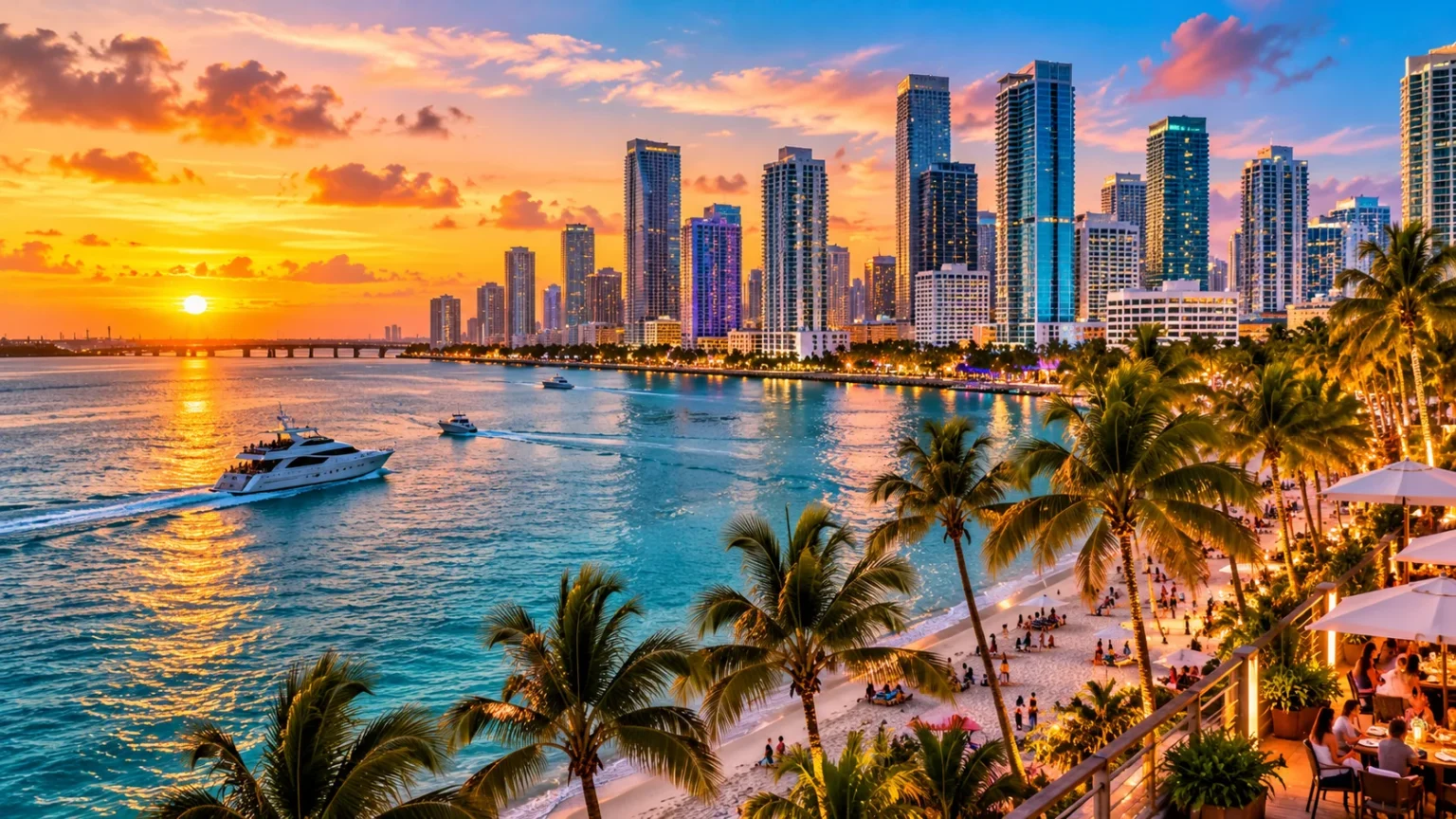
Miami is one of Florida’s most exciting travel destinations, known for its beautiful beaches, tropical weather, colorful neighborhoods, and vibrant cultural atmosphere. Located along the southeastern coast of the United States, the city offers a remarkable combination of natural beauty, modern attractions, and historic landmarks. Whether you enjoy relaxing by the ocean or exploring local culture, Miami offers memorable experiences.
The best things to do in Miami include visiting South Beach, exploring the Wynwood Arts District, discovering Cuban culture in Little Havana, and enjoying views of Biscayne Bay. Travelers can also explore museums, tropical gardens, waterfront parks, and historic neighborhoods. Each attraction reveals a different side of the city’s personality.
Planning a Miami vacation requires considering the weather, transportation, accommodation, and the activities you want to experience. Some attractions are located close together, while others require additional travel time. This guide explores Miami’s top attractions, outdoor adventures, family-friendly destinations, cultural experiences, and practical tips for organizing an enjoyable trip.
Relax on the Beautiful Shores of South Beach
South Beach is one of Miami’s most famous attractions, known for its white sandy shoreline, turquoise water, and colorful Art Deco buildings. Located in Miami Beach, a separate city connected to mainland Miami, the area attracts visitors throughout the year. Its combination of beautiful coastal scenery and urban entertainment makes it a popular destination.
Visitors can spend time walking along the shoreline, photographing colorful lifeguard towers, or exploring nearby cafés and shops. Ocean Drive runs parallel to the beach and features distinctive historic architecture. The surrounding neighborhood also offers public parks and pedestrian-friendly streets. These attractions make South Beach appealing beyond its oceanfront setting.
Early mornings often provide a quieter experience, especially during busy holiday periods. Travelers should bring sunscreen, drinking water, and comfortable beach essentials. Ocean conditions can change, so swimming should take place in designated areas while following lifeguard instructions. Checking local beach warnings helps visitors enjoy the coastline more safely.
Explore the Colorful Wynwood Arts District
Wynwood is one of Miami’s most creative neighborhoods, famous for its large murals, contemporary art, and colorful urban atmosphere. Former industrial buildings now feature impressive artistic designs and cultural attractions. The district has become a popular destination for travelers interested in photography, modern art, and distinctive neighborhood experiences.
Wynwood Walls is a well-known attraction featuring large-scale murals created by artists from different backgrounds. Beyond the main venue, visitors can discover outdoor artwork, independent galleries, and creative spaces throughout the neighborhood. Local restaurants and cafés provide opportunities to relax between sightseeing stops. The streets offer numerous interesting photographic subjects.
Daytime is particularly convenient for exploring Wynwood’s murals and walking between attractions. Visitors should wear comfortable shoes and prepare for Miami’s warm weather. Some galleries and exhibitions charge admission, while many outdoor murals can be viewed from public streets. Checking opening hours helps avoid disappointment when visiting specific venues.
Discover Cuban Culture in Little Havana
Little Havana is one of Miami’s most culturally distinctive neighborhoods, known for its Cuban-American heritage, traditional food, music, and community atmosphere. Located west of Downtown Miami, the neighborhood preserves important cultural traditions. Visitors can experience a different side of the city while learning about its diverse communities and history.
Calle Ocho, or Southwest Eighth Street, is the heart of Little Havana. Travelers can explore local shops, admire street artwork, and visit Domino Park, officially called Máximo Gómez Park. Traditional cafés and restaurants introduce visitors to Cuban flavors and culinary traditions. The neighborhood’s cultural landmarks make walking tours particularly interesting.
Visitors should allow time to explore the area at a relaxed pace rather than rushing between attractions. Daytime visits provide good opportunities for sightseeing and photography. Respecting local residents and asking permission before photographing individuals helps create a positive experience. Little Havana is an excellent place to discover Miami’s multicultural identity.
Walk Along Ocean Drive and Admire Art Deco Architecture
Ocean Drive is one of Miami Beach’s most recognizable streets, celebrated for its colorful buildings, palm trees, and historic architecture. The surrounding Art Deco Historic District contains an impressive collection of buildings developed during the twentieth century. Their distinctive shapes, decorative details, and pastel colors create a memorable coastal atmosphere.
Walking along Ocean Drive allows visitors to admire architectural styles that reflect Miami Beach’s history. The Art Deco Welcome Center provides educational information about the district’s development. Travelers can also discover nearby historic streets, public spaces, and interesting building façades. Guided walking tours offer additional context for architecture enthusiasts.
The area is especially attractive during morning and late-afternoon hours when lighting highlights the colorful buildings. Visitors should remain attentive around busy intersections and pedestrian crossings. Restaurants and shops along the street vary considerably in price. Checking menus before ordering can help travelers manage their sightseeing budgets.
Visit Vizcaya Museum and Gardens
Vizcaya Museum and Gardens is one of Miami’s most beautiful historic attractions, featuring an impressive waterfront estate and carefully landscaped gardens. Located in Coconut Grove, the property reflects European architectural influences and early twentieth-century design. Its grand interiors, decorative artwork, and scenic surroundings create a distinctive cultural experience.
Visitors can explore furnished historic rooms, admire sculptures, and walk through formal gardens overlooking Biscayne Bay. Decorative fountains, terraces, and landscaped pathways provide beautiful photography opportunities. The museum also offers insight into the life of industrialist James Deering, who commissioned the estate. The combination of architecture and gardens makes Vizcaya particularly memorable.
Travelers should allow enough time to appreciate both the indoor exhibitions and outdoor grounds. Comfortable footwear is useful because the garden pathways cover a considerable area. Miami’s heat and occasional rainfall can affect outdoor exploration. Checking current admission details and opening hours before visiting is recommended.
Experience Downtown Miami and Bayfront Park
Downtown Miami combines modern skyscrapers, cultural attractions, and scenic waterfront spaces overlooking Biscayne Bay. The area is an important center for business, transportation, and entertainment. Visitors can explore public parks, admire the skyline, and discover nearby museums. Its urban atmosphere offers a different experience from Miami’s beach neighborhoods.
Bayfront Park is a popular waterfront destination featuring walking paths, open lawns, and views toward the bay. The surrounding area includes shopping, dining, and cultural attractions. Visitors can also explore nearby museums and enjoy views of boats moving through the waterfront. The combination of city scenery and public spaces makes Downtown Miami appealing.
Downtown is served by several public transportation options, including the free Metromover system. This makes exploring central attractions more convenient without relying entirely on private vehicles. Travelers should check service information and plan routes according to their destinations. Morning and evening visits can provide pleasant conditions for waterfront sightseeing.
Explore Bayside Marketplace and Biscayne Bay
Bayside Marketplace is a waterfront shopping and entertainment destination located near Downtown Miami. It offers views of Biscayne Bay, restaurants, retail stores, and access to sightseeing experiences. The surrounding marina and city skyline create an attractive setting for visitors. Its central location makes it convenient to combine with other downtown attractions.
Travelers can explore the waterfront promenade, browse shops, and admire boats along the marina. Sightseeing cruises provide opportunities to view Biscayne Bay and parts of Miami’s skyline from the water. The area also offers casual dining options and public spaces for relaxing. Different activities appeal to families and first-time visitors.
Bayside can become busy during weekends and major tourism periods. Travelers should compare sightseeing cruise schedules and understand ticket conditions before making arrangements. Waterfront weather can change quickly, particularly during rainy months. Checking forecasts helps visitors plan outdoor activities more comfortably.
Visit the Phillip and Patricia Frost Museum of Science
The Phillip and Patricia Frost Museum of Science is a major educational attraction located in Downtown Miami’s Museum Park. It combines interactive science exhibitions, an aquarium, and a planetarium. The museum offers opportunities to learn about natural history, marine ecosystems, space, and scientific discoveries. It is particularly appealing to families and curious travelers.
Visitors can explore exhibitions covering different scientific subjects and observe marine life within the aquarium environment. The planetarium presents educational experiences related to astronomy and space exploration. Interactive displays encourage visitors to engage with scientific concepts. The museum’s location also provides convenient access to nearby waterfront attractions.
Indoor attractions such as Frost Science are useful during hot afternoons or rainy weather. Families should allow sufficient time to explore multiple exhibition areas. Admission prices and planetarium schedules may vary according to the selected experience. Checking the museum’s current visitor information helps create a more organized itinerary.
Discover Art at Pérez Art Museum Miami
Pérez Art Museum Miami, commonly called PAMM, is a contemporary art museum overlooking Biscayne Bay. The museum showcases modern and contemporary artworks from different cultural backgrounds. Its architecture incorporates open spaces, greenery, and beautiful waterfront views. Art enthusiasts can discover creative exhibitions while enjoying the surrounding urban landscape.
The museum features changing exhibitions, paintings, sculptures, installations, and other artistic presentations. Visitors can explore galleries that examine cultural identity, contemporary society, and artistic expression. Outdoor spaces also provide attractive views of the bay. The museum’s location near Frost Science makes combining both attractions convenient.
Exhibition availability changes throughout the year, so travelers should check current schedules before visiting. Some displays may require additional planning depending on events or special programs. The museum provides a quieter cultural alternative to Miami’s busy beaches. It is particularly suitable for visitors interested in contemporary art and architecture.
Explore the Natural Beauty of Key Biscayne
Key Biscayne is a beautiful island community located southeast of mainland Miami, known for scenic beaches, waterfront parks, and natural surroundings. Its quieter atmosphere provides a pleasant contrast to busy urban districts. Visitors can enjoy coastal scenery, walking paths, and recreational spaces while experiencing another side of South Florida.
Crandon Park is a popular attraction offering beach access, green spaces, and coastal views. Bill Baggs Cape Florida State Park is another notable destination, featuring natural landscapes and the historic Cape Florida Lighthouse. These locations provide opportunities for sightseeing, nature photography, and relaxing outdoor experiences. The surrounding coastal environment supports various wildlife species.
Travelers should prepare for warm temperatures and strong sunshine when visiting Key Biscayne. Beach conditions and park access may change because of weather or maintenance. Some locations charge entrance fees or have designated operating hours. Checking current park information helps visitors plan a comfortable day trip.
Enjoy Nature at Fairchild Tropical Botanic Garden
Fairchild Tropical Botanic Garden is a beautiful attraction in Coral Gables, offering an extensive collection of tropical plants and landscaped gardens. The property provides an educational environment where visitors can learn about plant diversity and conservation. Its peaceful pathways and natural scenery make it appealing to travelers seeking a quieter outdoor experience.
Visitors can admire palm collections, flowering plants, and carefully designed garden spaces. Seasonal exhibitions and educational programs may provide additional opportunities to learn about tropical ecosystems. Photography enthusiasts will find numerous interesting landscapes throughout the property. The garden offers a refreshing contrast to Miami’s busy commercial districts.
Because much of the experience takes place outdoors, comfortable footwear and sun protection are important. Visitors should carry drinking water and allow time for walking between garden areas. Seasonal weather can affect the appearance of different plants. Checking operating hours and available exhibitions helps travelers make the most of their visit.
Explore Coconut Grove’s Relaxed Neighborhood
Coconut Grove is one of Miami’s oldest neighborhoods, known for its leafy streets, waterfront scenery, and relaxed atmosphere. The area combines historic landmarks, local shops, restaurants, and public parks. Its distinctive character appeals to travelers seeking a quieter alternative to Miami’s busiest tourist districts.
Visitors can explore CocoWalk, discover local boutiques, and spend time in waterfront green spaces. Peacock Park is a popular public area, while the neighborhood’s historic sites provide insight into Miami’s past. Nearby attractions include Vizcaya Museum and Gardens and The Barnacle Historic State Park. These destinations offer a balance of culture and outdoor relaxation.
Coconut Grove is particularly enjoyable for leisurely walks during cooler parts of the day. Travelers should consider combining several nearby attractions into one itinerary. Some streets are shaded by mature trees, but Miami’s humidity can still make walking tiring. Comfortable clothing and occasional breaks improve the sightseeing experience.
Visit Coral Gables and the Venetian Pool
Coral Gables is a distinctive city within the Miami metropolitan area, famous for Mediterranean-inspired architecture, tree-lined streets, and elegant public spaces. Its historic buildings create a different atmosphere from Miami’s modern downtown skyline. Visitors can explore attractive neighborhoods, cultural landmarks, and landscaped surroundings.
The Venetian Pool is one of Coral Gables’ most recognizable attractions, featuring a historic swimming complex created from a former coral rock quarry. Other popular destinations include Miracle Mile, local museums, and beautiful architectural landmarks. The area’s design reflects carefully planned urban development. Walking through central Coral Gables reveals numerous interesting buildings and public spaces.
Travelers should check admission requirements and seasonal operating schedules before visiting the Venetian Pool. Capacity limits and age-related swimming rules may apply. Coral Gables also offers restaurants and shopping opportunities that can be combined with sightseeing. Planning transportation is useful because attractions are spread across different parts of the city.
Take a Day Trip to Everglades National Park
Everglades National Park is one of South Florida’s most remarkable natural destinations, protecting extensive wetlands, mangrove forests, and unique wildlife habitats. Located southwest of Miami, it offers a striking contrast to the city’s beaches and skyscrapers. The park is internationally recognized for its ecological importance and distinctive subtropical environment.
Visitors can explore designated boardwalks, scenic trails, and visitor centers that explain the Everglades ecosystem. Wildlife observation is a major attraction, with opportunities to see birds, turtles, and alligators from appropriate distances. Ranger-led educational programs may also be available. Different park entrances provide access to different landscapes and visitor experiences.
The cooler, drier months often provide more comfortable conditions for outdoor exploration. Mosquito activity, heat, and rainfall can be significant during wetter periods. Travelers should stay on designated routes and avoid approaching or feeding wildlife. Checking official park conditions helps identify accessible trails and suitable activities before departure.
Best Time to Visit Miami
The best time to visit Miami depends on your preferred weather, budget, and activities. December through April generally brings warmer-than-winter temperatures, lower humidity, and pleasant conditions for sightseeing. These months are especially popular with visitors seeking sunshine. However, accommodation prices may increase during busy holiday and vacation periods.
Summer brings hot temperatures, higher humidity, and frequent afternoon thunderstorms. The Atlantic hurricane season officially runs from June through November, making weather monitoring particularly important. Rainfall does not necessarily prevent sightseeing, but outdoor plans may require flexibility. Indoor museums and cultural attractions provide alternatives during unfavorable weather.
Spring and late autumn can offer a balance between comfortable sightseeing conditions and visitor demand. Travelers should compare accommodation prices and seasonal events before selecting dates. Weather can vary from year to year, so forecasts remain important. Flexible itineraries help visitors adjust activities when temperatures, storms, or transportation conditions change.
Essential Travel Tips for Visiting Miami
Miami is a large metropolitan area, so transportation planning can make sightseeing easier. Renting a vehicle may be useful for exploring distant attractions, but parking can be expensive in popular districts. Public transportation, rideshare services, and the free Downtown Metromover provide alternatives. Travelers should compare routes according to their accommodation and planned destinations.
Miami’s tropical climate makes sun protection and hydration especially important. Lightweight clothing, comfortable walking shoes, and sunscreen are useful for everyday sightseeing. Visitors should also pay attention to beach warnings and changing ocean conditions. Following lifeguard instructions and respecting designated swimming areas can help reduce avoidable risks.
Travel budgets can vary significantly depending on accommodation, dining, transportation, and attraction choices. Free activities include exploring public beaches, walking through cultural neighborhoods, and visiting certain waterfront parks. Booking popular attractions in advance can also simplify planning. Combining nearby destinations helps reduce travel time and makes exploring Miami more enjoyable.
Conclusion
Miami offers an exciting combination of tropical beaches, cultural neighborhoods, historic architecture, and modern attractions. From relaxing at South Beach to exploring Wynwood’s colorful murals, visitors can experience different sides of the city. Little Havana, Vizcaya Museum and Gardens, and Downtown Miami provide additional opportunities to discover its cultural heritage and distinctive atmosphere.
The best things to do in Miami depend on your interests and travel schedule. Families may enjoy science museums and botanical gardens, while nature enthusiasts can explore Key Biscayne and the Everglades. Travelers interested in local culture can discover historic neighborhoods and creative districts. Planning activities by location makes sightseeing more convenient.
Whether you are visiting for a weekend or spending an entire week in South Florida, Miami offers memorable experiences throughout the year. Understanding seasonal weather, transportation options, and local attractions helps create a successful itinerary. With thoughtful preparation, travelers can enjoy Miami’s beautiful coastline, diverse culture, and remarkable outdoor destinations.
Frequently Asked Questions
What Are the Best Things to Do in Miami for First-Time Visitors?
First-time visitors should consider South Beach, Wynwood Walls, Little Havana, Ocean Drive, and Bayside Marketplace. These attractions provide a combination of beaches, local culture, historic architecture, and waterfront scenery.
How Many Days Do You Need to Explore Miami?
Three to four days can cover several major Miami attractions. A longer stay of five to seven days allows additional time for museums, beaches, neighborhood exploration, and nearby natural destinations.
What Is the Best Month to Visit Miami?
February, March, and April are popular for comfortable sightseeing weather. However, accommodation prices and crowds may be higher. Summer is hotter and more humid, with greater rainfall and tropical storm considerations.
What Are the Best Free Things to Do in Miami?
Popular free activities include walking along South Beach, exploring public murals in Wynwood, visiting Bayfront Park, and discovering Little Havana. Some museums and cultural venues also offer complimentary admission opportunities.
Is Miami a Good Destination for Families?
Yes, Miami offers family-friendly attractions such as Frost Science, public beaches, botanical gardens, and waterfront parks. Families can also explore cultural neighborhoods and nearby nature destinations with appropriate planning.