
Understanding Extreme Conditions
Adventure travel often involves navigating through environments that can be classified as extreme conditions. Such conditions are defined by various factors, including severe weather, complex terrain, high altitudes, and unique environmental challenges. Recognizing these factors is crucial for selecting the appropriate gear that can enhance safety, comfort, and overall performance during an expedition.
Weather elements, including temperature fluctuations, high winds, precipitation, and even humidity levels, are primary considerations for adventure travelers. For instance, sub-zero temperatures necessitate specialized insulation materials and advanced layering systems to retain body heat. Conversely, hot and humid climates demand breathable fabrics and moisture-wicking properties to ensure comfort and reduce the risk of heat-related illnesses.
Terrain is another critical factor affecting adventure travel gear selection. Rugged landscapes such as mountains, deserts, or forests often present unique challenges, requiring specialized footwear, climbing gear, or navigation tools. In rocky environments, for example, sturdy and low-profile hiking boots with excellent grip help ensure stability and reduce the chances of injury.
Altitude presents its own set of challenges. As elevation increases, the air becomes thinner, which can lead to decreased oxygen levels. Adventure travelers exploring high-altitude regions should consider using gear tailored to this environment, such as hydration systems designed for low temperatures and oxygen masks if required. These adaptations are vital for maintaining both physical performance and overall health.
Additionally, environmental challenges, such as wildlife encounters or natural disasters, can greatly influence gear choice. Adventure travelers should therefore equip themselves with multi-functional tools that serve both safety and practical needs. By understanding these extreme conditions, adventurers can make informed decisions that directly impact their expedition’s success and safety.
Essential Gear for Extreme Weather
When embarking on adventure travel in extreme weather conditions, having the right gear is crucial for ensuring safety and comfort. The selection of essential items can significantly affect performance and enjoyment during exploration. One of the foremost pieces of equipment is a high-quality jacket specifically designed for harsh climates. Look for jackets made from waterproof and breathable materials, such as Gore-Tex or similar technologies. These fabrics prevent water ingress while allowing moisture and sweat to escape, helping to maintain body temperature.
Underneath the outer layer, thermal layers play a vital role in insulation. Base layers made from merino wool or synthetic fibers like polyester provide effective moisture wicking and thermal regulation. It is essential to choose thermal clothing that fits snugly without restricting movement, as this plays a pivotal role in maintaining warmth during extremely cold conditions. Additionally, mid-layers should be considered for insulation; options such as fleece or down jackets offer an excellent balance of warmth-to-weight ratio.
It is also important to pay attention to your pants. Insulated or waterproof pants can protect against wind and moisture, preventing chills and discomfort. Accessories like gloves, hats, and neck gaiters should not be overlooked, as they help retain heat in the extremities. When selecting gloves, prioritize options that provide warmth and dexterity, especially if the conditions require handling gear frequently.
Finally, footwear plays a crucial role in extreme weather conditions. Waterproof boots with insulated liners will keep feet dry and warm, offering the necessary grip and stability on potentially slippery surfaces. Opting for boots with adequate ankle support is advisable for navigating rocky or uneven terrain.
Choosing the Right Footwear
When embarking on an adventure in extreme conditions, one of the most crucial decisions lies in selecting the appropriate footwear. The right hiking boots or shoes can significantly influence your performance, comfort, and overall safety. Hence, various factors should be considered to ensure optimal choices are made.
Waterproofing is an essential feature for adventure footwear, especially in wet or unpredictable environments. Properly waterproofed boots prevent moisture from penetrating, keeping your feet dry and comfortable. Look for materials such as Gore-Tex or other specialized membranes that allow for breathability while offering protection from water.
Traction is another vital consideration when selecting adventure footwear. The outsoles of boots should exhibit excellent grip to navigate slippery or rugged terrains safely. Vibram and similar high-performance rubber compounds tend to provide superior traction, reducing the likelihood of slips and falls on challenging surfaces.
Support is an equally important factor, especially in cases where heavy loads are expected. Choose footwear that offers adequate ankle support to prevent injuries during strenuous activities. Hiking boots that encompass the ankle can provide additional stabilization and reduce the risk of sprains, which is essential in extreme conditions.
Breaking in your boots before the actual expedition cannot be overlooked. A rigorous trip without sufficient preparation can lead to blisters and discomfort. It is advisable to wear your boots for shorter hikes or around the house to allow the materials to soften and conform to your foot structure. Proper break-in practices can greatly enhance your experience during an extreme adventure.
In conclusion, selecting the right footwear for extreme adventure conditions involves careful consideration of waterproofing, traction, support, and proper break-in techniques. By prioritizing these factors, adventurers can ensure they are well-equipped to tackle the challenges ahead.
Backpack Optimization for Weight and Utility
Selecting the appropriate backpack for extreme adventure travel is crucial, as it directly impacts both comfort and functionality. When navigating challenging terrains or unpredictable weather, weight distribution becomes a central focus. A well-optimized backpack should evenly distribute weight across the shoulders and hips, minimizing strain and fatigue over extended periods.
One effective approach to achieve this is through the selection of a backpack designed with a supportive suspension system. Features such as adjustable straps and a hip belt are essential. The hip belt should ideally bear a significant portion of the weight, allowing for a more comfortable carry. Look for models with load-lifters and sternum straps, which can help optimize fit and enhance overall stability.
Capacity is another factor to consider. While a larger volume may seem advantageous, it can lead to overpacking and unnecessary weight. Therefore, choose a size that accommodates your essential gear without excess. For extended trips, a capacity ranging from 50 to 70 liters is generally recommended, as it allows for sufficient space while ensuring manageability.
Additionally, integrating hydration systems into the backpack can promote convenience and efficiency. Many modern packs come with built-in hydration reservoirs, allowing for easy access to water without halting your journey. Keeping hydration close at hand is particularly important in extreme conditions, where maintaining fluid intake is vital.
Lastly, consider gear organization features. Internal compartments, pockets, and attachment points can greatly enhance the ease of access to essential items. Ensure that vital equipment, such as first aid supplies and navigation tools, are readily available, and design your packing strategy to create a systematic approach to gear accessibility.
Tools and Equipment for Safety and Navigation
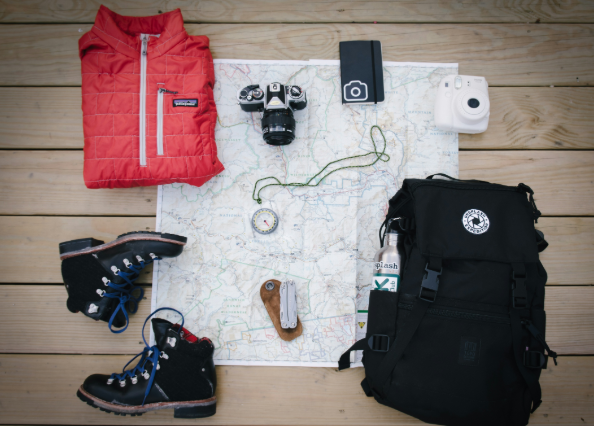
When venturing into extreme conditions during adventure travel, possessing the proper tools and equipment for safety and navigation becomes indispensable. Start with traditional tools such as maps and compasses, which provide a reliable means of orientation even when electronic devices fail. A detailed map of your area should be with you at all times, highlighting potential hazards and routes. Maps are not reliant on batteries, making them a trustworthy alternative in remote locations.
In addition to maps, a compass is an essential navigational tool that aids in maintaining your sense of direction. Familiarize yourself with its use before your journey to ensure you can utilize it effectively under pressure. These classic navigation methods should be complemented with modern technology, such as Global Positioning System (GPS) devices. GPS units can provide real-time location data, allowing for precise movements and route planning. However, it is crucial to remember that electronic devices can be susceptible to battery failure and may not work in all environments, especially in densely forested or mountainous areas.
Equally vital is the inclusion of first-aid equipment in your gear. Accidents can happen, and having a well-stocked first aid kit can be the difference between a minor incident and a serious situation. Ensure that your kit is tailored to your specific adventure and includes materials such as bandages, antiseptics, pain relievers, and any personal medication necessary for your health needs.
When packing these vital tools, prioritize lightweight and multifunctional gear. Consider choosing compact maps that can be easily folded and stowed, as well as GPS devices that offer rugged durability. After ensuring all safety and navigational equipment is present, review their usage and functionalities to guarantee confidence in their deployment during your adventure.
Layering Techniques for Versatility
Layering techniques are critical for adventure travel, especially when exposed to extreme conditions. The principle behind layering is simple yet effective: it allows travelers to adjust their clothing in response to varying environmental conditions, ensuring effectiveness in insulation, breathability, and moisture management. A well-organized layering system consists of three essential components: base layers, insulating layers, and outer layers.
The first layer, the base layer, is in direct contact with the skin and serves the crucial function of managing moisture. It is designed to wick sweat away from the body, helping to regulate temperature and keep the skin dry. Materials such as merino wool, polyester, or nylon are commonly recommended for base layers due to their lightweight, moisture-wicking properties. Choosing a snug fit is advisable; this allows the base layer to perform effectively without being restrictive.
Next, insulating layers provide warmth by trapping heat close to the body. These layers can vary in thickness and material, with options ranging from fleece jackets to down or synthetic insulated options. The key is to select insulating materials that offer a good balance between warmth, weight, and compressibility. It is important to consider the specific activities planned; for instance, high-intensity pursuits may require less insulation to prevent overheating.
Finally, the outer layer serves as a protective shield against wind, rain, and snow. Usually made from waterproof or water-resistant materials, outer layers are designed to safeguard the underlying layers from harsh weather elements while also allowing moisture to escape. Look for features such as adjustable cuffs, hoods, and ventilation zippers, which enhance adaptability to changing weather conditions.
Overall, the success of layering techniques relies on proper integration and selection of materials. This thoughtful arrangement not only ensures comfort during adventures but also promotes an efficient way to adapt to the unpredictability that often accompanies extreme environments.
Food and Hydration Strategies
When embarking on adventure travel in extreme conditions, ensuring sufficient nutrition and hydration is critical for maintaining energy levels and overall performance. The optimal food choices should be lightweight yet rich in calories, enabling travelers to endure extended physical activities without unnecessary weight burdens.
High-calorie snacks are ideal for adventure expeditions. Options such as nut butters, trail mixes, and energy bars provide a compact yet potent source of fuel. Dehydrated meals can also be valuable, as they are lightweight and only require hot water to prepare, making them a practical choice for extreme environments. When selecting food, it is essential to consider the balance of macronutrients; a combination of carbohydrates, fats, and proteins will sustain energy levels effectively. Additionally, incorporating electrolyte-rich products can assist in maintaining hydration and replenishing lost salts.
Hydration is equally paramount, particularly in harsh climates where sweat loss can be exacerbated. Using portable water filters is an effective solution, allowing adventurers to convert natural water sources into safe drinking options. These filters are usually compact and designed for durability, making them suitable for rugged terrains. Moreover, carrying collapsible water containers simplifies the process of storing and transporting filtered water.
It’s advisable to establish a hydration schedule, consuming small amounts regularly to prevent dehydration. Drinking before, during, and after physical exertion ensures the body maintains the necessary fluid levels. Also, consider alternatives like electrolyte tablets or powders that can be added to your water, enhancing flavor and providing essential minerals. By implementing these strategic food and hydration practices, adventurers can optimize their performance and enjoy their expeditions even in extreme conditions.
Emergency Gear Considerations
When embarking on an adventure travel expedition, particularly in extreme conditions, the importance of having the right emergency gear cannot be overstated. One of the first items to consider is a well-equipped survival kit. This kit should include essential tools such as a multi-tool, first-aid supplies, and provisions for water purification. Additionally, including food rations, such as high-energy bars, can provide crucial sustenance in emergencies. The survival kit should be tailored to the specific environment and climate to maximize its effectiveness.
Another vital consideration is having reliable signaling devices. These devices serve as crucial communication tools in emergencies, allowing expeditions to signal for help if they encounter obstacles or require assistance. Options include satellite phones, personal locator beacons (PLBs), or even reflective mirrors to catch the attention of rescuers from afar. It is advisable to familiarize oneself with how to operate these devices prior to any adventure, ensuring they are effective when the need arises.
Additionally, emergency blankets are lightweight yet indispensable items that can significantly impact survival outcomes. These thermal blankets retain body heat in extremely cold conditions and can be used as a shelter in inclement weather. Their compact design makes them easy to pack, allowing adventurers to carry them without adding substantial weight to their gear. Furthermore, being prepared with a fire-starting kit can further enhance survival chances, as warmth and cooked food can be critical in emergency situations.
In conclusion, when planning an adventure in extreme conditions, incorporating comprehensive emergency gear is essential for safety and preparedness. An adequately equipped survival kit, effective signaling devices, and thermal blankets are just a few examples of how one can prepare for unexpected situations, thereby enhancing the overall safety of the adventure travel experience.
Packing Techniques for Efficiency
Packing for adventure travel necessitates careful consideration, particularly when optimized for extreme conditions. To begin with, utilizing a modular packing system can significantly enhance efficiency. This involves categorizing equipment into clearly defined compartments, which not only maximizes space but also aids in organization. For instance, employing packing cubes or dry bags allows travelers to segregate clothing, cooking gear, and essential tools, facilitating quick access during active excursions.
Another effective strategy is to prioritize gear based on frequency of use. Items required regularly, such as snacks, hydration systems, or first-aid kits, should be packed in easily accessible outer pockets or the top of the main bag. Conversely, infrequent items, such as extra layers or backup equipment, can be stored deeper within the pack. This arrangement allows adventurers to quickly reach for essentials without the need for digging through layers of gear.
Moreover, employing compression bags can assist in reducing the overall volume of clothing and sleeping bags, freeing up space for other vital equipment. Keeping heavier items, like cooking gear, towards the bottom of the pack helps in maintaining balance while traveling. Utilization of versatile items, such as a multifunctional tool, can also minimize the need for carrying several gadgets, thus optimizing weight distribution within the pack.
Finally, it is crucial to regularly reassess and adjust packing techniques based on previous trips. This iterative process can reveal patterns in usage and help in identifying superfluous items, ultimately refining the packing list for future adventures. By integrating these packing techniques, adventurers can achieve a streamlined setup that promotes ease of movement and accessibility, crucial aspects for successful exploration in extreme environments.