

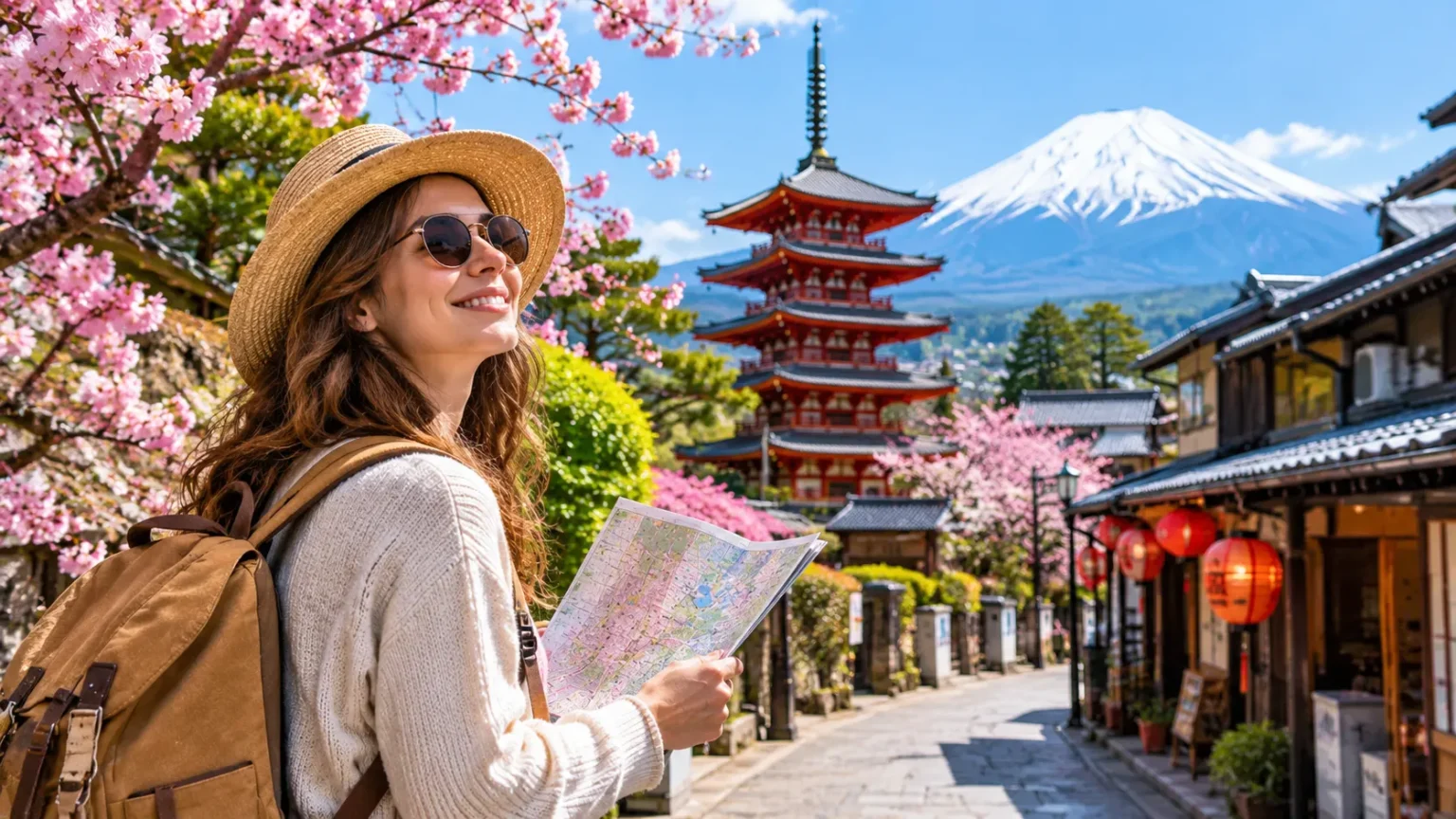
Planning a trip to Japan can feel exciting and overwhelming at the same time. From busy streets in Tokyo to peaceful temples in Kyoto, Japan offers incredible experiences for every type of traveler. However, choosing destinations, arranging transportation, and managing travel expenses require proper preparation. Understanding how to plan a trip to Japan makes the entire experience easier, more organized, and enjoyable.
Whether you are visiting Japan for the first time or returning to explore new destinations, a clear travel plan can save time and reduce unnecessary expenses. Japan is known for its beautiful landscapes, rich culture, delicious food, and efficient transportation. With the right itinerary and preparation, you can experience both traditional and modern attractions. This complete Japan travel guide explains the essential steps for planning a memorable vacation.
Decide the Best Time to Visit Japan
Choosing the best time to visit Japan is one of the first decisions when planning your vacation. Japan experiences four distinct seasons, each offering different weather conditions and activities. Spring is particularly popular because cherry blossoms decorate parks, streets, and historical sites. Many travelers visit between March and May to enjoy comfortable temperatures and beautiful natural scenery.
Autumn is another excellent season for exploring Japanese cities and countryside destinations. Between September and November, colorful leaves transform mountains, gardens, and temples into attractive landscapes. The weather often becomes more comfortable for walking and outdoor sightseeing. However, popular destinations may experience larger crowds during peak autumn foliage periods, especially in October and November.
Summer brings festivals, fireworks, and outdoor celebrations, although temperatures can become hot and humid. Winter offers skiing, snowy landscapes, and relaxing hot springs in colder regions. Travelers interested in fewer crowds may consider selected periods outside major holidays. Your ideal travel season depends on your preferred activities, budget, and tolerance for different weather conditions.
Choose How Many Days to Spend in Japan
Deciding how long to stay in Japan helps determine which destinations you can realistically explore. A seven-day Japan itinerary is suitable for travelers who want to focus on one or two major cities. Tokyo and nearby attractions can provide enough experiences for an entire week. Spending less time changing hotels allows you to enjoy sightseeing without unnecessary travel pressure.
A ten-day Japan itinerary provides more flexibility for visiting popular destinations such as Tokyo, Kyoto, and Osaka. This duration allows time for historical temples, shopping districts, cultural experiences, and local food. Travelers can also include selected day trips without making the schedule too demanding. Planning activities according to distance helps prevent exhausting travel days.
For a more comprehensive experience, consider spending fourteen days or longer exploring Japan. Two weeks can provide opportunities to visit smaller towns, countryside attractions, and additional regions. You can travel at a comfortable pace while experiencing different aspects of Japanese culture. Longer vacations also allow flexibility when weather conditions or unexpected changes affect your original plans.
Select the Best Places to Visit in Japan
Japan has many destinations worth exploring, but choosing too many can make your vacation stressful. Tokyo is an excellent starting point for first-time visitors because it combines modern attractions with traditional neighborhoods. Popular areas include Shibuya, Shinjuku, Asakusa, and Akihabara. Each neighborhood offers a different atmosphere, from shopping and entertainment to historic streets and cultural landmarks.
Kyoto is famous for its traditional architecture, beautiful gardens, and historical temples. Visitors often explore Fushimi Inari Shrine, Arashiyama Bamboo Grove, and the streets surrounding Gion. Osaka is another popular destination, known for its lively atmosphere and local food culture. Its shopping streets and entertainment districts attract travelers interested in experiencing energetic Japanese city life.
Other remarkable destinations include Hiroshima, Nara, Hokkaido, and the Mount Fuji region. Hiroshima provides opportunities to learn about important historical events, while Nara is known for its temples and deer park. Hokkaido attracts visitors interested in nature and winter activities. Choosing destinations based on your interests helps create a meaningful and enjoyable Japan vacation.
Create a Realistic Japan Travel Itinerary
A well-organized Japan travel itinerary helps you use your vacation time efficiently. Begin by selecting your main destinations and estimating how many days each location requires. Group nearby attractions together to reduce unnecessary transportation. This approach allows you to spend more time exploring and less time moving between distant places.
For a ten-day trip, you might spend four days in Tokyo, three days in Kyoto, and two days in Osaka. The remaining day can accommodate travel arrangements or a nearby excursion. This schedule offers a combination of modern city experiences, traditional culture, and local cuisine. However, adjust the itinerary according to your arrival airport and personal interests.
Avoid planning every hour of your vacation because unexpected opportunities can make travel more enjoyable. Popular attractions may require advance reservations, while smaller destinations can be explored spontaneously. Include breaks for meals, shopping, and relaxation. A flexible schedule helps prevent travel fatigue and allows you to appreciate Japan at a comfortable pace.
Set a Budget for Your Japan Vacation
Creating a Japan travel budget is essential for managing expenses throughout your vacation. Your total spending depends on airfare, accommodation, transportation, meals, attractions, and shopping. Costs also vary according to the season and destinations you choose. Estimating these expenses before departure helps you avoid financial surprises during your trip.
Accommodation often represents a significant portion of travel expenses, especially in popular cities. Budget hotels, hostels, and business hotels can provide more affordable alternatives to luxury properties. Food expenses are flexible because Japan offers everything from inexpensive casual restaurants to premium dining experiences. Public transportation can also help control costs when planned carefully.
Set aside additional money for emergencies, luggage storage, and unexpected travel changes. Compare prices in Japanese yen rather than relying entirely on converted estimates. Exchange rates can change, affecting the final amount paid in your home currency. A realistic budget should balance necessary expenses with the experiences you most want to enjoy.
Check Japan Visa and Travel Requirements
Understanding Japan’s entry requirements is an important step before purchasing nonrefundable travel arrangements. Visa rules depend on your nationality, passport type, travel purpose, and intended length of stay. Some travelers qualify for short-term visa exemptions, while others must apply in advance. Always verify the requirements that apply to your specific passport.
Check passport validity, visa application procedures, and any required supporting documents before your departure. Depending on your circumstances, authorities may request travel details, accommodation information, or evidence of sufficient financial resources. Visa processing arrangements can differ by location. Submitting accurate information and allowing enough preparation time can reduce complications.
Travel insurance is another important consideration when preparing for an international vacation. Suitable coverage may help with unexpected medical expenses, travel interruptions, and other eligible emergencies. Review the policy conditions carefully because exclusions and coverage limits vary. Keep accessible copies of your passport, travel documents, insurance details, and important contact information.
Book Flights and Accommodation in Advance
Booking international flights is often one of the largest financial decisions when planning a trip to Japan. Compare routes, baggage allowances, airport locations, and connection times before selecting a flight. Tokyo has major airports at Haneda and Narita, while Kansai International Airport serves the Osaka region. Your arrival location should ideally match the beginning of your itinerary.
Accommodation choices range from traditional Japanese inns to modern hotels and budget-friendly hostels. Business hotels are particularly common in major cities and may offer convenient locations near railway stations. Traditional ryokan accommodations provide opportunities to experience Japanese hospitality and local customs. Choose properties based on accessibility, comfort, and your preferred travel style.
Booking accommodation early is particularly useful during cherry blossom season, autumn foliage periods, and major holidays. Popular hotels may become more expensive or difficult to reserve when demand increases. Read cancellation policies and check transportation connections before confirming reservations. Staying near convenient train stations can simplify daily sightseeing and reduce travel time.
Understand Transportation in Japan
Japan has an extensive transportation network connecting major cities and regional destinations. Trains, subways, buses, and domestic flights provide different ways to travel across the country. High-speed Shinkansen trains are particularly useful for journeys between major cities. Understanding the basic transportation system before arrival can make your vacation considerably easier.
The Japan Rail Pass may be useful for certain itineraries involving extensive eligible railway travel. However, it is not automatically the most affordable choice for every visitor. Compare the cost of individual train tickets with available passes before purchasing. Some private railways and other services are not covered, so checking route eligibility is important.
Within major cities, prepaid transportation cards such as Suica and PASMO can simplify eligible journeys. These cards allow passengers to pay fares without purchasing separate tickets for every ride. Availability and acceptance can vary by service or region. Navigation applications are also helpful for checking routes, platform information, and estimated travel times.
Explore Japanese Food and Local Dining
Food is an important part of experiencing Japanese culture and exploring different regions. Popular dishes include sushi, ramen, tempura, udon, and traditional rice-based meals. Each destination offers local specialties influenced by regional ingredients and cooking traditions. Exploring Japanese cuisine can make your vacation more memorable without requiring expensive restaurant reservations.
Tokyo provides numerous dining options, ranging from small neighborhood restaurants to busy food markets. Osaka is known for dishes such as takoyaki and okonomiyaki, while Kyoto offers refined traditional cuisine. Convenience stores and casual restaurants also provide affordable meals. Trying different food experiences allows travelers to appreciate Japan’s culinary variety.
Visitors with allergies or dietary restrictions should prepare carefully before ordering unfamiliar dishes. Some meals may contain seafood, meat-based broths, or other ingredients that are not immediately obvious. Translation applications and clearly written dietary information can help improve communication. Researching suitable dining options in advance is particularly useful when following strict dietary requirements.
Learn Japanese Culture and Travel Etiquette
Understanding basic Japanese customs helps travelers interact respectfully with local communities. Politeness, consideration for others, and attention to shared spaces are important aspects of everyday life. Visitors should speak quietly in crowded public transportation and follow signs at tourist attractions. Learning these habits makes unfamiliar situations easier to navigate.
Removing shoes is customary in certain homes, traditional accommodations, and selected cultural establishments. Travelers should also respect photography restrictions at temples, shrines, and other sensitive locations. Some public spaces have specific rules regarding food, noise, or waste disposal. Paying attention to local instructions helps prevent accidental misunderstandings.
Learning a few Japanese phrases can make everyday interactions more comfortable. Simple expressions such as arigatou gozaimasu for thank you and sumimasen for excuse me are particularly useful. Although English support is available in many tourist areas, it may be limited elsewhere. A respectful attitude and willingness to communicate patiently can improve your travel experience.
Prepare Internet Access, Money, and Useful Travel Apps
Reliable internet access can make traveling around Japan much easier. Navigation, translation, hotel confirmations, and transportation updates are often accessed through mobile applications. Travelers can consider compatible eSIM plans, physical SIM cards, or portable Wi-Fi devices. Compare coverage, device compatibility, and data requirements before choosing an option.
Japan uses the Japanese yen, and payment methods vary between businesses. Credit and debit cards are accepted in many locations, but some smaller shops and rural establishments may prefer cash. Carrying a reasonable amount of local currency can be helpful. Check international transaction fees and inform your bank about travel when necessary.
Useful travel applications include mapping services, translation tools, and transportation planners. Downloading offline maps can help when mobile reception is unavailable. Save important addresses in both English and Japanese when possible. Keeping hotel information and emergency contacts accessible without an internet connection provides an additional layer of preparation.
Pack the Right Essentials for Japan
Packing for Japan depends on the season, destinations, and activities included in your itinerary. Spring and autumn often require comfortable clothing with additional layers for changing temperatures. Summer travelers should prepare for heat, humidity, and occasional rain. Winter visitors may need warmer clothing, particularly when exploring northern regions or mountain destinations.
Comfortable walking shoes are especially important because sightseeing can involve long distances between attractions. A lightweight day bag can help carry water, personal items, and necessary travel documents. Consider bringing a compact umbrella and suitable electrical charging equipment. Japan commonly uses Type A electrical outlets, although voltage compatibility should also be checked.
Avoid packing unnecessary items that make transportation and hotel changes difficult. Railway stations and crowded city streets can be challenging when carrying oversized luggage. Some travelers use luggage-forwarding services to move larger bags between accommodations. Packing thoughtfully helps you remain comfortable and flexible throughout your Japan travel experience.
Common Mistakes to Avoid When Planning a Japan Trip
One common mistake is trying to visit too many destinations within a short vacation. Japan has countless attractions, but moving between cities requires time and energy. Overcrowded itineraries can leave travelers feeling exhausted instead of excited. Choosing fewer destinations often creates opportunities for deeper exploration and more relaxed sightseeing.
Another mistake involves assuming every transportation pass provides better value than individual tickets. Travel costs depend on routes, frequency, and the services you actually use. Purchasing an expensive pass without comparing alternatives may increase your budget unnecessarily. Researching your transportation needs before departure can help prevent avoidable expenses.
Ignoring local customs, seasonal conditions, or attraction reservations can also create difficulties. Some popular experiences require advance booking, while certain destinations become crowded during major holidays. Weather may affect outdoor plans or regional transportation services. Preparing alternative activities and maintaining flexibility can make unexpected changes easier to manage.
Conclusion
Learning how to plan a trip to Japan involves choosing suitable travel dates, destinations, accommodation, and transportation. A realistic itinerary helps you explore popular attractions without unnecessary stress. Understanding entry requirements and estimated expenses also supports a smoother journey. Careful preparation allows you to focus more attention on enjoying Japan’s unique culture and beautiful landscapes.
Japan provides something memorable for almost every type of traveler, from vibrant cities to peaceful countryside destinations. Whether you prefer historical temples, local food, modern shopping districts, or natural scenery, there are plenty of experiences to discover. Choosing activities that match your interests makes the trip more meaningful. A flexible schedule can also create room for unexpected adventures.
The most successful Japan vacation plans balance preparation with freedom to explore. Book essential arrangements early, respect local customs, and allow time to experience destinations comfortably. Keep important information accessible and prepare for changing weather or transportation conditions. With thoughtful planning, your journey through Japan can become an enjoyable and unforgettable travel experience.
Frequently Asked Questions
How Much Money Do I Need for a Trip to Japan?
Your budget depends on trip duration, accommodation, transportation, and personal spending habits. Compare current flight and hotel prices, estimate daily expenses in yen, and include extra funds for unexpected costs.
What Is the Best Month to Visit Japan?
April is popular for spring scenery, while October and November attract visitors interested in autumn colors. The ideal month depends on your preferred activities, destinations, weather expectations, and tolerance for crowds.
Is Seven Days Enough to Visit Japan?
Seven days can provide an enjoyable introduction to Japan, especially when focusing on Tokyo or another main destination. Limiting hotel changes and long-distance journeys helps maximize sightseeing time.
Do Tourists Need a Visa to Visit Japan?
Visa requirements depend on nationality, passport type, and intended length of stay. Some travelers qualify for short-term visa exemptions, while others must apply before departure through the appropriate Japanese authorities.
Is Japan Easy to Travel Around for First-Time Visitors?
Japan has extensive public transportation, helpful signage, and well-connected major cities. First-time visitors can make navigation easier by preparing routes, learning basic travel customs, and using reliable mapping applications.