
Choosing Your Destination
Choosing the right destination is a pivotal factor in planning a successful road trip. A well-selected destination can set the tone for the entire adventure, creating lasting memories and fulfilling experiences. When deciding where to go, consider several key aspects, including distance, attractions, and your personal interests.
First, assess how far you are willing to travel. The distance between your starting point and potential destinations should be manageable. A road trip can be a delightful experience, but excessively long stretches of driving can lead to fatigue and diminish enjoyment. It’s also beneficial to look at the routes you might take; sometimes, taking longer scenic paths can add to the adventure.
Next, think about the attractions available at your chosen destination. Are you drawn to natural wonders, historical sites, or bustling city life? Researching what each location offers can help tailor your trip to your specific interests. Websites, travel blogs, and social media platforms provide valuable insights into local attractions that may not be in mainstream travel guides. Reviews and ratings can further guide your choices, ensuring you select places worth visiting.
Another essential aspect is aligning your destination with your personal interests. If you are an outdoor enthusiast, destinations with national parks or hiking trails may be ideal. Alternatively, city lovers might favor urban areas with rich cultural offerings. Consider compiling a list of places that speak to your passions, and prioritize those when making your selection. Input from friends or family can also provide fresh perspectives, enhancing your decision-making process.
In conclusion, taking the time to thoughtfully choose your road trip destination will significantly increase your chances of a rewarding travel experience. By contemplating distance, attractions, and personal interests, you can narrow down your options and ensure your journey is well-suited to your desires. This careful selection process lays the foundation for an unforgettable road trip adventure.
Planning Your Route
Creating an optimal route for your road trip is essential to ensure a memorable journey. Today, technology has made route planning significantly easier, thanks to various navigation apps and digital maps. To start, consider your starting point and final destination. However, the best trips often involve more than just connecting two points; they embrace the journey itself. Thus, a careful selection of stops along the way can transform a simple drive into a scenic adventure.
Utilize specific navigation applications that allow you to customize your route based on preferences. For instance, Google Maps can both calculate the fastest route and suggest alternatives, incorporating considerations such as traffic conditions and weather. Additionally, platforms like Roadtrippers can help discover attractions and hidden gems near your planned path, enabling you to add meaningful experiences to your trip.
While planning your route, it is important to factor in scenic views and interesting stopovers. National parks, historical landmarks, local eateries, and vibrant towns along your way contribute not just to a break from driving, but also to enriching the overall experience. Therefore, set aside time in your itinerary for these diversions. Not only do they break up long stretches of road but also provide opportunities for exploring diverse landscapes and cultures.
Lastly, don’t forget to investigate alternative roads. Traditional highways might offer speed but often lack the charm of lesser-known routes. Exploring winding backroads can unveil breathtaking views and quaint towns that are far removed from bustling interstates. Embracing such routes can enhance the journey, turning a road trip into an adventure full of discovery and joy.
Budgeting for Your Trip
When it comes to planning a perfect road trip adventure, setting a comprehensive budget is crucial. Start by estimating the key expenses you are likely to encounter during your journey, including fuel, accommodations, food, and activities. Understanding these costs will enable you to allocate funds effectively and avoid financial strain.
The first significant expense is fuel. To determine how much you will need to spend, calculate the total distance of your trip and the average fuel efficiency of your vehicle. Websites and mobile applications that track fuel prices can assist you in projecting fuel costs based on current prices in the regions you will traverse.
Next, consider accommodations. While hotel stays are a common choice, alternatives such as camping or utilizing platforms that connect travelers for home exchanges can significantly lower costs. Researching these options before embarking on your journey allows you to gauge the overall expenditure on lodging.
Food is another primary expense that can add up quickly. To manage food costs effectively, consider preparing meals in advance and packing snacks to minimize dining expenses on the road. Eating out occasionally is fine, but creating a balance between eating at restaurants and preparing your own meals will keep costs in check.
Lastly, factor in costs for activities and experiences along your route. Some attractions may have entrance fees, and estimating these will help you maintain a realistic budget. Researching free or low-cost activities, such as hiking or exploring parks, can enhance your experience without straining your finances.
To create a budget, list all expected expenses and set limits for each category. Using budgeting tools or apps can streamline this process and help you monitor your spending. Sticking to your budget requires discipline, so periodically review your expenses during the trip to make any necessary adjustments. By planning ahead and making informed financial decisions, you can enjoy your road trip adventure without overspending.
Packing Essentials for a Road Trip
Packing effectively is a crucial aspect of planning a road trip that can greatly enhance the experience for all travelers involved. To begin with, a well-thought-out packing list ensures that you bring everything you need while minimizing excess baggage. The essentials typically include clothing suitable for the varying climate conditions along the route. Consider versatile garments that can be layered, and don’t forget to include comfortable shoes for sightseeing and activities.
In addition to clothing, consider the inclusion of personal hygiene items such as toiletries, medications, and first-aid supplies. A well-stocked first-aid kit, complete with band-aids, antiseptics, and any necessary prescriptions, should be actively considered, especially when traveling with children or pets. Additionally, packing a refillable water bottle is essential to stay hydrated while on the road.
Groceries provide another opportunity for thoughtful packing. Non-perishable snacks such as trail mix, granola bars, or dried fruit are excellent choices, keeping everyone energized during long stretches without convenient stops. If traveling with children, consider packing their favorite snacks to maintain comfort and avoid unnecessary stops. A cooler can be used for perishable snacks and meals if your journey allows for it.
Furthermore, entertainment is essential, particularly for long drives. Digital devices preloaded with movies, audiobooks, or games will keep travelers, especially children, engaged during the trip. Don’t forget chargers and portable power banks to ensure that devices remain functional. Lastly, ensure that safety gear is included, such as a spare tire, jumper cables, and a basic toolkit, highlighting a preparation for unexpected circumstances on the road.
Vehicle Preparation
Preparing your vehicle is a crucial step in ensuring a successful road trip. Thorough vehicle maintenance can prevent unexpected breakdowns and enhance safety during your journey. Begin with a comprehensive inspection, focusing on the engine, brakes, and transmission. It is advisable to consult your vehicle’s manual for specific service recommendations based on mileage.
One of the primary components of vehicle safety is the tires. Check tire pressure before departure—under-inflated tires can affect fuel efficiency and handling. Additionally, examine the tread depth to ensure they are equipped for the diverse terrains you may encounter. If your tires are approaching wear levels, consider replacing them before the trip.
Fluids play a significant role in your vehicle’s functionality. Ensure you check and top off essential fluids, including oil, coolant, brake fluid, and windshield washer fluid. This simple yet essential task enhances not only your vehicle’s performance but also your comfort and visibility during the trip.
Another vital aspect of vehicle preparation is the safety equipment. Ensure your spare tire, jack, and other necessary tools are available and in good condition. Additionally, an emergency kit containing first aid supplies, a flashlight, jumper cables, and non-perishable food items could prove invaluable should you encounter unforeseen circumstances.
As you prepare your vehicle, consider scheduling a tune-up, where a professional mechanic can handle any required servicing. This proactive approach not only reassures your safety but allows you to embark on your road trip adventure with peace of mind. By adhering to these vehicle preparation tips, you will significantly reduce the risk of complications during your travels.
Entertainment Options for the Road
Long road trips often mean extended periods of time spent in the car, which can lead to boredom among travelers. Therefore, it is essential to plan an array of entertainment options to keep everyone engaged and entertained throughout the journey. One popular option is to curate personalized playlists that cater to the taste of everyone in the vehicle. Streaming platforms offer a variety of playlists across different genres and moods, which can create a lively atmosphere and enhance the travel experience.
Audiobooks also provide an excellent medium for entertainment during long drives. Many travelers enjoy listening to captivating stories narrated by talented voice actors. Genres such as thrillers, fantasy, or historical fiction can make the hours fly by. Services like Audible or your local library provide access to an extensive selection of audiobooks, making it easy to find something that will appeal to all passengers.
Podcasts have gained immense popularity and offer a wide range of topics for discussion. From true crime and comedy to science and history, there is something for everyone. Consider selecting a few podcast series that can spark conversation or provide insight into topics of interest to the group. Listening to podcasts can be both informative and entertaining, helping passengers to bond over shared thoughts and discoveries.
In addition to audio entertainment, car games can also provide a fun and interactive way to pass the time. Classic games like “I Spy” or “20 Questions” can engage participants of all ages and encourage teamwork. These games not only help to break the monotony of the ride but also foster interaction among passengers.
By incorporating these various entertainment options—music playlists, audiobooks, podcasts, and games—travelers can significantly enhance their road trip experience, making the journey just as enjoyable as the destination.
Staying Safe on the Road
Embarking on a road trip adventure is an exhilarating experience, but ensuring safety while on the road is paramount. Planning a series of safety measures can significantly enhance your travel experience and reduce risks. One of the primary considerations is preparing for emergencies. Prior to departure, it is advisable to pack an emergency kit that includes essential supplies such as a first aid kit, water, snacks, a flashlight, and basic tools. Additionally, consider having a spare tire and jumper cables in case of vehicle malfunctions.
Staying alert while driving is another critical component of road safety. Long hours on the road can lead to fatigue, which can impair your focus and reaction times. Scheduling regular driving breaks is essential; it is recommended to take a break every two hours or 100 miles. Stretching your legs, refreshing yourself, and sharing driving duties can help maintain alertness. Moreover, adopting a healthy sleep routine the night before your trip can prepare you for the journey ahead.
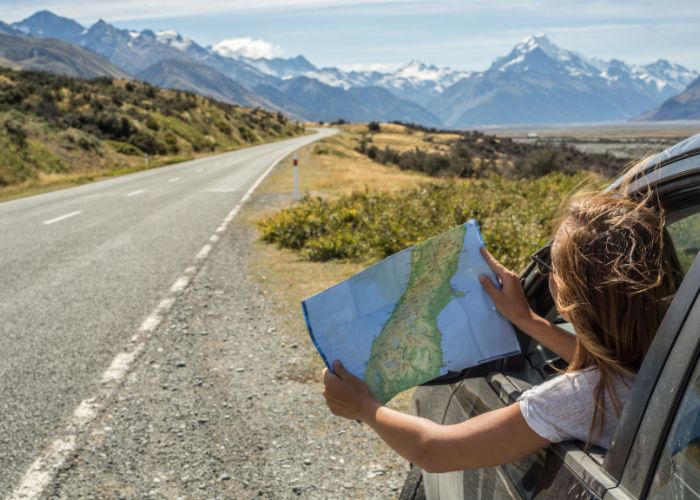
The importance of employing effective navigation methods cannot be understated, as they play a vital role in ensuring that you remain on track and avoid potential hazards. Utilize GPS devices or navigation applications on your smartphone to provide real-time traffic updates and route instructions. Keeping a physical map as a backup is also wise, particularly in areas where cell service may be limited. Additionally, staying informed about weather conditions and road closures can aid in making informed decisions while on the road.
By taking these precautions, you will enhance your overall road trip experience, ensuring safety not only for yourself but also for your passengers. Making safety a priority allows you to fully enjoy the adventure and create lasting memories without compromising your well-being.
Making Memories on Your Road Trip
Documenting experiences during a road trip plays an essential role in preserving the adventure and creating lasting memories. One effective way to capture the essence of your journey is through photography. With your smartphone or a dedicated camera, snap pictures of breathtaking landscapes, quirky roadside attractions, and candid moments with fellow travelers. The visual memories captured in photographs serve as poignant reminders of the experiences shared and can evoke emotions long after the trip has ended.
In addition to photographs, maintaining a travel journal can be a rewarding method for reflection. As you navigate through various cities and explore different terrains, jot down your thoughts, feelings, and observations. This practice not only nurtures mindfulness but also helps to articulate the uniqueness of each stop along your route. Consider documenting your encounters with local cuisine, the people you meet, or even the challenges faced during your travels. A well-kept journal can provide perspective and richness to the overall travel narrative.
Another creative way to make memories is by collecting mementos. Gather items like ticket stubs, postcards, or even small souvenirs from local shops. These tokens act as physical reminders of your journey and can be incorporated into a scrapbook alongside your photos and journal entries. Such a collection can transform into a cherished keepsake, enhancing the storytelling of your adventure and making it tangible for future reminiscing.
Ultimately, reflecting on your journey—whether through photographs, journaling, or collected mementos—enhances the significance of the experiences acquired during your road trip. As you revisit these memories, you gain insight into what made your adventure unique, ensuring that the essence of your road trip endures long after the wheels have stopped rolling.
Tips for a Smooth Return Home
After embarking on a thrilling road trip adventure, the journey does not end when you arrive back home. Organizing your return effectively can make the transition smoother and more enjoyable. One of the first steps is to devise a post-trip organizational strategy. This may include creating a checklist of tasks that need to be completed upon returning, such as reviewing travel expenses, sorting through any receipts, and preparing your vehicle for its next use.
Unpacking efficiently can help you feel settled back into your routine quicker. Consider setting up a designated area in your home to temporarily store your travel bags. Unpack by category rather than item; for example, take out all clothing first, followed by toiletries and electronics. This method minimizes the feeling of being overwhelmed and helps in managing the post-trip clutter. Don’t forget to launder any clothes that need washing immediately to avoid them piling up.
Another valuable tip involves sharing your road trip highlights with family and friends. Not only does this allow you to reminisce about your journey, but it can also inspire others to embark on their own adventures. You might consider assembling photo albums, creating digital slide shows, or posting on social media platforms. Engaging in storytelling can make the trip memorable and encourages discussions about future travels.
Lastly, take a moment to reflect on the experiences you’ve had during the road trip. Write down your favorite destinations, activities, and any lessons learned. This reflection not only solidifies your memories but can also assist in planning your next trip adventure with even more foresight and organization.