

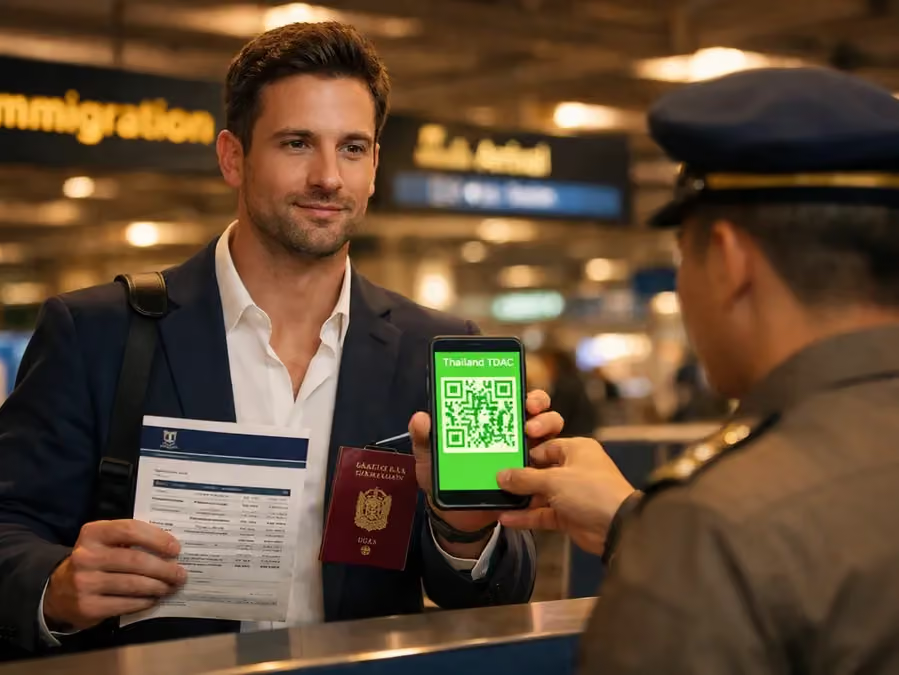
Digital nomads often travel between countries without fixed return dates. This flexibility makes it easier to work remotely while exploring new destinations, but it can create questions at airline check-in or immigration. Understanding onward travel requirements helps remote workers prepare the right documents before crossing international borders.
Why Do Digital Nomads Need Proof of Onward Travel?
Some countries require visitors to demonstrate that they intend to leave before their permitted stay expires. Airlines may also check onward travel arrangements before allowing passengers to board.
For digital nomads, this can be challenging when the next destination has not been decided.
Common situations include:
- One-way flights: Arriving without a return ticket or confirmed departure.
- Flexible travel dates: Planning to leave within the permitted stay without choosing an exact date.
- Multiple destinations: Moving between countries as work and travel plans change.
- Visa-free entry: Entering a country without applying for a visa in advance.
- Extended stays: Remaining abroad for several weeks or months.
- Remote work arrangements: Choosing destinations based on accommodation, internet access, and work commitments.
- Last-minute changes: Adjusting departure dates because of personal or professional needs.
- Uncertain routes: Considering several possible countries for the next destination.
Some travelers consider a dummy ticket flight service when they need a temporary reservation showing proposed onward travel. These services provide an itinerary with booking details, but the reservation is not a paid flight ticket. Travelers should confirm whether an unticketed reservation meets the specific airline or immigration requirements before relying on it.
What Counts as Acceptable Proof of Onward Travel?
There is no universal document accepted by every country. The appropriate evidence depends on the destination’s entry rules, the traveler’s nationality, and the conditions of their visa or immigration status.
Confirmed Return Flight Ticket
A paid return ticket shows that the traveler has arranged a flight back to their departure country or another destination. This is often straightforward to verify, although the traveler must still satisfy other entry requirements.
Ticket to Another Country
An onward flight to a different destination may demonstrate plans to leave the country being visited. Travelers should check whether they are eligible to enter or transit through the next country.
Bus or Train Ticket
Some destinations may accept confirmed international bus or train bookings. However, travelers should not assume that a land transport ticket satisfies an airline’s documentation requirements.
Temporary Flight Reservation
A temporary reservation can show a proposed departure route and date without issuing a paid ticket. Its usefulness depends on whether the relevant authority accepts reservations rather than purchased tickets.
Refundable Flight Ticket
A refundable ticket provides an issued travel document while allowing cancellation under the fare conditions. Travelers should review refund deadlines, payment processing times, and any applicable charges.
When Might Digital Nomads Be Asked for Onward Travel Documents?
Document checks can happen at different stages of an international journey. Preparing before departure is more reliable than assuming immigration officers will not ask for evidence.
During Airline Check-In
Airline staff may review entry requirements before issuing a boarding pass. If onward travel evidence is required and the traveler cannot provide acceptable documentation, boarding may be refused.
At Immigration Control
Border officers may ask about the purpose of the visit, intended duration, accommodation, and departure plans. The questions and documents required depend on local immigration rules.
During a Visa Application
Some visa categories request a proposed itinerary or evidence of intended departure. Others focus on financial resources, accommodation, employment, or additional supporting documents.
When Entering on a One-Way Ticket
Travelers arriving without a return booking may face additional questions about their plans. A one-way ticket is not automatically prohibited, but the applicable entry conditions must be satisfied.
When Changing Immigration Status
Moving from visitor status to another immigration category can involve separate requirements. Digital nomads should not assume that holding onward travel evidence makes them eligible to extend or change their stay.
How Do Onward Travel Rules Affect Different Nomad Travel Styles?
Not every digital nomad follows the same itinerary. The way a traveler moves between countries influences which arrangements are practical and what documentation may be needed.
Slow Travel
Slow travelers often remain in one destination for several months. They should check the permitted duration of stay, extension rules, and whether their intended activities are allowed under their immigration status.
Frequent Country Hopping
Nomads who change countries every few weeks may need to manage multiple entry requirements. Tracking permitted stays and maintaining accurate departure plans becomes particularly important.
Regional Travel
Traveling within a region does not always reset the permitted period of stay. For example, time spent in different Schengen countries may count toward the same short-stay allowance.
Open-Ended Backpacking
Backpackers who work remotely may prefer to decide their next destination while traveling. They should still maintain a realistic exit plan and check whether proof of onward travel is required before entering each country.
Digital Nomad Visa Holders
Some countries offer dedicated visas or residence arrangements for remote workers. These may have different entry, renewal, and departure conditions from ordinary tourist permissions.
What Should Remote Workers Check Before Entering a Country?
Onward travel is only one part of international travel compliance. Digital nomads also need to understand whether their immigration status permits the work they intend to perform.
Visa and Entry Permission
Check whether a visa, electronic travel authorization, or residence permit is required. Entry conditions can vary significantly between passport holders.
Remote Work Restrictions
A country may distinguish tourism from employment or remote work performed for overseas clients. Travelers should verify whether their intended activities are permitted.
Maximum Length of Stay
Entry permission may limit how long a visitor can remain. The permitted duration should be confirmed through official immigration guidance and any conditions imposed at entry.
Passport Validity
Some destinations require passports to remain valid for a specified period beyond arrival or departure. Travelers should check the relevant rule before booking transportation.
Financial Requirements
Immigration authorities may require evidence of sufficient funds to cover accommodation, living expenses, and departure costs.
For example, the UK government’s Standard Visitor guidance explains that visitors must be able to support themselves during their trip and pay for their return or onward journey. It also requires visitors to demonstrate that they intend to leave at the end of their visit.
These are UK visitor conditions, not universal requirements for digital nomads or permission to undertake unrestricted remote work.
Health and Travel Insurance
Some visas require specific insurance coverage. Even when insurance is optional, travelers should review medical coverage, exclusions, and the countries included in their policy.
How Can Digital Nomads Keep Their Travel Plans Flexible?
Flexible travel does not have to mean traveling without a plan. A realistic departure strategy allows nomads to adjust their itinerary while respecting entry conditions.
Choose a Possible Next Destination
Identify at least one country that can legally be entered after the current stay. Consider visa requirements, transportation availability, and travel costs before making arrangements.
Compare Refundable Transportation
Refundable flights or flexible fares may be useful when departure dates remain uncertain. Check the actual cancellation conditions instead of assuming all flexible tickets provide full refunds.
Understand Reservation Validity
Temporary reservations have limited holding periods. A reservation may expire before it is needed, so travelers should confirm its current status and applicable deadline.
Maintain an Emergency Travel Budget
Keep enough money available for unexpected transportation, accommodation changes, or a required departure. An itinerary alone does not establish that a traveler can afford the journey.
Track Entry and Exit Dates
Maintain a record of arrival dates, permitted stays, and planned departures. Calendar reminders can help prevent accidental overstays.
Check Requirements Before Every Border Crossing
Rules can change, and different nationalities may face different conditions. Review official immigration information and airline documentation requirements before each international journey.
What Mistakes Should Digital Nomads Avoid?
Problems with onward travel documentation often result from incorrect assumptions rather than complicated travel plans.
- Assuming every country accepts reservations: Some authorities may require an issued ticket.
- Using an expired booking: A cancelled or expired reservation may no longer be verifiable.
- Confusing a PNR with a paid ticket: A booking reference does not prove that an electronic ticket exists.
- Ignoring the next country’s entry rules: An onward flight is not useful if the traveler cannot legally enter the destination.
- Overlooking transit restrictions: Connections may require additional documentation or visas.
- Assuming visa-free entry permits remote work: Immigration permission and work authorization are separate issues.
- Relying on outdated travel advice: Entry rules should be checked through official sources.
- Planning departure after the permitted stay: Onward travel dates should comply with applicable immigration conditions.
Travelers should also avoid altered booking confirmations or fabricated ticket documents. Any reservation presented should accurately reflect its actual booking status.
How Should Digital Nomads Prepare for Their Next Border Crossing?
A short document review before departure can prevent avoidable problems at the airport.
| Document or detail | What to confirm |
| Passport | Validity and remaining blank pages, where required |
| Visa or entry authorization | Correct category, dates, and conditions |
| Onward travel | Acceptable evidence and departure date |
| Flight booking | Reservation status or issued e-ticket |
| Next destination | Entry eligibility and transit requirements |
| Accommodation | Address and booking information |
| Financial evidence | Ability to cover the stay and departure |
| Remote work permission | Whether planned work activities are allowed |
Keep accessible copies of important documents, including offline versions where practical. However, travelers should be prepared to present original or officially accepted digital documents when required.
Conclusion
Onward travel requirements are an important consideration for digital nomads who prefer one-way flights and flexible departure dates. The documents needed depend on the destination, passport, immigration status, and airline policies.
The safest approach is to confirm entry rules before traveling, maintain an accurate departure plan, and distinguish temporary reservations from paid tickets. With proper preparation, digital nomads can retain flexibility without overlooking their legal travel obligations.