

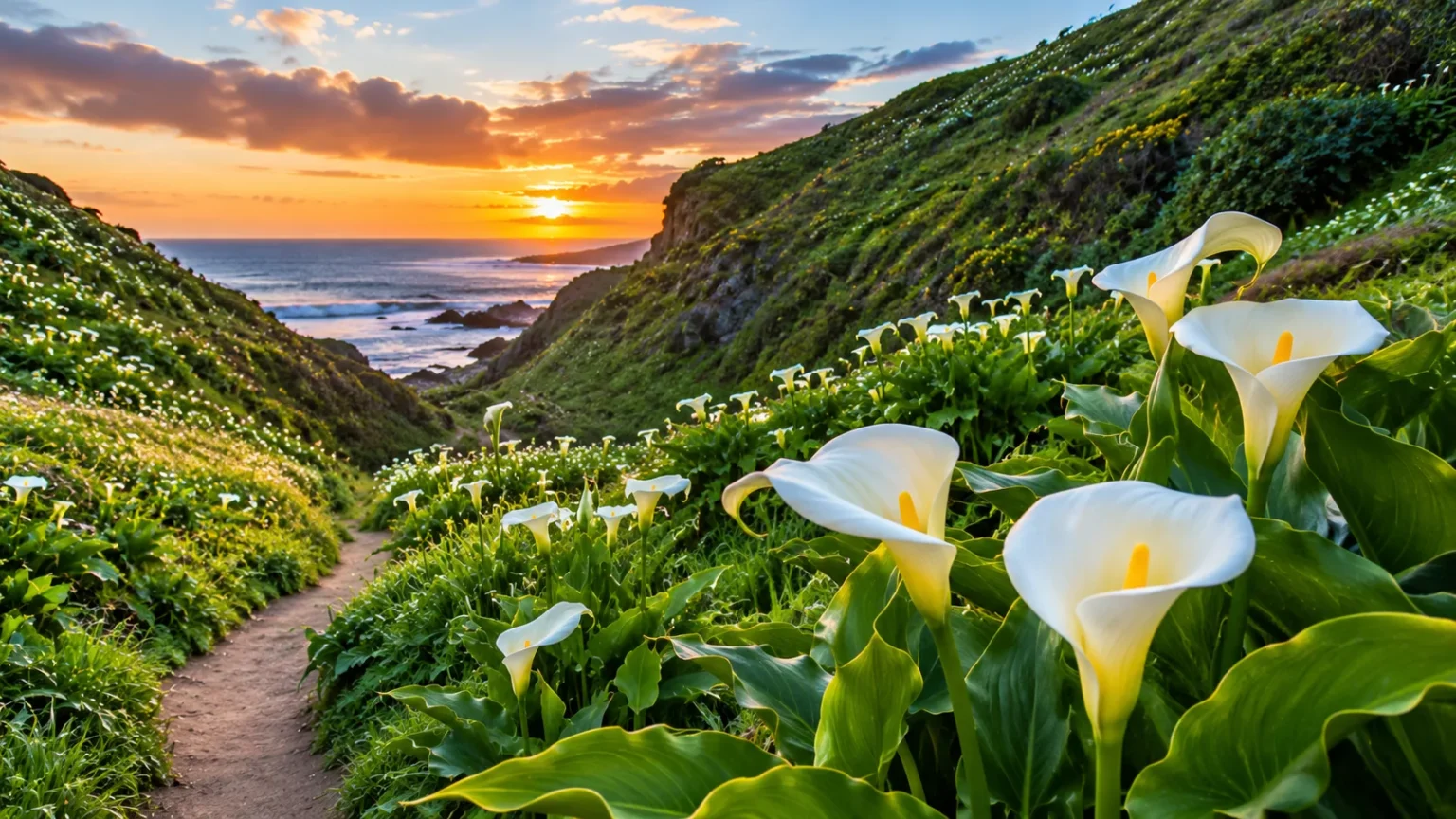
Calla Lily Valley is one of the most picturesque natural attractions along California’s Big Sur coastline. Hidden among the coastal hills of Garrapata State Park, this small valley is famous for its beautiful white calla lilies, green vegetation, and peaceful ocean scenery. Every spring, visitors come to admire the flowers, explore nearby trails, and experience the rugged beauty of California’s central coast.
Unlike crowded tourist destinations, Calla Lily Valley offers a unique combination of seasonal flowers, coastal landscapes, and natural surroundings. Its narrow creek, sheltered canyon, and proximity to the Pacific Ocean create wonderful opportunities for sightseeing and photography. However, reaching the valley involves navigating coastal trails, and changing weather conditions can make the experience different throughout the year.
Planning a visit to Calla Lily Valley requires understanding its location, blooming season, hiking conditions, and nearby attractions. This guide covers the best time to visit, how to get there, what to expect on the trail, and useful safety tips. Whether you are a nature enthusiast, photographer, or traveler exploring Big Sur, these details can help you prepare for an enjoyable coastal adventure.
Where Is Calla Lily Valley Located?
Calla Lily Valley is located within Garrapata State Park along California’s scenic Big Sur coastline in Monterey County. The valley sits near Highway 1, south of Carmel-by-the-Sea and north of the main Big Sur village area. Its convenient coastal location makes it an attractive stop for travelers exploring nearby beaches, hiking trails, and famous Pacific Ocean viewpoints.
The valley forms part of a small coastal drainage surrounding Doud Creek, which flows toward Garrapata Beach. During the blooming season, white calla lilies appear among the green plants growing beside the creek. The surrounding hills provide a sheltered landscape that contrasts beautifully with the exposed cliffs and powerful ocean waves nearby.
Visitors generally reach the area by driving along Highway 1 and using designated coastal trail access points. Public transportation options are limited, so independent transportation is often the most practical choice. Because the attraction is relatively small and trail access can change, checking current park information before traveling helps prevent unnecessary confusion.
What Makes Calla Lily Valley Special?
The main attraction of Calla Lily Valley is its unusual display of white calla lilies growing beside a coastal creek. Their elegant white structures and broad green leaves create a striking contrast with the surrounding landscape. When conditions are favorable, clusters of flowers spread through the valley, producing a distinctive natural scene that attracts photographers and nature lovers.
Another special feature is the valley’s location between green coastal hills and the Pacific Ocean. Visitors can experience a sheltered creek environment before reaching views of rugged cliffs and sandy shoreline. This combination makes the area visually different from many other California wildflower destinations, where flowers typically grow across open grasslands or hillsides.
Although the flowers appear natural within the valley, calla lilies are not native to California. They originate from southern Africa and have become established in certain coastal environments. Their presence creates beautiful seasonal scenery, but protecting native vegetation and following designated trails remain important responsibilities for everyone visiting the park.
Best Time to Visit Calla Lily Valley
The best time to visit Calla Lily Valley for flowers is generally between February and April. Blooms can sometimes appear as early as January, depending on seasonal rainfall and temperatures. The exact timing varies from year to year, making recent visitor observations and local park information useful when planning a flower-focused trip.
March is often considered a particularly promising month because many flowers may be visible during favorable seasons. However, blooming intensity depends on weather conditions, plant health, and other environmental factors. Visitors should avoid assuming that every spring produces the same display, since natural conditions and human activity can influence the appearance of the valley.
Outside the main blooming season, Calla Lily Valley remains part of a beautiful coastal landscape. Travelers can still appreciate nearby beaches, scenic trails, and ocean viewpoints even when flowers are absent. Visiting during quieter periods may provide a more peaceful experience, although travelers specifically interested in the lilies should prioritize late winter and spring.
How to Get to Calla Lily Valley
Calla Lily Valley is generally reached by traveling along California Highway 1 toward Garrapata State Park. Visitors arriving from Carmel-by-the-Sea drive south along the coastline, passing scenic hills and ocean viewpoints. The park contains several numbered coastal access gates, which help travelers identify different sections of its trail network.
The valley is commonly approached using coastal trail access near Gates 18 and 19, close to Garrapata Beach. From the trail, visitors follow paths through low coastal vegetation toward the creek drainage. Exact access arrangements can change because of maintenance, environmental conditions, and closures, so current signs and official park guidance should take priority.
Parking is typically available in permitted roadside areas along Highway 1 rather than in a large dedicated parking lot. Spaces may be limited, particularly during popular spring weekends. Park only where stopping is legally permitted, avoid blocking access points, and never cross the highway without checking carefully for approaching traffic.
Calla Lily Valley Hiking Trail: What to Expect
The Calla Lily Valley hike is relatively short compared with many longer routes around Big Sur. Depending on the starting point and chosen path, visitors may walk approximately half a mile or more through coastal vegetation. Although the distance is manageable for many people, the terrain can present challenges that should not be overlooked.
The route may include dirt paths, uneven ground, steps, muddy sections, and areas near a small creek. Rainfall can make some surfaces slippery, particularly during the season when the flowers are most attractive. Shoes with dependable grip are therefore more suitable than smooth-soled footwear, especially when exploring after wet weather.
Trail conditions can vary significantly depending on rainfall, maintenance, and seasonal visitor activity. Some areas may also be closed to protect vegetation or address safety concerns. Visitors should remain on officially accessible paths, avoid entering restricted areas, and turn around whenever trail conditions feel unsafe or difficult to navigate.
Discover the Beautiful Calla Lily Flowers
Calla lilies are known for their elegant white spathes surrounding a central yellow structure called a spadix. Although the white portion is commonly described as a flower, it is actually a specialized leaf-like structure. These plants grow particularly well in moist environments, making sheltered creek valleys suitable locations for their development.
At Calla Lily Valley, the flowers grow among dense green leaves, grasses, and other vegetation near Doud Creek. The white blooms stand out against the surrounding hillsides, creating an attractive scene during the appropriate season. Their appearance changes throughout the blooming period as new flowers open and older ones gradually fade.
Visitors should admire the lilies without picking, cutting, or damaging them. The valley experienced serious damage to its flowering display in March 2026, demonstrating how vulnerable the attraction can be. Staying on established paths and respecting park rules helps protect the landscape and reduces unnecessary disturbance to the surrounding environment.
Best Photography Spots in Calla Lily Valley
The most recognizable photography opportunities occur near the creek where white lilies grow among dense green vegetation. The combination of flowers, flowing water, and surrounding hills creates attractive compositions. Photographers can capture close views of accessible flowers while keeping a respectful distance from delicate plants and avoiding damage to the creek environment.
Another excellent opportunity comes from wider views of the coastal valley and nearby shoreline. These perspectives help show how the sheltered flower habitat connects with the dramatic Pacific landscape. Including hills, sky, and distant ocean views can create more varied photographs than focusing exclusively on individual flowers.
Early morning and late afternoon often provide softer light that is useful for photographing white flowers. Bright midday sunshine can produce strong contrasts and make delicate details harder to capture. Visitors should avoid stepping into flower beds, climbing unstable slopes, or approaching dangerous cliff edges simply to achieve a particular photograph.
Explore Garrapata Beach Near Calla Lily Valley
Garrapata Beach is one of the most attractive nearby destinations and an excellent addition to a Calla Lily Valley visit. The beach features a broad stretch of sand surrounded by rugged coastal hills and cliffs. Its natural appearance makes it particularly appealing for walking, sightseeing, and appreciating the powerful scenery of the Pacific coastline.
Access to the beach involves designated paths and, in some places, stairs or uneven terrain. Visitors should check current conditions before descending because rain and coastal erosion can affect accessibility. Strong waves, rip currents, and unpredictable surf make swimming dangerous, so enjoying the beach from a safe distance is often the better choice.
The beach also offers opportunities to appreciate coastal vegetation, changing ocean conditions, and beautiful views along the Big Sur shoreline. Visitors may enjoy a peaceful walk when tides and access conditions permit. Always remain well away from breaking waves and avoid climbing onto unstable rocks or approaching the water for photographs.
Visit Soberanes Point and Nearby Coastal Trails
Soberanes Point is another scenic destination within Garrapata State Park and offers dramatic views of the Pacific Ocean. Its coastal trails pass through vegetation-covered headlands overlooking rocky shorelines and open water. Travelers who enjoy landscape photography and ocean scenery may find this area particularly rewarding during a visit to Big Sur.
The surrounding trail network provides different opportunities for walking and observing the coastal environment. Some routes feature relatively gentle sections, while others involve slopes, uneven ground, or exposed viewpoints. Trail availability can change, making it important to follow current park signs and select routes that match your comfort and abilities.
Combining Soberanes Point with Calla Lily Valley creates an opportunity to experience two contrasting coastal settings. The valley emphasizes sheltered flowers and creek vegetation, while the point showcases open headlands and expansive ocean views. Travelers should allow sufficient daylight and avoid rushing between locations when conditions are wet or visibility is poor.
Other Beautiful Places to Visit Near Calla Lily Valley
Point Lobos State Natural Reserve is a popular nearby destination known for its rocky coastline, protected habitats, and scenic walking trails. Located north of Garrapata State Park, it offers opportunities to observe coastal landscapes and wildlife from designated viewpoints. Visitors should check reservation, parking, and entry information before planning their visit.
Carmel-by-the-Sea provides a different experience with charming streets, art galleries, cafes, and a beautiful sandy beach. The town makes a convenient place to stop for a meal or explore local shops before or after visiting Garrapata. Its location also provides useful access to other attractions along the Monterey Peninsula.
Travelers exploring farther south may enjoy additional Big Sur viewpoints and coastal scenery along Highway 1. However, road closures and changing weather can affect travel arrangements, particularly after heavy rainfall. Planning a flexible itinerary allows visitors to appreciate accessible destinations without relying on a single route remaining open.
Essential Safety Tips for Visiting Calla Lily Valley
Safety should be a priority when exploring Calla Lily Valley because coastal environments can change quickly. Rain may create slippery trails, muddy ground, and stronger creek flows. Visitors should avoid crossing water when conditions are uncertain and choose another viewpoint rather than taking unnecessary risks.
Cliff edges and ocean access areas require particular caution. Coastal erosion can make some ground unstable, while unexpected waves may reach places that initially appear dry. Keep a safe distance from steep drops and breaking surf, and follow all warning signs posted by California State Parks.
Cellular reception can be inconsistent along sections of the Big Sur coastline, so visitors should prepare before leaving populated areas. Carry drinking water, suitable footwear, and clothing appropriate for changing temperatures. Let someone know your general travel plans when exploring less populated areas, and avoid entering closed or poorly maintained trails.
What to Pack for a Calla Lily Valley Visit
Comfortable walking shoes with reliable traction are among the most important items for visiting Calla Lily Valley. The short trails may contain mud, uneven surfaces, and damp sections near the creek. Footwear designed for outdoor walking can provide better stability than sandals or shoes intended for smooth city sidewalks.
Coastal weather can change throughout the day, making layered clothing a practical choice. A lightweight jacket may be useful when wind or fog moves across the shoreline. Sunscreen, sunglasses, and drinking water are also important because exposed coastal areas can receive substantial sunlight even when temperatures feel relatively cool.
Photographers may want to bring a camera or smartphone with sufficient battery power and storage space. A small backpack can help carry personal belongings while keeping hands available for balance on uneven terrain. Avoid bringing unnecessary equipment that makes walking difficult, and take all litter and personal belongings away when leaving.
How to Plan a Day Trip to Calla Lily Valley
Begin your day by checking the weather forecast, Highway 1 conditions, and Garrapata State Park access information. Arriving earlier in the day may help with roadside parking and provide softer lighting for photographs. Start with the valley trail if conditions allow, taking time to appreciate the flowers without entering fragile planted areas.
After exploring Calla Lily Valley, consider visiting an accessible section of Garrapata Beach or a nearby coastal viewpoint. These locations offer contrasting views of the shoreline and surrounding hills. Pack a light meal or plan to eat in Carmel-by-the-Sea, since visitor services near the valley are limited.
If time permits, continue toward Soberanes Point or Point Lobos State Natural Reserve for additional coastal scenery. Avoid scheduling too many stops because walking, parking, and road conditions can take longer than expected. A flexible itinerary focused on a few enjoyable locations often provides a more rewarding experience than trying to visit every attraction.
How to Protect Calla Lily Valley While Visiting
Protecting Calla Lily Valley begins with respecting the surrounding natural environment and remaining on designated paths. Walking through dense vegetation can damage plants, disturb soil, and contribute to erosion. Even when a flower patch appears accessible, visitors should avoid entering it because repeated foot traffic can affect the landscape.
Calla lilies are introduced plants rather than native California wildflowers, but that does not justify unauthorized removal or damage. Any vegetation management should be handled by appropriate park authorities. Visitors can support responsible conservation by following posted instructions and avoiding activities that disturb native plants, wildlife, or sensitive creek habitats.
Responsible photography is especially important because the valley’s popularity encourages visitors to seek unusual perspectives. Never remove flowers, rearrange plants, or cross protected areas for a photograph. Enjoying the scenery from established viewpoints helps preserve the visitor experience while reducing pressure on the surrounding coastal environment.
Conclusion
Calla Lily Valley is a beautiful seasonal attraction within Garrapata State Park along California’s Big Sur coastline. Its white flowers, sheltered creek, green vegetation, and nearby ocean scenery create a memorable setting for nature enthusiasts and photographers. The most promising blooming period generally falls between February and April, although conditions vary each year.
Planning ahead makes the experience more comfortable and helps visitors avoid unnecessary difficulties. Checking trail access, weather, parking restrictions, and road conditions is particularly important before traveling. Nearby destinations such as Garrapata Beach, Soberanes Point, Point Lobos, and Carmel-by-the-Sea provide additional opportunities to enjoy California’s central coast.
Whether you are visiting specifically for the flowers or exploring Big Sur’s coastal landscapes, Calla Lily Valley is worth considering during the appropriate season. Respecting the environment, following designated trails, and prioritizing safety help make the experience enjoyable. With realistic expectations and thoughtful preparation, visitors can appreciate this distinctive location and its surrounding natural beauty.
Frequently Asked Questions
Where is Calla Lily Valley located?
Calla Lily Valley is located in Garrapata State Park along Highway 1 in Monterey County, California. It lies south of Carmel-by-the-Sea, near Garrapata Beach and the scenic Big Sur coastline.
When is the best time to see Calla Lily Valley in bloom?
The best time is generally between February and April, with March often offering promising conditions. Flowering varies according to seasonal weather and plant conditions, so blooms are not guaranteed.
How long is the hike to Calla Lily Valley?
The walk is relatively short, with some commonly used routes measuring approximately half a mile or more. Actual distances depend on the trail entrance, access restrictions, and the route selected.
Is Calla Lily Valley free to visit?
The coastal trail is generally accessible without a separate admission fee, and roadside parking may be available where permitted. Always check current state park rules and signs before visiting.
Can you visit Calla Lily Valley all year?
The surrounding coastal area can be visited throughout much of the year when trails are open. However, the famous white calla lily display is seasonal, making late winter and spring more appealing for flower viewing.