

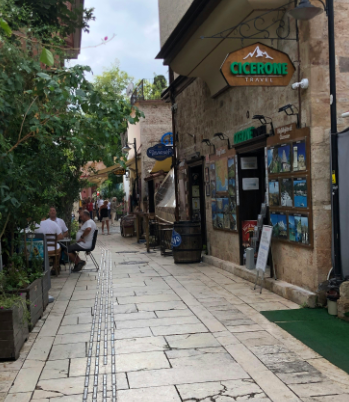
Introduction to Alternative Travel
Alternative travel refers to the journey of exploring destinations that are often overlooked in favor of well-known tourist attractions. This approach encourages travelers to venture beyond the ordinary, immersing themselves in unique experiences that provide deeper insights into a destination’s culture, heritage, and natural beauty. As travelers become increasingly disenchanted with crowded hotspots and commercialized experiences, there is a significant shift towards seeking out less-traveled paths. This trend is not merely a response to overtourism; it stems from a desire for authenticity and genuine connections.
Traveling off the beaten path allows individuals to interact with local communities and discover traditions that are distinct to a particular region. This engagement adds a richer context to their travel experiences, fostering a deeper appreciation for the diversity found across the globe. More travelers are now emphasizing personalized experiences rather than standard itineraries. By choosing alternative travel destinations, individuals often find themselves participating in local festivals, enjoying home-cooked meals, or visiting tucked-away natural wonders that provide a respite from the typical tourist experience.
The rise of social media has also played a crucial role in promoting alternative travel. Travelers share their unique discoveries online, influencing others to explore less conventional locations. This not only contributes to a more sustainable travel model but also aids in local economies that rely on tourism. By directing their attention towards these hidden gems, travelers actively contribute to the preservation of cultural identities and the environment. As we delve deeper into the benefits of this alternative approach to travel, we can uncover how it broadens perspectives and enriches lives.
Cultural Immersion and Authentic Experiences
Traveling beyond the well-trodden tourist hotspots offers an invaluable opportunity for cultural immersion, allowing travelers to engage more deeply with the communities they visit. When one steps away from the common destinations, they often find a treasure trove of authentic experiences that showcase local customs and traditions.
Interacting with locals serves as one of the most enriching aspects of this type of travel. Engaging in conversation with residents can provide insights into their way of life, history, and values that one cannot glean from guidebooks or commercialized tours. Such exchanges enhance the understanding of cultural nuances, giving travelers a greater appreciation for the diversity that exists within a region.
The culinary landscape also plays a significant role in cultural immersion. Trying regional cuisines offers a sensory experience unique to the area. Instead of consuming standardized meals found in popular tourist restaurants, travelers can delve into local flavors that tell the story of the land and its people. Visiting local markets, street food stalls, or home-based eateries allows for tasting authentic dishes crafted with traditional methods and local ingredients. This culinary adventure often leads to delightful surprises and moments of genuine connection.
Additionally, participating in traditional customs or festivals invites travelers to experience cultural heritage firsthand. Engaging in local practices, whether it be joining in a dance, attending a craft workshop, or observing a religious ceremony, fosters a sense of belonging and understanding. Such participation not only enriches the travel experience but also shows respect for local traditions, paving the way for meaningful interactions between visitors and residents.
As travelers seek to create memories that transcend mere sightseeing, embracing opportunities for cultural immersion becomes paramount. These experiences promote a deeper appreciation of the world’s rich tapestry of cultures, reinforcing the value of stepping beyond popular tourist sites.
Environmental Benefits of Less Crowded Destinations
Traveling to less crowded destinations offers several environmental advantages, particularly in terms of reducing the negative impacts associated with tourism. At popular tourist hotspots, the influx of visitors often leads to significant overcrowding, which can strain local ecosystems. By opting for lesser-known areas, travelers can help alleviate this pressure and contribute to the preservation of natural environments.
One of the primary benefits of visiting these quieter locales is the reduction in carbon footprints. When individuals choose to travel to destinations that are not frequented by large crowds, they often cover shorter distances. This not only minimizes the carbon emissions associated with transportation but also encourages the use of local resources, further decreasing environmental impact. The choice to explore less popular areas promotes sustainable travel practices.
Additionally, less crowded destinations often feature more pristine landscapes, which are essential for maintaining biodiversity. Many sought-after tourist sites suffer from environmental degradation due to excessive foot traffic, leading to soil erosion, habitat destruction, and pollution. By choosing to explore these hidden gems, travelers play a crucial role in supporting the conservation of natural habitats. Moreover, local communities benefit significantly, as responsible tourism often prioritizes environmental stewardship and sustainable practices.
Moreover, lesser-known areas can provide opportunities for responsible travel that emphasizes cultural preservation and environmental education. When tourists engage more deeply with these communities, they contribute to initiatives aimed at protecting the local ecology and promoting sustainable development. This symbiotic relationship between travelers and local inhabitants encourages a more thoughtful approach to tourism, ensuring that both visitors and destinations thrive.
Supporting Local Economies
Traveling beyond the traditional tourist hotspots not only offers unique experiences but also plays a significant role in bolstering local economies. By choosing to stay in smaller accommodations such as guesthouses, bed and breakfasts, or locally-owned hotels instead of large international chains, travelers can contribute directly to the community. These smaller establishments often reinvest their earnings back into the local area, creating jobs and generating income for residents.
Dining at local restaurants instead of international fast-food franchises allows visitors to savor authentic regional cuisine while also supporting local chefs and farmers. When travelers choose to eat locally, they help stimulate the economy through increased demand for food supplies produced by nearby farms. This practice not only enhances the visitor’s culinary experience but also promotes sustainability by reducing the carbon footprint associated with transporting food from far distances.
Shopping at markets run by residents or purchasing handcrafted goods from local artisans not only provides travelers with unique souvenirs but also empowers the local population. When a traveler buys from a market stall or a craft fair, they are often directly ensuring that the profits go to the individuals who made or sourced those products. This approach fosters a sense of community pride and encourages cultural exchange, as local artisans have the opportunity to share their stories and traditions with visitors.
In essence, travelers can make a meaningful impact on local economies by making conscious choices about their accommodations, dining, and shopping. This practice not only enriches a traveler’s experience but also creates a more sustainable model of tourism that benefits both visitors and the locales they explore. Supporting local businesses is a vital aspect of responsible tourism, and it helps preserve the unique character of the regions they visit.
Personal Growth and Unique Learning Opportunities
Traveling beyond well-trodden tourist hotspots offers a wealth of personal growth and unique learning opportunities. When individuals embark on adventures to lesser-known destinations, they often find themselves outside their comfort zones. This experience fosters a sense of independence that is pivotal for personal development. Navigating through unfamiliar environments encourages travelers to make decisions independently, enhancing their self-reliance. This autonomy is crucial for building confidence and a greater understanding of oneself.
Moreover, traveling to alternative locations cultivates adaptability. As travelers encounter diverse situations—from language barriers to different customs—they develop the ability to adjust their plans and perspectives. Adaptability is not merely a skill but a vital life attribute that can be beneficial in various contexts, including professional settings. The challenges faced while traversing through non-touristy areas stimulate critical thinking. Visitors must assess their surroundings and make informed decisions, which hones their problem-solving skills and enhances their cognitive abilities.
Additionally, lesser-known destinations provide rich opportunities to learn about varied cultures and practices. Engaging with local communities allows travelers to gain insights into unique traditions, values, and lifestyles that are often overlooked in mainstream travel experiences. This exposure fosters empathy and a broader worldview, essential components in today’s global society. Understanding cultural nuances equips travelers with the ability to communicate effectively across different backgrounds, which is increasingly important in our interconnected world.
In conclusion, the benefits of traveling beyond tourist hotspots extend far beyond mere sightseeing. These experiences facilitate personal growth by enhancing independence, adaptability, and critical thinking skills while enriching one’s understanding of diverse cultures, ultimately leading to a more fulfilling travel experience.
Fewer Crowds, More Enjoyment
Traveling to destinations that are off the beaten path can significantly enhance one’s overall experience. One of the most notable benefits is the abundance of space and tranquility these less-traveled areas provide. Unlike popular tourist hotspots, which often teem with visitors, alternative locations tend to have fewer crowds, allowing travelers to appreciate their surroundings fully. This decrease in foot traffic often results in quicker access to attractions and experiences that might otherwise involve long wait times in busier locales.
Furthermore, exploring these hidden gems offers a unique opportunity for more intimate interactions with local culture and community. As the serenity of less populated environments fosters a more relaxed atmosphere, travelers can engage in meaningful exchanges with residents, learning about traditions and customs that are often overshadowed in bustling tourist areas. This deeper cultural connection contributes to a more enriching travel experience.
Another advantage of choosing less conventional destinations is the enhanced viewing experience. Natural wonders, historical sites, or artistic installations that draw significant crowds in more famous locations can sometimes lose their appeal in a sea of people. However, when visiting less frequented sites, travelers can enjoy breathtaking views and absorb the ambiance without the distraction of large groups. The personal enjoyment derived from such experiences can lead to a deeper appreciation of the destinations visited.
In essence, opting for travel to locations with fewer tourists not only reduces contentions usually associated with crowds but also enriches the journey through heightened enjoyment and the opportunity to connect with local culture in ways that are often missed in heavily trafficked areas.
Convenience and Affordability
Traveling beyond traditional tourist hotspots offers significant advantages in terms of convenience and affordability. Capturing the essence of a destination outside of popular attractions allows travelers to discover more personalized experiences while avoiding the high costs commonly associated with these well-trodden paths.
One of the primary benefits is the availability of cheaper accommodations. Many lesser-known areas offer inviting and affordable lodging options such as small guesthouses, family-run hotels, or even homestays. These options often provide a more authentic experience, allowing travelers to engage more deeply with local culture compared to the often generic and expensive hotels found in tourist-heavy regions.
Moreover, engaging in activities outside the main attractions can be highly economical. Many local community events, workshops, and outdoor activities are typically less commercialized, resulting in lower costs. For instance, hiking in national parks away from busy trails or exploring countryside villages can provide enriching experiences at a fraction of the price. This fosters not only significant savings but also encourages visitors to immerse themselves in the unique traditions and customs of the local community.
Additionally, traveling during off-peak seasons significantly enhances convenience and affordability. Popular destinations tend to see inflated prices and overcrowding during peak tourist times. By opting for low seasons, travelers can often find that both airfare and accommodation prices drop substantially. Furthermore, navigating through less crowded sites can provide a more pleasant and relaxed atmosphere, allowing for a deeper appreciation of the destination.
In essence, choosing to explore regions beyond the typical tourist hotspots creates numerous opportunities to save money and enhance the overall travel experience.
Secret Spots Worth Exploring
Traveling beyond popular tourist hotspots often leads to enriching experiences that are both unique and memorable. Many regions around the world remain undiscovered by the masses, offering a genuine glimpse into local culture and breathtaking natural beauty.
One such destination is the Azores, an archipelago located in the mid-Atlantic. Comprising nine volcanic islands, the Azores boast lush landscapes, hot springs, and stunning hiking trails. Travelers can explore the charming towns of Ponta Delgada and Horta while enjoying activities such as whale watching and geothermal bathing. This hidden gem provides an escape from overcrowded resorts, ensuring a more authentic interaction with nature and the island’s inhabitants.
Another noteworthy example is the town of Matera in Italy, famous for its ancient cave dwellings known as “Sassi.” Unlike more frequented cities like Rome and Venice, Matera offers an intriguing historical context where visitors can wander through narrow streets formed by thousands of years of rock-cut architecture. The town’s unique ambiance and the opportunity to experience local gastronomy make it an essential stop for travelers seeking something different.
In Asia, the town of Luang Prabang in Laos shines as a splendid alternative to more crowded destinations in Southeast Asia. Known for its well-preserved temples, landscape, and fusion of cultures, Luang Prabang provides a tranquil environment for cultural immersion. The morning alms ceremony, where monks collect offerings, is a moving experience that showcases the town’s deep-rooted traditions.
These examples illustrate that numerous secret spots exist, waiting to be discovered by adventurous travelers. Moving away from conventional attractions can lead to extraordinary journeys, marked by genuine connections and unforgettable memories.
Conclusion: Embrace the Adventure of Alternative Travel
In conclusion, the journey towards exploring beyond conventional tourist hotspots offers a multitude of benefits that can enrich one’s travel experience. Travelers who venture into less popular destinations often find themselves immersed in authentic cultures, connecting more deeply with local communities and their traditions. This not only enhances personal growth but also fosters a more sustainable form of tourism, ensuring that the economic benefits are distributed more equitably among local populations.
Furthermore, escaping the crowded attractions frequently means more opportunities for peaceful reflection and appreciation of natural beauty. Nature often holds hidden treasures away from the popular paths, providing unique experiences that instill a profound sense of wonder and tranquility. Observing the world from these less traveled routes can shift perspectives and invite travelers to forge a more respectful relationship with the environment.
It is essential to recognize the impact of our travel choices—not just on ourselves, but on the global community as well. By seeking out alternative travel experiences, we not only create cherished memories but also contribute positively to the preservation of diverse cultures and ecosystems. Such considerations are imperative in today’s world where overtourism has a significant effect on the destinations we love.
In light of these reflections, embracing the adventure of alternative travel could be the key to transformative experiences that nurture both personal and global well-being. Consider stepping off the beaten path and allow yourself to discover the hidden gems that await beyond the familiar. The world is a far richer place when we wander where few have trodden, and the rewards are plentiful for those willing to venture into the unknown.