

Introduction to Wildlife Tourism
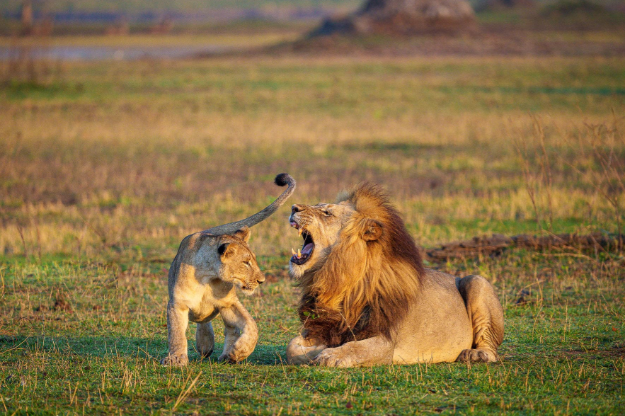
Wildlife tourism is a vital aspect of the travel industry, drawing increasing interest from nature enthusiasts who seek immersive experiences in natural habitats. This form of tourism allows individuals to observe wildlife in their natural environments, thereby fostering a deeper appreciation for biodiversity and the ecosystems that sustain it. The importance of wildlife tourism extends beyond mere observation; it plays a crucial role in conservation efforts and sustainable development.
The appeal of wildlife tourism lies in the opportunity for unique encounters with animals and the chance to connect with nature. Many travelers are becoming increasingly aware of the need to experience natural beauty while supporting preservation initiatives. For instance, ecotourism, a sector closely related to wildlife tourism, emphasizes responsible travel to natural areas, aiming to minimize the tourist impact on ecosystems while providing education and experiential learning about wildlife. This growing trend reflects a shift in consumer preferences towards experiences that prioritize sustainability over traditional tourism methods.
Unique experiences available at wildlife destinations not only promote conservation but also enhance the enjoyment of travelers. Activities such as guided safaris, birdwatching tours, and marine wildlife observations offer participants insight into the behaviors and habits of various species. Moreover, many wildlife tourism ventures are built around local community involvement, which helps ensure that the benefits of tourism reach those who live in close proximity to these natural wonders, creating economic opportunities while encouraging environmental stewardship.
As wildlife tourism continues to evolve, it is important for nature enthusiasts to choose destinations and activities that align with sustainable practices. By prioritizing conservation-oriented travel, tourists can contribute to the maintenance of habitats and species, making their explorations both memorable and meaningful. This synergy between enjoyment and advocacy is at the heart of wildlife tourism’s growing significance in the broader context of travel.
Criteria for Selecting Top Wildlife Destinations
Identifying the top wildlife destinations requires a thorough understanding of several critical criteria that make these places desirable for both wildlife observation and ecological appreciation. The primary factor to consider is biodiversity, encompassing a wide variety of species and habitats within a given area. Destinations boasting rich biodiversity enhance the potential for wildlife enthusiasts to observe unique interactions between different species, including endemic and migratory animals.
Accessibility is another crucial element in selecting these top-notch wildlife locations. This includes not only physical access in terms of transportation and infrastructure but also the ability for visitors to engage with the wildlife without excessive disturbance. Locations that offer guided tours, well-maintained trails, and designated observation points can improve the experience of nature enthusiasts while minimizing human impact on delicate ecosystems.
Conservation efforts play a vital role in establishing a wildlife destination’s standing. Regions where ongoing conservation projects are in place demonstrate a commitment to preserving not only the species but also their habitats. This might include initiatives for eco-tourism that support local communities and involve visitors in the conservation process, thus ensuring a sustainable approach to wildlife observation and protection.
Lastly, the presence of unique ecosystems can set certain destinations apart. Areas with distinctive geographical features, such as rainforests, wetlands, or coral reefs, often house a plethora of wildlife that can be astonishingly different from other locations. Recognizing these unique environments and the species they support is essential in evaluating a wildlife destination’s charm and importance.
Top Wildlife Destination #1: Yellowstone National Park, USA
Yellowstone National Park, established in 1872, is renowned for being the first national park in the United States and is recognized globally for its stunning natural beauty and diverse wildlife population. Spanning over 3,400 square miles primarily in Wyoming, it becomes an oasis for nature enthusiasts and wildlife lovers. Among the park’s most iconic inhabitants are the majestic bison, the elusive wolves, and the formidable bears. Visitors are often treated to breathtaking views of these animals in their native habitats.
The optimal times to visit Yellowstone for wildlife watching are typically during the early spring and late fall months. During these seasons, animals are more active, and the crisp air enhances the experience of observing them in their natural environments. The park becomes less crowded in shoulder seasons, allowing for quieter encounters with the wildlife. The best hours to view animals are early morning and late afternoon, when they are most active. Guided tours and ranger-led programs are highly recommended, as they provide valuable insights and increase the chance of sightings.
In addition to wildlife viewing, Yellowstone offers various activities that promote an engaging outdoor experience. Hiking trails, such as the Lamar Valley trail, provide opportunities for exploring the park while remaining respectful of its ecosystem. Birdwatching, photography, and educational programs enhance visitors’ understanding of the park’s flora and fauna. To best appreciate the natural environment, maintaining a respectful distance from the wildlife is crucial; the National Park Service advises keeping at least 25 yards from most animals and 100 yards from bears and wolves. This ensures not only the safety of both visitors and wildlife but also preserves the integrity of the park’s delicate ecosystem.
The Maasai Mara, Kenya
The Maasai Mara is undeniably one of the most celebrated wildlife destinations globally, renowned for its stunning biodiversity and the iconic Great Migration. This remarkable event occurs annually between July and October, when millions of wildebeest, along with zebras and other herbivores, traverse the plains in search of fresh grazing. This natural spectacle draws not only wildlife enthusiasts but also photographers and adventurers eager to witness the raw beauty of nature in action.
A visit to the Maasai Mara offers a range of safari experiences, from guided game drives to hot air balloon rides that provide an aerial view of the vast savanna and its inhabitants. Tourists can expect to encounter the ‘Big Five’—lions, leopards, elephants, buffaloes, and rhinoceroses—alongside a myriad of other species such as giraffes, cheetahs, and diverse birdlife. The Maasai Mara’s rich ecosystems support a complex web of wildlife, making it a prime location for both observation and conservation efforts.
Moreover, the cultural significance of the Maasai people adds a unique dimension to any visit. The Maasai, known for their distinct customs and traditions, remain custodians of this land. Engaging with the local community can enhance the experience, providing insights into their way of life and their relationship with the surrounding wildlife. However, it is essential to be aware of the conservation challenges facing the region, including habitat loss and human-wildlife conflict, which necessitate responsible tourism practices.
When planning a trip to the Maasai Mara, travelers should consider the best seasons for wildlife viewing and engage with reputable tour operators committed to sustainable practices. Understanding the delicate balance between tourism and conservation helps ensure that this extraordinary destination remains vibrant for generations to come.
Top Wildlife Destination #3: Galápagos Islands, Ecuador
The Galápagos Islands, an archipelago situated in the Pacific Ocean, are renowned for their remarkable biodiversity and unique species, making them a premier destination for wildlife enthusiasts. Founded in 1835, the ecological significance of the islands became widely recognized due to Charles Darwin’s studies, which cultivated the theory of evolution. The distinctive wildlife here, combined with breathtaking landscapes, makes the Galápagos a haven for nature lovers.
Among the notable inhabitants of these islands are the iconic Galápagos tortoises, some of which can weigh over 400 pounds and live for more than a century. These creatures have become symbolic representatives of the islands’ natural heritage. Additionally, visitors can encounter marine iguanas, a unique species that has adapted to a life in the sea, utilizing their ability to swim to forage for algae beneath the waves. The islands are also home to numerous bird species, including the famous blue-footed booby and the finches studied by Darwin, showcasing the islands’ critical role as a biodiversity hotspot.
In recent years, the importance of sustainable tourism practices in protecting the Galápagos’ fragile ecosystem has garnered increased attention. Tour operators and conservation organizations actively promote eco-friendly travel options, including guided tours that emphasize minimal environmental impact. Visitors can participate in various conservation activities, such as beach clean-ups, wildlife monitoring, and educational workshops to better understand the significance of this unique ecosystem. Engagement in these initiatives fosters a sense of responsibility towards preserving the islands for future generations while allowing tourists to appreciate the unparalleled beauty of the Galápagos Islands.
Top Wildlife Destination #4: Kruger National Park, South Africa
Kruger National Park stands as a beacon for wildlife enthusiasts, being one of Africa’s largest game reserves and a premier safari destination. Established in 1898, this iconic national park spans nearly 20,000 square kilometers, covering a variety of ecosystems, including savannahs, forests, and wetlands. This diversity of habitats not only enriches the flora and fauna but also offers a spectacular backdrop for visitors eager to explore the African wilderness.
One of the major attractions of Kruger National Park is its reputation for the ‘Big Five,’ a group of the most sought-after wild animals: lions, leopards, rhinos, elephants, and buffalos. These magnificent creatures inhabit the park’s extensive landscapes, providing thrilling opportunities for sightings that excite both seasoned wildlife watchers and first-time visitors. The chance to see the Big Five in their natural habitat is an unforgettable experience, one that draws thousands of tourists from around the globe annually.
To explore the park, several options are available, each providing unique perspectives on its wildlife. Guided tours offer the expertise of knowledgeable rangers, ensuring that visitors have informative insights into the behavior and habits of the animals encountered. Additionally, self-drive safaris allow for a more personalized journey, giving tourists the freedom to set their own pace as they traverse the park’s network of roads. For those seeking adventure on foot, walking safaris provide an intimate experience, with the chance to encounter smaller wildlife and appreciate the nuances of nature closely.
With its rich biodiversity, accessibility to the Big Five, and varied exploration opportunities, Kruger National Park remains a top wildlife destination. Whether it is through guided tours, self-drives, or immersive walking safaris, visitors are guaranteed remarkable encounters with the majestic wildlife of South Africa.
Chobe National Park, Botswana
Chobe National Park is one of Botswana’s most celebrated wildlife destinations, renowned for its impressive populations of elephants and breathtaking riverfront scenery. Spanning over 11,000 square kilometers, the park provides a diverse range of ecosystems, from lush floodplains to dry woodlands, making it a haven for both wildlife enthusiasts and photographers alike.
The centerpiece of Chobe National Park is the Chobe River, which attracts a plethora of wildlife during the dry season as animals gather at its banks to drink. The park is particularly famous for its large herds of elephants, often numbering in the hundreds, which frequent the river area to feed and socialize. Visitors can expect to witness these magnificent creatures alongside a rich variety of other wildlife, including giraffes, buffalo, and various antelope species.
For those seeking an immersive experience, boat safaris along the Chobe River are highly recommended. These excursions offer a unique vantage point to observe wildlife in their natural habitat while gliding along the tranquil waters. Additionally, game drives present a thrilling opportunity to explore the park’s interior, where guests can encounter lions, leopards, and other game. Early morning and late afternoon are considered the best times for these drives, as wildlife is more active during these cooler periods.
Birdwatchers will also find Chobe National Park a delight, with over 450 bird species recorded in the area. From vibrant kingfishers to majestic fish eagles, the park’s avifauna is diverse and abundant, making it a prime spot for birding enthusiasts.
To maximize the wildlife experience, visitors should consider guided tours that provide deeper insights into the ecosystem and its inhabitants. It is also advisable to pack binoculars, a camera, and adequate sun protection, as well as to maintain a respectful distance from wildlife encounters. With its incredible offerings, Chobe National Park stands as a must-visit destination for any nature enthusiast or wildlife lover.
Wildlife Conservation and Its Importance
Wildlife conservation is a fundamental aspect of preserving biodiversity and maintaining ecological balance. The ongoing loss of habitats and species threatens not only the environment but also human well-being. Protecting wildlife and their natural habitats is crucial for numerous reasons, ranging from safeguarding ecosystems to ensuring the survival of various species, some of which are critical for pollination and nutrient cycling.
One significant aspect of wildlife conservation is its capacity to enhance tourism. Ecotourism, which emphasizes sustainable travel to natural areas, raises awareness about conservation needs and generates revenue for local communities. Tourists who engage in responsible wildlife experiences contribute financially, helping to fund conservation projects that aim to protect endangered species and their habitats. This relationship between tourism and conservation is mutually beneficial; while tourists enjoy rare encounters with wildlife, local ecosystems receive the support they require to thrive.
Moreover, nature enthusiasts play a crucial role in the conservation dialogue. Through responsible behaviors—such as adhering to park regulations, participating in wildlife surveys, or supporting conservation organizations—they can positively impact wildlife preservation. Engaging with local communities and understanding their relationship with the environment can foster an appreciation for wildlife that translates into advocacy for conservation efforts.
As global challenges such as climate change and habitat destruction continually pose threats to wildlife, the importance of conservation cannot be overstated. Every individual has the potential to support these efforts, whether by spreading awareness, contributing to conservation funds, or choosing sustainable travel practices. By prioritizing wildlife conservation, not only do we enrich our own experiences in nature, but we also contribute to a healthier planet for future generations.
Conclusion: Choosing Your Next Adventure
As we have explored in this blog post, the world is home to numerous extraordinary wildlife destinations that cater to a wide range of interests and preferences. From the sprawling savannas of Africa to the dense rainforests of South America, each destination offers unique opportunities to witness remarkable wildlife in their natural habitats. Whether you are drawn to the majestic elephants in Kenya, the diverse marine life in the Great Barrier Reef, or the iconic polar bears of the Arctic, each location has its own charm that can appeal to nature enthusiasts and adventure-seekers alike.
It is important to choose a wildlife destination that not only resonates with your personal interests but also aligns with your values of sustainable and responsible tourism. Engaging in practices that protect the environment and support local communities enhances not only your experience but also contributes positively to the conservation of wildlife habitats. Therefore, take the time to research and reflect on which destination aligns with your passion for nature. Consider factors such as the type of wildlife you wish to observe, the activities available, and the ecological impact of your visit.
Your adventure awaits, and with careful consideration, you can embark on a meaningful journey that enriches both your understanding of wildlife and your appreciation for the planet’s diverse ecosystems. In choosing your next adventure, let your heart and curiosity guide you to explore the beauty of nature responsibly. The remarkable experiences that lie ahead will undoubtedly leave a lasting impression and inspire a deeper connection to the natural world.