
Understanding Your Camera Gear
When embarking on a journey to capture breathtaking travel photography, understanding your camera gear is paramount. The first consideration is the type of camera you will use. Traditional DSLRs offer versatility and exceptional image quality, making them a popular choice among professional photographers. However, their bulkiness can be cumbersome for travel. In contrast, mirrorless cameras have gained significant traction due to their compact size and lightweight design, allowing for easy transport without sacrificing quality. Compact cameras, while typically featuring fewer functionalities, can still deliver impressive results for casual photographers or those seeking a simpler option.
Equally important to your camera body is the selection of lenses. A standard kit lens might suffice for some, but investing in additional lenses can greatly enhance your photography. A wide-angle lens is invaluable for capturing expansive landscapes, while a telephoto lens allows for stunning close-ups of distant subjects. Consider the types of scenes you want to capture during your travels, as this will guide your lens selection process.
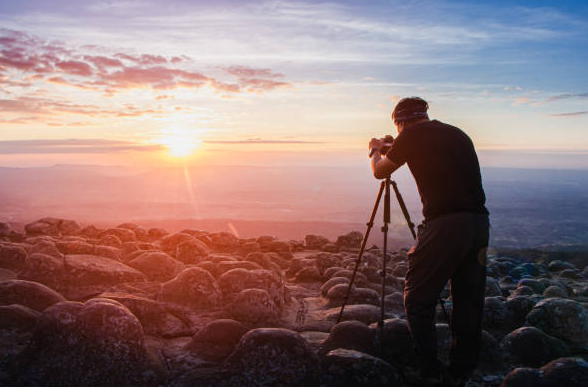
Additionally, there are several accessories that can greatly improve your travel photography experience. A sturdy tripod is essential for stabilizing your camera in low light situations or capturing long exposures. Filters, such as polarizers, can help reduce glare and enhance colors, especially in bright sunny environments. Moreover, having spare batteries and memory cards ensures you will not miss capturing a precious moment due to power or storage issues.
Ultimately, selecting the right camera gear based on your travel needs and personal style is crucial. Consider the environments you will encounter and the type of photography that excites you, allowing these factors to influence your decision. With the right gear in hand, you will be well-equipped to capture the rich tapestry of experiences that travel offers.
Composition Techniques in Travel Photography
Mastering composition in travel photography is essential for capturing stunning images that tell a story. One of the most effective principles is the rule of thirds. This technique involves dividing the frame into nine equal parts using two horizontal and two vertical lines. By placing key subjects along these lines or at their intersections, photographers can create more balanced and engaging images. For instance, when photographing a sunset, position the horizon along the top third of the frame to emphasize the sky, generating a sense of expansiveness.
Another vital technique is utilizing leading lines. These are natural or structural lines within a scene that guide the viewer’s eye toward the subject. Roads, paths, or rivers can serve as effective leading lines, drawing attention to a distant mountain or landmark. Experimenting with perspective can enhance this effect; for example, shooting from a low angle can make these lines appear more dynamic, adding depth to your travel photos.
Framing is another composition method that helps to focus the viewer’s attention on the main subject. By incorporating elements such as archways, windows, or foliage, you can create a natural frame that enhances the overall composition. This technique not only provides context but also adds layers of interest to the photograph. Moreover, consider experimenting with depth by including foreground elements. Doing so can create a three-dimensional feel, drawing the viewer deeper into the scene.
Overall, adopting these composition techniques in travel photography can significantly elevate the quality of your photographs. By thoughtfully applying the rule of thirds, leading lines, framing, and depth, photographers can craft images that resonate and evoke emotion, making memories visually compelling.
Lighting: The Key to Stunning Photos
Lighting is an essential element in travel photography, profoundly influencing the mood and quality of images captured. It is imperative to understand how different times of day affect light quality, especially when seeking to create visually stunning photographs that tell a story. Among the ideal times for outdoor photography are the “golden hour” and the “blue hour.” The golden hour occurs shortly after sunrise and before sunset, producing a soft, warm light that enhances colors and adds depth to images. Conversely, the blue hour, which takes place during dawn and dusk, provides a cooler, bluish hue that can create a serene and moody atmosphere in photos.
Utilizing natural light is often the preferred choice for travel photography. It offers a dynamic range of colors and textures that artificial light may struggle to replicate. However, photographers must also be prepared to navigate varying lighting conditions, from the bright midday sun to dimly lit interiors. Understanding techniques such as exposure compensation and the use of reflectors can help manage these diverse settings. In some circumstances, integrating artificial light sources, such as flashes or portable LED lights, may be necessary to enhance the primary light source or to fill in shadows that can detract from the subject.
As travelers encounter new environments, adapting to the local light conditions can lead to breathtaking photographs. It is beneficial to scout locations beforehand to assess potential lighting challenges, or utilize apps that indicate the position of the sun throughout the day. By mastering the intricacies of light, photographers can elevate their travel photography, capturing moments that resonate with both the aesthetic quality and emotional depth of their experiences.
Capturing Cultural Moments
Travel photography extends beyond merely documenting picturesque landscapes; it encompasses a profound exploration of cultural moments that resonate deeply with both the traveler and their audience. Capturing the essence of different cultures requires a thoughtful approach, one that respects traditions, embraces diversity, and seeks to tell meaningful stories through imagery.
One of the essential aspects of cultural photography is obtaining consent, particularly when photographing individuals. Approaching subjects with respect and politeness can lead to beautiful portraits that reflect the subject’s personality. Always be mindful of local customs regarding photography; some cultures may have specific beliefs about being photographed. Asking for permission not only fosters trust but can also lead to more genuine interactions, enriching your photographic experience.
Telling a story through your images is pivotal in cultural photography. Instead of focusing solely on composing static shots, endeavor to capture moments that reflect the vibrancy of local traditions, ceremonies, or daily life. This storytelling technique allows viewers to connect with the culture on a more profound level, evoking emotions and curiosity. For instance, photographs of dances, festivals, or communal gatherings can provide a narrative that highlights the uniqueness of the culture.
Moreover, being culturally sensitive while photographing local events is crucial. It is important to educate oneself about the traditions and practices of the community being documented. By understanding the context, a photographer can choose the right moments and angles to reflect the dignity and spirit of the people involved. Developing a genuine interest in the community can also help in forming connections that transcend the role of photographer and subject.
Post-Processing Techniques
In the realm of travel photography, capturing those perfect moments is only the beginning of the journey. Post-processing plays a vital role in enhancing travel images, allowing photographers to bring their creative vision to life. Utilizing editing software such as Adobe Lightroom or Photoshop can significantly improve the overall quality of your photographs. Basic editing techniques can transform a good shot into a stunning visual narrative.
One of the primary techniques in post-processing is color correction. Travel photography often involves various lighting conditions that can affect the colors in a photograph. Adjusting the white balance can help restore the natural hues of the scene, making it look more vivid and true to life. Additionally, increasing saturation and vibrance selectively can highlight specific features in the photograph, ensuring important elements stand out without overwhelming the viewer.
Cropping is another essential post-processing technique that helps to draw focus to the subject of the photograph. By removing unnecessary elements from the frame, a photographer can create a more cohesive composition. This adjustment can also help in improving the overall balance and perspective within the image. Image cropping not only enhances aesthetics but also allows for a more dynamic use of space which can be crucial in travel photography.
Moreover, enhancing details such as sharpness and contrast can further elevate travel images. By fine-tuning these elements, photographers can create a sense of depth and clarity that captivates the audience. It is advisable to apply these adjustments thoughtfully to maintain a natural look while ensuring the image remains impactful. An excessive application of any effect can lead to unnatural results, so moderation is key.
With these post-processing techniques, travel photography can be transformed from simple captures into astonishing works of art, truly reflecting the memories and experiences of your travels.
Creating a Shot List
Travel photography can be an exhilarating experience, but without a clear direction, capturing the essence of your journey may prove challenging. One of the most effective ways to ensure you document your travels thoroughly is by creating a shot list. This pre-planned guide acts as a blueprint, offering a structured approach to your photography sessions and allowing you to focus on specific themes and subjects.
When developing your shot list, consider including a variety of shot types to capture the full spectrum of your trip. Landscapes are foundational to travel photography; they embody the natural beauty of a location, from sweeping vistas to intimate natural scenes. Include specific locations where expansive landscapes can be photographed, such as national parks, mountains, or coastlines. Furthermore, architectural shots can tell a story about the culture and history of a place. Identify key buildings and structures that are emblematic of the destination, whether historic cathedrals, modern architecture, or traditional houses.
In addition to landscapes and architecture, street photography is a vital component that often reveals the day-to-day life of local people. Capture candid moments of residents engaging in daily activities, or document lively street scenes filled with markets, public transport, or festivals. A diverse shot list that includes these elements can yield a more dynamic and well-rounded travel portfolio.
While creating a shot list is essential for organization, it is equally important to balance this preparation with spontaneity. Allow time during your travels for unplanned photography opportunities, as some of the most memorable images arise from unexpected moments. By blending a well-constructed shot list with the flexibility to explore, you will enhance your travel photography and create lasting memories.
The Benefits of Traveling Light
Traveling light is an essential principle for any photographer seeking to optimize their travel experience while capturing stunning images. By minimizing the amount of gear transported, photographers can enhance their mobility, allowing them to focus on creativity and spontaneity rather than being burdened by heavy equipment. A lighter load also ensures that photographers can explore diverse environments, from bustling city streets to remote landscapes, without unnecessary encumbrance.
One of the primary advantages of traveling light is the ability to select versatile equipment. Photographers should strive for gear that offers multiple functionalities. For instance, a quality zoom lens can cover a range of perspectives and subject matter, reducing the need to carry several separate lenses. Additionally, modern mirrorless cameras are often lighter than traditional DSLRs, allowing for a more compact setup without compromising image quality.
Prioritizing essential items is another hallmark of successful minimalist travel photography. Before embarking on a journey, photographers should create a checklist of indispensable tools, including a reliable camera body, a versatile lens, a sturdy tripod, and extra batteries. Coupled with a few lightweight accessories, such as polarizing filters or a portable camera bag, this curated selection can ensure that photographers are well-equipped to capture breathtaking shots while maintaining a manageable load.
Packing efficiently is crucial in maximizing the benefits of traveling light. Implementing packing techniques, such as rolling clothing or utilizing packing cubes, helps save space and keeps the gear accessible. Furthermore, packing a multi-use device, like a smartphone with a high-quality camera, can significantly diminish the need for additional equipment, as it offers a convenient option for spontaneous photography moments.
Embracing the practice of traveling light ultimately leads to a more enjoyable and fulfilling photography experience. By employing minimalist strategies, photographers can focus their attention on their surroundings, fostering creativity while capturing memorable moments during their travels.
Storytelling Through Photography
Travel photography serves as a powerful medium for storytelling, allowing photographers to convey the essence of their experiences and the emotions they encountered. When embarking on a journey, the ability to tell a cohesive story through a series of images can leave a lasting impact on viewers, transporting them into the photographer’s world. This involves careful consideration of sequence, contrast, and emotional depth, ensuring each photograph contributes to the overall narrative.
The sequence of images plays a pivotal role in storytelling. A well-thought-out sequence can guide the viewer’s eye and evoke a progressive sense of adventure or discovery. For instance, consider starting with an image of a bustling airport, followed by a shot of the first breathtaking landscape encountered. This transition not only sets the scene but also mirrors the traveler’s journey from the familiar to the unknown. By arranging images in a logical progression, you create a visual narrative that resonates with the audience.
Contrast is another critical element in creating compelling travel stories through photography. Varying the subjects and perspectives—such as juxtaposing serene landscapes with vibrant street scenes—can enhance the viewer’s experience. Such contrasts evoke different emotions and provide a multifaceted view of the travel destination. Moreover, the emotional impact of each photograph cannot be overlooked. Images that capture genuine moments, such as laughter, contemplation, or awe, resonate deeply with viewers, allowing them to connect with the scenes on a personal level.
When curating a photo portfolio, it is essential to reflect the travel experience authentically. Each image should encapsulate not only the highlights of the trip but also the quieter moments that signify personal growth or revelation. By incorporating storytelling techniques into travel photography, the resulting portfolio becomes a rich tapestry of memories, inviting viewers to engage meaningfully with the journey depicted.
Sharing Your Travel Photography
Sharing your travel photography effectively is crucial for connecting with audiences and showcasing the story behind each image. The first aspect to consider is the choice of platform. Various social media channels cater to different audiences; Instagram, with its visual-centric layout, is ideal for sharing stunning images and engaging with a community of travel enthusiasts. On the other hand, platforms like Facebook may allow for a more detailed narrative alongside your photographs, offering a chance to share experiences beyond the visual elements.
Writing engaging captions is equally important when posting travel photos online. A well-crafted caption can make your audience feel a connection to the image, inviting them to experience the moment you captured. Describing the context of the photograph, the emotions you felt, or the challenges faced during the shoot can add depth and enhance viewer engagement. Ensure your captions reflect your voice and style, maintaining authenticity in your storytelling.
Additionally, connecting with other photographers can enrich your travel photography journey. Joining photography groups or forums dedicated to travel photography allows for interaction with like-minded individuals who can provide feedback, tips, and support. Networking within these communities can also lead to collaborations, opening doors for joint projects or exhibitions.
When choosing to exhibit your travel photography, consider local galleries, community centers, or online virtual exhibitions. Presenting your work in these spaces not only allows for a broader audience but also the chance for meaningful conversations around your art. Carefully curating your exhibition can enhance the storytelling aspect, guiding viewers through a visual experience of your travels.
In conclusion, sharing your travel photography goes beyond just posting pictures online. It involves a thoughtful approach to platforms, engaging text, and building connections with fellow photographers. By embracing these strategies, you can effectively share your visual stories and inspire others to embark on their own travel adventures.