

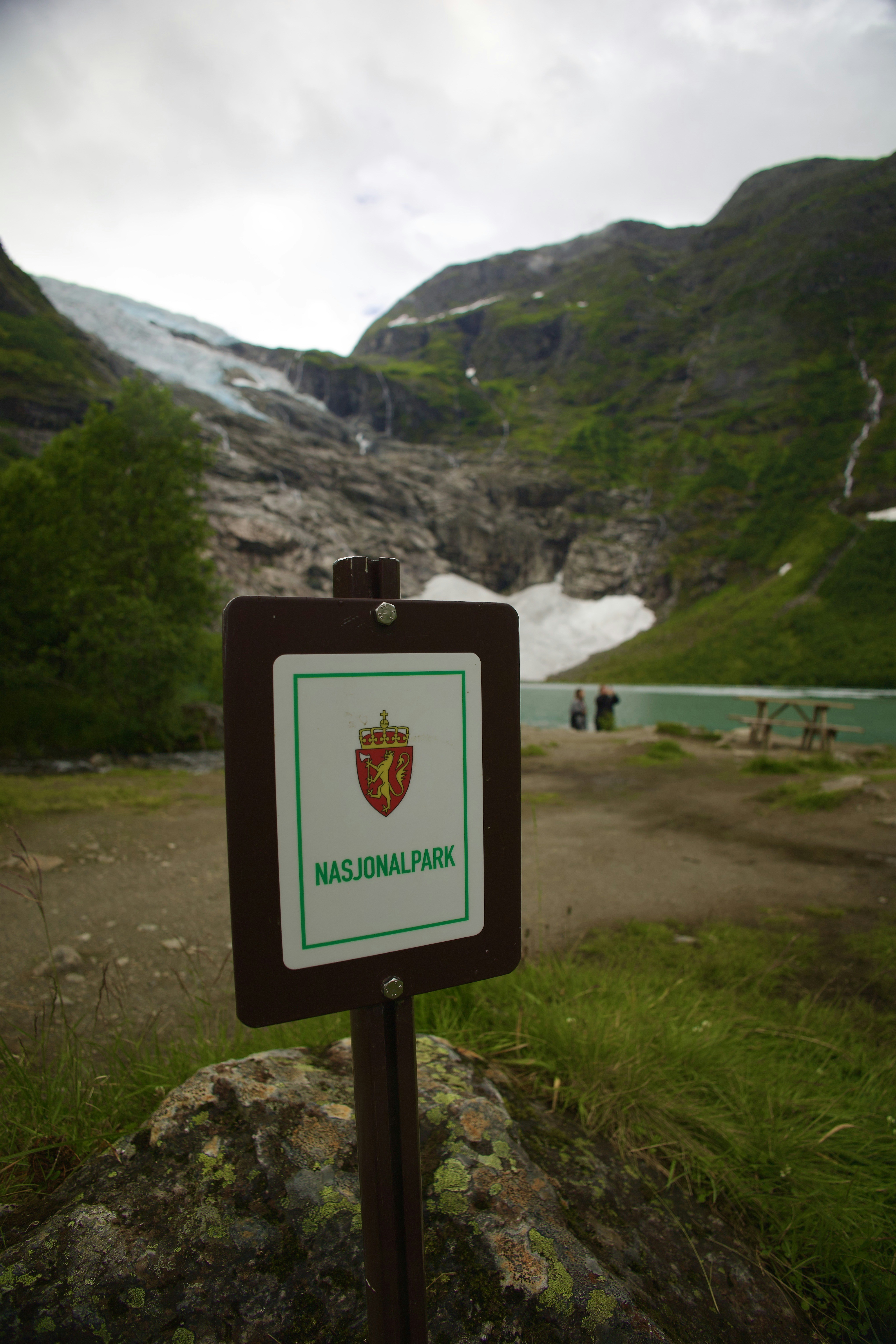
Introduction to National Parks
National parks are designated areas of protected land that serve to preserve the natural beauty, wildlife, and cultural heritage of a region. Established by government legislation, these parks represent a commitment to conservation efforts, providing a sanctuary for diverse ecosystems and species. The significance of national parks lies not only in their ecological importance but also in their role as recreational spaces for visitors seeking solace and adventure in nature.
The establishment of national parks began in the 19th century, with Yellowstone National Park being the first national park in the United States, inaugurated in 1872. This pioneering step set a precedent for the conservation movement, leading to the protection of untamed landscapes across the globe. Today, there are over 400 national parks worldwide, each showcasing unique geological features, flora, and fauna. From the vast canyons of the Grand Canyon to the towering peaks of Denali, these spaces invite exploration and awe.
Moreover, national parks play a crucial role in environmental education by promoting awareness of ecological challenges and the need for responsible recreation. They provide a space for individuals and families to engage in outdoor activities, such as hiking, camping, and wildlife observation while respecting the delicate balance of these ecosystems. Visitors often return home with a renewed appreciation for nature, which reinforces the mission of conservation.
Within national parks, the beauty and diversity of natural environments are preserved for future generations. This preservation allows ecosystems to thrive while also offering countless recreational opportunities for countless visitors each year. As more individuals recognize the importance of these protected areas, national parks continue to be a vital part of our relationship with nature and our collective responsibility towards conservation efforts.
Top National Parks for 2023
As we step into 2023, several national parks have garnered attention for their exceptional offerings, unique landscapes, and accessibility. These parks, each with distinct features, promise an enriching experience for visitors. Here is a list of the top national parks to consider for your travels this year.
1. Yellowstone National Park: Renowned as the first national park in the world, Yellowstone continues to impress with its vast array of geothermal features, including geysers, hot springs, and mud pots. This year, the park is highlighting its commitment to wildlife preservation, showcasing efforts to protect the habitats of its diverse animal species, from bison to grizzly bears. The accessibility of its scenic routes makes it an ideal destination for visitors of all abilities.
2. Zion National Park: Located in Utah, Zion National Park captivates outdoor enthusiasts with its stunning canyons and towering cliffs. This year, the park is particularly attractive for its improved shuttle system, which enhances accessibility and minimizes congestion. Visitors can enjoy renowned trails such as the Narrows or Angels Landing, making it a hotspot for both hikers and photographers.
3. Acadia National Park: Nestled along the rugged coast of Maine, Acadia National Park stands out for its breathtaking ocean views and unique blend of mountains and shorelines. In 2023, the park is emphasizing its spring and fall seasons, which offer spectacular wildflower blooms and vibrant foliage, respectively. The park has also enhanced its visitor services, making it easier for travelers to navigate its many trails and attractions.
4. Glacier National Park: Known for its dramatic mountains and picturesque landscapes, Glacier National Park remains a prime destination for nature lovers. The park is shifting its focus this year towards promoting sustainable tourism practices, ensuring that visitors can enjoy its beauty while preserving it for future generations. The availability of various guided tours also highlights its commitment to visitor education.
5. Great Smoky Mountains National Park: As the most visited national park in the United States, the Great Smoky Mountains continue to attract millions each year. Its rich biodiversity, historic homesteads, and unparalleled hiking trails make it a perennial favorite. This year, special ranger-led programs are being introduced to enhance visitor engagement and education about this incredible ecosystem.
Each of these national parks offers a unique experience and should be considered by those looking to explore the great outdoors in 2023. Whether you seek adventure, relaxation, or education, these parks cater to a variety of interests and can create memorable encounters with nature.
Best Time to Visit Each Park
The timing of a visit to national parks can significantly enhance the experience, given the distinct weather patterns, peak tourist seasons, and special local events unique to each region. Understanding these factors helps travelers plan their adventures more effectively.
For instance, Yellowstone National Park is best visited from late spring to early fall, specifically between May and September. During these months, the weather is generally mild, which is ideal for outdoor activities such as hiking and wildlife viewing. The peak season aligns with school vacations, so visitors should be prepared for larger crowds in July and August.
In contrast, the optimal time for experiencing the breathtaking fall colors in the Great Smoky Mountains National Park is from mid-September through October. The vibrant foliage attracts numerous visitors, particularly during the weekends when various local festivals take place. However, it’s essential to note that lodging can fill up quickly during this period.
Yosemite National Park, another prized destination, sees its peak season in July and August due to the warm weather allowing access to a variety of trails and attractions. Nevertheless, visiting in the spring can be equally rewarding, as the waterfalls are at their fullest, and the wildflowers bloom, creating stunning landscapes.
For Arizona’s Grand Canyon National Park, the periods of late spring and early fall are considered ideal, with mild temperatures that make exploring its vastness comfortable. The summer months can become intensely hot, particularly in the inner canyon areas, which may be a consideration for those undertaking longer hikes.
Ultimately, determining the best time to visit a national park involves researching specific conditions and local events to maximize the enjoyment of the natural beauty each park offers throughout the year.
Activities and Attractions in Each Park
National parks offer a diverse array of activities and attractions that cater to various interests, making them ideal destinations for nature enthusiasts, families, and adventurers alike. Each park has its unique offerings, from breathtaking landscapes to rich cultural experiences.
One of the most popular activities in national parks is hiking. With trails ranging from easy walks to challenging backcountry routes, visitors can explore stunning vistas and immerse themselves in nature. For example, in Yellowstone National Park, the well-known hike toOld Faithful or the breathtaking views from the Grand Canyon of the Yellowstone highlight just how varied the terrain can be. Similarly, the majestic peaks in Yosemite National Park beckon hikers to the renowned Half Dome or Mist Trail, both of which provide unforgettable vistas.
Wildlife viewing presents another compelling attraction in many national parks. Parks such as Denali in Alaska or Everglades in Florida are famous for their unique animal residents. In Denali, visitors may witness the grandeur of grizzly bears, moose, and caribou in their natural habitats. Meanwhile, Everglades National Park offers opportunities to see alligators, manatees, and a myriad of bird species, providing exceptional wildlife photography possibilities.
Scenic driving experiences are also a prominent feature in many national parks. The famous Blue Ridge Parkway, for example, allows travelers to experience the stunning autumn foliage while journeying through the Appalachian Mountains. Similarly, Going-to-the-Sun Road in Glacier National Park offers breathtaking views of snow-capped mountains and glacial lakes, making it a must-see for visitors.
Cultural experiences also enrich the national park visit. Many parks, such as Mesa Verde, provide insights into ancient Native American history through archaeological sites and informative ranger-led programs. Such attractions foster a deeper understanding of the rich history intertwined with the natural environment.
Wildlife Spotting Opportunities
National parks serve as incredible sanctuaries for diverse wildlife, offering visitors unique opportunities to observe animals in their natural habitats. Whether you are an avid birdwatcher or a curious nature enthusiast, the variety of species encountered in these parks is truly remarkable. When planning your visit, it is essential to be aware of the wildlife you may encounter and adopt best practices for respectful observation.
In Yellowstone National Park, for example, one can spot iconic species such as bison, elk, and even the elusive gray wolf. Similarly, in Denali National Park, visitors often have the chance to see grizzly bears, caribou, and Dall sheep on the park’s stunning landscapes. Each national park has its own unique set of wildlife; hence, understanding the types of animals that inhabit these areas can enhance your experience significantly.
When engaging in wildlife watching, it is paramount to maintain a safe distance from the animals to ensure both their safety and yours. Using binoculars or a camera with a zoom lens can help you observe the majestic creatures without disturbing them. Additionally, always adhere to park regulations regarding wildlife viewing and remember not to feed any animals, as this can alter their natural behaviors and pose risks to their health.
Timing your visit can also impact your wildlife spotting success. Early morning and dusk are often the best times for sightings, as many animals are most active during these hours. With some patience and respect for the wildlife, your national park adventure can lead to unforgettable encounters with the natural world, fostering a deeper appreciation for conservation and the beauty of our national heritage.
Camping and Lodging Options
When planning a visit to national parks, selecting the right accommodation is crucial for a comfortable and enjoyable experience. National parks offer a variety of lodging options, catering to different preferences and budgets. For nature enthusiasts, camping is often the preferred choice. Most national parks feature designated campgrounds where visitors can pitch tents or park camper vans. These campgrounds typically provide essential amenities such as restrooms, picnic tables, and fire pits. However, it is important to note that campgrounds can fill quickly, especially during peak seasons, so securing a reservation well in advance is recommended.
For those seeking more comfort, many national parks also offer lodges and cabins. These options vary from rustic to luxurious, allowing guests to enjoy the beauty of the surrounding nature while benefiting from hotel-like conveniences. Lodges often feature on-site dining, spa services, and guided tours, which can enhance the overall experience. Reservations for popular lodges should also be made early, ideally several months ahead, to ensure availability.
In addition to on-site options, there are numerous accommodations available in adjacent towns and cities. These include hotels, motels, and bed-and-breakfasts, providing visitors with more flexibility in terms of price and amenities. When booking accommodations, it is advisable to consider proximity to park entrances and the availability of shuttle services, which can significantly ease travel logistics.
Before making reservations, be sure to check the specific policies and restrictions pertaining to each accommodation, particularly in regard to cancellation, pet policies, and additional fees. Thoughtful planning can lead to a more enjoyable stay, allowing visitors to focus on experiencing the natural wonders that national parks offer.
Travel Tips for National Park Visits
Visiting national parks can be a profoundly rewarding experience, offering breathtaking views and a chance to connect with nature. However, proper planning is essential to maximize enjoyment and ensure safety during your visit. The following tips outline essential considerations for a memorable national park adventure.
First and foremost, packing appropriately is crucial. Ensure to include essentials like a durable daypack, comfortable hiking shoes, and weather-appropriate clothing. Depending on the park’s location and elevation, weather can vary significantly. Always check the forecast ahead of time. Essential items such as a reliable map or GPS device, first aid kit, sunscreen, and insect repellent should also be included to safeguard against the elements and unexpected encounters.
Navigating park entrances is another key aspect of your visit. Most national parks have designated entrances and checkpoints where payment or passes will be required. Familiarize yourself with the park’s entry requirements beforehand to ensure a smooth experience. Many parks now offer the option of purchasing passes online in advance, which can save time and avoid long lines upon arrival. Understanding the park’s layout and available amenities will further enhance your visit.
Safety precautions should never be overlooked when exploring national parks. Stay on marked trails to minimize the risk of getting lost and to protect fragile ecosystems. Always let someone know your plans and estimated return time, especially if embarking on a longer hike. Keep a safe distance from wildlife—observing animals from afar is both safer and provides a better opportunity for photography. Additionally, familiarize yourself with specific park guidelines regarding food storage and behavior toward wildlife.
By adhering to these travel tips for national park visits, you can embark on a well-prepared adventure, ensuring a delightful experience while respecting the natural environment. With the right preparation, your visit to these stunning parks can become an unforgettable journey into the great outdoors.
Environmental Considerations and Sustainability
As national parks continue to attract millions of visitors each year, it becomes increasingly essential to consider the environmental impacts associated with tourism. The delicate ecosystems within these protected areas require vigilant conservation efforts to ensure their longevity and integrity. Sustainable practices are vital for minimizing human footprints while allowing individuals to experience and appreciate these natural wonders.
One of the most effective ways visitors can contribute to sustainability is through responsible behavior on trails and in campsites. Remaining on designated paths helps preserve native flora and fauna, minimizing disturbance to wildlife habitats. Additionally, adhering to park regulations, such as maintaining a safe distance from animals and not feeding them, ensures that nature remains undisturbed and that wildlife does not become reliant on human presence for survival.
Water conservation is also a critical aspect as many parks are located in areas prone to arid conditions. Visitors should strive to consume water responsibly and utilize refillable water bottles to reduce plastic waste. Furthermore, practicing the “Leave No Trace” principles is pivotal; this encompasses cleaning up after oneself, disposing of waste properly, and avoiding the collection of natural items. Implementing these practices not only protects the park’s biodiversity but also sets an example for future visitors.
Park management is increasingly adopting innovative strategies to mitigate environmental impact, such as promoting eco-friendly transportation options and educational programs focused on conservation. Visitors play a key role in supporting such initiatives by choosing sustainable modes of travel, like biking or taking public transit when available. By embracing a mindset oriented toward conservation and sustainability, individuals can transform their interactions with national parks into a proactive approach that fosters environmental stewardship.
Conclusion and Call to Action
As we have explored throughout this blog post, national parks offer some of the most breathtaking landscapes and diverse ecosystems in our country. From the majestic peaks of the Rocky Mountain National Park to the stunning geothermal features found in Yellowstone, each location provides a unique opportunity for adventure and exploration. The parks serve not only as a refuge for wildlife but also as a place for visitors to connect with nature and appreciate the beauty of the great outdoors.
It is important to remember that each national park presents its own distinct experiences and activities, catering to a variety of interests. Whether you are seeking exhilarating hikes, tranquil camping spots, or stunning scenic drives, the national parks are sure to fulfill your expectations. Furthermore, these protected areas play a crucial role in conservation efforts, urging us to respect and preserve the natural beauty we encounter.
We encourage readers to take the insights shared in this post and plan their visits to these remarkable national parks. Preparing for your journey involves considering the best times to visit, the activities that interest you, and the accommodations available nearby. With proper planning, visitors can fully immerse themselves in the wonder these parks offer and create lasting memories.
We invite you to share your experiences and stories after visiting these national parks. By doing so, you contribute to a community of nature enthusiasts who cherish these extraordinary places. As exploration awaits, step outside, embrace the adventure, and witness the beauty of our nation’s natural heritage.