

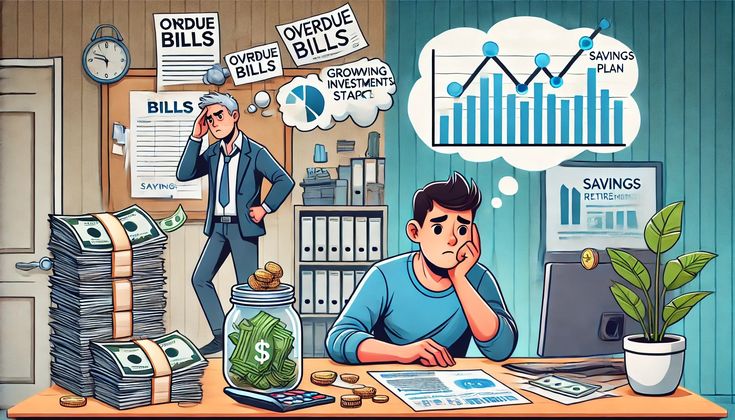
Building wealth is not just about having several sources of income or a high net worth. It often starts with how you plan, save, spend, invest, manage debt, and prepare for future expenses. At CreditCube, we believe building wealth starts with thoughtful planning rather than simply earning more.
So, in this article, you will learn how planning and saving will help your financial future. But first, let’s look at what it means to build wealth. Read on.
Disclaimer: This article is provided for general informational and educational purposes only and should not be considered legal, tax, investment, or financial advice. Financial decisions should be based on your individual circumstances, goals, and risk tolerance. Before making decisions about borrowing, saving, investing, or other financial matters, review the applicable terms, costs, risks, and legal obligations, and consider consulting a qualified professional where appropriate.
What Does It Mean to Build Wealth?
To build wealth means creating long-term financial stability. This often includes budgeting, saving, investing, and managing debt responsibly. So, you are building wealth if you are
- Owning more assets than debts.
- Having savings for emergencies.
- Making progress toward future goals.
- Reducing reliance on high-cost debt.
- Creating financial flexibility over time.
Wealth building might not be the same for every person. Each person’s wealth depends on their income, expenses, debt, and financial goals. Health factors and personal risk tolerance also play a massive role.
Depending on your goals and risk tolerance, long-term investments may include:
- Diversified stock funds.
- Bonds.
- Mutual funds.
- And other investment products.
Shorter-term savings may remain in savings accounts or certificates of deposit (CDs). Note that investment outcomes are not guaranteed. The value of stocks, mutual funds, bonds, and other investment products can increase or decrease depending on market conditions and other factors.
Any investment decision should consider your personal risk tolerance, financial goals, and time horizon. Past performance does not guarantee future results, and you should carefully evaluate the potential risks before investing.
How Does Planning and Saving for Your Future Help You Build Wealth?
Planning and saving for the future help build wealth by shifting a reactive mindset to a proactive one. What this means is that you make earlier plans about your finances while you earn.
Planning and saving create a vital financial buffer. This buffer reduces your dependence on expensive borrowing or on high-interest credit cards.
Planning Gives Your Money a Purpose
Planning gives money a purpose by assigning it a responsible role. Without a plan, money tends to disappear into small, daily expenses. And this does not improve your long-term security. When you give every dollar a specific job, you take total control of your spending habits.
Furthermore, structured financial planning and saving allow one to manage money without pressure. It helps to ensure you fund your retirement goals and education costs. Additionally, it ensures you account for major purchases and family or caregiving needs.
To give your money a purpose, follow the steps below:
- List your immediate financial priorities.
- Set one short-term and one long-term financial goal.
- Review your budget monthly to track progress.
- Adjust the plan whenever your income or expenses change.
Saving Can Protect Your Long-Term Goals
Savings can protect your long-term goals if it is not positioned to cover a single purpose. Most people believe that saving should be for the future, or basically a retirement plan. When in reality it should be your primary defense against everyday chaos.
Building an emergency fund prepares you for sudden job changes or irregular bills. It ensures you can handle urgent medical or other home expenses without stress.
Without planning and savings, emergencies, like a medical crisis or a job loss, can force you to abandon your dreams. You might even end up using your retirement funds or taking on high-interest credit card debt. In the long run, put your life goals completely on hold.
If an emergency requires you to use a credit card or borrow, don’t be in a hurry. Make sure you understand how a credit card works; review total costs, repayment obligations, eligibility criteria, and so on.
How Debt Can Affect Your Ability to Build Wealth
Health complications and other daily life emergencies can cause you to incur debt. Careful borrowing to meet certain emergencies will not affect your ability to build wealth. What affects it is high-cost or unmanaged debt, which can limit financial flexibility.
When a large portion of your monthly income goes toward high-interest costs, your overall cash flow shrinks. This leaves you with less money to put into savings accounts or long-term investments.
The key to breaking this cycle is not avoiding credit entirely. Rather, ensure you understand the terms guiding credit usage. Learn about the costs, repayment terms, and how it may affect your finances. This helps you use credit more responsibly while protecting your long-term financial goals.
Saving and Investing Have Different Jobs
To manage your money better, you must understand that planning and saving are distinct from investing. While both play vital roles in your financial planning strategy, they serve different purposes. Mixing them up can leave you vulnerable during an economic challenge.
The table below breaks down their different roles:
| Savings | Investing |
| Intended for near-term needs and emergencies | Intended for longer-term financial goals |
| Usually easier to access quickly | Can involve significant market risk tolerance |
| May help cover unexpected, urgent costs | May support long-term growth and fight inflation |
| Focuses on stability in secure savings accounts | Focuses on potential growth over time through stocks |
If you are unsure how to balance saving and investing, consider speaking with a qualified financial advisor. You may also compare educational resources from financial institutions before making investment decisions. When using bank savings accounts, check whether deposits are protected by applicable FDIC insurance limits. This is because deposit protection depends on the financial institution and the type of account or product you use, and not all savings products may qualify for the same level of coverage.
Five Habits That Can Help You Build Wealth Over Time
Building financial security requires accountability and consistency. It relies on small, repeatable actions that protect your cash flow.
Here are five practical habits to incorporate into your financial planning and saving routine:
- Track your monthly income and essential expenses closely.
- Set up automatic transfers to your savings accounts on every payday.
- Build a realistic emergency fund gradually, even if it is just $20 a week.
- Review your credit debt balances and exact repayment terms regularly.
- Revisit your financial goals after major life events like marriage, housing shifts, or job changes.
Note: Market performance and economic cycles can affect investment returns, which is why your investment strategy should reflect your goals, time horizon, and risk tolerance.
Common Mistakes That Can Slow Down Wealth Building
Below are mistakes or habits that can stall your planning and saving journey.
- Saving only when money is left over. Waiting until the end of the month usually means saving nothing at all.
- Fix: Treat your savings like a mandatory bill and automate the transfer on payday.
- Not planning for irregular expenses. Annual insurance premiums or holiday shopping can completely shatter a monthly budget.
- Fix: Estimate these yearly costs, divide them by 12, and set aside that amount monthly.
- Using credit without reviewing repayment terms. Card balances can accumulate fast when you only look at the minimum payment.
- Fix: Check your statements weekly to see exactly how much interest you are accumulating.
- Increasing spending every time income rises. Lifestyle inflation can permanently keep you in a paycheck-to-paycheck cycle.
- Fix: When you get a raise, immediately allocate half of the increase directly to your financial goals.
- Avoiding account statements, bills, or debt balances. Ignoring the numbers might reduce temporary anxiety, but it worsens the long-term challenge.
- Fix: Schedule a 15-minute weekly check-in to face your numbers directly.
- Setting goals that are too broad or unrealistic. Vague targets like “save more money” rarely lead to consistent action.
- Fix: Use specific milestones, like building a $1,000 baseline emergency fund in six months.
A Simple Framework for Planning and Saving
You can organize your financial life and build wealth without an advanced financial degree. Below is a simple framework for planning and saving to get you started.
1. Stabilize
Cover your essential bills first. Review your current credit balances and identify immediate financial risks to your income.
2. Protect
Start building your emergency savings gradually. Allocate small, regular amounts to a dedicated emergency fund to cover irregular bills and sudden expenses.
3. Grow
Increase your contributions to long-term investments, stocks, or individual retirement accounts (IRAs). Always do this when your salary increases or your expenses drop.
4. Review
Revisit your strategy regularly on a trusted financial website or app. Update your financial goals after major shifts in your health, housing, or family responsibilities.
Final Thoughts
Insist on planning and saving; it is indeed a great way you can build wealth for the future. Doing both creates structure, flexibility, and long-term direction.
Building wealth does not require perfect decisions or a high income overnight. It often starts with understanding where money goes, preparing for setbacks, and reducing unnecessary financial pressure.
FAQ Section
How does planning and saving for your future help you build wealth?
Planning and saving can help build wealth by creating clear financial priorities. It helps you prepare for unexpected expenses, reducing reliance on debt and supporting long-term goals.
Why is planning important for financial success?
Establishing a financial plan helps you to understand your income and everyday expenses. It helps you know your debt obligations, savings needs, and future intentions. This consistent financial planning makes everyday spending decisions much more intentional.
Can you build wealth without investing?
Investing is often an important part of long-term wealth building because it may help your money grow over time and keep pace with inflation. However, the right approach depends on your financial goals, time horizon, and risk tolerance. Some people focus on building savings first before investing.
How much should I save to build wealth?
The ideal amount depends on your current income and responsibilities. No matter how small, ensure you form the attitude of saving a particular amount. Putting a consistent, realistic amount into your savings accounts each month is far more sustainable.
How can emergency savings support wealth building?
An emergency fund helps you cover sudden, unexpected expenses. This ensures you will not have to take on costly credit card debt. You will also not miss important bills or interrupt your retirement or long-term goals during crises.