
Introduction to Adventure Travel
Adventure travel has emerged as a popular choice for thrill seekers, appealing to individuals who crave unique experiences and the adrenaline rush associated with exploring uncharted territories. This form of travel goes beyond the standard sightseeing of major cities or beaches; it engages travelers in physically demanding and often exhilarating activities. Whether it is scaling a remote mountain peak, navigating turbulent rivers, or trekking through dense jungles, adventure travel is designed for those seeking a break from traditional vacation norms.
The appeal of adventure travel lies in its ability to challenge both the body and the mind. Engaging in such activities not only promotes physical fitness but also fosters personal growth as individuals push beyond their comfort zones. This journey often leads to a sense of accomplishment and fulfillment that cannot be found in more passive forms of travel. In recent years, the concept of adventure travel has gained traction among a broad spectrum of demographics, ranging from seasoned explorers to families looking for unforgettable bonding experiences.
With advancements in safety measures and the rise of specialized tour operators, more travelers are venturing into the realm of thrilling experiences, seeking destinations that offer a mixture of excitement and beauty. The growing popularity of social media platforms has further fueled this trend, as travelers share their stories and stunning visuals, inspiring others to embark on their own adventures.
As environmental awareness and sustainable practices become increasingly critical, adventure travel is evolving to embrace eco-friendly options, ensuring that engaging in thrilling activities aligns with the respect for nature and local communities. In essence, adventure travel is an ever-evolving paradigm that resonates with those who seek excitement and a deeper connection to the world around them.
Top Destinations for Adventure Seekers
Adventure travel attracts enthusiastic globetrotters who yearn for experiences that push boundaries and ignite the spirit of exploration. Among the most sought-after destinations for adventure seekers, New Zealand stands out. Renowned for its breathtaking landscapes, this country offers a unique blend of mountains, lakes, and beaches. Adventure enthusiasts can partake in thrilling activities such as bungee jumping in Queenstown or hiking through the dramatic scenery of the Tongariro Alpine Crossing. The diverse landscapes cater to every type of adventurer, making New Zealand a top choice.
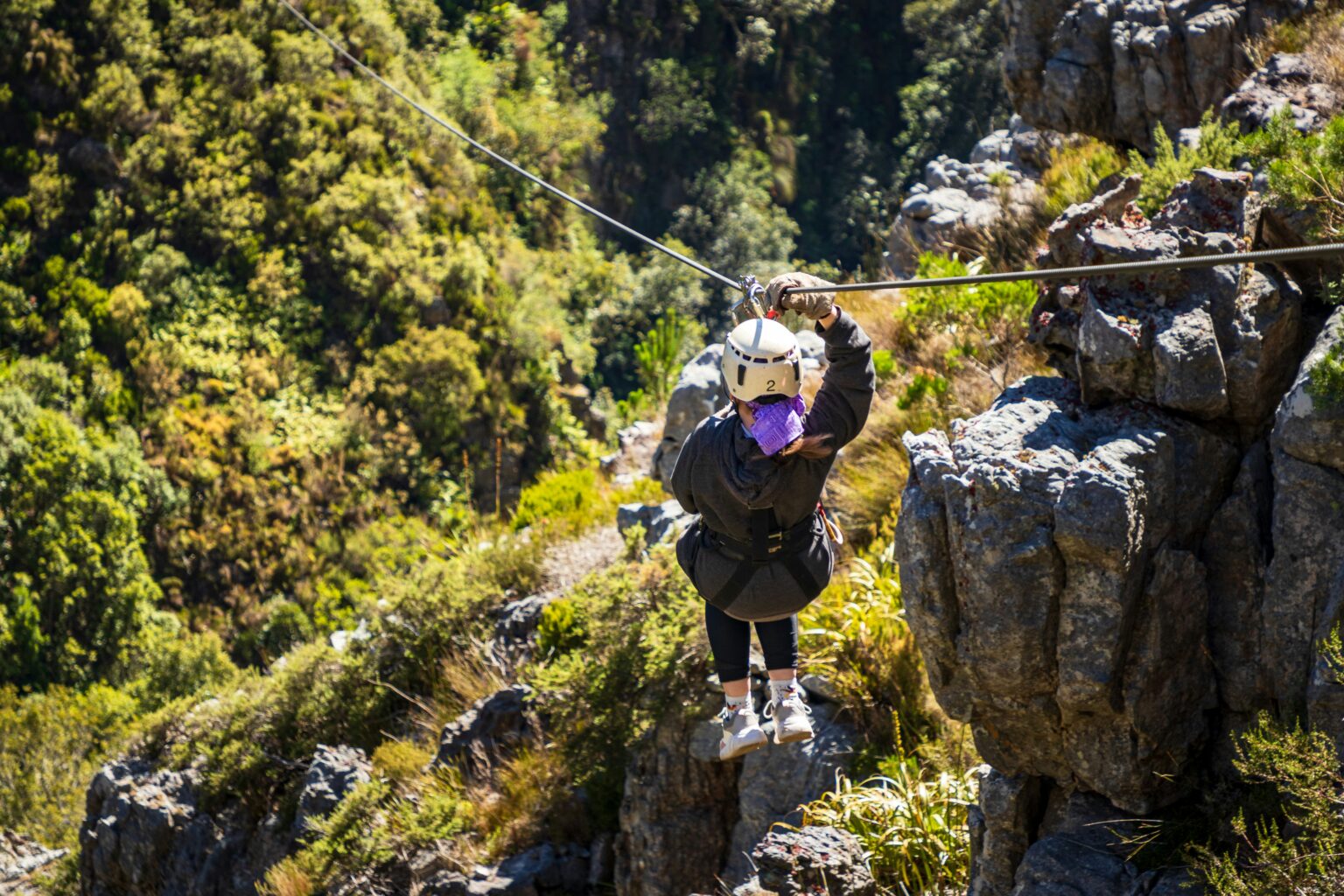
Next, Costa Rica has emerged as a premier destination for eco-tourism and adventure. With its lush rainforests, exotic wildlife, and sandy beaches, Costa Rica offers a myriad of activities. Zip lining through the canopy, white-water rafting in the Pacuare River, and surfing on the Pacific Coast exemplify the exhilarating experiences available here. The country’s commitment to environmental sustainability also adds to its appeal, attracting those who value nature as much as adventure.
Lastly, the stunning region of Patagonia encompasses both Chile and Argentina and is well-recognized for its rugged terrains and stunning natural beauty. Adventure seekers visiting Patagonia can explore the iconic Torres del Paine National Park, known for its challenging hiking trails and dramatic mountain peaks. Activities like glacier trekking and horseback riding across the expansive steppe allow travelers to connect with wild landscapes while indulging in their adventurous pursuits.
In summary, the world is replete with incredible destinations tailored for adventure spirits. From the varied topographies of New Zealand to the thrilling jungles of Costa Rica and the striking beauty of Patagonia, each location provides unique experiences for those who seek a life filled with excitement and discovery.
Types of Adventure Activities
Adventure travel offers a plethora of activities designed to cater to thrill seekers with varying tastes and preferences. These adventure activities can be broadly categorized into several types: mountain climbing, white-water rafting, scuba diving, and extreme sports, each presenting its unique blend of excitement and challenge.
Mountain climbing is an exhilarating activity that promises stunning views and a sense of achievement. Popular destinations for climbers include the majestic peaks of the Himalayas, the Andes, and the Alps. While some routes may be achievable for novices with basic climbing skills, others require extensive mountaineering experience and specialized gear such as harnesses, ropes, and climbing shoes. Mountain climbing suits those who enjoy physical challenges and are comfortable with heights.
Another captivating adventure activity is white-water rafting. Ranging from Class I to Class V rapids, this sport provides an adrenaline rush and tests participants’ teamwork and navigation skills. Suitable for thrill seekers of different experience levels, guided rafting tours often include safety instructions and necessary gear, such as helmets and life jackets. It appeals to individuals searching for camaraderie and excitement on the river.
Scuba diving opens the door to an underwater world, attracting adventure seekers eager to explore marine ecosystems, coral reefs, and shipwrecks. Divers must obtain proper certification and undergo training in dive techniques and safety measures. This activity is ideal for those with a fascination for the ocean, as it offers unique experiences and encounters with diverse marine life.
Extreme sports, including bungee jumping, skydiving, and paragliding, push the boundaries of excitement. These activities attract individuals looking for the ultimate thrill and often require specific safety gear and instructions for participants. Each sport offers an adrenaline-fueled experience, making them perfect for the fearless adventurer seeking unforgettable moments.
Essential Gear for Adventure Travelers
Adventure travel entails a unique set of challenges and experiences, necessitating the right gear to ensure both safety and enjoyment. The first essential category of gear includes safety equipment. Depending on the adventure, this may range from helmets and harnesses for climbing to first-aid kits and emergency beacons for remote trekking. These items are crucial in mitigating risks associated with outdoor activities, providing peace of mind while exploring uncharted territories.
Next, adventurers must consider appropriate clothing suited to varying climatic conditions. Layering systems are highly recommended, allowing travelers to adapt to changing temperatures. Base layers wick moisture away, while insulating layers provide warmth, and outer layers protect against wind and rain. Appropriate footwear, such as waterproof hiking boots or climbing shoes, is vital for ensuring comfort and stability during excursions.
Navigation tools are another necessity for the adventure traveler. In addition to traditional maps and compasses, modern GPS devices and smartphone applications can enhance navigation capabilities, particularly in areas where trails may be unmarked or poorly defined. Knowledge of these tools, alongside basic navigational skills, can be invaluable during expeditions.
Specialized equipment tailored to specific activities must also be considered. For example, kayakers should invest in a quality life jacket and paddling gear, while cyclists may require durable helmets and repair kits. Further, divers need appropriate wetsuits and gear, ensuring safety under the water and optimal performance. By investing in the right adventure gear, travelers can focus on exploration and adventure, comfortable in the knowledge that they are well-prepared for their journeys.
Tips for Planning Your Adventure Trip
When considering adventure travel, selecting the right destination tailored to your individual preferences is paramount. Research extensively to understand what kind of activities each location offers, whether it be hiking, climbing, diving, or any other adrenaline-pumping experience. Evaluate the climate and geographical features to ensure that conditions align with your desired adventure level.
Budgeting for adventure trips is another critical aspect. Establish a financial plan that encompasses transportation, accommodations, activities, meals, and any potential gear requirements. Consider off-season travels for potential savings, but don’t compromise on safety and quality by opting for the cheapest options available.
Finding local guides can significantly enhance your adventure experience. Local guides have firsthand knowledge of the terrain, can provide safety tips, and often have access to hidden gems that are not widely known. Look for reputable companies with good reviews, and confirm that they adhere to safety regulations and environmental considerations.
Ensuring personal safety should be at the forefront of your planning. Inform someone about your travel itinerary and check in regularly. Carry necessary emergency contacts and familiarize yourself with local emergency services in the area you are exploring. Moreover, preparing physically is essential; depending on the activities planned, strength, endurance, and flexibility may need enhancement through regular training in advance of your trip.
Lastly, purchasing travel insurance is a critical part of planning your adventure travel. It provides financial protection against unexpected incidents such as trip cancellations, medical emergencies, and lost personal belongings. Determine which policy best suits your travel needs and ensure that adventure activities are covered under the plan.
Cultural Considerations When Traveling for Adventure
When embarking on adventure travel, thrill seekers should remain cognizant of the cultural dynamics of their destinations. Respecting local traditions and customs not only enhances personal experiences but also fosters a deeper connection with the communities visited. Engaging in activities that honor local heritage can enrich the adventure and promote a more meaningful exploration of the destination.
One crucial aspect of cultural sensitivity involves understanding and adhering to local norms. This might encompass dressing modestly, especially in religious or culturally significant areas, and observing appropriate behaviors during rituals or traditions. Adventure travelers should take the time to research local customs before arrival, which can prevent misunderstandings that could arise between tourists and residents.
Additionally, thrill seekers should aim to engage positively with local communities. This can be achieved by participating in cultural exchanges, supporting local artisans, or seeking guides from the area, thereby promoting economic benefits that stay within the community. Engaging locals can provide insights that enhance the travel experience, allowing adventurers to discover hidden gems beyond the usual tourist paths.
Moreover, sustainable tourism practices are paramount when exploring natural environments. Adventure travelers should be mindful of their impact on local ecosystems. Simple actions like following marked trails, minimizing waste, and respecting wildlife rules contribute positively to conservation efforts. Choosing eco-friendly tour operators can also help ensure that environmental preservation remains a priority during adventure activities.
In conclusion, cultural sensitivity is a vital component of adventure travel. By respecting local traditions, participating in sustainable practices, and actively engaging with communities, thrill seekers can experience transformative adventures that contribute to the welfare of local cultures and environments.
Health and Safety Tips for Thrill Seekers
When engaging in adventure travel, prioritizing health and safety is paramount for a successful experience. One of the critical factors to consider is hydration. In extreme environments, such as deserts or high-altitude areas, the body requires more water than usual. Travelers should aim to drink at least two liters of water daily, adjusting for the intensity of physical activity and climate conditions. Carrying a refillable water bottle and water purification methods can ensure adequate hydration throughout the journey.
Altitude sickness is another concern for those seeking thrilling high-altitude adventures. Symptoms may include headache, nausea, and dizziness, which can escalate if ignored. It is advisable to ascend gradually, allowing the body time to acclimate. Planning itineraries that include rest days at higher altitudes can significantly reduce the risk of altitude sickness. If necessary, medications such as acetazolamide can be discussed with a healthcare provider prior to travel.
Preparation for emergencies is essential for adventure travelers. This involves having a first-aid kit equipped with necessary medications, bandages, and tools for treating minor injuries. Knowledge of the nearest medical facilities and emergency contact numbers can be lifesaving in severe situations. Travelers with pre-existing medical conditions should consult their doctor to ensure they have a documented plan in case of flare-ups during the trip. Additionally, obtaining travel insurance that includes medical coverage can provide peace of mind and financial protection.
Finally, travelers should ensure that all vaccinations are current according to the destinations visited. Consulting travel health clinics well in advance can provide necessary vaccine recommendations. Overall, while adventure travel is exhilarating, attention to health and safety, including staying hydrated, recognizing altitude sickness, and being prepared for emergencies, will enhance any thrilling experience.
Experiences from Other Adventure Travelers
Many adventure travelers share a common thread: the thrill of stepping out of their comfort zones to embrace the unpredictable nature of their journeys. One traveler recounted their experience of hiking the Inca Trail in Peru. Facing challenges including altitude sickness and rugged terrain, they pushed through, finding strength within themselves and a sense of camaraderie with fellow hikers. This shared struggle transformed a physically demanding trek into a bonding experience, underscoring the profound personal growth often birthed from adventure.
Another adventurer detailed their exhilarating experience while white-water rafting in Costa Rica. They faced swirling rapids and sudden drops, an encounter that encouraged them to relinquish control and trust the equipment and their guide. By surrendering to the moment, they found a sense of freedom and joy that reshaped their outlook on fear in daily life. Such narratives illuminate how adventure travel not only tests physical limits but also enhances one’s mental resilience.
A solo traveler shared how a backpacking trip across Southeast Asia transformed their perspective. Engaging with the local culture, overcoming language barriers, and navigating unknown places fostered independence and confidence. Each challenge faced became an opportunity for learning, whether it be finding transportation or learning to communicate with locals. Such experiences emphasize the enriching rewards of adventure travel, highlighting its capacity to foster personal growth, cultural appreciation, and memorable connections.
The collective stories of these adventurers serve as both inspiration and a reality check for those considering their own excursions into the unknown. As they have discovered, immersing oneself in adventure travel opens doors to self-discovery, camaraderie, and unforgettable experiences. Thoughtful reflection on their journeys will encourage others to embrace the excitement and potential for growth that lies in embarking on their own adventurous paths.
Conclusion and Encouragement to Embark on Your Own Adventure
Adventure travel offers a unique opportunity to break away from the mundane and experience life in extraordinary ways. The excitement that comes from engaging in thrilling activities—whether it’s trekking through lush forests, scaling challenging mountains, or delving into vibrant cultures—is incredibly fulfilling. Many travelers find that these experiences not only invigorate the spirit but also foster personal growth and broaden perspectives.
As you contemplate your own adventure travel plans, remember that stepping outside of your comfort zone often leads to profound personal discoveries. Each new experience can cultivate resilience, adaptability, and a deeper understanding of the world around us. For instance, pushing oneself physically in an extreme sport or immersing oneself in unfamiliar locales allows for significant transformations that can last a lifetime.
To help you embark on your journey, consider exploring resources that cater specifically to adventure enthusiasts. Websites such as Adventure Travel Trade Association and travel-focused platforms provide invaluable insights and practical information, from local guides to safety tips. Additionally, reading traveler blogs and participating in forums can help you connect with like-minded individuals who share a passion for exploring new horizons.
In conclusion, adventure travel has the potential to enrich your life immeasurably, by providing not only thrills but also a chance to reflect and grow. We encourage you to dive into the journey ahead with enthusiasm and an open heart. There is a world of adventure waiting for you to discover, so take the leap and start planning your next exciting escapade. Your thrilling adventure is just around the corner!