

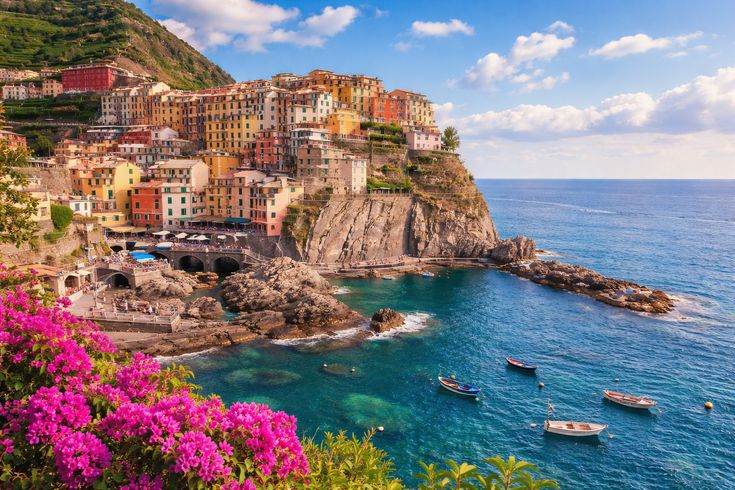
Introduction to Italian Cities
Italy is renowned as a premier travel destination, appealing to visitors from all corners of the globe. This captivating country boasts a rich cultural heritage that is evident in its architecture, art, and traditions, making it a beacon for those seeking more than just a vacation. Every Italian city presents its own unique tapestry of history, offering travelers a chance to immerse themselves in stories that date back to ancient times.
The historical significance of Italy can be witnessed in places like Rome, the nation’s capital, where the remnants of the Roman Empire stand as a testament to its grandeur. Visitors are often taken aback by landmarks such as the Colosseum, the Roman Forum, and the Pantheon, which collectively narrate the saga of a civilization that once ruled vast territories. Beyond Rome, cities like Florence, the cradle of the Renaissance, showcase unparalleled masterpieces by artists such as Michelangelo and Botticelli, reflecting the artistic innovation that flourished during this period.
Moreover, Italy’s diverse landscapes are another compelling reason to explore its cities. From the romantic canals of Venice to the rolling hills of Tuscany, each region presents its own distinct character. The coastal city of Amalfi captivates with its stunning cliffside views and crystal-clear waters, while the alpine towns in the north offer a contrasting experience of serene lakes and majestic mountains.
In summary, Italy is a country that melds its historical depth with breathtaking natural beauty, making it a must-visit for any traveler. The varied offerings of its cities—rich in culture, history, and landscape—prepare the ground for an unforgettable vacation experience, setting the stage for a closer look at specific Italian destinations that embody these attributes.
Rome: The Eternal City
Rome, often referred to as the Eternal City, is a destination that captivates visitors with its rich history and vibrant culture. As the capital of Italy, it boasts an array of iconic landmarks and attractions that resonate with the essence of ancient civilization. One of the most remarkable sites in Rome is the Colosseum, an architectural marvel that illustrates the grandeur of the Roman Empire. This ancient amphitheater, known for its gladiatorial contests and public spectacles, continues to attract millions of tourists each year.
In close proximity to the Colosseum lies the Roman Forum, a historic marketplace that served as the heart of Roman public life. Wandering through its ruins, visitors can gain a profound appreciation for the political, social, and economic life of ancient Romans. The remnants of temples, basilicas, and public spaces provide a glimpse into a bygone era and allow individuals to envision the bustling activities that once occurred there.
Equally captivating is Vatican City, an independent city-state enclaved within Rome. It is home to St. Peter’s Basilica, a spectacular church known for its stunning dome designed by Michelangelo. Furthermore, the Vatican Museums house an extensive collection of art and historical artifacts, culminating in the breathtaking Sistine Chapel, renowned for its magnificent frescoes. The blend of spirituality and artistry found here makes Vatican City a must-visit for anyone traveling to Rome.
Beyond its historical landmarks, Rome is distinguished by its lively atmosphere, accentuated by charming piazzas such as Piazza Navona and Piazza di Spagna. These vibrant squares are perfect for indulging in traditional Italian cuisine, featuring dishes like pasta carbonara and gelato, which are essential to the Roman dining experience. Strolling through the streets of Rome, visitors can enjoy the melody of laughter and conversation that fills the air, contributing to the city’s allure. Overall, a visit to Rome promises not only a journey through history but also an immersion into a cultural tapestry that is truly unforgettable.
Florence: The Cradle of the Renaissance
Florence, widely regarded as the cradle of the Renaissance, is a city that boasts an extraordinary artistic and architectural heritage. This charming Italian city, nestled in the heart of Tuscany, has played a pivotal role in the development of Western art and culture. Its rich history dates back to the Roman times, but it was during the 14th to 16th centuries that Florence truly flourished, emerging as a center of creativity and innovation.
One of the most iconic landmarks in Florence is the Uffizi Gallery, which houses an impressive collection of masterpieces from some of the most famous artists of the Renaissance period. Visitors can marvel at works by Botticelli, Michelangelo, and Leonardo da Vinci, among others. The gallery not only offers a glimpse into the artistic genius of its creators but also provides insight into the historical context that shaped their work. With its exquisite art collection, the Uffizi Gallery attracts art lovers and history enthusiasts from across the globe.
Another architectural marvel in Florence is the Florence Cathedral, or the Cathedral of Santa Maria del Fiore. This magnificent structure, with its iconic dome designed by Filippo Brunelleschi, is a testament to the engineering prowess and artistic mastery of the Renaissance era. The cathedral’s stunning façade, adorned with intricate sculptures and colorful marble, adds to the city’s cultural significance. Inside, visitors can appreciate the grand interior, featuring stunning frescoes and artworks that reflect the spiritual and artistic aspirations of its time.
Florence’s influence extends far beyond its physical landmarks; the city has been a source of inspiration for countless artists, thinkers, and writers throughout history. Its spirit continues to thrive, making it a vital hub for contemporary culture and creativity. A visit to Florence is not just a journey through time; it is an opportunity to experience the very essence of the Renaissance, a period that forever altered the trajectory of art and civilization.
Venice: The City of Canals
Venice, often referred to as the City of Canals, is renowned for its unique and picturesque waterways that weave through its historic landscape. This enchanting city, located in northeastern Italy, boasts an intricate network of canals that serve as the main thoroughfares, creating a distinctive charm that captivates visitors from around the globe. The iconic gondola rides through these waterways offer not only a romantic experience but also a unique perspective of the city’s architectural marvels.
The major landmark of Venice, St. Mark’s Basilica, exemplifies the city’s rich historical and cultural heritage. This stunning cathedral, adorned with intricate mosaics and elaborate architecture, draws thousands of tourists and is a must-visit destination. Nearby, the bustling St. Mark’s Square serves as a vibrant gathering place filled with cafés and shops, providing an energetic atmosphere that embodies the spirit of Venice.
However, beyond the well-known attractions, Venice is also home to several hidden gems that await discovery. Exploring the winding streets and quiet alleys can lead to unexpected treasures such as quaint shops, local artisan workshops, and charming squares filled with authentic Venetian dining experiences. These lesser-known spots often provide an intimate glimpse into the local culture that larger tourist attractions may overshadow.
The romantic atmosphere of Venice is palpable, especially at sunset when the canals reflect the warm hues of the fading light. Couples can be seen enjoying leisurely walks along the waterfront or sharing a gondola ride, making memories against the backdrop of beautifully lit buildings and serene waters. Whether it is savoring a gelato while strolling through the city or discovering a secluded piazza, Venice promises an unforgettable experience that lingers long after the visit.
Milan: The Fashion Capital
Milan is widely recognized as one of the leading fashion capitals in the world. The city not only serves as a hub for luxury fashion brands but also plays a vital role in shaping global trends. With its elegant boutiques and designer stores, Milan offers an unparalleled shopping experience, attracting fashion enthusiasts from all corners of the globe. The city hosts numerous fashion events throughout the year, including Milan Fashion Week, which showcases the latest collections from renowned designers.
Beyond its fashion scene, Milan is steeped in rich history and culture, making it a multifaceted destination. At the heart of the city lies the stunning Duomo di Milano, an architectural masterpiece that epitomizes the Gothic style. Visitors to the Duomo can marvel at its intricate sculptures and soaring spires, and for those seeking breathtaking views, the rooftop offers an unforgettable panoramic glimpse of the city. The Duomo is not just a monument; it is a symbol of Milan’s heritage and a must-visit for anyone traveling to this vibrant city.
In addition to the Duomo, the Teatro alla Scala, known simply as La Scala, stands as another landmark that highlights Milan’s cultural depth. As one of the most prestigious opera houses in the world, La Scala has hosted countless performances since its opening in the 18th century. Whether one is a lover of classical music or a first-time visitor, attending a performance here is an extraordinary experience that connects one to the city’s artistic traditions.
The blend of modern and historical attractions in Milan creates a dynamic atmosphere that appeals to a wide range of visitors. With its thriving fashion scene, iconic landmarks, and rich cultural offerings, Milan has rightfully earned its place as a must-visit destination for an unforgettable vacation in Italy.
Naples: A Taste of Authentic Italy
Naples, often cited as the birthplace of pizza, stands as a vibrant testament to Italy’s rich culinary heritage. This bustling city, located in the shadow of the iconic Mount Vesuvius, offers visitors a unique blend of historical significance and culinary delight that is hard to find elsewhere. The very essence of Italian cuisine can be experienced through the local delicacies, with pizza at the forefront, where simple ingredients such as tomatoes, mozzarella, and fresh basil come together to create a dish celebrated worldwide.
Navigating through the lively streets of Naples, one can feel the energy radiating from the local markets. These markets, teeming with seasonal produce, artisanal goods, and local cheeses, reflect the country’s commitment to freshness and tradition in culinary practices. Engaging with vendors and tasting local products provides not only a glimpse into everyday life in Naples but also an appreciation for the region’s specialties. Visitors are encouraged to explore neighborhood trattorias where generations have perfected their recipes, ensuring an authentic dining experience.
In addition to its culinary prowess, Naples is conveniently located near several historical sites, most notably Pompeii. This ancient city, preserved under volcanic ash, offers a fascinating glimpse into life during the Roman Empire. A day trip to Pompeii is often recommended for those eager to delve deeper into Italy’s storied past while enjoying the present offerings of Naples. The juxtaposition of the historical ruins with the lively atmosphere of modern Naples creates an enriching experience for travelers.
As dusk falls, the city transforms into a vibrant canvas of lights and sounds. The bustling piazzas fill with locals and tourists alike, indulging in gelato or simple Neapolitan pizza served fresh and hot. Naples, with its unique allure and rich heritage, proves to be an essential destination for anyone seeking the true flavors of Italy and a taste of its historical significance.
Bologna: The Food Capital
Bologna, a city nestled in the heart of Italy, is renowned as the food capital of the country, offering an array of culinary delights that draw food enthusiasts from around the world. The city boasts a rich gastronomic tradition, characterized by its celebrated local ingredients and time-honored recipes. Visitors to Bologna can savor iconic dishes such as tagliatelle al ragù, more commonly known as spaghetti Bolognese, which exemplifies the depth of flavors that the region has to offer.
The robust gastronomy scene in Bologna is complemented by its bustling food markets, where locals and tourists alike gather to experience the vibrant atmosphere. Mercato di Mezzo, a historical market, showcases a variety of fresh produce, artisanal cheeses, and cured meats. These market experiences not only cater to the palate but also provide an insight into the city’s culinary heritage. Through cooking classes and food tours, visitors have the opportunity to learn about traditional cooking methods directly from the locals, enhancing their appreciation for Bologna’s distinctive flavors.
Moreover, Bologna is home to the oldest university in the world, the University of Bologna, established in 1088. This historic institution contributes to the city’s vibrant culture, as it attracts students and scholars who bring their diverse backgrounds and experiences. The city is alive with cultural festivals that celebrate its rich traditions, including the famous Bologna Food Festival, which showcases local dishes and wines, allowing visitors to indulge in the very best that the region has to offer.
The melding of Bologna’s culinary excellence with its rich academic heritage creates a unique atmosphere that is both intellectually stimulating and gastronomically satisfying. As you explore this dynamic city, you will undoubtedly find that the spirit of Bologna lies not only in its foods but also in its warm and welcoming community.
Siena: A Medieval Treasure
Siena, a city located in the heart of Tuscany, is renowned for its rich historical significance and is often regarded as one of the most charming medieval towns in Italy. Founded in the 9th century, this city has maintained its medieval architecture remarkably well, providing visitors with a glimpse into its glorious past. The entire historic center of Siena is classified as a UNESCO World Heritage site, contributing to its appeal as a top destination for travelers seeking an unforgettable vacation.
The architectural layout of Siena is characterized by narrow winding streets, beautiful piazzas, and striking buildings that date back to the Middle Ages. Among the highlights is the renowned Piazza del Campo, known for its unique shell shape and vibrant atmosphere. In this square, visitors can marvel at the stunning Palazzo Pubblico, which houses the famous frescoes created by renowned artists. The city is also famed for its cathedral, the Duomo di Siena, which features an awe-inspiring façade adorned with intricate marble work and a breathtaking interior, rich with artworks from the Renaissance period.
A significant event that draws tourists to Siena each year is the Palio di Siena, a historic horse race that occurs every July and August. This thrilling race involves contradas, or neighborhoods, competing against each other, showcasing a blend of local tradition, competitive spirit, and community pride. Each contrada has its own unique colors and symbols, making the event a vibrant celebration of Siena’s culture. The Palio enlivens the city, attracting visitors who wish to experience the excitement and camaraderie of this storied tradition.
The stunning countryside surrounding Siena adds to its allure, with picturesque rolling hills, vineyards, and olive groves, which encapsulate the essence of Tuscany. Visitors can embark on leisurely walks or bike rides through the countryside, discovering the beauty of the landscape and the charm of nearby villages. In conclusion, Siena is a timeless treasure that offers an enchanting mixture of history, culture, and natural beauty, making it a must-visit destination for anyone traveling to Italy.
Conclusion: Embracing the Italian Experience
Italy, with its rich tapestry of history, culture, and breathtaking landscapes, offers an array of experiences that cater to every type of traveler. From the romantic canals of Venice to the historic streets of Rome, each city provides unique treasures waiting to be discovered. Florence enchants with its artistic heritage, showcasing masterpieces from legendary artists, while the Amalfi Coast lures visitors with its stunning coastal vistas and delectable cuisine.
Travelers embarking on a journey to Italy will find an abundance of historical landmarks and vibrant local cultures. The architectural splendor of the Duomo in Florence captivates visitors, while the ancient ruins of Pompeii tell a story of a civilization preserved in time. Each destination invites travelers to immerse themselves in its offerings, whether it’s savoring authentic Italian pasta, exploring local markets, or indulging in time-honored traditions.
As one traverses the charming streets of these cities, it becomes evident that Italy’s beauty lies not only in its physical landscapes but in the warmth of its people and the richness of its traditions. Whether you are sipping espresso at a sidewalk café or wandering through vineyards in Tuscany, every moment spent in Italy is a chance to engage with its unique culture.
In conclusion, when planning your next vacation, consider the diverse experiences that Italy has to offer. From art and history to gastronomy and stunning scenery, this country promises an unforgettable journey that captures the essence of its spirit. Embrace the Italian experience, and allow it to leave an indelible mark on your travel memories.