

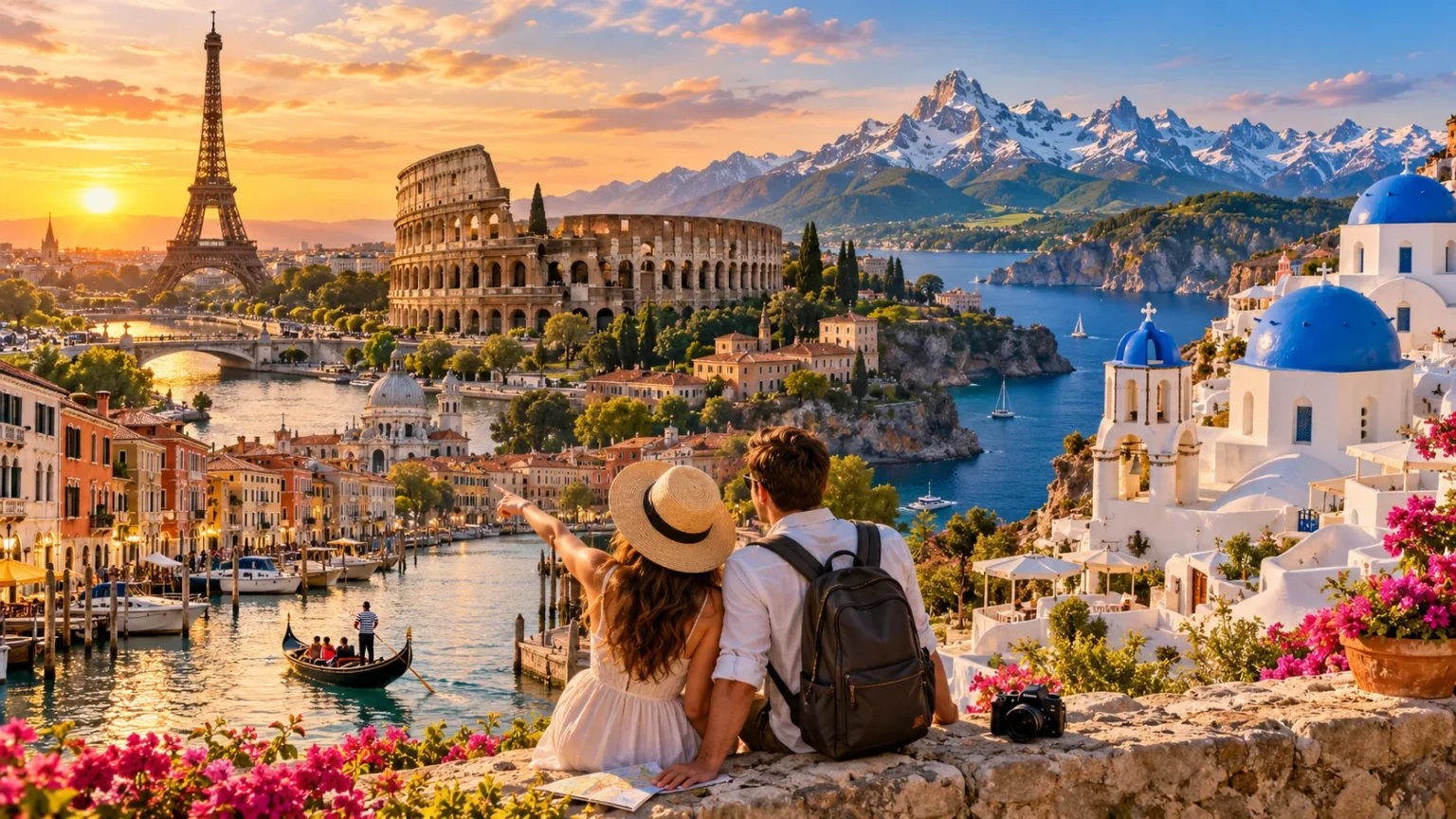
Europe is home to some of the world’s most beautiful destinations, offering a remarkable combination of historical landmarks, breathtaking landscapes, vibrant cities, and cultural experiences. From the romantic streets of Paris to the spectacular mountains of Switzerland, every destination has something special to discover. Exploring the top places to visit in Europe can help travelers plan memorable adventures filled with famous attractions, natural wonders, and unforgettable experiences.
Whether you enjoy exploring ancient buildings, relaxing on Mediterranean beaches, discovering local traditions, or walking through charming old towns, Europe has destinations for almost every travel preference. Many cities are connected by convenient transportation networks, making it possible to explore several countries during one trip. This guide highlights some of the best European destinations and must-see attractions worth considering for your next vacation.
Paris, France – Discover the City of Lights
Paris is one of the most famous travel destinations in Europe, known for its romantic atmosphere, beautiful architecture, and world-class cultural attractions. The city attracts travelers interested in history, art, fashion, and French cuisine. Walking along its picturesque streets reveals elegant buildings, charming cafés, and iconic landmarks that make Paris a memorable destination.
The Eiffel Tower is among the city’s most recognizable attractions, offering impressive views across Paris from its observation levels. Visitors can also explore the Louvre Museum, home to remarkable artworks, including the Mona Lisa. Other popular places include the Arc de Triomphe, Montmartre, and the historic streets surrounding the Seine River.
For a more relaxed experience, spend time in the Luxembourg Gardens or explore neighborhoods filled with independent shops and traditional bakeries. Evening walks near the Seine offer beautiful views of illuminated bridges and historic buildings. Spring and early autumn are particularly appealing for sightseeing, although Paris attracts visitors throughout the year.
Rome, Italy – Explore Ancient History and Architecture
Rome offers an extraordinary combination of ancient history, impressive architecture, and lively Italian culture. Known as the Eternal City, it features historical monuments that reflect centuries of political, artistic, and religious development. Travelers can explore remarkable archaeological sites while enjoying traditional Italian restaurants, public squares, and atmospheric streets throughout the city.
The Colosseum is one of Rome’s most celebrated landmarks, offering insight into entertainment and public life in ancient times. Nearby, the Roman Forum contains the remains of important government buildings, temples, and public spaces. The Pantheon, Trevi Fountain, and Spanish Steps are other attractions that showcase the city’s fascinating architectural heritage.
A visit to Vatican City adds another memorable experience to a trip to Rome. Travelers can admire St. Peter’s Basilica and explore the Vatican Museums, including the famous Sistine Chapel. Comfortable walking shoes are essential because many attractions are best explored on foot, especially around the city’s historic center.
Venice, Italy – Experience Romantic Canals and Historic Streets
Venice is unlike most European cities because its historic center is built across islands connected by canals and pedestrian bridges. Its beautiful waterways, distinctive architecture, and narrow streets attract visitors from around the world. Exploring Venice feels particularly memorable because many traditional urban streets are replaced by canals filled with boats.
The Grand Canal is the city’s main waterway, passing elegant historic buildings and famous bridges. St. Mark’s Square is another major attraction, surrounded by remarkable architecture, including St. Mark’s Basilica and the Doge’s Palace. The Rialto Bridge provides one of the best-known views of Venice’s waterways and surrounding historic buildings.
Visitors can also explore quieter neighborhoods away from the busiest tourist routes. The nearby islands of Murano and Burano are popular for traditional glassmaking and colorful waterfront houses. Traveling during spring or autumn can make walking more comfortable, although visitors should remain aware of possible seasonal high-water conditions.
Barcelona, Spain – Enjoy Art, Beaches, and Unique Architecture
Barcelona is one of Europe’s most exciting coastal cities, combining Mediterranean beaches with creative architecture and lively urban culture. Located in northeastern Spain, it attracts travelers interested in art, outdoor activities, food, and historical attractions. The city’s distinctive atmosphere makes it suitable for both relaxed vacations and sightseeing adventures.
One of Barcelona’s most famous landmarks is the Sagrada Família, an extraordinary basilica designed by architect Antoni Gaudí. Visitors can also explore Park Güell, known for its colorful decorative elements and unusual architectural details. Casa Batlló and Casa Milà are other remarkable examples of the city’s modernist architectural heritage.
Beyond its famous buildings, Barcelona features attractive beaches, lively markets, and charming neighborhoods. Walking through the Gothic Quarter reveals narrow medieval streets, historic squares, and traditional restaurants. Travelers can also enjoy coastal views or explore Montjuïc, where gardens and cultural attractions provide a quieter break from the busy city center.
Amsterdam, Netherlands – Explore Beautiful Canals and Museums
Amsterdam is a charming European destination known for its picturesque canals, historic buildings, and extensive cycling culture. The city combines a relaxed atmosphere with fascinating museums, vibrant neighborhoods, and attractive public spaces. Visitors can explore many central attractions on foot while enjoying views of traditional canal houses and elegant bridges.
The Anne Frank House is among Amsterdam’s most significant historical attractions, helping visitors understand an important personal story from the Second World War. Art lovers can explore the Rijksmuseum and Van Gogh Museum, which feature celebrated collections. A canal cruise is another popular way to experience the city’s distinctive waterways and architecture.
Amsterdam also offers beautiful parks, local markets, and inviting neighborhoods beyond the main tourist attractions. Vondelpark is a pleasant location for relaxing walks, while the Jordaan district features charming streets and independent shops. Spring is especially popular because visitors may also explore seasonal tulip displays in the surrounding region.
Swiss Alps, Switzerland – Discover Spectacular Mountain Scenery
The Swiss Alps are among the most breathtaking natural destinations in Europe, featuring snow-covered peaks, green valleys, mountain villages, and crystal-clear lakes. Travelers visit the region for its dramatic landscapes and opportunities to enjoy nature throughout the year. The combination of scenic transportation routes and picturesque towns makes Switzerland especially appealing to outdoor enthusiasts.
Interlaken is a popular base for exploring the Bernese Oberland region and nearby mountain attractions. Visitors can experience panoramic scenery around Grindelwald and Lauterbrunnen, where waterfalls and steep mountain cliffs define the landscape. Zermatt is another famous destination, celebrated for its views of the distinctive Matterhorn mountain.
Summer is suitable for scenic walks, mountain excursions, and exploring alpine villages, while winter attracts visitors interested in snowy landscapes and winter sports. Switzerland’s trains and mountain transport systems connect many well-known destinations. Travelers should consider accommodation and transportation expenses carefully because visiting popular Swiss mountain regions can be relatively expensive.
Santorini, Greece – Enjoy Stunning Islands and Sea Views
Santorini is one of the most beautiful Greek islands, famous for its whitewashed buildings, blue-domed churches, and dramatic views across the Aegean Sea. The island’s volcanic landscape and coastal villages attract travelers looking for scenic surroundings. Its combination of traditional architecture, striking cliffs, and Mediterranean atmosphere makes it a distinctive European destination.
Oia is particularly famous for its picturesque streets and sunset views overlooking the caldera. Fira, the island’s main town, offers restaurants, shops, and beautiful viewpoints along the cliffs. Visitors can also explore archaeological attractions such as Akrotiri, which preserves evidence of an ancient settlement affected by a volcanic eruption.
Santorini offers more than attractive photographs and famous sunsets. Travelers can visit volcanic beaches, explore traditional villages, and take boat excursions around the caldera. Late spring and early autumn can be appealing for sightseeing because summer often brings intense heat and large numbers of visitors to popular coastal viewpoints.
Athens, Greece – Walk Through Ancient Greek History
Athens is an excellent destination for travelers interested in ancient civilizations, archaeological discoveries, and Mediterranean culture. As the capital of Greece, the city combines important historical landmarks with lively neighborhoods and modern attractions. Walking through Athens allows visitors to explore sites connected to philosophy, democracy, architecture, and the development of classical Greek civilization.
The Acropolis is the city’s most famous archaeological landmark, standing above Athens on a rocky hill. Its impressive ancient structures include the Parthenon, a temple dedicated to the goddess Athena. The nearby Acropolis Museum displays significant archaeological discoveries and helps visitors understand the history and cultural importance of these ancient monuments.
Beyond the archaeological sites, Athens offers vibrant markets, traditional restaurants, and attractive neighborhoods. Plaka is particularly popular for its narrow streets, colorful shops, and inviting atmosphere beneath the Acropolis. Travelers can also explore the Ancient Agora or enjoy panoramic city views from Mount Lycabettus during a comfortable evening walk.
Prague, Czech Republic – Explore a Fairytale European City
Prague is one of the most picturesque cities in Central Europe, known for its medieval architecture, historic bridges, and charming public squares. The Czech capital features beautifully preserved buildings that reflect different periods of European history. Its walkable historic center makes it especially appealing to travelers who enjoy architecture, photography, and cultural exploration.
Charles Bridge is among Prague’s most recognizable landmarks, connecting important historical neighborhoods across the Vltava River. Prague Castle dominates the skyline and includes significant attractions such as St. Vitus Cathedral. The Old Town Square is another popular destination, featuring colorful buildings and the famous medieval Astronomical Clock.
Visitors can enjoy scenic riverside walks, explore traditional cafés, and discover quieter streets beyond the main tourist routes. The Malá Strana neighborhood is particularly attractive because of its historic atmosphere and beautiful architecture. Prague is enjoyable during different seasons, although spring and autumn often bring comfortable conditions for extended walking tours.
Vienna, Austria – Experience Imperial Palaces and Cultural Heritage
Vienna is a sophisticated European destination known for its imperial history, elegant architecture, classical music, and traditional coffeehouse culture. Austria’s capital features magnificent palaces, beautiful gardens, and impressive public buildings. The city is particularly appealing to travelers who appreciate art, historical attractions, and a relaxed atmosphere with convenient public transportation.
Schönbrunn Palace is one of Vienna’s most celebrated attractions, featuring elaborate historic interiors and extensive landscaped gardens. The Hofburg Palace complex reflects the city’s imperial heritage, while St. Stephen’s Cathedral stands prominently in the historic center. Art enthusiasts can also explore major museums displaying works from different artistic periods.
Vienna’s traditional cafés are an important part of the local cultural experience, making them pleasant places to relax between sightseeing activities. Visitors can explore the Naschmarkt, walk through attractive public gardens, or enjoy the atmosphere around the Vienna State Opera. Winter also brings seasonal markets and festive decorations across several historic squares.
Reykjavik and South Iceland – Discover Natural Wonders
Iceland is among Europe’s most remarkable destinations for travelers interested in volcanic landscapes, waterfalls, glaciers, and geothermal attractions. Reykjavik, the country’s capital, is a convenient starting point for exploring nearby natural wonders. The contrast between dramatic coastlines, rugged mountains, and unusual geological formations makes Iceland a memorable destination for nature lovers.
Visitors can explore Reykjavik’s Hallgrímskirkja church before traveling to the popular Golden Circle route. This sightseeing area includes Þingvellir National Park, the Geysir geothermal region, and Gullfoss waterfall. South Iceland also features spectacular attractions such as Seljalandsfoss, Skógafoss, and the striking black sand landscapes near Reynisfjara.
Iceland’s scenery changes considerably throughout the year, offering different experiences in summer and winter. Longer summer daylight hours support extended sightseeing, while darker winter nights increase opportunities to observe the northern lights when conditions are favorable. Travelers should monitor weather reports and road conditions carefully because Icelandic weather can change rapidly.
Norwegian Fjords, Norway – Experience Europe’s Dramatic Landscapes
Norway’s fjords are among the most impressive natural attractions in Europe, featuring deep waterways surrounded by towering cliffs and mountain scenery. These landscapes developed through powerful glacial processes over long periods. Travelers visit the region to enjoy scenic viewpoints, traditional villages, waterfalls, and unforgettable journeys through dramatic coastal environments.
Geirangerfjord is one of Norway’s most famous fjords, recognized for its steep mountainsides and beautiful waterfalls. Nærøyfjord is another spectacular destination, known for its narrow waterways and surrounding mountain peaks. Bergen serves as a popular gateway to western Norway, offering colorful historic waterfront buildings and convenient connections to nearby scenic regions.
Visitors can explore the fjords through sightseeing cruises, train journeys, and suitable walking routes. Summer generally brings longer daylight hours and more opportunities to enjoy outdoor landscapes, although conditions vary by location. Planning transportation ahead is helpful because distances between Norwegian attractions can be substantial and mountain weather may affect travel schedules.
Conclusion
Europe offers an extraordinary variety of destinations, from historic cities and famous architectural landmarks to breathtaking mountains, islands, and natural wonders. Paris, Rome, Barcelona, and Amsterdam are excellent choices for cultural exploration, while Switzerland, Iceland, and Norway attract travelers with spectacular scenery. Each destination has distinctive attractions that make it worth considering.
Choosing the best places to visit in Europe depends on your travel interests, budget, available time, and preferred activities. Travelers interested in ancient history may enjoy Rome and Athens, while those seeking coastal beauty can explore Santorini or Barcelona. Planning around weather conditions, transportation connections, and major attractions can make the experience more comfortable.
Whether you are organizing your first European vacation or returning to discover new destinations, the continent has remarkable experiences throughout the year. Allow enough time to explore local neighborhoods, appreciate cultural differences, and enjoy each location beyond its famous landmarks. Thoughtful planning can turn a European trip into a memorable journey filled with discovery.
Frequently Asked Questions (FAQs)
What are the best places to visit in Europe for first-time travelers?
Paris, Rome, Amsterdam, Barcelona, and Prague are excellent destinations for first-time visitors. They feature famous attractions, historical landmarks, convenient transportation, and diverse cultural experiences that make exploring Europe enjoyable.
Which European country is the most beautiful to visit?
Beauty depends on personal preferences, but Switzerland, Norway, Italy, Greece, and Iceland are popular for their scenery. These countries feature mountains, historic cities, coastlines, and remarkable natural attractions.
What is the best time to visit Europe?
Spring and autumn are often excellent for European city sightseeing because temperatures can be comfortable. Summer is popular for beaches and mountain activities, while winter attracts travelers interested in festive cities.
Which places in Europe are best for nature lovers?
The Swiss Alps, Norwegian fjords, Iceland, and parts of the Greek islands are excellent options. These destinations feature mountains, waterfalls, dramatic coastlines, and scenic outdoor environments.
How many days are enough for a Europe trip?
A seven-to-ten-day trip can work well for exploring one or two destinations. Travelers planning to visit several countries may prefer two or three weeks to avoid rushing between attractions.