

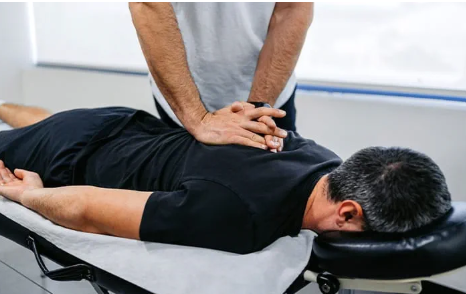
Living with chronic back pain feels like carrying a heavy, invisible backpack everywhere you go. It dictates how long you can stand at a concert, how comfortably you can drive to work, and whether you can easily pick up your kids or grandkids. For many people, the pain is not the result of a sudden, dramatic injury. It is simply the slow, compounding result of gravity acting on the body over decades.
Every single day, your spine absorbs a massive amount of physical stress. Sitting at a desk, looking down at a phone, and driving through heavy traffic all force your spinal columns to compress. Over time, this constant downward pressure literally squeezes the vital fluids out of your spinal discs. When these discs flatten out, they lose their ability to act as shock absorbers. The bones drift closer together, often pinching the sensitive nerve roots that travel down into your legs and arms.
If you are tired of relying on heating pads and over-the-counter medication, you need a mechanical solution for a mechanical problem. You have to reverse the pressure. Working with the top chiropractors in Las Vegas is the most reliable way to achieve lasting structural relief. However, there are also daily habits you can build to protect your back.
If you are wondering how to decompress spine pressure effectively, you are in the right place. Here is a comprehensive guide to understanding spinal compression and five actionable tips to help you find relief.
Key Takeaways
- Gravity is Constant: Your spine naturally compresses throughout the day. You must actively work to reverse this pressure to keep your spinal discs healthy and hydrated.
- Hydration Matters: Spinal discs rely on water to maintain their height. Drinking enough water is a critical, often ignored part of spinal decompression.
- Avoid Aggressive Inversion: Hanging completely upside down by your ankles can be dangerous for your joints and blood pressure. Gentle, controlled traction is much safer and more effective.
- Professional Care is Unmatched: At home stretches provide temporary relief. Clinical motorized decompression provides precise, targeted healing for severely bulging or herniated discs.
The Hidden Mechanics of Spinal Compression
To fix the problem, you must first understand the anatomy of your back. Your spine is a stack of bones called vertebrae. Between almost every single bone sits an intervertebral disc. These discs have a tough outer ring of cartilage and a soft, gel-like center.
Unlike the muscles in your arms or legs, your spinal discs do not have a dedicated blood supply pumping nutrients into them. They survive through a process known as imbibition. When you move, stretch, and change positions, the discs act like sponges. They soak up surrounding water and oxygen when pressure is removed, and they squeeze out waste products when you bear weight.
Modern lifestyles interrupt this natural pumping mechanism. When you sit in a chair, the pressure on your lower lumbar discs increases by up to forty percent compared to when you are standing. If you lean forward to stare at a computer monitor, that pressure doubles. This constant squeezing forces the water out of the discs. When a disc dries out and flattens, it can easily bulge outward and press against a nerve. This nerve compression triggers the sharp, shooting pain of sciatica, numbness in the extremities, and severe muscle spasms.
To heal the disc, you have to pull the bones apart. This creates negative pressure inside the spinal canal, drawing the bulging material back into place and pulling water back into the starved disc.
5 Expert Tips to Decompress Your Spine
Taking care of your back requires a daily commitment. Here are five effective strategies recommended by spinal specialists to help relieve pressure and promote long-term healing.
1. Optimize Your Sleeping Position
We spend roughly a third of our lives asleep. If your sleeping posture is poor, you are spending eight hours a night compressing your spine instead of letting it recover. Your body naturally attempts to rehydrate your spinal discs while you sleep, but it cannot do this if your spine is twisted or unsupported.
If you sleep on your back, place a supportive pillow directly under your knees. This slight elevation flattens the sharp curve of your lower back, allowing your lumbar spine to rest flush against the mattress. This removes a tremendous amount of passive tension from your lower back muscles.
If you are a side sleeper, you need to place a firm pillow between your knees. When you sleep on your side without a pillow, your top leg drops down toward the mattress. This pulls your pelvis out of alignment and twists your lower spine for hours. A pillow keeps your hips square and your spine perfectly neutral. You should also strictly avoid sleeping on your stomach, as this forces your neck into a sharp, unnatural angle and severely compresses the lower back.
2. Practice Active Bar Hanging
If you have access to a sturdy pull-up bar at a local gym or installed in a doorframe at home, active hanging is a fantastic way to utilize your own body weight for relief.
Grab the bar with an overhand grip, keeping your hands slightly wider than shoulder width apart. Do not just let your body go completely limp, as this can put too much strain on your shoulder ligaments. Instead, keep your shoulders slightly engaged while letting your lower body relax completely. Let your pelvis sink heavy toward the floor.
You will feel a deep, satisfying stretch travel down your middle and lower back. Gravity is gently pulling your lumbar vertebrae apart. Hold this hanging position for twenty to thirty seconds, step down to rest, and repeat the process three or four times. If your grip strength is weak, you can keep your toes lightly touching the floor to support a fraction of your body weight.
3. Utilize the Supported Wall Reach
For those who find hanging too difficult or intimidating, the supported wall reach is a gentle, highly effective alternative that you can perform almost anywhere.
Stand facing a blank wall, about two feet away. Place your hands flat against the wall at chest height. Slowly walk your feet backward while sliding your hands down the wall until your torso is parallel to the floor. Your body should form a perfect ninety-degree angle at your hips.
Keep your arms perfectly straight and push your hips backward away from the wall. You want to create a feeling of length from your fingertips all the way down to your tailbone. Let your head drop comfortably between your arms. This position opens up the spaces between your vertebrae and stretches the tight latissimus muscles that connect your arms to your lower back. Hold the stretch for sixty seconds, breathing deeply into your belly.
4. Aggressively Hydrate Your Body
This is the most overlooked aspect of spinal health. As mentioned earlier, your spinal discs are composed mostly of water. If you are chronically dehydrated, your body will prioritize sending water to your vital organs, leaving your spinal discs dry and brittle.
A dry disc cannot act as a shock absorber. It flattens out easily and is highly susceptible to tearing and bulging. You cannot effectively decompress a spine if there is no fluid available to rehydrate the discs.
You need to consume an adequate amount of water every single day. A general baseline is to drink half of your body weight in ounces of water daily. If you weigh two hundred pounds, you should aim for one hundred ounces of water. Swap out sugary sodas and excess coffee for pure water. Consistent hydration gives your body the raw materials it needs to repair damaged disc tissue when you perform your daily stretches.
5. Seek Clinical Motorized Decompression Therapy
At home stretches and hydration are excellent for daily maintenance and preventing minor aches. However, if you are dealing with a diagnosed herniated disc, degenerative disc disease, or severe sciatic nerve pain, home remedies will not be enough to fix the structural damage. You need absolute precision, which can only be found in a clinical setting.
Professional chiropractors utilize advanced motorized spinal decompression tables. These are highly sophisticated medical devices controlled by internal computers. When you are strapped into a decompression table, the machine applies a very specific, calculated pulling force to your spine.
The true magic of this technology lies in the computer sensors. When you try to stretch a painful back on your own, your muscles naturally spasm and tighten up to protect the injured area. This muscle guarding prevents the joints from actually separating. A clinical decompression table senses this muscle resistance in milliseconds. It instantly adjusts the pulling force, gently coaxing the muscles to relax. This allows the machine to bypass your body’s natural defense mechanisms and apply direct traction to the damaged disc.
This therapy creates a powerful vacuum effect inside the spinal column, pulling herniated disc material off the pinched nerves and flooding the area with healing nutrients. It is a painless, deeply relaxing procedure that often helps patients avoid invasive spinal surgeries and heavy pain medications.
Knowing When to Stop DIY Methods
Listening to your body is critical when dealing with back pain. Spinal decompression stretches should feel like a deep, relieving release of tension. They should never cause sharp, stabbing, or electrical pain.
If you are performing a stretch and you feel a sudden spike in pain, or if you feel numbness or tingling shooting down your leg, you must stop immediately. Pushing through sharp pain will only worsen a nerve impingement. These symptoms are a clear indicator that the structural dysfunction in your spine requires professional evaluation. A specialized clinic will perform comprehensive orthopedic testing and take digital X rays to pinpoint the exact location of the damage before designing a safe, customized recovery protocol.
Frequently Asked Questions
Is inversion therapy safe for spinal decompression?
Inversion tables, where you strap your ankles in and hang completely upside down, are popular but carry significant risks. Hanging by your ankles places severe stress on your knee and ankle joints. More importantly, being totally inverted causes a massive spike in blood pressure and intraocular pressure in the eyes. Clinical motorized decompression on a flat table is vastly safer, more comfortable, and much more precise.
How long does it take to see results from clinical decompression?
Every patient heals at a different rate depending on the severity of their disc damage. Some patients experience a massive reduction in nerve pain after just three or four sessions on the traction table. However, completely healing a torn or herniated disc requires time. A full corrective care program typically spans several weeks to ensure the disc is fully rehydrated and structurally stable.
Can I do spinal decompression if I have had back surgery in the past?
It depends entirely on the type of surgery you received. If you have surgical hardware in your back, such as rods, screws, or a spinal fusion, motorized decompression is generally contraindicated and unsafe. However, if you had a simple microdiscectomy without any hardware installed, you may still be an excellent candidate for the therapy. A thorough consultation with your doctor is required to determine your eligibility.
Does spinal decompression hurt?
No. Whether you are doing gentle stretches at home or receiving treatment on a clinical table, decompression should not be painful. In a clinical setting, the pull is incredibly slow and gradual. Many patients find the motorized therapy so relaxing that they actually fall asleep during their twenty minute sessions.